





Introduction: From Local to Global — Why Bergamo Captivates the Design World
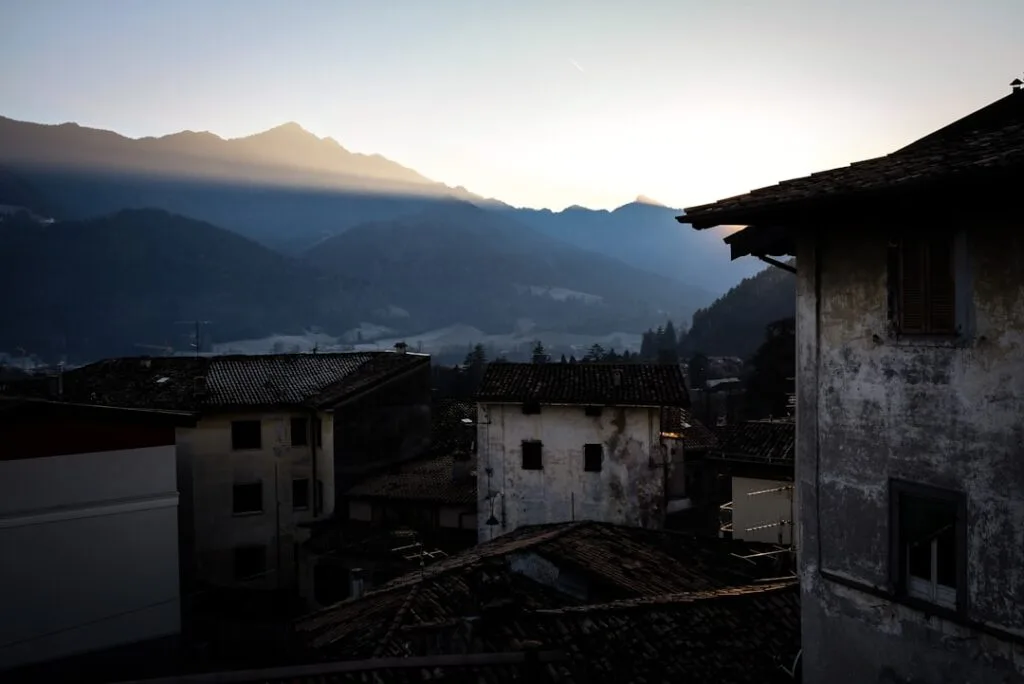
Perched between Lombardy’s hills and the Po Valley plain, Bergamo functions like an open-air laboratory: it carefully preserves a rich historical heritage while quietly nurturing remarkable contemporary creativity outside Milan’s spotlight. That contrast — between the weathered stone of the Città Alta and the understated bustle of workshops in the Città Bassa — makes Bergamo a fascinating case study for anyone interested in how local culture influences global design. In this article we look at how Bergamo’s artisan roots, architecture and cultural institutions now reach international furniture fairs, contemporary art exhibitions and cross-border collaborations that are reshaping what we call “Italian design.”
Rather than presenting Bergamo as a mere museum-city, it’s essential to view it as an ecosystem: cabinetmakers, glassworks, metalworkers, art schools and galleries live alongside medieval monuments, theaters and public squares where urban life unfolds. This proximity of tradition and innovation allows local forms, materials and know-how to be reinterpreted and projected onto the international stage. The carved woodwork from the high city’s workshops, for example, reappears in contemporary furniture for export, while the ochre palette of Lombard façades influences interior-design collections.
This piece is aimed both at curious travelers who want to understand Bergamo’s cultural context and at design professionals looking to identify resources and potential partnerships. We’ll offer practical details — exact addresses, opening hours, prices — so your visit is both inspiring and well organized. But beyond strictly practical information, this guide invites you to look at Bergamo with a maker’s eye: how morning light on the Piazza Vecchia transforms the texture of medieval stone; how an ornate chapel influences a lighting studio; how a local market still supplies pigments for contemporary ceramic workshops.
In short, Bergamo’s movement from local to global is a story of resonances: artisanal gestures passed down through families, regional materials meeting modern technologies, cultural institutions that both display and contextualize heritage, and designers who, inspired by these elements, engage in international dialogue. Walk the lanes, workshops, museums and squares of Bergamo with us to understand how a local identity can assert itself on the global design stage without losing its soul.
Deep Roots: Architectural Heritage and Iconic Sites
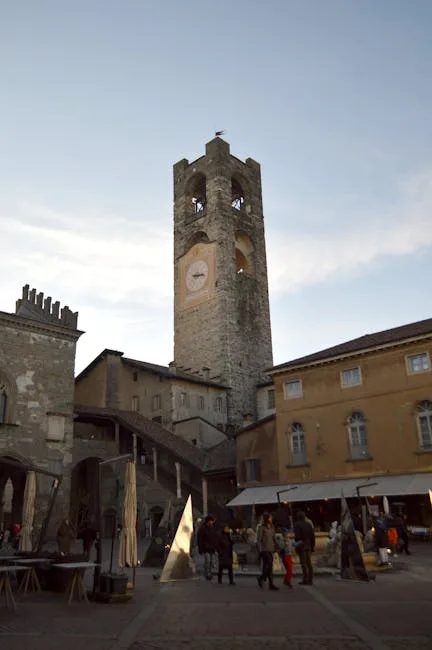
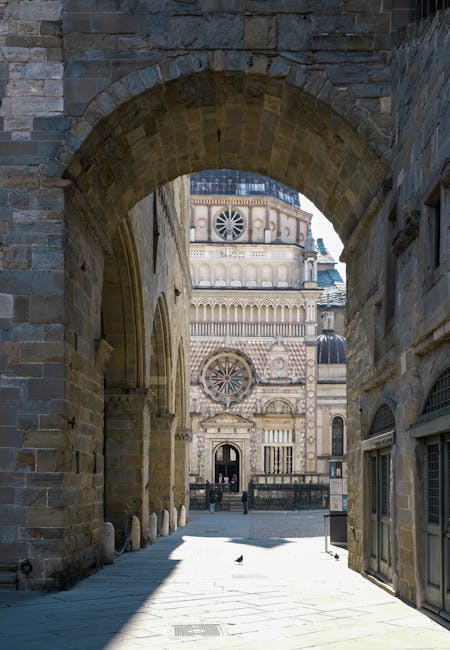
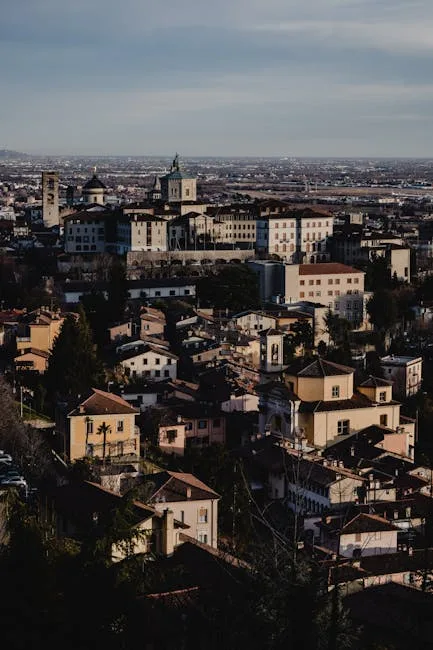
Bergamo’s urban fabric is fundamental to understanding its stylistic influence. The Città Alta (Upper Town) concentrates the monuments that shaped a local aesthetic immediately recognizable: the Piazza Vecchia, the Basilica di Santa Maria Maggiore, the Cappella Colleoni and the Venetian walls form a visual and material corpus that contemporary architects still draw from today.
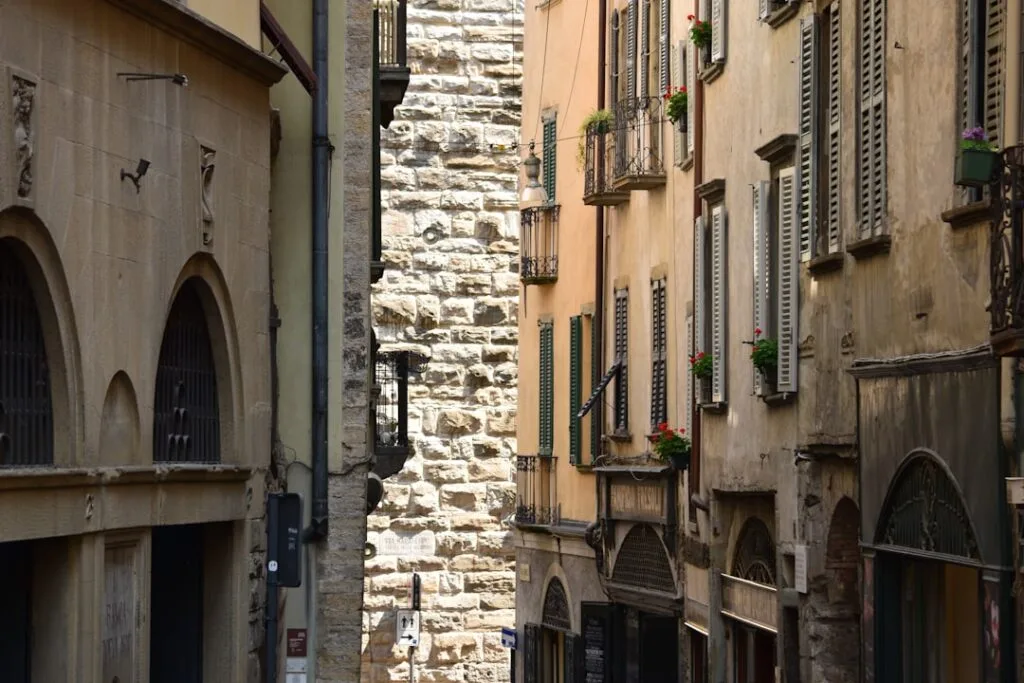
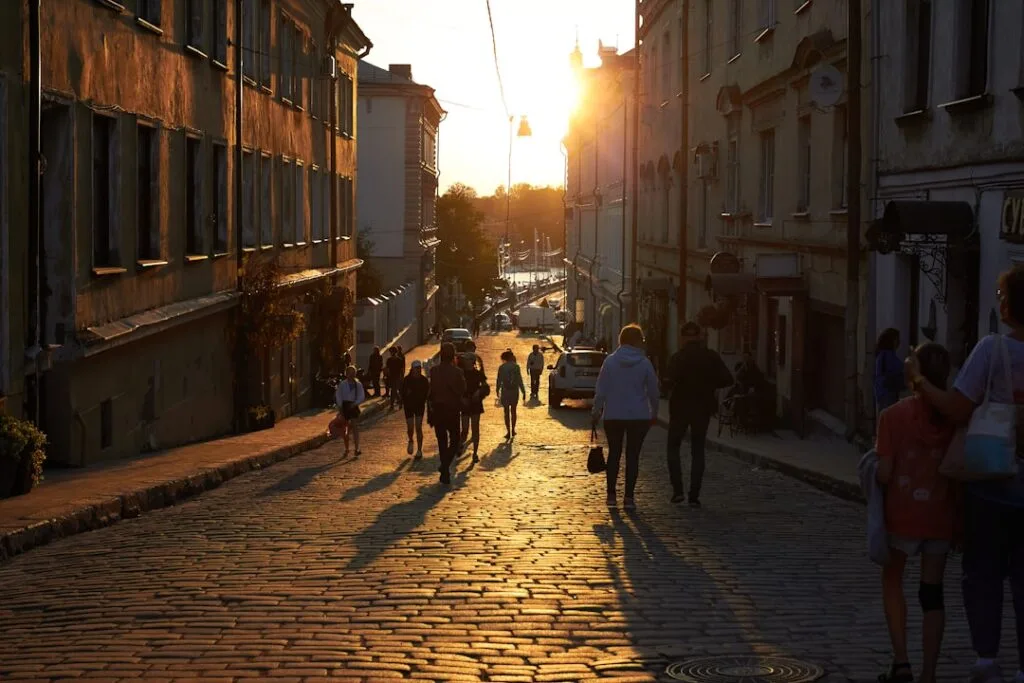
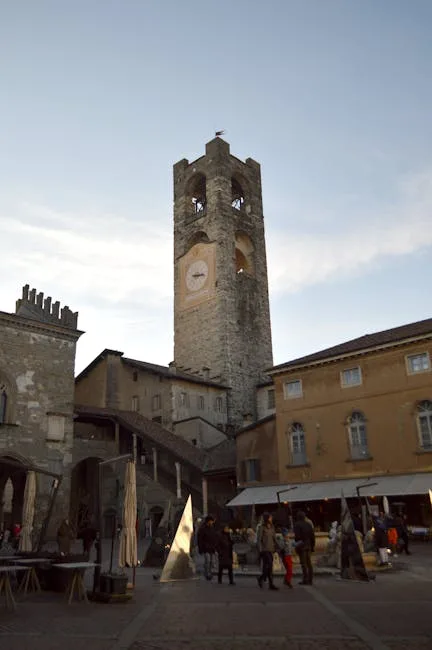
Piazza Vecchia (Piazza Vecchia, 24129 Bergamo BG) is the historic heart of the Città Alta, ringed by the Biblioteca Civica Angelo Mai and the Palazzo della Ragione. It’s a square that reinvents itself every morning depending on the light; stone façades, ochre tones and the intimate presence of cafés create an urban model that’s both functional and highly photogenic. Practical tip: arrive early, between 8:00 and 10:00, to avoid tourist buses and enjoy low-angle light ideal for studying textures and proportions.
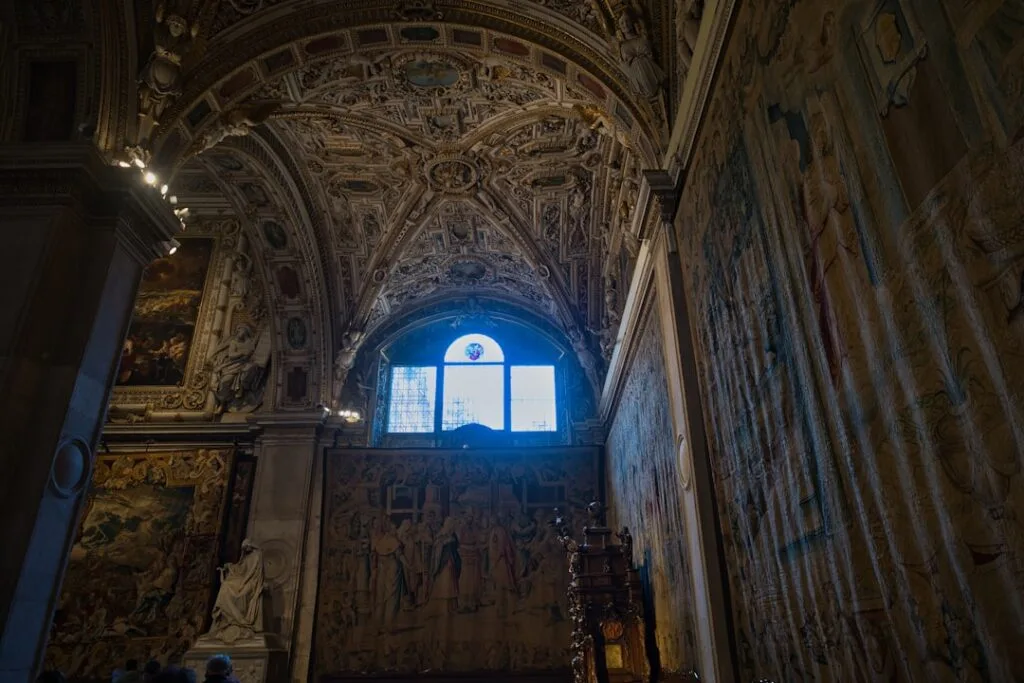
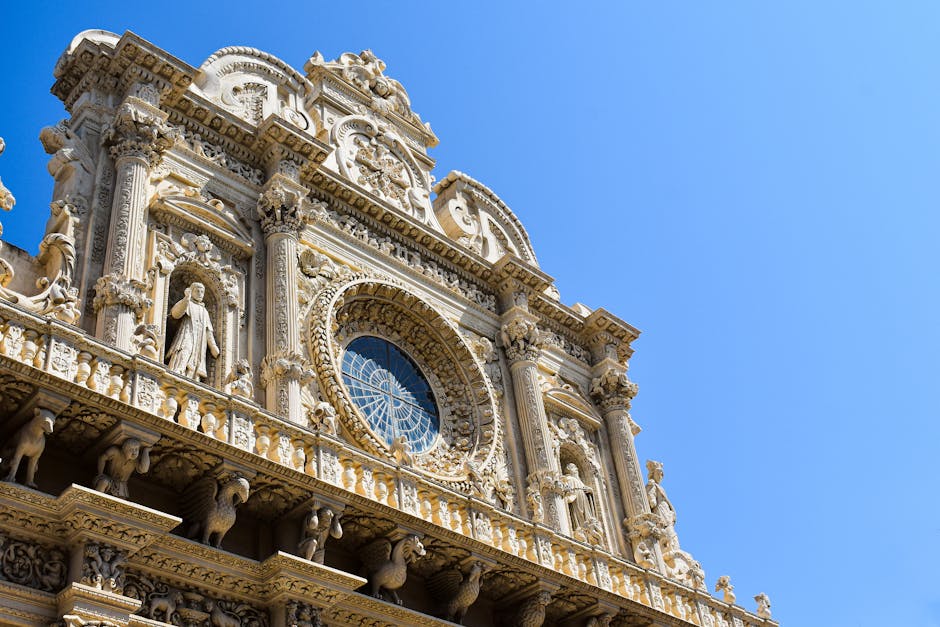
The Basilica di Santa Maria Maggiore (Piazza Duomo, 24129 Bergamo BG) is a late medieval masterpiece, renowned for its woodwork, tapestries and interior lighting. Hours: generally open from 07:00 to 19:00; free entry though donations are recommended for upkeep. Next door, the Cappella Colleoni (Piazza del Duomo, 24129 Bergamo BG) stands out for its polychrome façade and exceptional marble. Hours: 09:00–19:00; admission roughly €4–€6 for a full visit (prices may vary seasonally and with special exhibitions). These buildings offer lessons in the use of relief and color that still inspire contemporary creators, especially in scenography and object design.
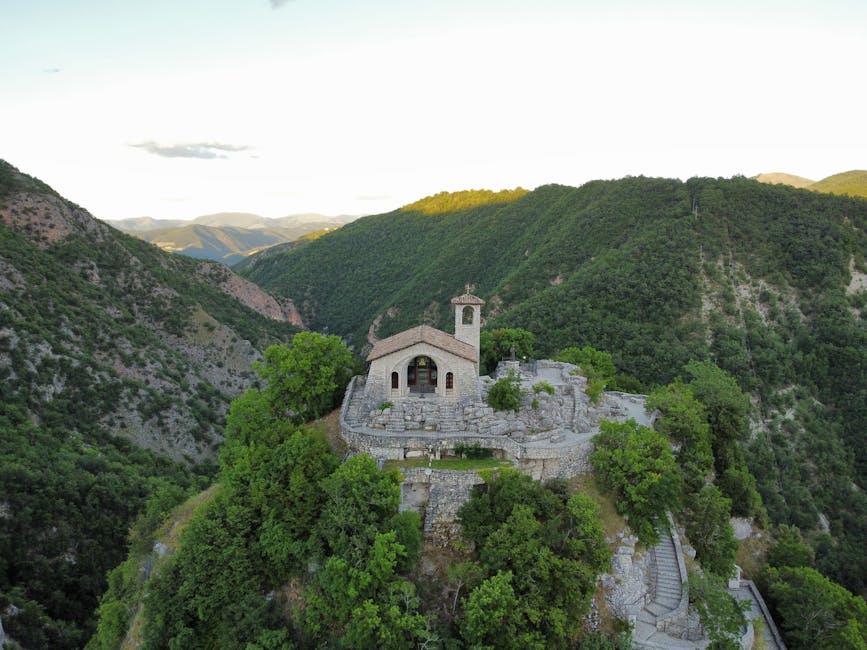
The Venetian walls, listed as UNESCO World Heritage, form a laboratory for studying the relationship between fortification and the urban landscape. Walking the paths along the ramparts reveals the importance of alignments, viewpoints and topography — concepts essential to urban planning and landscape design projects. Practical tip: walk from the Bastione di Santa Lucia to the Colle Aperto in the late afternoon to watch the light sculpt the lower city, and note how perspectives determine the placement of benches, lampposts and plantings.
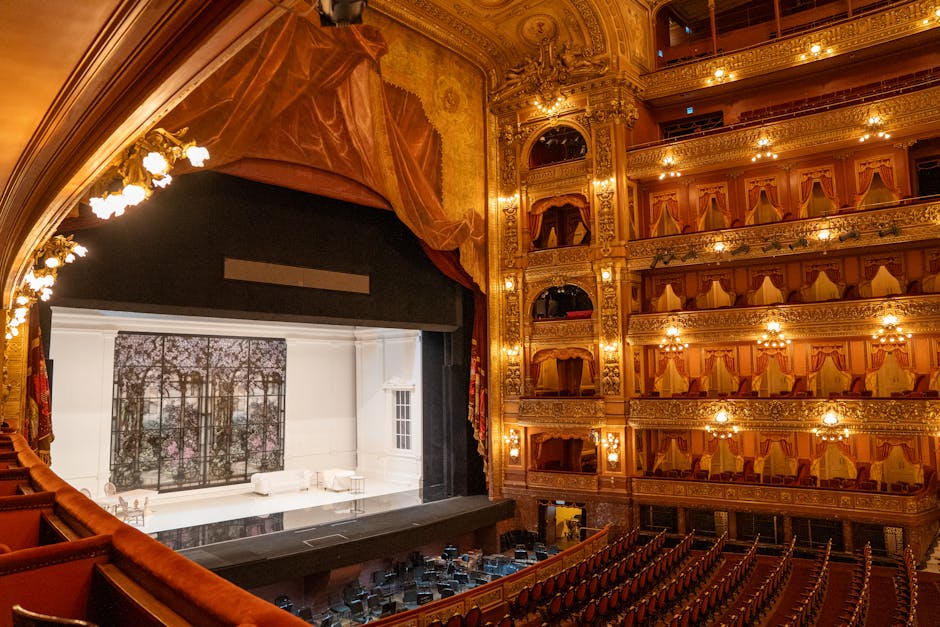
Finally, venues such as the Teatro Donizetti (Piazza G. Donizetti, 5, 24121 Bergamo BG) offer another register of influence: Bergamo’s musical and theatrical scene has historically commissioned sets and props, pushing local artisans to develop skills in carpentry, scenic painting and costume-making. Box office hours: generally 10:00–13:00 and 16:00–19:00; ticket prices vary (from around €10 for small productions to >€50 for operas and special concerts). Observing these backstage crafts helps one grasp the depth of technical know-how present in the city.
Cultural Institutions and Museums: GAMeC, Accademia Carrara and Exhibition Networks
Bergamo’s cultural institutions play a decisive role in exporting local aesthetics worldwide. Two names are essential: the Galleria d’Arte Moderna e Contemporanea (GAMeC) and the Accademia Carrara di Belle Arti. These venues do more than display works; they build narratives, run residencies, publish catalogs and initiate international collaborations that raise the profile of Bergamo’s creatives.
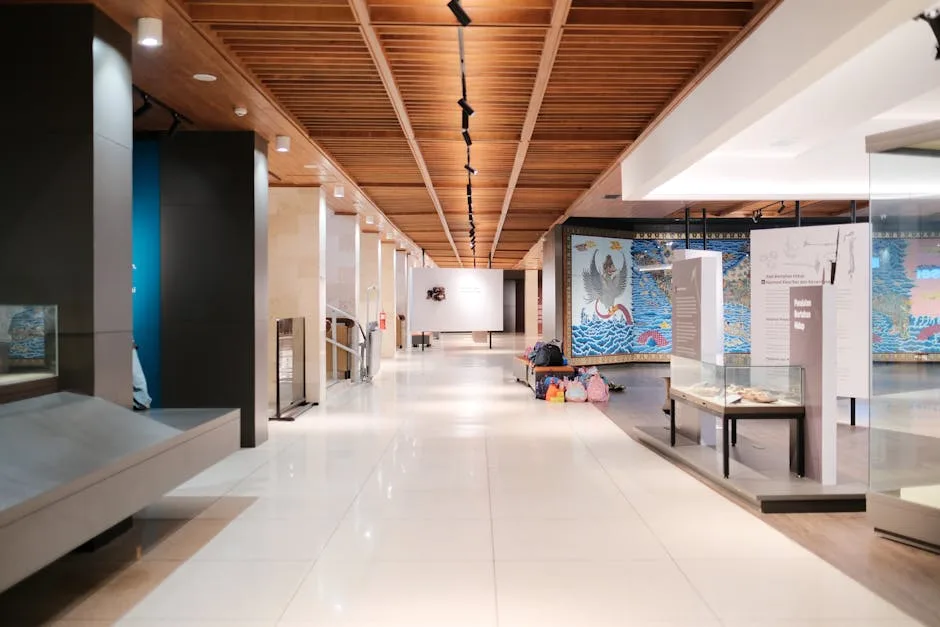
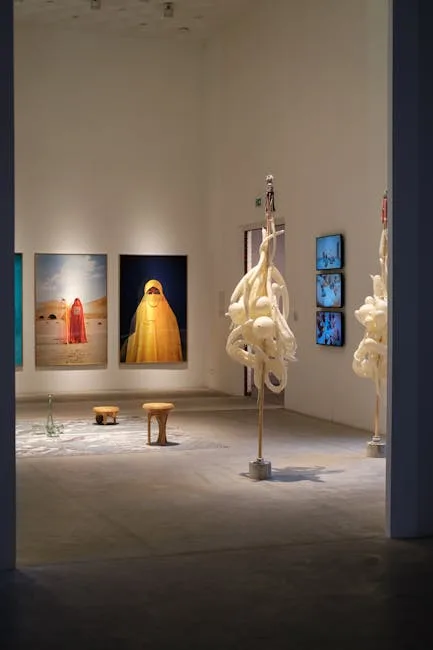
GAMeC – Galleria d’Arte Moderna e Contemporanea (Via San Tomaso, 53, 24121 Bergamo BG) is a vibrant center for contemporary art. Typical hours: Tuesday–Sunday 10:00–19:00 (closed Monday); admission for permanent/rotating exhibitions: around €8–€10, with concessions for students and seniors. The program mixes international artists with emerging Italian practitioners, fostering formal dialogues — materials, installations, light — that are of interest to designers. Tips: check the website before you go to book, especially during openings and lectures; aim for late morning if you want to join English-guided tours sometimes offered at 11:00.
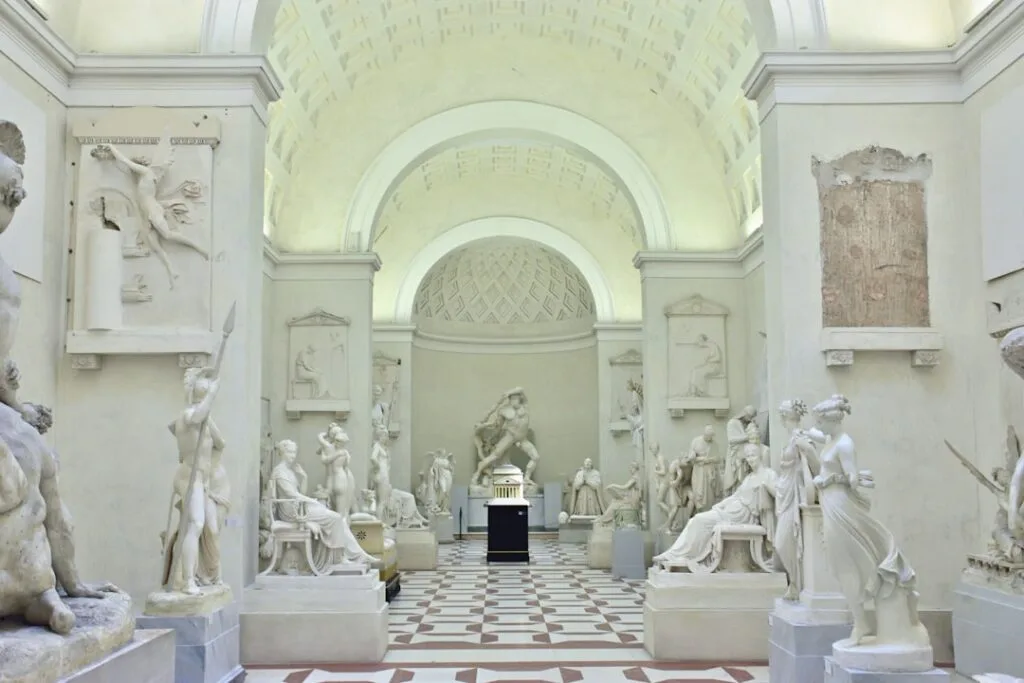
The Accademia Carrara di Belle Arti (Piazza Giacomo Carrara, 82, 24121 Bergamo BG) is a prestigious picture gallery, rich with works by Botticelli, Raphael, Tiepolo and other masters. Typical hours: Tuesday–Sunday 10:00–18:00 (closed Monday); admission about €10, with discounts available. Studying old masterpieces there is essential to understanding the evolution of palettes, composition and painting techniques that contemporary designers reinterpret in products and textiles. Practical tip: don’t limit yourself to the ground floor; the Accademia sometimes stages temporary shows highlighting intersections between historic art and modern design.
Beyond these flagship institutions, Bergamo has smaller experimental spaces: independent art venues, design workshops, artist residencies and local fairs. For example, temporary exhibitions in the Sala Manzù or curatorial projects at the Palazzo delle Poste can be real innovation nurseries. Local cultural networks frequently organize roundtables, workshops and collaborations with European design schools, making it easier for Bergamo ideas and objects to reach foreign markets.
Practical note for visitors: combined GAMeC + Accademia Carrara tickets are sometimes offered at a reduced rate, allowing for a full immersion: old masters, modern art and contemporary design. Check opening days and special exhibitions, and consider booking guided tours in English or another language if you want to deepen the links between historical works and current creativity.
Workshops, Artisans and the New Generation of Designers
Bergamo’s strength also lies in its small-scale workshops, where making is learned hands-on. Carpentry, forging, textile and ceramic studios coexist with graphic and product design studios: this productive mosaic fuels local output that appeals to international markets for its authenticity and quality.
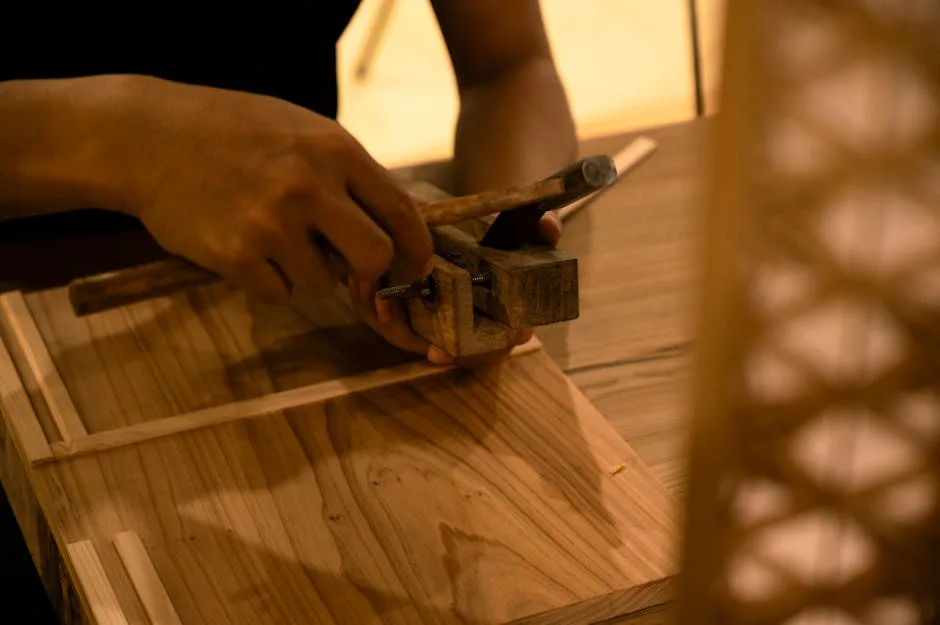
Among the places to visit to meet these artisans, note that the Città Alta hosts several woodworking and sculpture workshops where family traditions persist. A concrete example: the Scuola dell’Arte (often near Via Colleoni depending on seasonal programs) offers courses and workshops in traditional woodworking and object restoration. Indicative price for a half-day workshop: €30–€60; for advanced sessions, prices range from €120 to €300 depending on length and materials included. Practical tip: contact the workshop in advance to book a slot, and ask whether tools and personal protective equipment are provided.
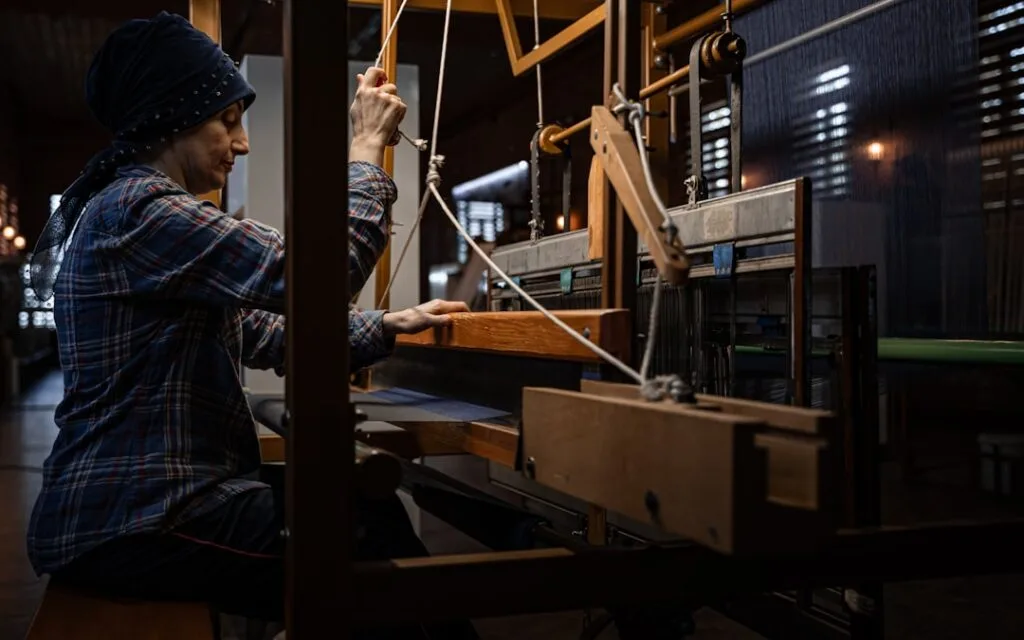
Bergamo’s textile tradition, less publicized than in some other Italian regions, resurfaces with contemporary creators who reinterpret local motifs and embroidery. Small showrooms in the Città Bassa near Via XX Settembre display fabrics, cushions and tapestries inspired by Bergamo. Indicative prices: handcrafted cushions €30–€80, wall tapestries €150–€600 depending on size and complexity. Practical tip: check international shipping options if you’re traveling light; many ateliers will ship abroad for an extra fee.
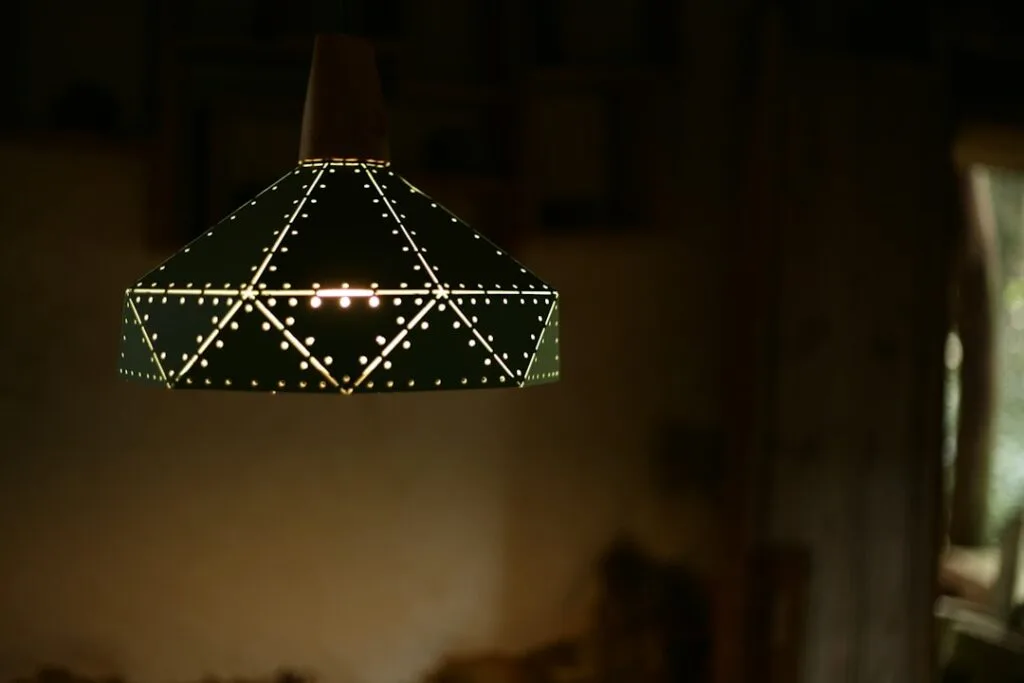
Local metalworkers are also part of the design scene, producing lighting, railings and structural elements for renovation projects. A bespoke piece or an industrial-style workshop lamp can cost from €250 to several thousand euros depending on material and design. For foreign designers, Bergamo offers opportunities to co-create: many workshops accept custom orders and collaborations, encouraged by a culture of proximity and direct negotiation.
Finally, the new generation of designers trained in Lombardy — often graduates of the Accademia Carrara or nearby schools — frequently work in transdisciplinary networks. They organize pop-ups, temporary shows and participate in regional fairs, linking Bergamo to Milan Design Week and European circuits. Practical tip: follow local museum and municipal event pages to spot openings, makers’ markets and open-studios — many of the most interesting collaborations start there.
Routes, Practical Addresses and Tips for Visiting Designers
To turn your time in Bergamo into a source of inspiration, here’s a practical route and precise addresses that combine cultural visits, meetings with artisans and observational moments in the city.
- Morning — Città Alta and monuments: Start at the Piazza Vecchia (Piazza Vecchia, 24129 Bergamo BG) then visit the Basilica di Santa Maria Maggiore (Piazza Duomo, 24129 Bergamo BG; hours 07:00–19:00; free entry) and the Cappella Colleoni (Piazza del Duomo, 24129 Bergamo BG; 09:00–19:00; €4–€6). Take time to study the woodwork, stuccoes and the use of natural light.
- Midday — Museums: Descend to the Città Bassa and head to GAMeC (Via San Tomaso, 53, 24121 Bergamo BG; Tue–Sun 10:00–19:00; €8–€10) then to the Accademia Carrara (Piazza Giacomo Carrara, 82, 24121 Bergamo BG; Tue–Sun 10:00–18:00; €10). Book ahead if possible and check temporary exhibitions.
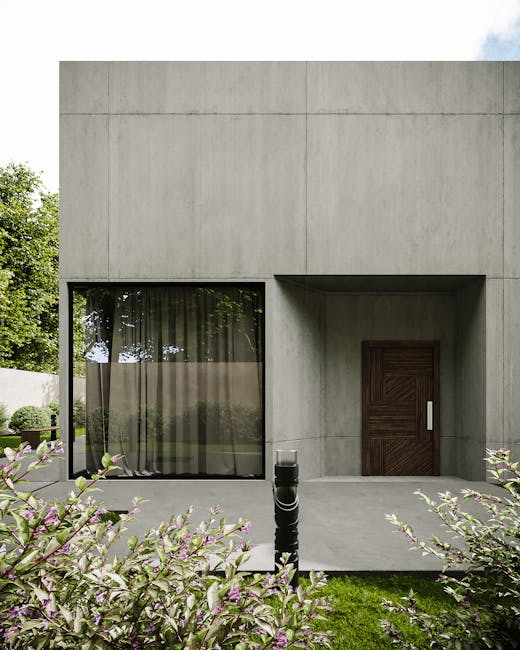
- Afternoon — Workshops and showrooms: Schedule appointments at woodworking ateliers (advance booking recommended), textile showrooms and metalworking shops in the Città Bassa. Prices for private visits and demonstrations vary: small workshop visits €20–€50, longer sessions €100+. Always ask whether the visit includes a demonstration and if translation is available.
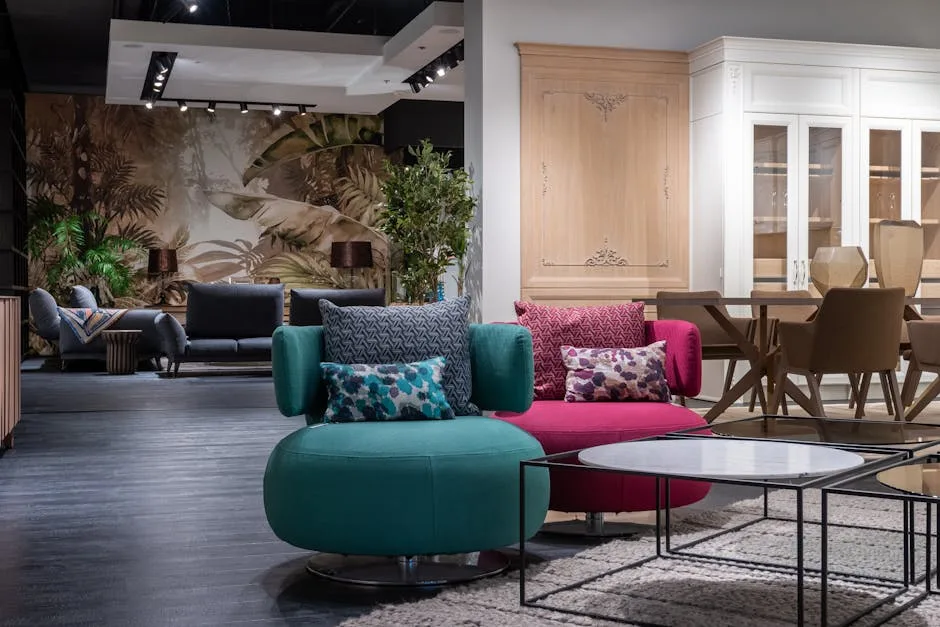
- Evening — Food and networking: End the day in a local bistro or osteria, ideally near Via Gombito or Via Colleoni in the Città Alta. Attending an opening or a local roundtable (often announced by museums) is a great way to meet designers and curators.
Additional practical tips:
- Transport: the funicular connecting Città Bassa and Città Alta generally runs from early morning until evening; expect €1.50–€2.00 per trip or day tickets depending on municipal offers. Local buses cover the lower city.
- Language: Italian is dominant; many professionals speak English, but for technical negotiations an Italian contact is a plus. Prepare a short visual brief of your project for workshops.
- Budget: plan for museum entrance fees of €8–€15 per site; workshop and object prices vary. Accommodation in the Città Alta tends to be pricier; the Città Bassa offers good options for traveling designers.
- Fairs and events: Milan Design Week (Salone del Mobile) remains a major hub for collaborations; Bergamo often acts as a satellite with parallel events. Follow local cultural calendars to maximize professional meetings.
Conclusion: A Model of Cultural and Economic Diffusion
Bergamo shows how a local identity can spread internationally without losing its uniqueness. The secret lies in the combination of a rich material heritage — churches, squares, walls — and a contemporary artisanal vitality: workshops, museums and art schools form a living network that produces not only objects, but narratives and transferable skills. This local-to-global dynamic appears in concrete collaborations: bespoke commissions, artist residencies, regional fairs and exhibitions abroad. For designers, Bergamo is a practical and inspiring partner: the city offers materials, know-how and interlocutors open to experimentation, as well as a historic setting that feeds aesthetic reflection.
Visiting Bergamo isn’t just ticking monuments off a tourist list. It’s stepping into an ecosystem where design practice is fed by stone, wood, metal and textiles, but also by a civic culture that values both preservation and innovation. The itinerary we’ve suggested — from morning visits at Piazza Vecchia to contemporary galleries and hands-on workshops — is designed so visitors leave with applicable ideas: workshop contacts, catalogs, samples and a renewed understanding of how the local can nourish the global.
To wrap up, Bergamo offers a valuable lesson: the longevity of a design culture depends as much on passing down gestures as on adapting to contemporary markets. By fostering encounters between artisans and designers, and by supporting institutions and exhibitions, the city plays the role of cultural intermediary. If you take away one impression from this visit, let it be that quality and authenticity — sometimes modest in appearance — are powerful forces in influencing the international design scene. And keep those practical tips, addresses and opening hours in mind: they’ll help turn a visit into a productive and memorable professional experience.