





Introduction
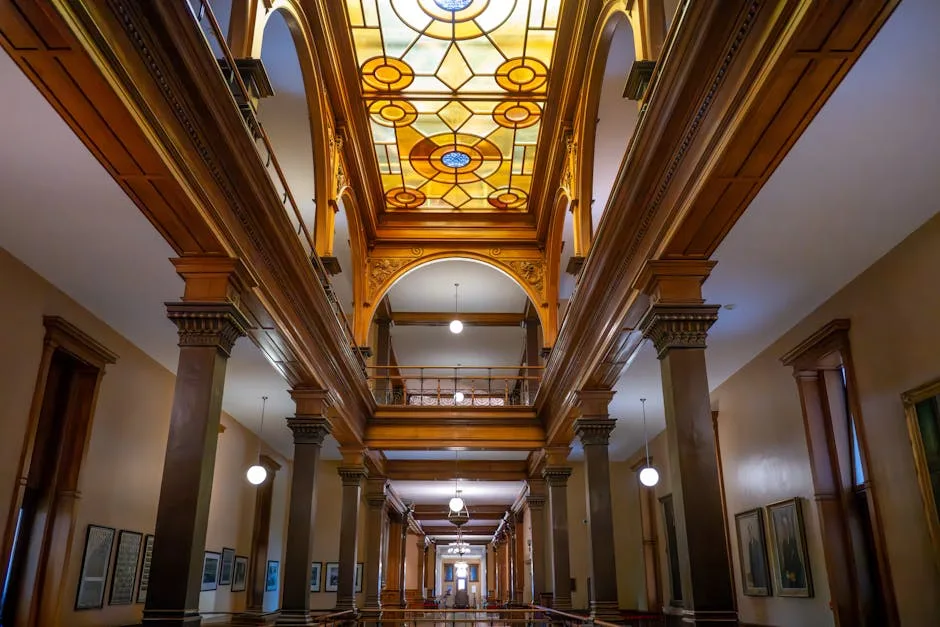
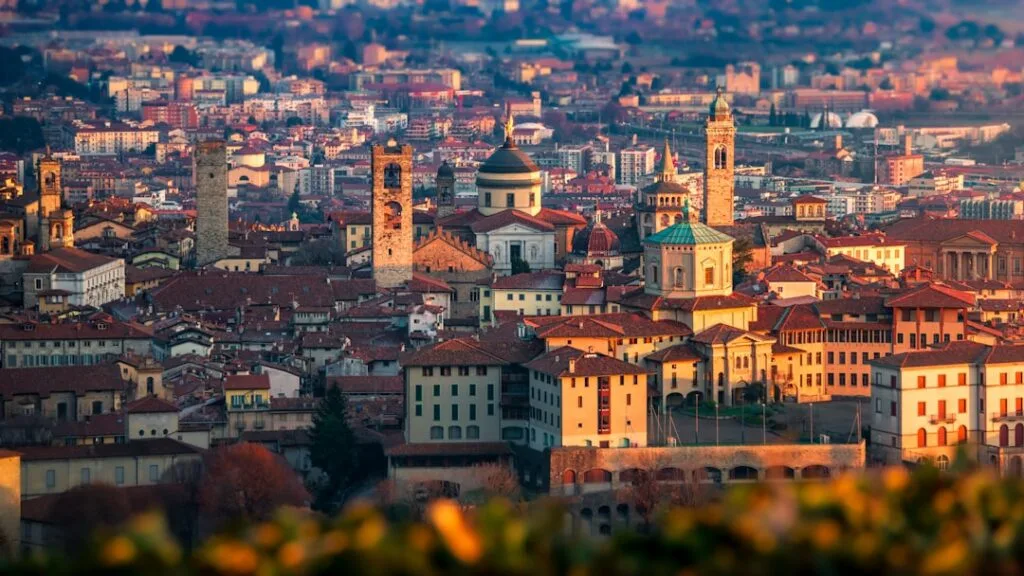
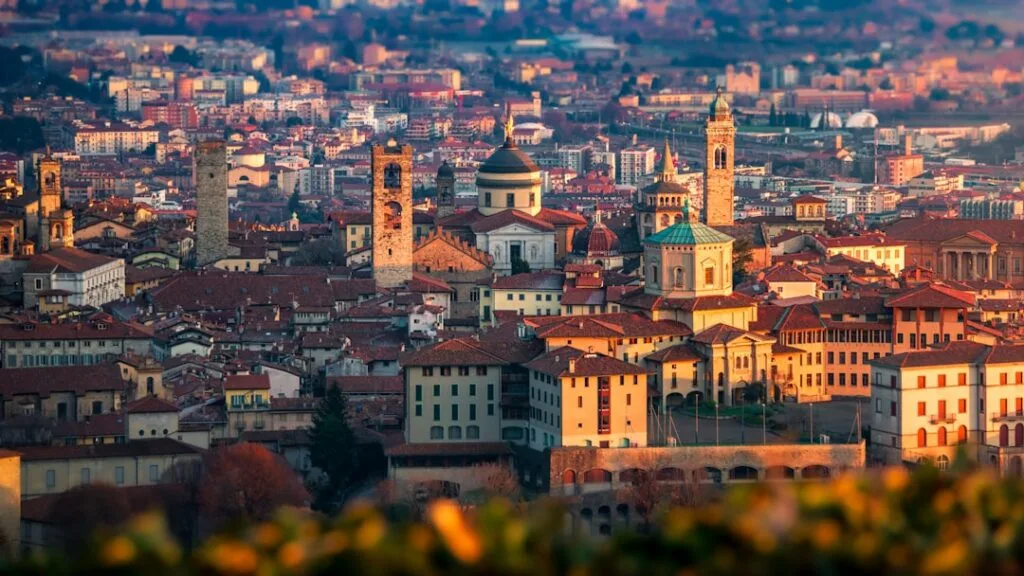
Bergamo — Bergamo in Italian — reveals itself as a place where light and forms have been in dialogue for centuries, but it’s especially in contemporary aesthetics that this conversation gains a unique depth today. Perched between plain and mountains, split into the Città Alta (the medieval old town) and the Città Bassa (the modern lower town), Bergamo offers a singular playground to explore how natural light, reinterpreted historic architecture and contemporary interventions coexist and stage themselves. The visitor’s eye is constantly engaged: you move from pastel panoramas over the rooftops of the Città Alta to museum-like interiors where volumes are sculpted by artworks and carefully considered lighting devices.
This article digs into what defines Bergamo’s contemporary aesthetic, focusing on specific sites — museums, galleries, squares, studios and urban routes — where light acts as a sculptural element and volumes are reinvented. You’ll find exact addresses, practical opening hours, prices in euros, immersive descriptions and local tips to sharpen your eye and enhance your experience. Whether you’re a photographer, architecture student, contemporary art lover or curious traveler, Bergamo offers a visual kaleidoscope: façades playing with stone and glass, museums where scenography transforms space, public squares becoming open-air exhibition halls.
Bergamo’s contemporary aesthetic isn’t limited to art venues. It’s readable in recent urban projects, industrial conversions, design cafés and even artisans’ workshop windows that blend utility with poetry. Light is a material here: it chisels, reveals, conceals, transforms. Volumes converse between tradition and experimentation — medieval cloisters now used as auditoriums, warehouses converted into cultural centres where high ceilings become theatrical. In the following pages you’ll discover must-see stops like the Galleria d’Arte Moderna e Contemporanea (GAMeC), the Accademia Carrara and several lesser-known but essential sites for understanding this Bergamo style, plus practical tips for photographing at the best times, avoiding crowds and fully sensing the materiality of the places.
Finally, Bergamo’s approach to light and volume invites a slow gaze: take the time to pause, watch how the sun grazes walls at golden hour, how a contemporary installation redefines a room’s perception, or how a spiral staircase becomes a functional sculpture. This guide is an invitation to explore Bergamo not only as a historic destination but as a living laboratory of contemporary aesthetics. Prepare your notebook, your camera and your curiosity — the journey starts here.
 Click here to discover Bergamo highlights by minibus
GAMeC: Galleria d’Arte Moderna e Contemporanea di Bergamo — light sculpted in modernity
The GAMeC (Galleria d’Arte Moderna e Contemporanea di Bergamo) is one of the key hubs for understanding how Bergamo engages with contemporary forms today. Address: Via San Tomaso 53, 24121 Bergamo BG. The gallery occupies spaces where ceiling height and zenithal light are used to create stagings that challenge the viewer. The interior architecture mixes raw volumes and white surfaces, offering a neutral backdrop to artistic interventions that then play with colour, reflection and shadow. 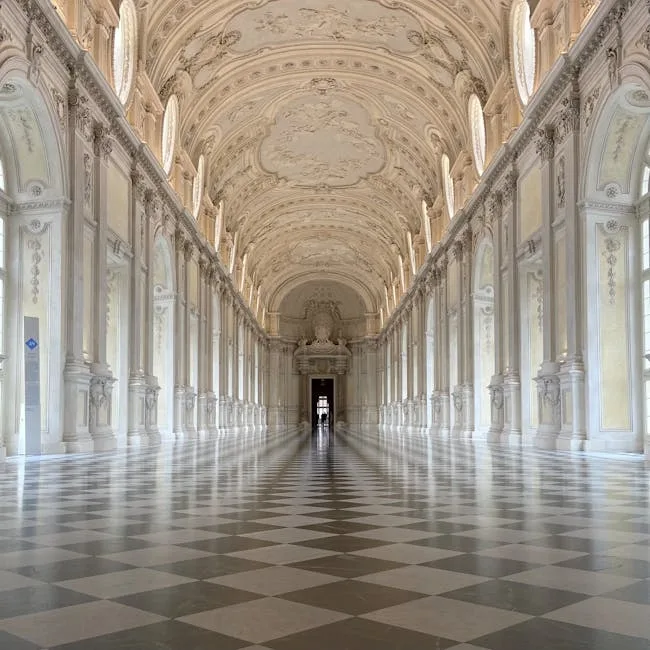
Hours and prices (check locally as they may vary): GAMeC is generally open Tuesday to Sunday from 10:00 to 19:00, closed on Mondays. Full ticket: 10 €, reduced: 7 €, free for under 18s. Some temporary exhibitions may have extended evening hours or specific rates for private events. It’s recommended to consult the official website before your visit to book guided time slots and workshops.
How light works here: GAMeC’s scenography often plays on the gradual entry of natural light through lightwells or skylights, combined with directional artificial lighting that highlights reliefs and textures. Contemporary artists frequently use reflective or translucent materials — plastic films, resins, mirrors — that alter volume perception and create spatial illusions. For photographers, the best time is generally early afternoon when light enters laterally, creating streaks and shaded areas that enhance the three-dimensionality of the works.
Practical tips: arrive at opening to avoid crowds, or book a guided visit to access behind-the-scenes areas and better understand the spatial design. The luggage service and lockers let you leave bulky backpacks. Respect photography rules — in some rooms non-flash photos are allowed, but always ask for permission. Nearby you’ll find cafés and specialist bookshops to continue the aesthetic reflection after your visit.
Transport and access: GAMeC is walkable from Bergamo train station in 20–25 minutes, or reachable via local public transport. If you come by car, favour parking in the Città Bassa and allow about a fifteen-minute walk or a short taxi ride.
Click here to book a 2-hour guided walking tour
Accademia Carrara and the Museo Adriano Bernareggi: classical heritage reinvented
At the crossroads of classical and contemporary, the Accademia Carrara and the Museo Adriano Bernareggi stage an engaging dialogue between old master paintings and modern interventions in space. Address of the Accademia Carrara: Piazza Giacomo Carrara 82, 24121 Bergamo BG. The Accademia occupies an 18th‑century building restored for permanent and temporary exhibitions. The addition of a contemporary wing changes how the classical rooms are read: LED lighting systems, modular elements and interactive panels add a new layer of visual interpretation. 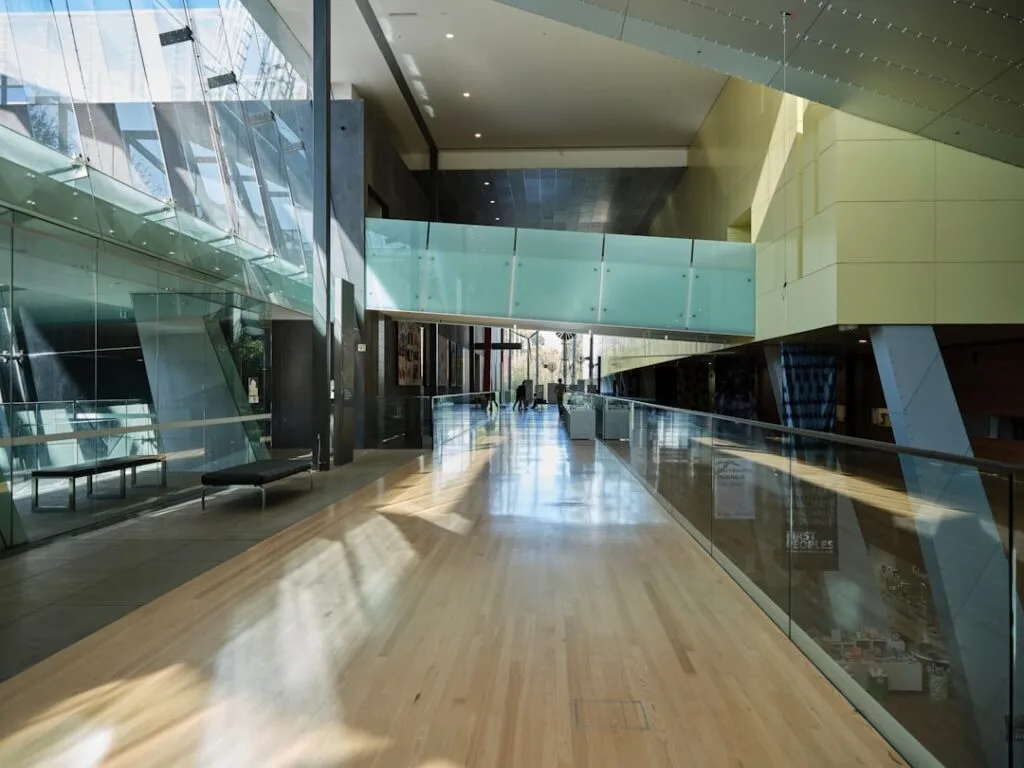
Opening hours and prices: the Accademia Carrara is generally open Tuesday to Sunday from 10:00 to 18:00, closed Monday. Full ticket: 12 € (access to permanent and temporary exhibitions), reduced: 8 €. Prices may vary for major exhibitions. The Museo Adriano Bernareggi, often linked to contemporary projects, is nearby and hosts artist residencies and talks (address: Via Pignolo 76, 24121 Bergamo BG — check the exact route on the official site).
Why visit: the Accademia is an example of heritage conservation where natural light filtered through tall windows is complemented by modern scenography to enhance the works. Recent restorations favored non‑intrusive lighting solutions that protect paintings while revealing chromatic detail. The contrast between ancient vaults and contemporary installations creates a museum route where each room reframes the next.
Sensory experience: imagine stepping into a room resonant with history — paintings by Bergognone, Titian and Botticelli — then moving into an adjacent space where a contemporary video installation uses dimness and spot lighting to create a contemplative area; the transition produces an aesthetic tension that defines contemporary Bergamo: respect for the past and boldness in the present.
Practical tips: combine your visit to the Accademia with a stroll down Via Pignolo, famous for its ornate façades and antique dealers’ workshops. Buy tickets online to avoid queues during major shows. If you’re a photographer, check lighting conditions in each room — special time slots for photographers may be available.
Città Alta: medieval volumes and contemporary interventions in public space
The Città Alta, Bergamo’s historic heart, is a workshop where medieval architecture meets thoughtful contemporary interventions. Must‑see spot: Piazza Vecchia, 24129 Bergamo, flanked by the Biblioteca Angelo Mai and the Palazzo della Ragione. Nearby, the Cappella Colleoni (Address: Piazza Duomo, 24129 Bergamo) offers an example of sculptural decoration that, in changing daylight, reveals almost kinetic reliefs. 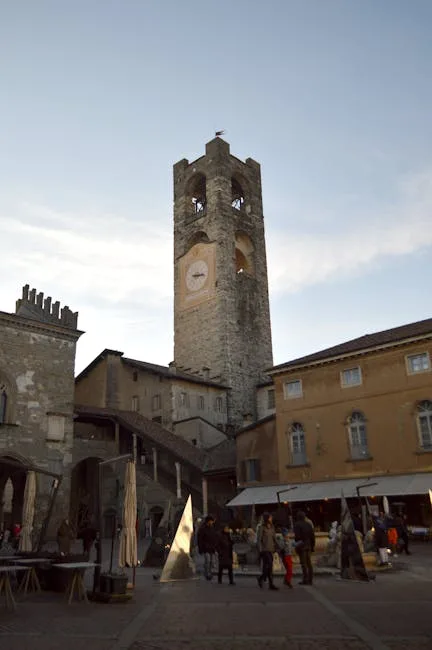
Opening hours and prices: the Cappella Colleoni is generally open to the public from 9:00 to 17:30, with a combined ticket for the basilica and chapel around 4-7 €. The Rocca di Bergamo, a hilltop medieval fortress, offers panoramic views and temporary exhibitions (address: Piazza della Rocca, 24129 Bergamo), typically open 9:00 to 19:00 with an entrance fee of 3-5 €.
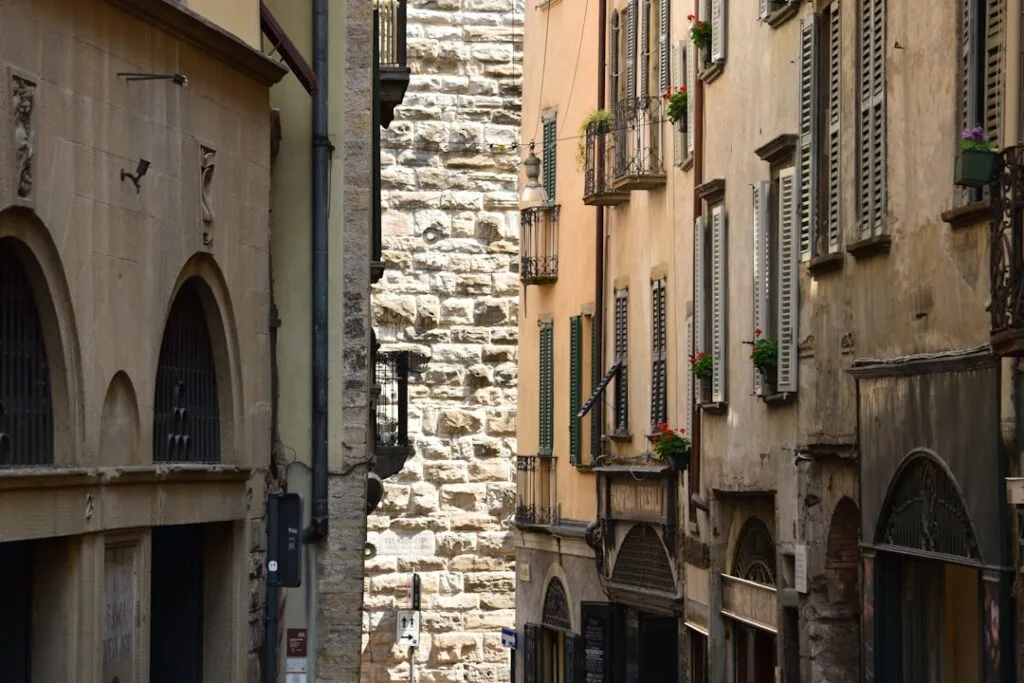
How contemporary aesthetics fit in: small cobbled squares are punctuated by temporary installations — luminous sculptures at night, minimalist benches, theatrical street lighting — that allow a contemporary reading of ancient volumes. Artists’ studios and independent galleries, often housed in restored palaces or outbuildings, reinterpret domestic spaces as exhibition venues. The walk is thus a succession of discoveries: a cloister converted into a gallery, a narrow passage opening onto a city panorama, a Renaissance façade enhanced by a modern light installation.
Visit tips: to make the most of the light, visit the Città Alta during the golden hour (about one hour before sunset): the limestone shifts in tone and volumes dramatize. Be prepared to walk on uneven cobbles — comfortable shoes are essential. Use the historic funicular (lower and upper stations near Porta San Giacomo and Piazza Mercato respectively) to avoid a tiring climb; the ride is short, panoramic and part of the experience.
Local practical tip: favor off‑peak early morning hours to capture the city empty and silent — ideal for photography and architectural observation. Many small cafés in the Città Alta close early — plan a coffee break between 10:00 and 18:00. Finally, check temporary exhibitions held in municipal rooms and churches: they often stage surprising dialogues between contemporary works and religious heritage.
Click here to book a guided tour of the upper town in French
Recommended experiences in Bergamo
Allow 1–2 hours for each listed recreational activity, or budget €30–160 depending on the format chosen. These options favor attention to light and volume, useful for anyone wanting to study Bergamo from a different angle.
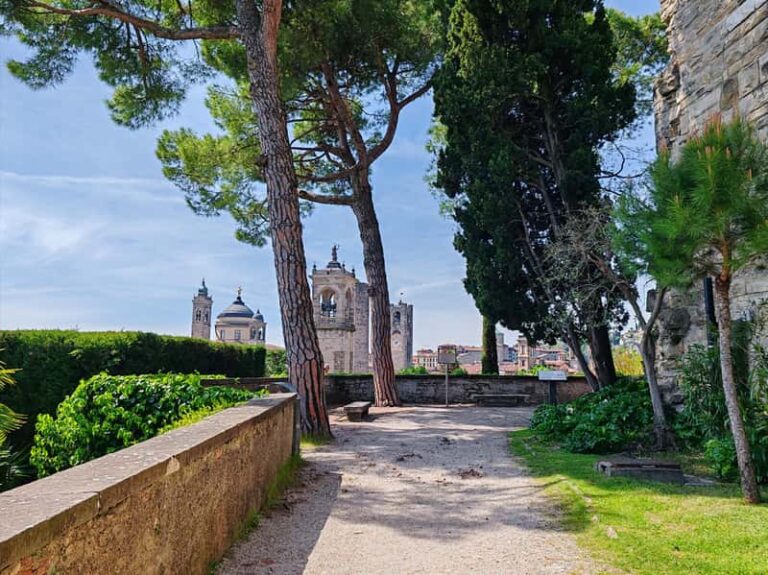
1. French‑language guided tour of the Città Alta
A guided walk in French that places perspectives and panoramas in their historical context — perfect for spotting where light carves façades and medieval squares.
- ⏱️ Duration : 1.5 hours
- 🚩 Meeting point : Piazza Mercato delle Scarpe (funicular exit)
- 💡 Highlight : Historical markers for reading the light staging
- 🗣️ Languages : French
2. Private tuk‑tuk in the Città Alta
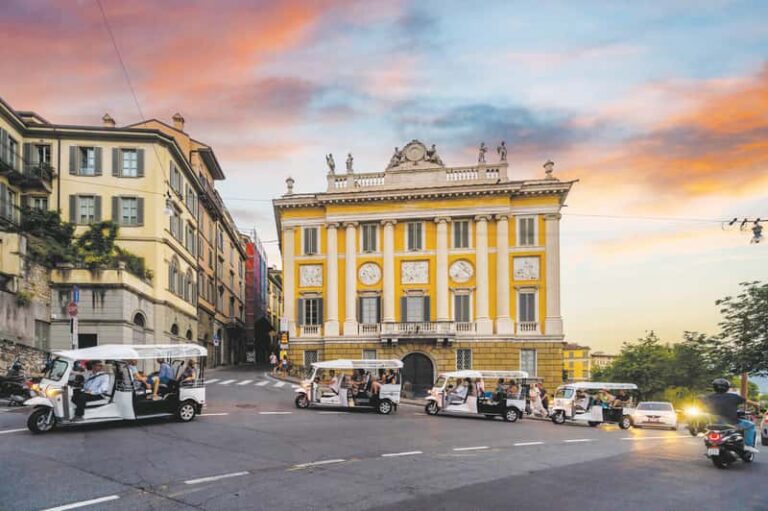
Private, playful tour to quickly reach the ramparts, Venetian gates and corners where shadow and sun reveal the geometry of volumes.
- ⏱️ Duration : 70 minutes
- 👥 Format : Private tour (small group)
- 🚐 Transport : Motorized tuk‑tuk, ideal for limiting walking
- 💡 Highlight : Reaches viewpoints often inaccessible on foot
3. Professional photo session in the upper town
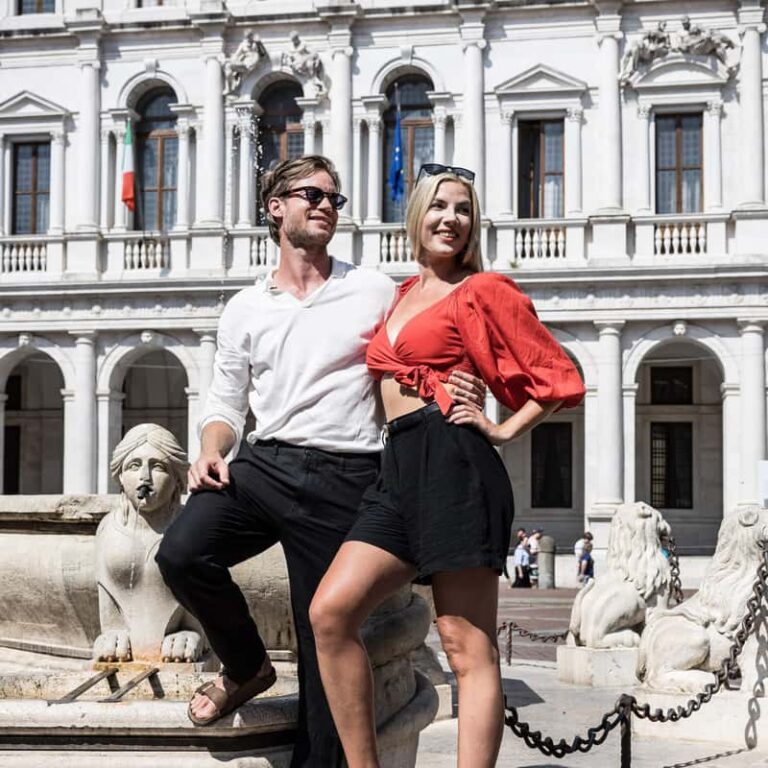
A local photographer guides you to capture raking light and the depth of volumes on the ramparts and alleys; digital images delivered within 48 hours.
- ⏱️ Duration : 1–2 hours
- 🎟️ Included : Retouched digital photos (48 h turnaround)
- ❤️ Ideal for : Couples, travel portraits, portfolios
- 🗣️ Languages : Italian, English
Private spaces and conversions: from industrial depot to artist studio
Bergamo has seen in recent years a wave of conversions of former industrial sites and utility buildings into cultural spaces and artist studios. These often lesser‑publicized places are essential to understanding how artificial light and industrial volumes are reinvented. A typical example: old warehouses turned into shared studios and small self‑run galleries that keep high ceilings, exposed rafters and large industrial windows — elements that offer soft light and impressive interior perspectives. 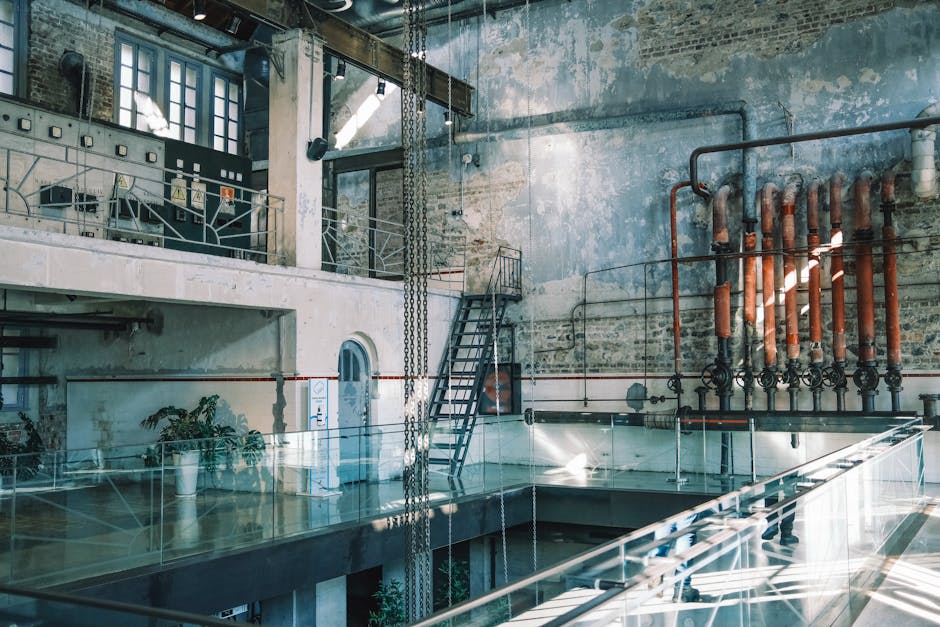
Why these conversions matter: they allow a formal freedom not always offered by heritage institutions. Volumes are used as a canvas: sculptors, experimental architects and sound artists occupy spaces where you can hang, suspend, pierce and recombine. Light — natural through the windows and supplemented by mobile spotlights — becomes a creative tool, adjustable depending on residencies and exhibitions.
Access and visits: many of these studios open their doors during local events like open‑studio days or art trails organized by the municipality. Addresses often vary; it’s recommended to check local social networks (Instagram, collectives’ Facebook pages) for exact locations, opening times and vernissages. Entry is frequently free or by donation; some exhibitions may ask for a small contribution (around 3-5 €).
Practical tips: if you want to talk to the artists, go during vernissages — that’s when they’re most available. Avoid photographing without permission in private studios. For potential buyers, consider transport constraints for bulky items: check packing or delivery options. Finally, if you’re a photographer, ask permission to use extra lighting: most studios welcome creative collaboration.
Light routes: itineraries to see Bergamo in a different light
To really understand the impact of light and volumes in Bergamo, nothing beats thematic routes. I offer here three complementary itineraries — morning, afternoon and night — to capture different moods and sense the harmony between old and contemporary.
Morning — the soft golden light of the Città Alta
Start with sunrise on the Piazza Vecchia then continue to the Cappella Colleoni and the Basilica di Santa Maria Maggiore (Piazza Duomo). The general address for the cathedral: Piazza Duomo, 24129 Bergamo. At dawn the light grazes sculptures and reveals reliefs invisible in full daylight. Grab your coffee at Caffè del Tasso (Via Colleoni 22, 24129 Bergamo) to warm up before you start walking. 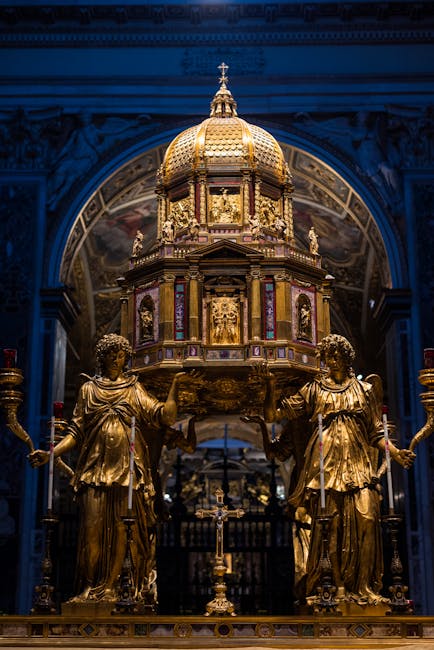
Afternoon — museums and sculpted interiors
Visit GAMeC and the Accademia Carrara in the afternoon: it’s when indoor light combines harmoniously with museum lighting. Take advantage of quiet hours to observe how artificial light highlights textures and pictorial layers. Finish with a break at the Museo Bernareggi if contemporary exhibitions are on.
Night — Bergamo illuminated and volumes staged
At night the city reveals another side: staged public lighting, temporary light installations and artists’ shop windows. Walk along the ramparts and up to the Rocca for illuminated panoramic views. Keep an eye on nocturnal cultural events and light art festivals held occasionally — tickets often range between 5 € and 15 € depending on the program.
Practical tips for routes: bring a camera body that can push ISO without too much noise for night shots, prefer a fast lens (f/2.8 or faster) to capture atmosphere indoors and out. Pack a small headlamp for cobbled alleys if you’re visiting early or late.
Local practical tips and resources to dig deeper
Visiting Bergamo for its contemporary aesthetics takes a bit of planning. Here are concrete recommendations to make your stay easier:
- Tickets and bookings: for GAMeC and the Accademia Carrara, book online to skip the line — especially in high season (April–October). Temporary shows can sell out fast.
- Opening times: most museums open between 10:00 and 10:30 and close between 17:00 and 19:00. Religious services sometimes allow free access to certain chapels outside worship hours; check before entering to respect ceremonies.
- Transport: Bergamo has an efficient local bus network; the funicular to the Città Alta is a must. Taxis and ride-hailing are available, but the narrow streets of the Città Alta often make walking preferable.
- Budget: plan for a daily museum budget of about 15-25 € if you visit several institutions; cafés and restaurants range from 5 € (coffee and a pastry) to 20-35 € for a full bistro meal.
- Best time: spring and autumn offer soft light and pleasant temperatures; winter can be misty, which gives a very dramatic feel to the architectural volumes.
- Language and contacts: many sites offer audio guides in English; museum staff often speak basic English. Carry a few polite Italian phrases — “Buongiorno”, “Per favore”, “Grazie”.
Local resources: check the Bergamo tourist office website (ufficio turistico Comune di Bergamo) for updated hours and events; follow museums on Instagram for openings and vernissages. Also look into art routes run by local associations: they often provide a deep, personal immersion into Bergamo’s contemporary scene.
Conclusion
Bergamo, for those who take the time to look, reveals a thriving contemporary aesthetic where light and volumes constantly answer one another. From major institutions like GAMeC (Via San Tomaso 53) and the Accademia Carrara (Piazza Giacomo Carrara 82) to discreet studios tucked into old industrial buildings, the city offers rich sensory and intellectual experiences. Historic volumes — squares, cloisters, vaults — act as backdrops for modern interventions that reconfigure space and perception: light installations, translucent works, minimalist scenographies exploiting height, low light and shadows to open new readings.
Practically speaking, Bergamo remains an accessible destination: the route logic (morning in the Città Alta, afternoon for museums, night for light shows) helps plan optimal visits. The hours and fees mentioned (GAMeC, Accademia Carrara, Cappella Colleoni, Rocca di Bergamo) are indicative and can change — check online before you go. The advice here — book ahead, bring suitable photo gear, respect rules in private studios — will help you get the most from your stay.
Finally, the core of Bergamo’s contemporary aesthetic lies in its ability to marry past and present, institution and experimentation, stone and light. Whether you’re a traveler chasing striking images, an architecture student or a curious visitor, Bergamo offers a route where every corner, stair and reflection tells a story of balance and transformation. Move slowly, notice the play of shadow and light, and let yourself be surprised by how volumes shift under your feet. Bergamo is not just to be seen: it’s to be felt.