




Introduction: Basilica Santa Maria Maggiore in Bergamo — splendor, history and secrets
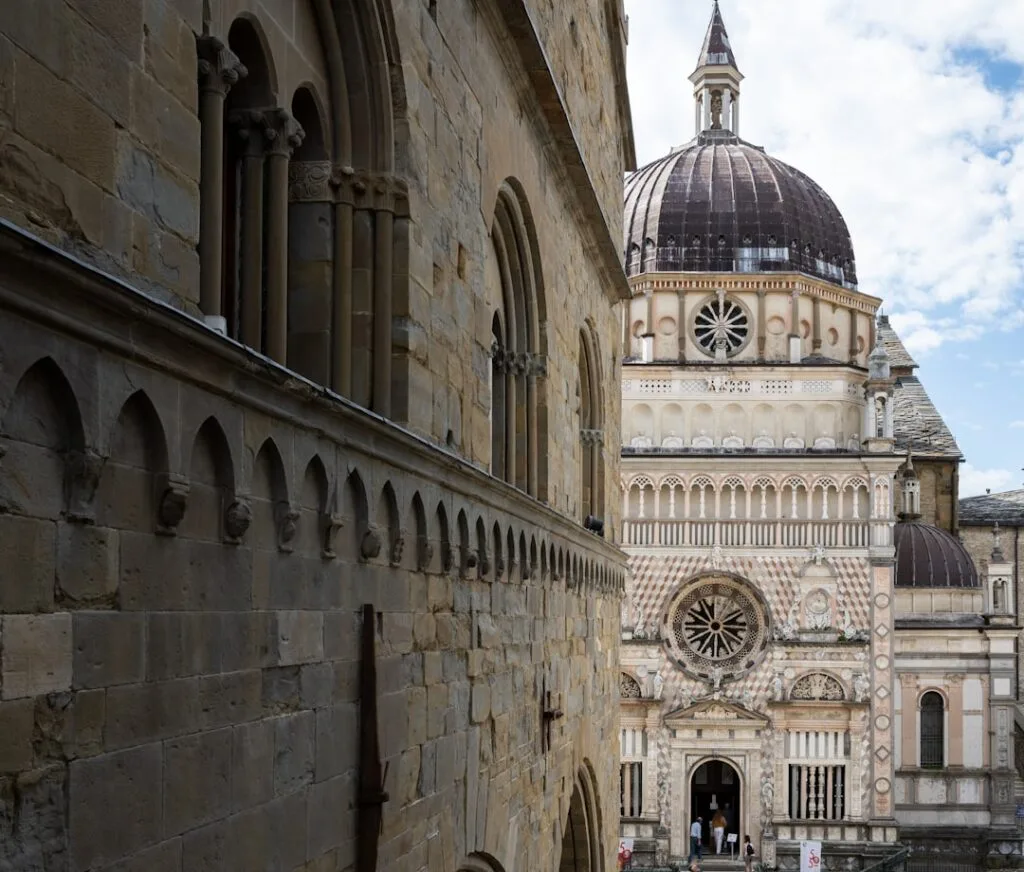
The Basilica di Santa Maria Maggiore, tucked in the heart of Bergamo’s Città Alta, is one of Italy’s most fascinating—and unexpectedly restrained—religious gems. Sitting on Piazza Duomo (exact address: Piazza Duomo, 24129 Bergamo BG, Italy), it shares the square with the imposing Cattedrale di Sant’Alessandro and the ornate Cappella Colleoni, creating a sacred ensemble whose artistic harmony tells centuries of devotion, power and craftsmanship. For today’s visitor, the basilica functions both as a living museum of decorative arts and as an active place of worship—where the intimate and the grand meet.
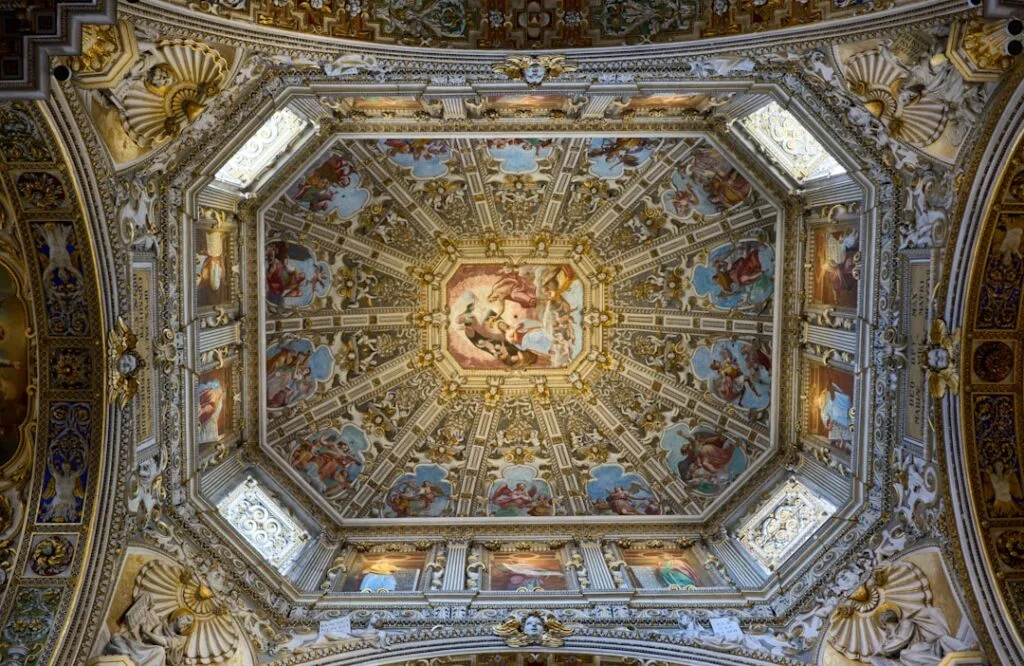
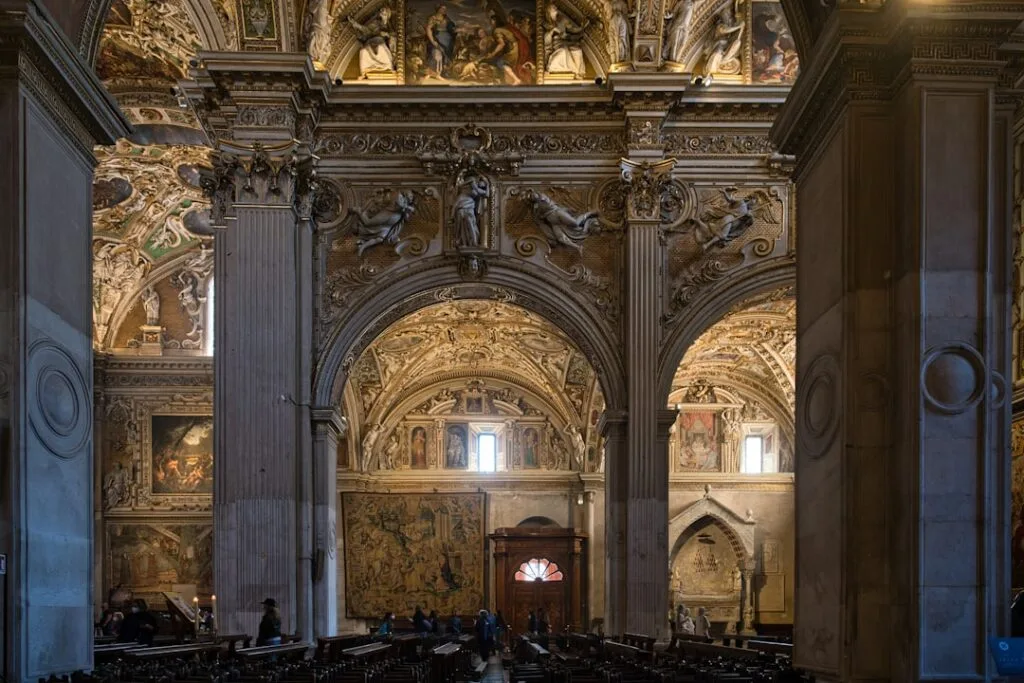
At first glance the exterior may surprise: the building doesn’t present the flashy polychrome façade many expect in Italy, because its true brilliance unfolds inside. Visitors are often struck by the richness of the tapestries and carved wooden stalls, by the mosaics and paintings that cover the walls and choir, and by the special light filtering through discreet windows—revealing details slowly, like leafing through an illuminated manuscript.
This practical guide aims to give you a complete visit plan: history and architecture, must-see works, useful information (opening times, prices in euros, access and transport), local tips to optimize your visit and suggestions to extend your experience nearby. Whether you’re an art lover, a pilgrim, a photographer hunting angles, or simply a curious traveler, you’ll find immersive descriptions and professional recommendations to make the most of your stop at the basilica.
Before diving into the detailed sections, a few essentials in brief: exact address Piazza Duomo, 24129 Bergamo BG, Italy; the basilica is easy to reach on foot from Via Gombito or via the funicular that links the Città Bassa to the Città Alta (Funicolare Bergamo Alta). Entry to the basilica itself is generally free because it is a place of worship, but several adjacent sites (notably the Cappella Colleoni and the Museo del Duomo) require paid tickets. Prices and opening times change periodically: expect roughly €3–€6 for combined tickets to the Duomo monuments, and about €5–€12 for specialized guided tours. These figures are indicative; later sections explain where to buy tickets and how to check schedules for your visit.
History and architecture: from medieval origins to Baroque remodelling
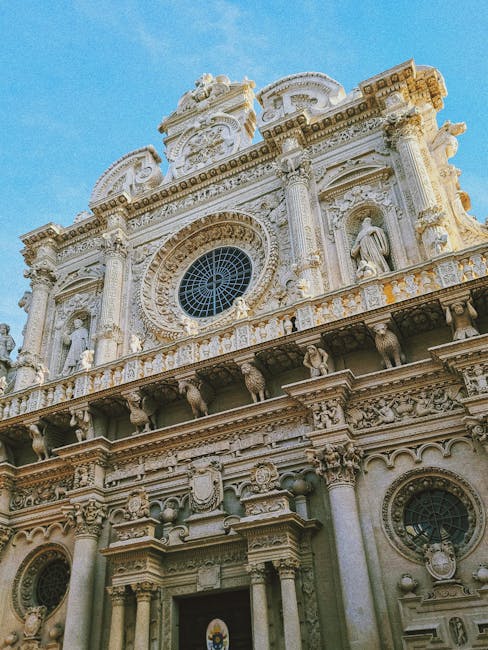
The Basilica di Santa Maria Maggiore holds a layered, complex history, with its most significant rebuild dating to the 11th century, though earlier elements remain. The site was remodeled and enriched over the centuries: medieval initiatives, patronage from Bergamo families, and later Baroque interventions that altered the interior appearance while not erasing the original Romanesque and Lombard structure. This superimposition of eras makes the basilica compelling—each historical layer leaves visible clues, from the geometry of the vaults to later decorative additions.
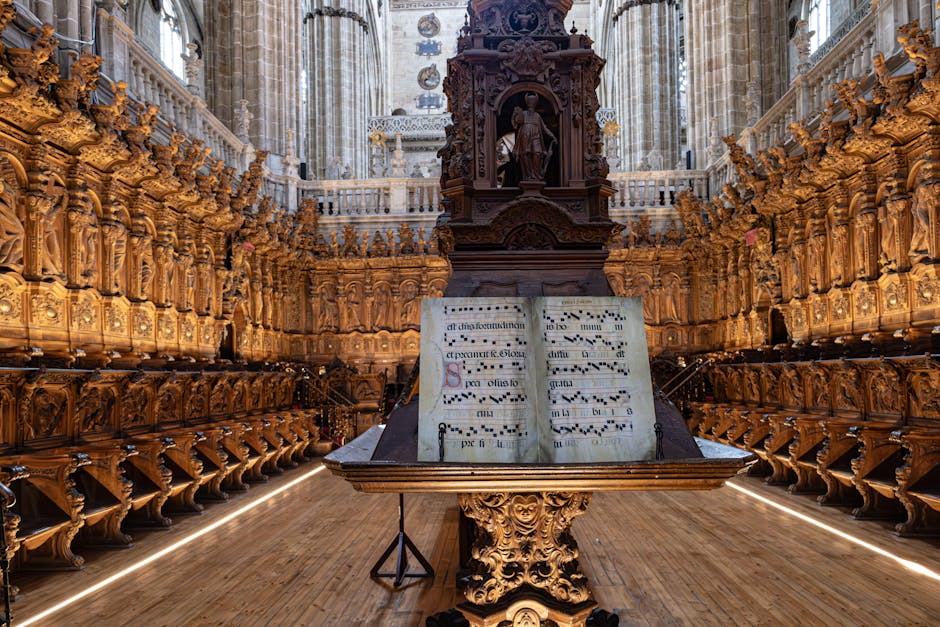
Originally, the basilica responded to growing liturgical needs and the city’s desire to assert its prestige. The choir, basilica plan and bell tower attest to varied construction techniques. Successive restorations had two complementary effects: preserving the structure while adding refined decorative elements—carved woodwork and foliage motifs, stuccoes and an exceptional series of tapestries (some from Flemish workshops). The liturgical furnishings—the lecterns and especially the choir stalls, finely carved and polychromed—are among the most important in northern Italy.
Artistically, the basilica is notable for the abundance of its movable heritage. Unlike many churches where mural painting dominates, at Santa Maria Maggiore tapestries, textiles and particularly joinery celebrate the richness of artisan techniques. The floor sometimes features local marquetry, while some side chapels display pictorial cycles dedicated to local saints and Marian scenes. The interaction between light from the windows and the polychromy of the decorations makes every visit different depending on the hour of the day.
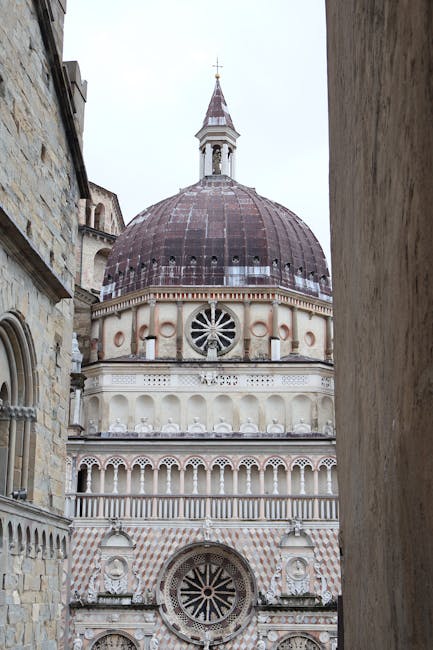
Finally, the relationship with the Cappella Colleoni (directly adjacent) is key to understanding the basilica’s role in Bergamo’s religious urban landscape. The Cappella, with its polychrome marble façade and mannerist Renaissance architecture, provides an external counterpoint that draws the eye, while Santa Maria Maggiore surprises with its internal richness. This duality—an eye-catching exterior versus an opulent interior—makes Piazza Duomo a harmonious ensemble full of contrasts and details to discover.
Major works and highlights: chapels, tapestries, the choir and the treasury
Stepping into the Basilica di Santa Maria Maggiore is like entering a gallery of functional artworks: each piece of furniture, painted panel or tapestry is both an artwork and a witness to historical devotion. Highlights not to miss include:
- The carved choir: The wooden choir stalls (often attributed to local or Lombard masters) depict biblical scenes and finely carved vegetal motifs. The armrests and backs reveal exceptional joinery skill, and the original polychromy—partly restored—gives a sense of the 17th-century visual richness.
- The tapestries: Several Flemish and Italian tapestries adorn the side walls. These textiles, sometimes dated to the 15th–16th centuries, show religious and mythological scenes and were often donated by Bergamo patrons in gratitude.
- The Chapel of the Blessed Sacrament: Home to relics and liturgical objects, this chapel stands out for its sculpted altar and gilding. The basilica’s treasury contains items of goldsmithing, reliquaries and historic vestments—a visit to the Museo del Duomo often allows a deeper look at these collections.
- Paintings and frescoes: Several side chapels preserve pictorial cycles by local and regional masters. While the basilica is not primarily a museum of large-scale paintings, the coherence of the pictorial program reflects the visual theology desired by the patrons.
Another point worth noting is accessibility to the elements: unlike some churches where areas remain closed, at Santa Maria Maggiore visitors can often circulate close to the choir and inspect architectural details up close, which makes the visit especially rewarding for photographers and sacred art specialists. Note, however, that access to the choir may be restricted during services (Mass, Vespers).
Additionally, the immediate proximity of the Cappella Colleoni—exact address: Piazza Duomo, 24129 Bergamo BG—and the Museo del Duomo (under the piazza arcades) makes for a very comprehensive combined visit. Visitors can buy combined tickets at the museum desk or at the Città Alta tourist information office. Typical combined tickets include entrance to the Cappella Colleoni, the Museo del Duomo and sometimes the baptistery: expect an indicative price of €3.50 to €5.00 for the standard combined entry (check rates at the time of your visit).
Practical visit info: opening times, prices, access, guided tours and photography tips
To plan your visit to the Basilica di Santa Maria Maggiore, it’s useful to know the practical details: opening hours, admission and how to get there. This guide reflects information current at the time of writing; keep in mind hours may vary with seasons, public holidays and liturgical celebrations.
- Address: Basilica di Santa Maria Maggiore, Piazza Duomo, 24129 Bergamo BG, Italy.
- Typical opening times: The basilica is usually open daily for prayer and visitation. Typical hours: 07:30 – 12:30 and 14:30 – 18:30. In high season (April–October) opening hours may extend to 19:00. Religious services take precedence and some areas may be closed during ceremonies.
- Admission: Access to the basilica as a place of worship is generally free. However, entry to the Cappella Colleoni and the Museo del Duomo is ticketed. Indicative fares: combined entry Cappella Colleoni + Museo del Duomo + Baptistery ≈ €3.50 (reduced ≈ €2.00 for students/young people); specialized guided tours ≈ €5–€12 per person depending on length and language. Organized groups may require booking and a licensed guide (additional fees).
- Where to buy tickets: Tickets can be purchased at the Museo del Duomo desk on Piazza Duomo, or at the Città Alta tourist information point (IAT Bergamo Alta). There is sometimes an option to reserve online via the official Museo delle storie di Bergamo site or through local tourist platforms.
- Getting there: From the Città Bassa, take the funicular Funicolare Città Bassa–Città Alta (station Piazza Mercato delle Scarpe) to reach the Città Alta quickly. On foot, allow 15–25 minutes from Bergamo train station depending on your starting point. Lower funicular address: Viale Vittorio Emanuele II, 24121 Bergamo.
- Public transport: ATB city buses serve the outer parts of the Città Alta; the walk from the final stop to Piazza Duomo is short but uphill. For drivers, parking inside the Città Alta is limited; it’s best to leave your car in peripheral lots (e.g., Parking San Giacomo, Viale Vittorio Emanuele II) and reach the hill by funicular or on foot.
Photography tips: the basilica offers splendid photo opportunities, but always follow the rules of silence and discretion. The best times to photograph the interior with fewer crowds are early morning (at opening) and late afternoon, when raking light highlights the tesserae, tapestries and woodwork. Flash is often prohibited—use higher ISO settings and a discreet tripod if allowed (check on-site). For exterior shots, Piazza Duomo and the walk up to the Rocca provide panoramic views of the whole sacred complex.
Around the basilica: Città Alta, Il Campanone, the Duomo and recommended spots
A visit to the Basilica di Santa Maria Maggiore fits perfectly into a half-day or full-day exploration of Bergamo’s Città Alta. Here’s a suggested route and nearby places not to miss.
- Piazza Duomo: The square that hosts the basilica is a splendid urban salon, surrounded by the Cappella Colleoni (Piazza Duomo, 24129 Bergamo BG), the Cattedrale di Sant’Alessandro and the museums. Take time to admire the Cappella Colleoni’s polychrome marble façade and sculptural details.
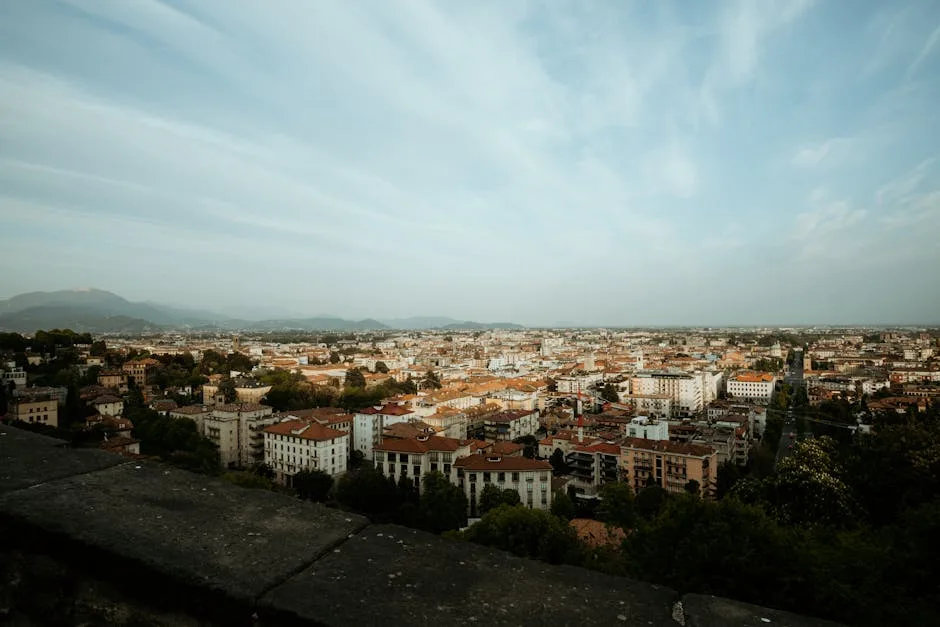
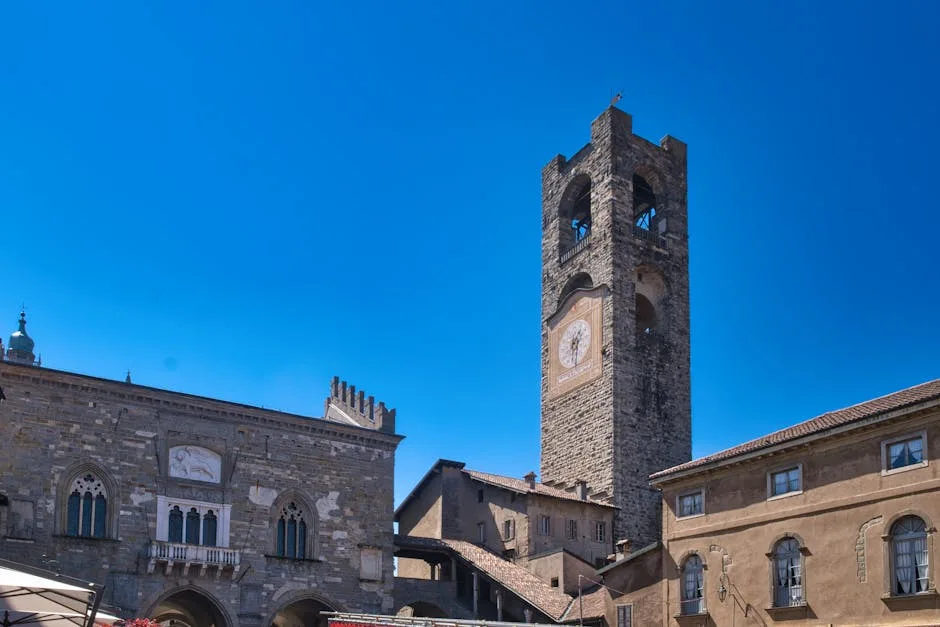
- Il Campanone (Civic Tower): The civic tower overlooks Piazza Vecchia. Address: Piazza Vecchia, 24129 Bergamo BG. Climbing it offers exceptional views over the Città Alta rooftops and the Bergamo plain; indicative fee ≈ €4–€6.
- Piazza Vecchia and Biblioteca Angelo Mai: A short stroll away, the library houses precious manuscripts and the square itself is a lovely spot to enjoy a coffee.
- Restaurants and cafés: For lunch or a coffee break, try Ristorante Da Mimmo (Via Bartolomeo Colleoni, 5, 24129 Bergamo BG) for regional dishes, or Trattoria Caprese (Via Donizetti, 5, 24129 Bergamo BG) for pizza and local specialities. Expect main dish prices between €12 and €25 per person depending on the venue.
- Walk along the walls: The promenade along the old Venetian walls offers superb views over the lower town and the Alps. It’s ideal at sunset.
Local tips: avoid peak tourist hours if you can (10:30–15:30). If you want to attend Mass, check schedules in advance (parish Mass often takes place Sunday morning). For souvenirs and local crafts, the lanes around Piazza Mercato and Via Gombito are full of small shops—try the local specialties like polenta taragna and regional cheeses.
Conservation, accessibility and respectful behaviour tips
Visiting a historic and religious site like the Basilica di Santa Maria Maggiore means following rules that protect both the heritage and the feelings of worshippers. Here are practical recommendations and etiquette pointers:
- Dress code: Churches typically require modest attire: shoulders covered and trousers or skirts of appropriate length. Avoid swimwear, very short shorts or tank tops.
- Silence and reverence: Keep noise to a minimum, especially during services. Avoid loud conversations, phone calls and eating inside the sacred space.
- Protect the artworks: Do not touch textiles, sculptures or furniture. Many objects are ancient and fragile and can be damaged by oils or humidity from hands.
- Accessibility: The Città Alta is paved and hilly; some areas of the basilica may be hard to reach for visitors with reduced mobility. Ask the Museo del Duomo desk in advance about access options (lifts, ramps, assisted visits).
- Photography: Non-flash photography for personal use is often allowed, but check the signs at the entrance. Tripods and professional equipment may require authorization.
- Conservation: Don’t bring food bags, open bottles or anything that could damage fabrics and paintings. Nearby museums offer cloakroom services if needed.
Finally, if you want to deepen your knowledge or book a themed visit (organ history, tapestry conservation, medieval architecture), contact the Città Alta tourist information point or the Museo del Duomo: qualified local guides offer tours on reservation in multiple languages, usually at reasonable rates (from €5 to €20 depending on the offer).
Last-minute practical info
- Città Alta tourist information point: Piazza Vecchia, 24129 Bergamo BG. Opening times vary seasonally (often 09:00–18:00).
- Group bookings contact: Museo del Duomo, Piazza Duomo, 24129 Bergamo BG — check the official site or call for reservations (phone number available on the Bergamo municipality’s official site).
- Best time to visit: Spring (April–June) and early autumn (September–October) for soft light and fewer crowds.
Conclusion: why the Basilica di Santa Maria Maggiore deserves your visit
The Basilica di Santa Maria Maggiore in Bergamo is more than a church: it’s a jewel box where art, memory and the living liturgical life of a historic city converge. Its interior richness—carved woodwork, rare tapestries, an impressive choir and precious liturgical objects—offers a full emotional and intellectual experience. Unlike monuments whose appeal is immediate and surface-level, the basilica asks visitors for time—to observe, to understand and to appreciate the meticulous details, the layering of styles and the continuity of devotion.
Visiting Santa Maria Maggiore also immerses you in the urban logic of the Città Alta: you move from square to square, monument to monument, sensing how each building contributes to Bergamo’s identity. Combined with the Cappella Colleoni and the Museo del Duomo, the visit becomes a comprehensive journey through architecture, sculpture, textiles and goldsmithing. For travelers mindful of preserving places like this, the basilica teaches the value of conservation: respecting rules, supporting local museums by buying tickets and choosing local guides helps keep these treasures for future generations.
Practically speaking, allow at least one hour for the basilica itself and an additional hour if you plan to visit the Cappella Colleoni and the Museo del Duomo. Pair your visit with a walk on the walls, a coffee in Piazza Vecchia and a typical meal for a full immersion. And remember: the best way to discover the many faces of Santa Maria Maggiore is to return at different times of day—the light changes, details awaken, and each visit reveals something new.
Whether you’re an art enthusiast, a history buff or simply seeking a place of calm and beauty, the Basilica di Santa Maria Maggiore in Bergamo awaits—ready to reveal its splendors and, for those who look closely, its mysteries.