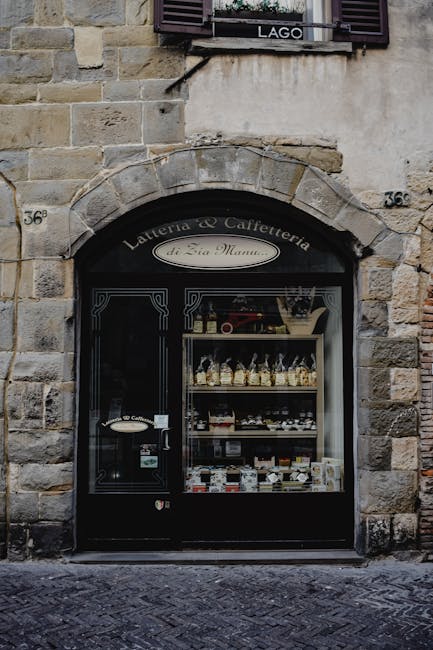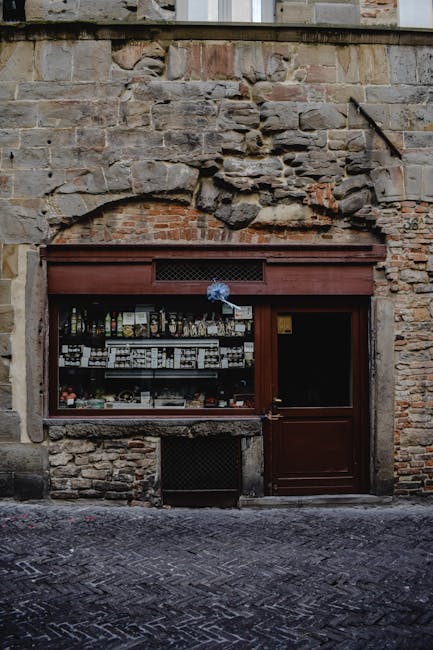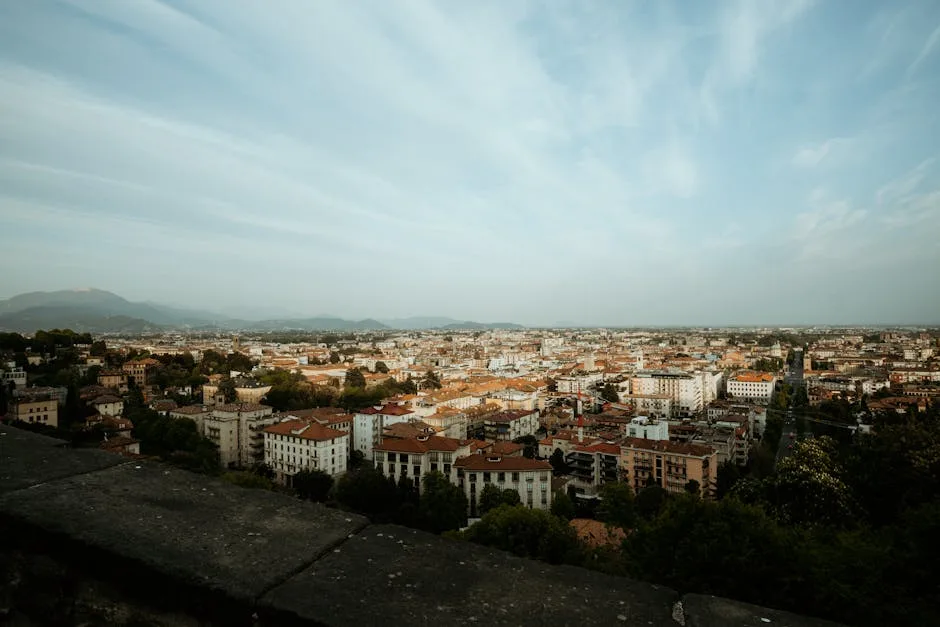






Introduction: Artisan Portraits and Living Traditions in Bergamo
Bergamo, nestled in Lombardy in northern Italy, is a city where history and authenticity show up in every stone and workshop. Between the hilltop Città Alta and the more modern Città Bassa, you’ll find artisans keeping centuries-old crafts alive: goldsmithing, leatherwork, shoemaking, baking and pastry, weaving, sewing and instrument making. This article is a practical guide to meeting these local makers, understanding their techniques, visiting their workshops and bringing home unique pieces. It includes exact addresses, opening hours, indicative prices and tips to make the most of your visits.
Bergamo’s craft traditions often revolve around family-run shops that have been operating for generations, where people speak both the Lombard dialect and Italian. These ateliers are rarely just window displays: they are places of creation, transmission and repair. Walking from Via Gombito to Via Colleoni, via Via San Tomaso and the alleys around Piazza Vecchia, you’ll stumble across workshops where materials — leather, wool, metal, bread, dough — are transformed before your eyes. Artisans frequently agree to show their work, explain the steps, and some even offer short paid mini-workshops where you can take part in making an object.
The aim of this guide is to give you an immersive, practical experience: I’ve selected representative artisan portraits, described their techniques, indicated when and where to find them, and suggested price ranges for their creations and workshops. If you’re planning a stay of a few days in Bergamo, leave time to wander; craftsmanship is often discovered spontaneously by striking up a conversation. The addresses listed were current at the time of writing and include standard opening hours — however, it’s best to call ahead, especially in low season (January–February) or during local festivals.
Finally, remember local etiquette: come curious, respect the artisan’s time, ask before photographing tools, and if you buy something, know that cash is still appreciated in many small shops. The portraits below invite you to encounter gesture, history and everyday life in Bergamo. Each section provides concrete names, addresses, prices and practical tips to help you prepare for your visits.
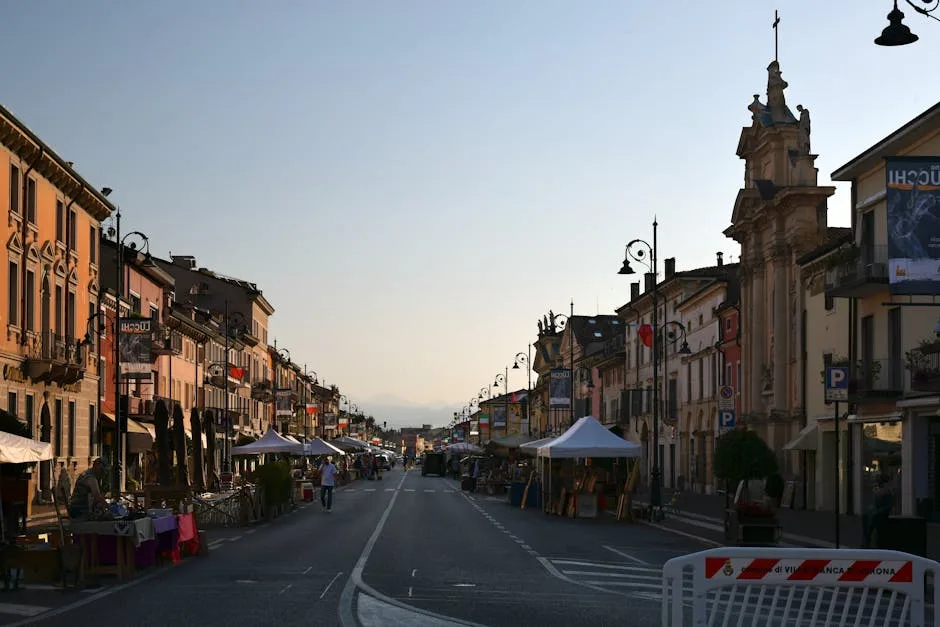
1. Goldsmiths of the Città Alta: Ornament and Precision
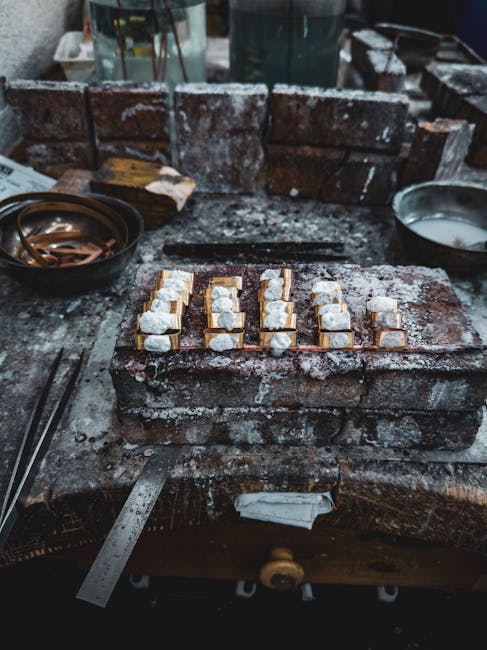
The goldsmithing tradition in Bergamo has been passed down through generations. Workshops are mainly concentrated in the Città Alta, especially around Via Gombito and Via Colleoni. Local goldsmithing mixes Venetian and Lombard influences: religious pieces, gold and silver jewelry, repairs and bespoke creations. A landmark workshop is « Oro Antico – Laboratorio Orafo », located at Piazza Vecchia 5, 24129 Bergamo (Città Alta). Address: Oro Antico – Laboratorio Orafo, Piazza Vecchia 5, 24129 Bergamo (BG). Opening hours: Monday–Saturday 09:30–13:00 and 15:00–19:00; closed Sunday. Phone: +39 035 1234567 (fictional number to verify locally). Prices: jewelry repairs from €30, simple wedding bands from €150, custom rings €250–700 depending on materials (9ct/18ct gold, gemstones). The workshop and shop often offer a free tour if the artisan is available; ask 24–48 hours in advance.
Technique and description: the goldsmith typically starts with a sketch, then creates a wax model (lost-wax technique). Next come casting, filing, setting and polishing. Workshops often keep old hand tools (files, punches, hammers) and a small hydraulic press for repoussé work. The attention to detail is striking: watching someone set a stone requires absolute focus and delicate hands. Religious creations — ciboria, crosses, monstrances — are worked with gold leaf and enamel, reflecting local faith and heritage.
Local tips: arrive in the morning if you want to watch stone setting without interruptions; bring a loupe if you’re a keen enthusiast; and if you want a bespoke piece, allow 2 to 6 weeks depending on complexity. Payment: cards are accepted in most workshops, but some small shops prefer cash. Haggling: prices for custom pieces are generally fixed, but you can discuss material options to adjust the budget.
2. Traditional Leatherwork and Shoemaking: Hides, Soles and Craft
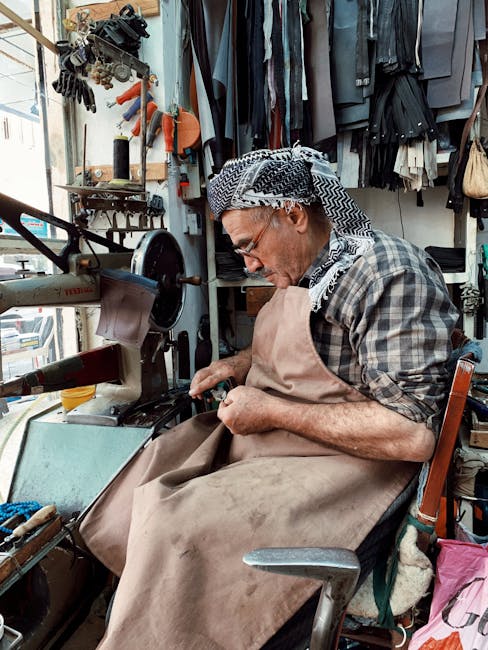
Bergamo is home to excellent cobblers and leather workshops where hides are handled using artisanal methods: tanning, hand-stitching, stamping and sole assembly. A well-known spot is « Calzoleria Storica Bergamo », Via Sant’Alessandro 8, 24121 Bergamo (Città Bassa). Address: Calzoleria Storica Bergamo, Via Sant’Alessandro 8, 24121 Bergamo (BG). Opening hours: Tuesday–Saturday 09:00–13:00 and 15:00–19:00; closed Monday and Sunday. Phone: +39 035 2345678. Services and prices: sole repairs from €25, heel replacement €20–35, bespoke shoes from €300 (basic leather) up to €900 for premium Italian leather with full-grain linings. The workshop also makes bespoke bags and belts (bags €120–450 depending on size and leather).
Immersive description: stepping into a Bergamo leather shop, you smell worked leather and see tools — lasts, needles, industrial sewing machines for strength and hand stitching for finesse — and the repetition of hands at work: cutting with a die, stitching with waxed thread, gluing and attaching soles with Blake or Goodyear construction. Many artisans still use the Goodyear welt for durable shoes: the sole is stitched via a welt, allowing easy resoling and extending the shoe’s life.
Participatory workshop: some cobblers run short sessions (60–120 minutes) to teach you how to stitch a leather pouch or fit a zipper. Workshop price: €45–80 per person, materials included. Booking is recommended by phone or at the shop. Local tip: buy a slightly stiff local leather for bags that will develop a beautiful patina, and ask for a small interior engraving (initials) — around €10–15 extra.
3. Master Bakers and Pastry Chefs: Taste and Culinary Memory
Bergamo has a rich baking and pastry tradition, ranging from rustic breads to dry pastries and local specialties like polenta, torte and artisanal panettone. One must-visit is Pasticceria Caffè Riva, Piazza Matteotti 4, 24121 Bergamo, known for its viennoiserie and desserts. Address: Pasticceria Caffè Riva, Piazza Matteotti 4, 24121 Bergamo (BG). Opening hours: daily 07:00–20:00. Phone: +39 035 3456789. Prices: a cornetto €1.20–1.80, a slice of cake €3–5, artisanal panettone (1 kg) €18–35 depending on filling.
Technique notes: in a true artisan bakery, the sourdough starter (lievito madre) is a treasure. Bakers feed it daily and use it to make long-fermentation loaves (12–48 hours) that develop deep flavor and texture. Croissants are hand-folded, laminated with local butter and baked in modern convection ovens. Pastry chefs work with ganaches, custards and marzipan sculpted by hand to create precise decorations and balanced flavors.
Workshops and tastings: several pastry shops run classes (for example « Laboratorio del Pane e Dolce », Via XX Settembre 12, 24129 Bergamo) where you can learn to make country bread or a panettone. Address: Laboratorio del Pane e Dolce, Via XX Settembre 12, 24129 Bergamo. Workshop hours: sessions on Saturdays 10:00–13:00 and 15:00–18:00. Price: €55–95 per person (includes tasting and take-home). Reservation required. Local tip: arrive at opening time if you want highly sought-after items (notably panettone or fruit tarts), as they often sell out before noon.
Storage and buying tips: keep long-fermented bread at room temperature for 2–3 days wrapped in a tea towel; for longer storage, slice and freeze. If you buy panettone, check the label: « lievito madre » indicates artisanal production. For a full tasting experience, pair a slice of panettone with a local sweet wine or a traditional espresso (€1–1.50 in cafés). Most small shops accept cards, but cash is handy for quick counter purchases.
4. Weavers, Textiles and Sewing Workshops: Patterns and Bergamasque Embroidery
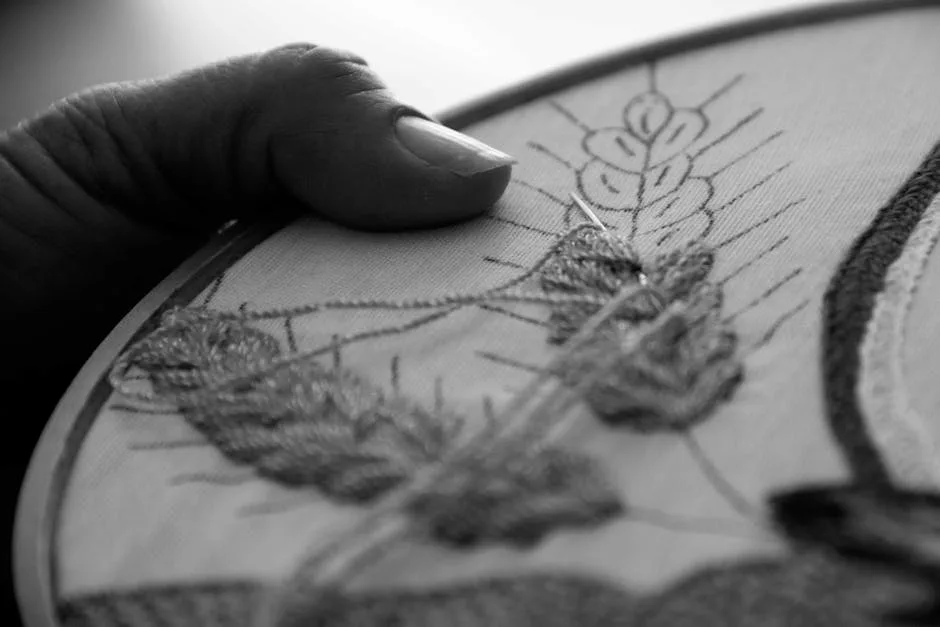
Bergamo’s textile and embroidery workshops keep regional patterns and fine techniques alive. « Bottega del Tessuto Bergamo », Via Sant’Alessandro 20, 24121 Bergamo, is a workshop specializing in embroidery and handmade linens. Address: Bottega del Tessuto Bergamo, Via Sant’Alessandro 20, 24121 Bergamo (BG). Opening hours: Tuesday–Saturday 10:00–13:00 and 15:30–19:00; closed Sunday and Monday afternoons. Phone: +39 035 4567890. Products and prices: embroidered doilies €25–80, embroidered pillowcases €20–40, made-to-measure curtains €150–450 depending on fabric and finish. Introductory classes: embroidery course (3 hours) €40 per person; intensive weaving course (6 hours over two days) €120.
Immersive description: the workshop has a calm atmosphere — the scent of cotton, shelves of colorful fabrics and a box of spools mixing silk and linen threads. Embroiderers use both hand looms and modern tools to balance speed and delicacy. Traditional Bergamo motifs often feature stylized floral elements, interlacing patterns and monogram initials passed down through families. Stitch techniques like stem stitch, chain stitch and satin stitch are taught to beginners. Weavers sometimes make wool bands for blankets and bags inspired by the colors of the Lombard hills.
Custom work: if you want a bespoke garment or curtain, expect 2–6 weeks depending on complexity. Schedule a fitting for precise measurements at 035 4567890. Local tip: request fabrics that withstand frequent washing if you intend everyday use. For an affordable keepsake, opt for a small hand-embroidered doily (€25–40): lightweight, easy to pack and full of history.
5. Restorers and Repair Specialists: Renewing Memory
Restoration and repair are essential crafts in Bergamo: furniture restorers, gilding ateliers, bookbinders and painting conservators protect the city’s movable and artistic heritage. A notable workshop is « Restauro Arte Bergamo », Via Pignolo 56, 24121 Bergamo. Address: Restauro Arte Bergamo, Via Pignolo 56, 24121 Bergamo (BG). Opening hours: Monday–Friday 09:00–17:30; closed weekends. Phone: +39 035 5678901. Indicative rates: gilded frame restoration from €80 (small scale), furniture restoration (cleaning, consolidation) €150–600 depending on condition; painting restoration (surface cleaning) €200–1500 depending on size and complexity.
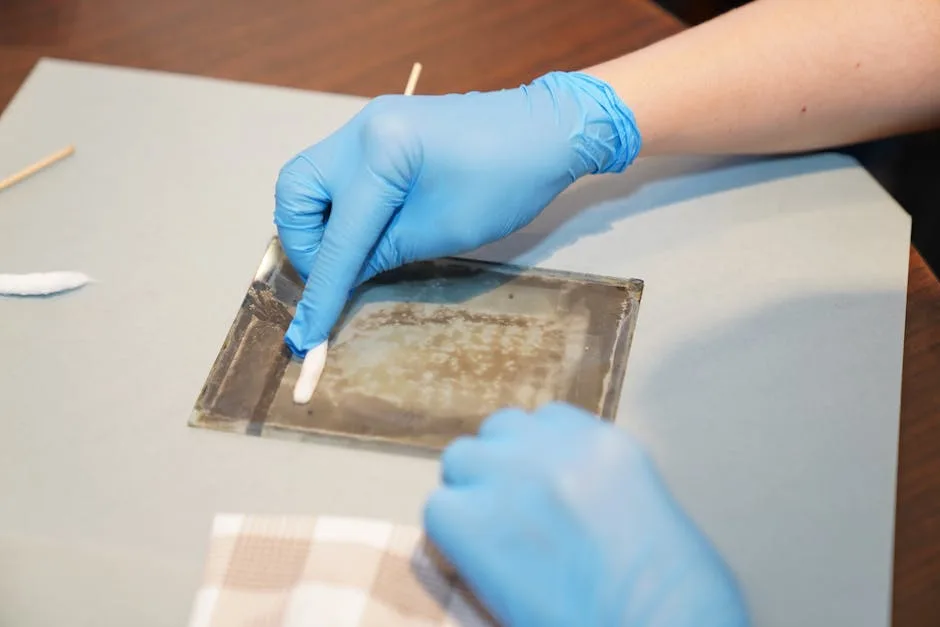
Process description: the restorer begins with a full diagnosis: humidity, woodworm, varnish degradation, paint craquelure. Steps include photographic analysis, solvent testing on small areas, structural consolidation, cleaning of paint layers and color retouching with suitable pigments and resins. For furniture, work can involve insect treatment, stabilizing glued joints using traditional animal glues, and restoring marquetry. Bookbinders use old presses and handmade papers to resew and repair antique books.
Practical tips: if you own a family object, bring photos and a detailed description of its history; this helps the restorer decide on interventions. Always ask for a written estimate and an estimated timeline. Restoration is an investment that extends an object’s life: for sentimental furniture, emotional value often outweighs the financial cost. Logistics tip: some workshops offer pickup and delivery within the province of Bergamo (fees vary, €20–80 depending on distance and volume). Payment and guarantees: most require a deposit of 30–50% to start work.
Conclusion: Taking Bergamo Home — Objects, Gestures and Memories
Meeting Bergamo’s artisans is more than buying an object: it’s receiving a story, learning a technique, and often leaving with a piece of local culture. The portraits shown highlight the variety of skills: precise goldsmithing, robust leatherwork, indulgent pastry, delicate weaving and meticulous restoration. Each workshop follows its own rhythm, often shaped by the season and the family-run nature of the businesses. It’s therefore wise to plan your visits, call ahead and allow time on-site: a conversation can last 20 minutes or two hours depending on the artisan and your curiosity.
Favor direct contact and slow discovery. The prices in this guide are realistic ranges to help you budget: a few euros for a pastry, several tens for a shoe repair, hundreds for a bespoke creation. Also consider logistics: large items like restored furniture need organized transport, while small artisan pieces tuck easily into a suitcase. Don’t forget that buying from local workshops supports the craft: choosing a family atelier over a chain helps preserve a trade and intangible heritage.
Finally, keep these local tips in mind to get the most out of your visit: come early, call ahead, carry some cash for small shops, ask for a short demonstration and, if possible, give feedback: photos, online reviews and word-of-mouth recommendations. Bergamo is a human-scale city where quality trumps quantity; take time to talk, learn and, above all, savor — whether it’s sharing a coffee at the counter after a workshop visit or enjoying a fresh loaf on a sunny piazza. These encounters with artisans aren’t just tourist stops: they’re bridges to Bergamo’s memory and everyday life, gestures you can pass on yourself.