





Introduction — Bold restorations: old buildings, new uses in Bergamo
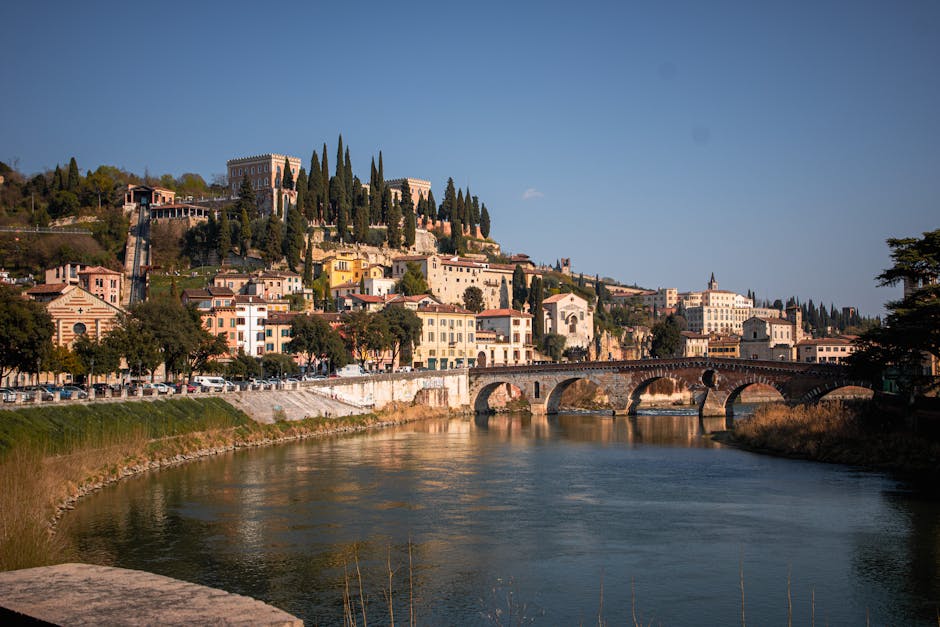
Bergamo, a Lombard city tucked between the plains and the Prealps, is a living laboratory of daring restorations. Here, the past isn’t frozen — it’s reinvented. The walls of the Città Alta whisper medieval tales, the neoclassical palaces in the Città Bassa now host contemporary cultural venues, and old barracks, hospitals and convents have found second lives as museums, artist studios, libraries and cafés where the community gathers. This urban trend, driven by the municipality, private foundations and cultural entrepreneurs, shows how Bergamo balances heritage preservation with contemporary needs while keeping the architectural identity that gives the city its charm.
In this article we’ll walk through several prominent and lesser-known projects: the modernization of the Accademia Carrara, the rebirth of former convents turned cultural residences, the reuse of industrial brownfields near Borgo Santa Caterina and the conversion of Venetian fortifications into public promenades. Each example includes practical details — exact addresses, opening hours, prices in euros — as well as immersive descriptions to help you picture the atmosphere. We’ll focus on how these projects handle technical and heritage constraints: work on stone structures, integration of modern comforts (heating, lighting, accessibility) and a respectful dialogue between new and old.
Rehabilitations in Bergamo are more than architectural projects; they’re catalysts for local life. An old barracks becomes an incubator for culinary start-ups; a hospice turns into a community library open to families; a textile factory hosts contemporary art shows and creative markets on weekends. For each site we’ll share practical tips (best times to visit, transport, online tickets, accessibility for people with reduced mobility) so you can plan a thoughtful, efficient exploration. Expect walks that mix cobbles, views over red-tiled roofs, restored wood-paneled rooms and new terraces where you can enjoy a Bergamo-style coffee.
Finally, we’ll touch on the local philosophy: preserving the soul of buildings while giving them contemporary uses that meet social and cultural needs. The success of these transformations often comes from a mix of technical expertise, public-private investment and civic engagement. In Bergamo, rehabilitating a place means letting it tell the story of the past while writing the one for the present. Get ready to discover specific addresses, must-see spots and hidden gems that reveal a city that knows how to value its heritage without turning it into a museum.
Accademia Carrara and the former Manifattura: art, restoration and public spaces
The Accademia Carrara di Belle Arti di Bergamo, located at Piazza Giacomo Carrara 82, 24121 Bergamo BG, is one of the clearest examples of how a historic building can be modernized without losing its soul. Restored and reconfigured to host both classical collections and contemporary temporary exhibitions, the Accademia offers an immersion into Italian painting (from Bellini to Canaletto) while presenting contemporary museography. Opening hours: generally Tuesday to Sunday, 9:30 AM–7:30 PM, closed Monday; always check for exceptional closures: +39 035 270 272. Indicative prices: adult ticket around €10 (reduced €7 for students and seniors), occasional free admission for children and special events. Booking online is recommended during high season.
 Click here to book a guided tour of the upper town
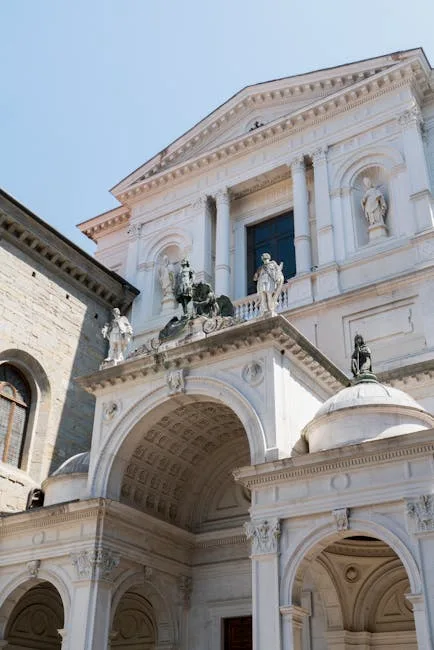
A short stroll away, the former Manifattura Tabacchi (located via Broseta 85 / area of Borgo Santa Caterina) shows how an industrial site can be converted into a cultural and creative hub. The space has been turned into artists’ studios, exhibition rooms and co-working areas while retaining industrial features — metal trusses, large factory windows, patinated concrete floors — that tell the site’s working-class story. Opening hours vary by activity; many studios open during heritage days or local cultural events. Public spaces are free to enter; workshops are paid (€20–50 depending on duration).
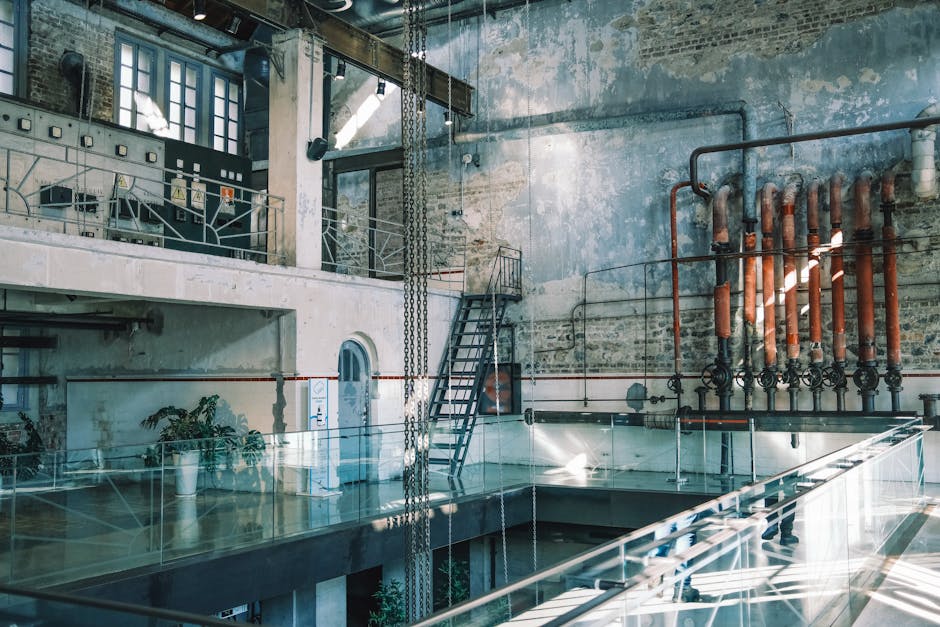
Practical tips: to make the most of a visit to the Accademia and the surrounding rehabilitated spaces, start early to avoid crowds, especially between April and October. Wear comfortable shoes — old floors can be uneven — and bring a light jacket: museum rooms are sometimes kept cool for conservation. If you’re traveling by train, Bergamo station (Piazza Guglielmo Marconi, 24121) is a short bus or taxi ride away; city buses no. 1 and no. 6 serve nearby neighborhoods. For visitors with reduced mobility, the Accademia has adapted access; the Manifattura may offer partial access depending on the section — check ahead.
Converted convents: from Sant’Agostino to the Biblioteca Civica Angelo Mai
Another notable trend is the re-purposing of religious buildings. The former convent of Sant’Agostino is emblematic of conversions into cultural and residential uses. Located in the Città Alta, via Sant’Alessandro 1 (approximate address for orientation), the old cloister preserves arcades and restored frescoes that now coexist with modern functions: artists’ residences, restoration workshops and temporary exhibition halls. Exhibition times vary by program; some areas are open during exhibitions and guided tours (entry €5–12 depending on the event).
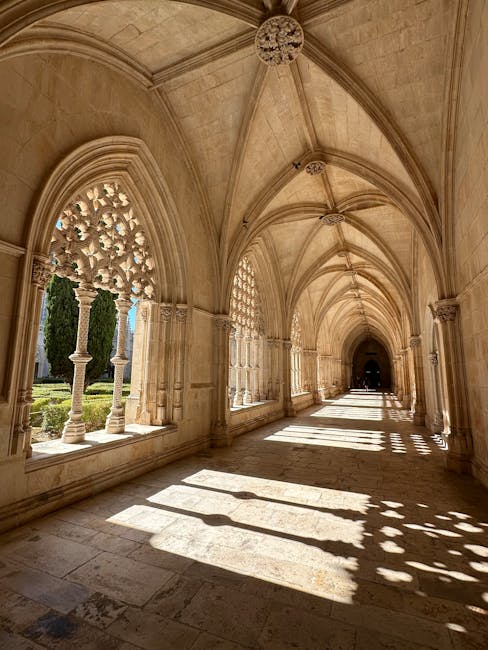
The Biblioteca Civica Angelo Mai (Piazza Vecchia 2 / via S. Lorenzo, Bergamo Alta) is another successful rehabilitation. Housed in carefully renovated historic buildings, the library combines heritage collections (manuscripts, incunabula) with contemporary reading and collaborative workspaces. Usual opening hours: Tuesday to Saturday, 9:00 AM–6:00 PM; closed Monday; contact +39 035 286 333 to confirm. Entry to the library is generally free, but consulting rare documents may require registration and an appointment. Themed guided tours are often offered (fees €3–8).
These conversions raise delicate questions about balance: how to respect historical sanctity while making places lively and accessible. Interventions in Bergamo stand out for meticulous restorations — vault reinforcement, anti-moisture treatments, decorative restitution — combined with discreet additions of contemporary facilities (lifts, accessible restrooms, low-impact LED lighting). For visitors, the experience is twofold: admire the imprint of history in a calm atmosphere, then enjoy a coffee or an exhibition in spaces reintegrated into everyday life.
Practical tips: check guided tour schedules in advance — they’re often offered in Italian and English; bring ID for access to certain archival collections; respect zones marked as sensitive for conservation. Cafés and bookshops housed in these buildings often sell local publications and facsimile editions — great cultural souvenirs.
Click here to buy a ticket for Palazzo Moroni
Fortifications, theaters and former barracks: public uses and performances
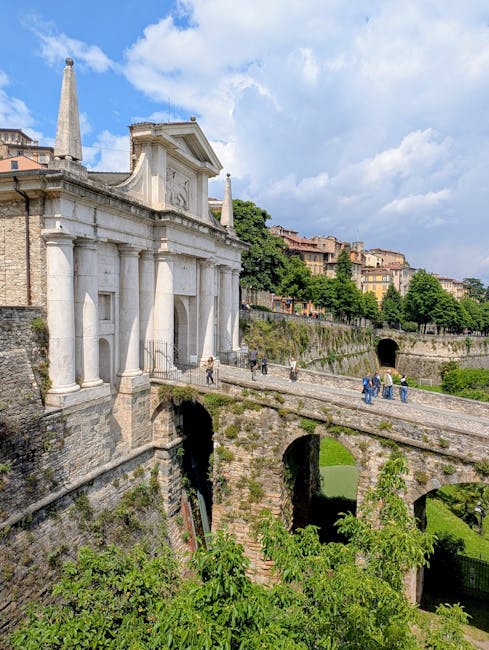
The Venetian walls of Bergamo (Mura Venete), a UNESCO World Heritage site, are a textbook example of landscape rehabilitation. Stretching roughly twelve kilometers around the Città Alta, they have been restored to provide panoramic walks, viewpoints and outdoor event spaces. Access is free: you can take the paths from main entrances such as Porta San Giacomo (Piazza Mercato delle Scarpe) or Porta Sant’Agostino. Access hours are unrestricted, but some stretches may be temporarily closed for works or events — check the Bergamo municipal website for updates.
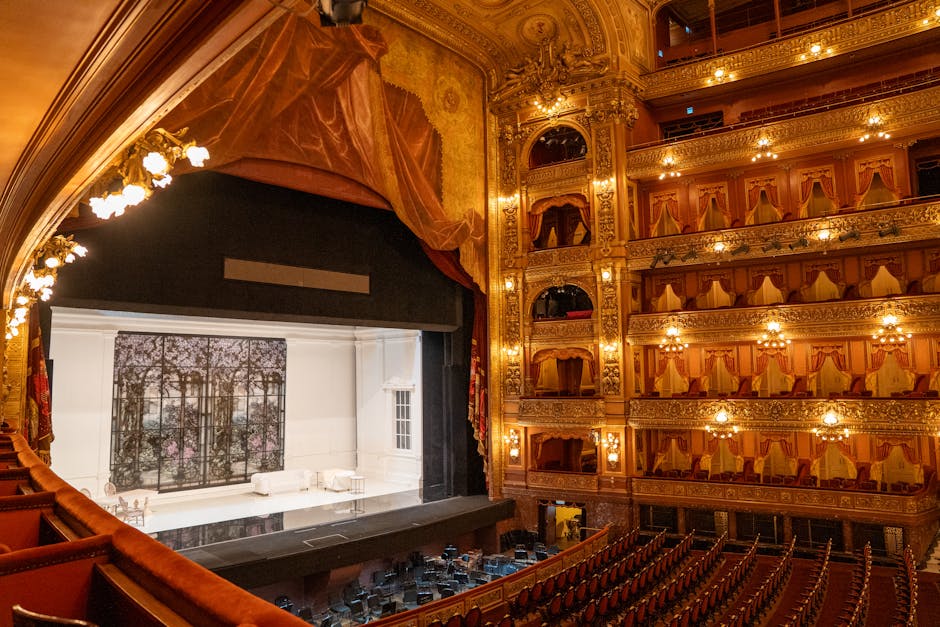
The Teatro Donizetti, at Largo Belotti 1, 24129 Bergamo BG, is another cultural rehabilitation: a 19th-century historic theater partially renovated to host opera, contemporary theater and concerts. Box office hours: generally Tuesday to Friday 10:00 AM–6:00 PM, except on performance days; tel. +39 035 416 0601. Ticket prices range from €10 for small shows to €80+ for premieres or major productions. Recent works have focused on acoustic improvements, fire safety and accessibility while preserving original decor.
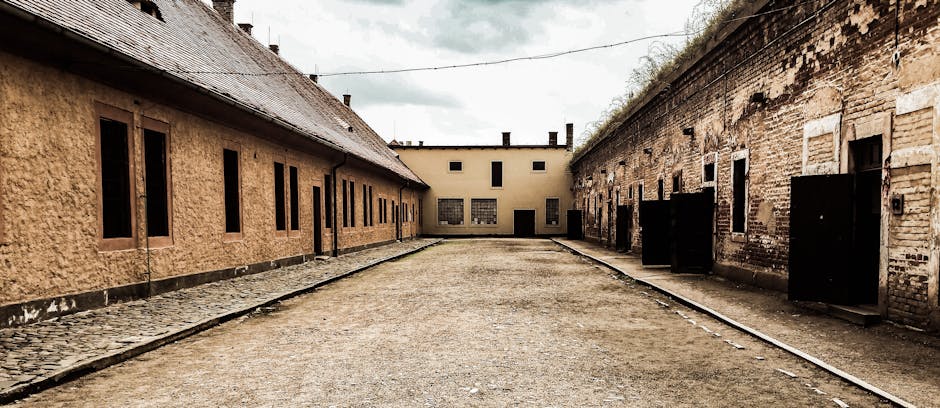
Finally, several former barracks and military buildings have been repurposed for public use. Caserma Montelungo, for example, has seen parts transformed into social housing, sports halls and civic centers while retaining its historic façade. Local initiatives favor mixed uses: culture, sport and services for residents. Opening hours and access conditions depend on the services provided; check the Città di Bergamo website or neighborhood offices for details.
Practical tips: to enjoy the walls without getting lost, bring a map or use an offline app; in summer favor sunrise or late afternoon for the light and to avoid the heat. Walks are often bike-friendly, but some sections may be pedestrian-only — follow signage. For performances, buy tickets in advance, especially for the Donizetti Festival or lyric evenings.
Click here to book a private tour of Bergamo’s walls
Community initiatives and micro-rehabilitations: markets, workshops and cafés
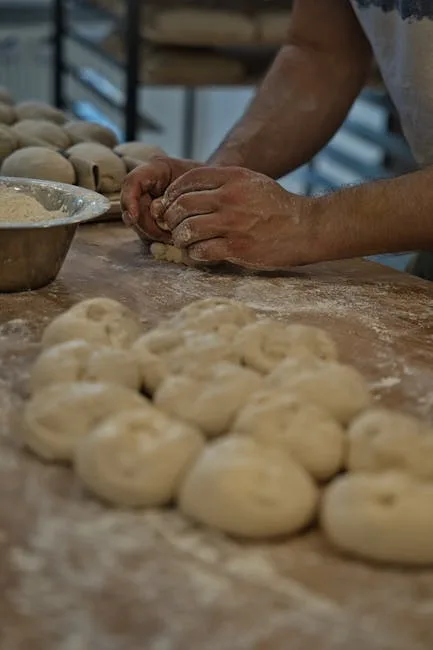
Beyond large-scale projects, Bergamo is full of micro-rehabilitations — small interventions with big social impact. Neighborhood shops set up micro-workshops in former cellars or garages, welcoming artisans, restorers and local designers. A concrete example is the conversion of an old bakery in Borgo Palazzo into a workshop-café and retail space (via Borgo Palazzo, address varies by shop) where bread-making classes and tastings are held. Workshop prices typically run €15–40 depending on length and product.
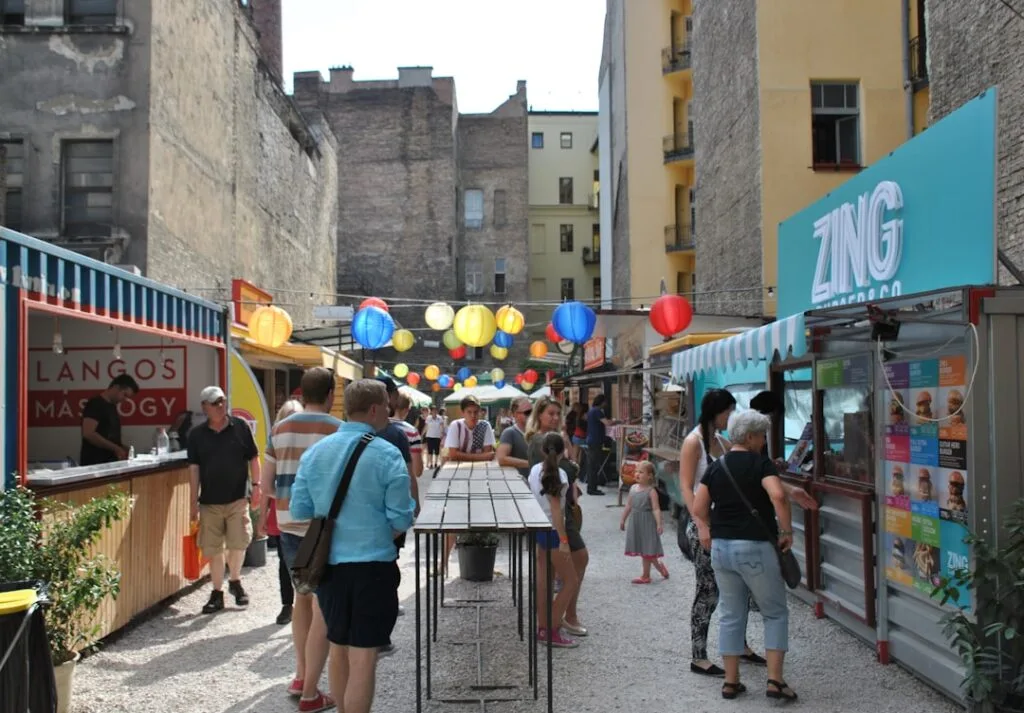
Rehabilitated markets, like the Mercato delle Scarpe (Piazza Mercato delle Scarpe, Città Alta) and sections of the Sentierone (Viale Vittorio Emanuele), blend traditional commerce with culinary pop-ups. These spaces become experimental food hubs: Bergamo street food trucks, Taleggio cheese stalls and micro-breweries. Opening hours: most markets are lively in the morning until midday; some special events run on weekends and into the evening. Admission is free; purchases depend on the stalls.
Cafés located in rehabilitated spaces — for example a Rizzoli bookshop in a former shop or a bar inside a converted chapel — offer not only a break but also a chance to see layers of history: restored frescoes or stucco alongside contemporary lighting and designer furniture. A takeaway coffee and cornetto will cost around €1.50–3.50. If you want to join a workshop or a literary meeting, check local Facebook pages or noticeboards in shop windows.
Practical tips: explore these micro-spaces by asking locals — Bergamaschi and students — who know the newest openings. The local market is a great place to find regional products: Taleggio PDO cheese, dried polenta taragna, wines from Franciacorta or Valcalepio. For bulky purchases, bring a foldable bag: some stalls may only provide flimsy paper or plastic wrapping.
Click here to discover Bergamo’s best street food tour
Click here to join a market and private cooking class
Conclusion — A city that reinvents its heritage
Bergamo shows that a successful rehabilitation is above all a conversation between eras. The projects we’ve covered — modernized museums like the Accademia Carrara, convents turned into libraries and studios, walls transformed into public walks, industrial sites converted into creative hubs — share the same goal: make old buildings useful, lively and accessible without erasing their memory. The technical details (vault restoration, adding lifts and conservation equipment) go hand in hand with a social vision: creating places that host culture, education, innovation and conviviality.
For visitors, Bergamo offers a rich, nuanced experience. Each address mentioned here — Piazza Giacomo Carrara 82 for the Accademia Carrara, Largo Belotti 1 for Teatro Donizetti, the entry points to the Mura Venete and sites in the Città Alta and Borgo Santa Caterina — is an entry point to understanding how architecture can adapt its function while preserving its soul. Prices (museum tickets around €10, workshops €15–50, performances €10–80), hours (museums 9:30 AM–7:30 PM, libraries and theaters with variable hours) and practical tips will help you plan attentive and respectful visits.
Finally, if you’re interested in sustainable urbanism, conservation or responsible tourism, Bergamo is an inspiring case study: from public-private partnerships to grassroots initiatives, the city proves that rehabilitation can be creative, inclusive and economically viable. By breathing new life into stone, Bergamo invites residents and travelers to reclaim places, share experiences and imagine new uses together for buildings that continue to write history. Take the time to get lost in its alleys, step into an improvised workshop, join a guided tour and savor a coffee on a restored terrace: it’s there, in the dialogue between old and new, that the city’s true soul reveals itself.