





Introduction: Sustainable design in Bergamo — where history meets innovation
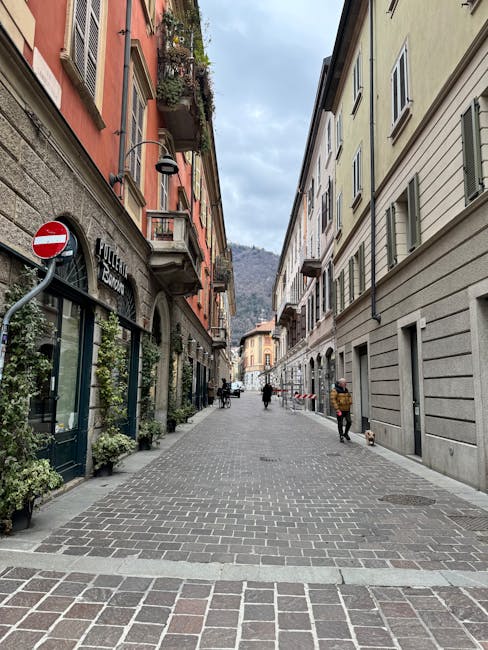
Perched between the plain and the mountains north of Milan, Bergamo is best known for its medieval Città Alta, its Venetian walls listed as a UNESCO World Heritage site, and the cobbled lanes that tell centuries of stories. But behind that historic face a vibrant sustainable design scene and a range of eco-friendly initiatives are taking shape — and they’re well worth exploring. Rather than pitting heritage against ecology, Bergamo demonstrates how smart repurposing of historic buildings, urban agriculture, active mobility and bioclimatic architecture can coexist to boost local quality of life.
In this extended introduction we’ll set the context: why does sustainable design in Bergamo matter? The answer has three dimensions: environmental, social and economic. Environmentally, the Bergamo area has committed to cutting its carbon footprint through energy-efficient renovations, green roofs and green corridors that boost urban biodiversity. Socially, sustainable projects strengthen neighbourhood resilience by creating places to meet — farmers’ markets, community gardens, mending workshops — where citizens become agents of the transition. Economically, sustainability draws investment into green construction, responsible tourism and local SMEs (local carpentry, eco-materials, photovoltaic systems). The impact creates jobs, enhances heritage value and reinforces the identity of the territory.
This overview is also practical: Bergamo doesn’t stop at theory — the city implements concrete, visitable places where sustainable design can be seen and touched. In the sections that follow we’ll detail specific projects, locations and initiatives: restoration workshops, urban green spaces, museums embracing eco-design, eco-certified hotels and restaurants, and itineraries to discover these efforts on the ground. For each site we’ll give the full address, opening hours, entrance fees where applicable, an immersive description and practical tips for visitors who want to combine tourism with environmental responsibility.
Why experience Bergamo through the lens of sustainable design rather than as a pure heritage destination? Because it changes the way you see things: you don’t just notice stone, you perceive layers of time where architecture reinvents itself to last. You’ll learn, for example, how an old factory can become a social innovation lab, how a green roof improves comfort in a historic theatre, or how a covered market supports short supply chains. Following these projects also inspires travellers, architects, students and professionals by showing adaptable solutions for other cities. For visitors it’s a chance to take concrete actions: ride the funicular to reduce car use, taste locally certified products, join a repair workshop or visit an urban farm.
Throughout this article we’ll explore several Bergamo projects and places that embody the dialogue between heritage and sustainability: parks and green corridors, repurposed cultural centres, eco-conscious museums and galleries, examples of committed hotels and restaurants, and citizen networks. Each section also includes practical advice (transport, prices, best times to visit) and visual cues with suggested images to help you prepare your visit.
Parco dei Colli di Bergamo and the green belt: nature and sustainable trails
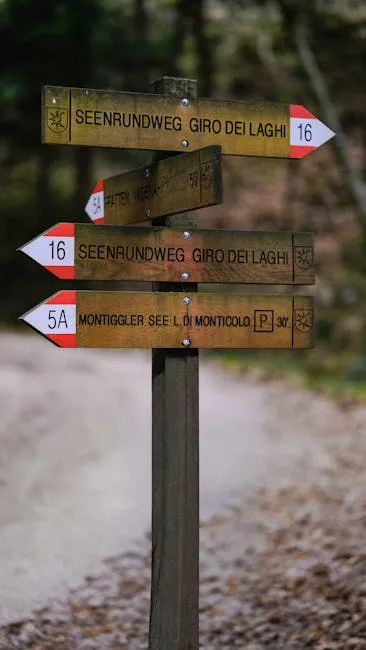
Parco dei Colli di Bergamo is a large protected natural area that partly encircles the city and is a cornerstone of Bergamo’s green strategy. Size and access: the park covers more than 4,500 hectares and has many entrances; one main access point is at Via del Paradiso, 24121 Bergamo BG (Colli entrance). Trails are maintained by the Province and local associations, promoting walking, mountain biking and educational routes.
Immersive description: starting from Villa San Michele or the Longuelo neighbourhood, you’ll pass through stands of oaks and beech trees, flower meadows and agricultural terraces where experimental agroecology projects have been set up. Interpretive panels explain sustainable soil management, preservation of local species (owls, hawks, amphibians) and habitat restoration techniques. Several picnic areas use local wood furniture treated naturally, and dry toilets have been installed in some zones to limit water use.
Hours and fees: the park is open 24/7, seven days a week. Marked trails are freely accessible. Some guided walks organized by associations typically cost between €5 and €12 per person depending on duration (reservation recommended via Ufficio Parco or local associations).
Practical tips: bring good hiking shoes, water and a hat in summer. Respect regeneration zones (marked by signs) and avoid approaching nests during breeding season (spring–early summer). The best time to visit is early morning or late afternoon to avoid heat and to enjoy the landscape colours. Transport: take ATS Bergamo buses (urban lines) to stops near the entrances; carpooling and cycling are also encouraged.
 Click here to book an E-bike tour in Bergamo
Accademia Carrara di Bergamo: museum and sustainable conservation
Address and practical info: Accademia Carrara di Bergamo, Via Angelo Mai 18, 24121 Bergamo BG. Opening hours: Tuesday to Sunday 10:00–18:00 (closed Mondays), hours may vary for special exhibitions. Tickets: full price around €10–€12, reduced €5–€7 (students, seniors), free for some young visitors; check the official site for special exhibition pricing.
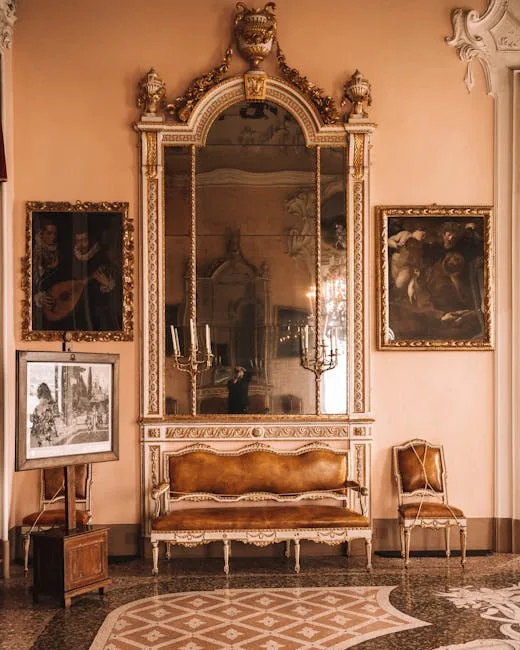
Immersive description: the Accademia Carrara art gallery, home to an important collection of Italian painting (Veneto, Lombardy) with works from Botticelli to Tiepolo, has been pursuing sustainable conservation and management for several years. Recent renovations included the installation of a high-efficiency HVAC system, upgraded insulation in exhibition rooms to reduce energy use, and LED lighting with an adapted spectrum that lowers light footprint while protecting artworks. Restorations are carried out by local conservators using reversible materials and respectful protocols, documented on information panels accessible to the public.
Visitor experience: as you move through the rooms, look for explanations about sustainable conservation and labels describing restoration techniques. The museum sometimes offers educational workshops on restoration and conservation design, typically priced between €8 and €20 depending on the session. The museum café-shop highlights local products and publications printed on recycled paper.
Practical tips: buy your ticket online to avoid queues during peak hours (10:00–12:30). The visit pairs nicely with a stroll through Parco della Rocca and the nearby Piazza Vecchia. If arriving by train, Bergamo station is about 2.5 km away; taxis and urban buses connect directly to the centre.
Rehabilitations and conversions: the cases of Teatro Donizetti and Teatro Sociale
Addresses and hours: Teatro Donizetti, Piazza Cavour 15, 24121 Bergamo BG — box office generally open Tuesday to Saturday 10:00–13:00 and 16:00–19:00, programming varies; ticket prices range from €10 to €60 depending on seat and event. Teatro Sociale, Via Luigi Angeloni 19, 24121 Bergamo BG — small performances, workshops and cultural events (hours vary by programme).
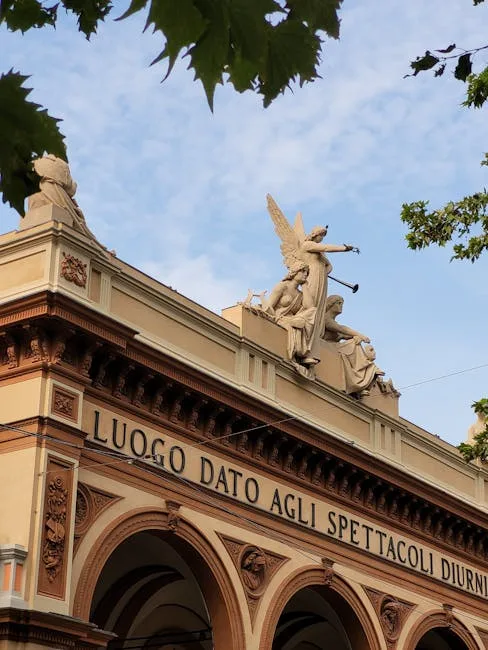
Immersive description: these two historic theatres show how heritage preservation can incorporate sustainable principles. During recent renovations teams favoured local and ecological materials: external thermal insulation, reuse of woodwork, high-efficiency heating systems and discreet solar panels on annex buildings not visible from the historic city. Dressing rooms and technical spaces were redesigned to reduce energy losses and to improve acoustic comfort with bio-based materials.
Audience experience: attending a performance at Teatro Donizetti (Piazza Cavour 15) means enjoying a restored venue where modernity and tradition coexist. Before the show, wander Piazza Cavour and check the panels explaining the sustainable renovation works. The theatres also take part in educational programmes on eco-friendly scenography (modular sets, LED lighting) and sometimes organize technical tours for professionals and students.
Practical tips: book tickets in advance, especially for operas and weekend concerts. If you have accessibility needs, mention them when booking: the theatres offer adapted seats and services for people with reduced mobility.
Eco-friendly hotels and places to stay: sleeping sustainably in Bergamo
Examples and addresses: several properties now integrate sustainability into their offer. Hotel Excelsior San Marco, Viale Papa Giovanni XXIII 106, 24121 Bergamo BG — runs water-saving programs and waste sorting; rooms from around €80 per night depending on season. GombitHotel, Via Gombito 16, 24129 Città Alta Bergamo — boutique hotel in the heart of Città Alta, rooms from about €120 per night, prioritizes local products at breakfast and LED lighting. Ostello Bello Bergamo, Via del Bosco 11, 24121 Bergamo BG — friendly hostel, dorm beds from €25, engages in solidarity actions and waste reduction.
Immersive description: these accommodations show how hospitality can combine comfort with low impact. Breakfasts favour products from Valle Brembana and Franciacorta, bathrooms use solid soaps and refillable dispensers, and some hotels offer electric bikes for guests. Renovations respect local architectural identity: facades preserved, joinery restored, and discreet energy upgrades (insulation, modern heating systems). Hotels also offer “Green Stay” cards explaining simple actions guests can take to reduce impact (towel reuse, reduced linen changes, supporting short supply chains).
Practical tips: book directly with the property to support small businesses; ask for certifications (Green Key, EU Ecolabel) if sustainability is important to you. Hotels in Città Alta are convenient for walking, but keep in mind some alleys are cobbled and heavy luggage can be hard to manage: luggage storage or porter services are often available.
Click here to book a home-hosted culinary experience

Conclusion: Bergamo — a living lab of sustainable design to visit and emulate
Bergamo offers a compelling model for anyone wanting to understand how a mid-sized city can integrate sustainable design without betraying its historical identity. The projects we’ve described — protected spaces like Parco dei Colli, cultural institutions like Accademia Carrara and historic theatres, right through to engaged hotels and accommodations — reveal a multi-faceted strategy: smart conservation, urban agriculture, energy renovation and citizen participation. These actions aren’t isolated showcases but initiatives connected by local partners: environmental associations, cultural institutions, the municipality and private companies.
For visitors this means a few concrete things: first, a richer experience where you grasp the contemporary issues behind the old stones; second, the chance to support a local sustainable economy by choosing responsible tours, restaurants and accommodations; and finally, the opportunity to learn: workshops, technical visits and events (like BergamoScienza or local meetups) let you interact with the people driving change. Practically, plan your trip by checking hours and prices online (official sites of the venues listed above are regularly updated), favour public transport, walking and cycling, and follow local rules to protect natural areas.
Finally, Bergamo shows there isn’t a single path to sustainability: many small initiatives together end up transforming a city. If you’re coming to Bergamo for its history, allow extra time to spot green roofs, visit a restoration workshop, or attend a local producers’ market. You’ll leave not only with images of Piazza Vecchia and its hills, but also with practical, inspiring ideas to take home — a truly useful and responsible trip.
Click here to book a 2-hour guided walk with a local