





Introduction: Small Details, Big Style — Bergamo’s Design Soul
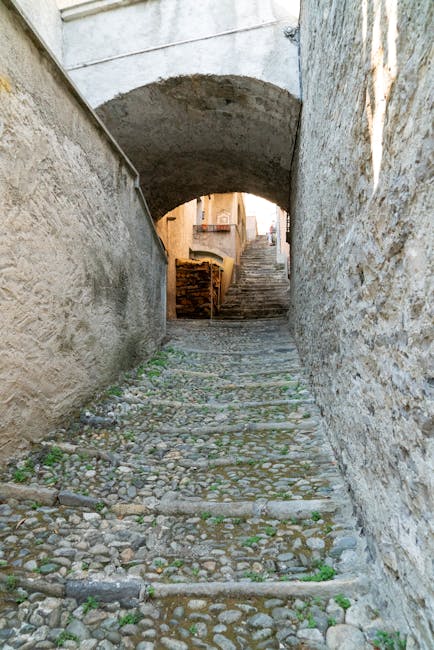
Perched between Lombard baroque neighborhoods and medieval alleyways, Bergamo reveals a quiet charm that’s found in the details. Far from Italy’s big design hubs like Milan, Bergamo nurtures an interior design identity that bridges heritage and modernity, local craftsmen and international influences. Wandering here teaches you to read the patina of an old marble refreshed by a contemporary hand, to notice a gothic niche now home to a minimalist lamp, or to see how a glazed tile carries a family’s story back to the 19th century.
Split between the elevated Città Alta (upper town) and the more modern Città Bassa (lower town), Bergamo is a perfect playground for interior design lovers: cabinetmaking workshops, lighting boutiques, textile showrooms, carefully styled boutique hotels and cafés where porcelain and plants form picture-perfect compositions. Here, every apartment, shop and street corner is a practical style lesson — often subtle, sometimes bold — and always rooted in the quality of materials and local know-how.
In this guide, we’ll unpack what defines Bergamo’s interior design, point out addresses worth visiting for inspiration, describe shops and workshops where you can buy unique pieces, and give practical tips to turn a sightseeing trip into a proper design scouting mission. I’ll also direct you to hotels and cafés where attention to detail becomes a sensory experience: handcrafted linens, one-off ceramics, sculptural lighting and color mixes that honor Lombard tradition while flirting with the contemporary.
Expect immersive descriptions (full addresses, opening hours, indicative prices) and concrete advice — how to negotiate a bespoke piece, when to visit showrooms, which items to prioritize for an interior that breathes Bergamo authenticity. Whether you’re a decorator, a homeowner planning a makeover, or simply a lover of beautiful things, this guide will help you see Bergamo not just as a cultural destination, but as a small capital of tasteful living accessible to everyone.
The Historical and Architectural Context of Bergamo: Foundations of the Style
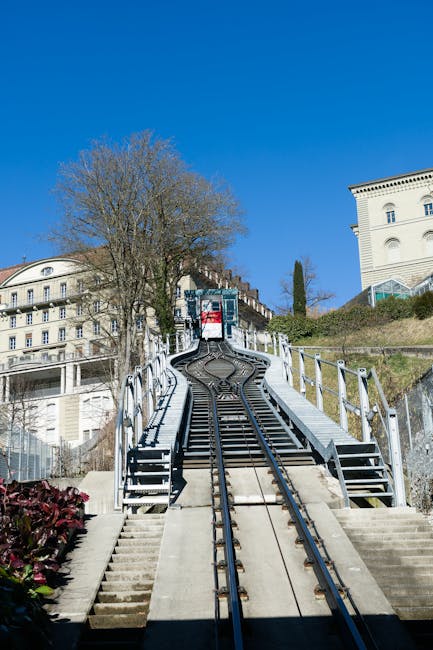
To understand Bergamo’s interior design, you must first dive into its architectural history. The Città Alta, reachable by the historic funicular, is a medieval and Renaissance backdrop — cobbled streets, stone arcades, ornamented façades — that both constrains and inspires aesthetics. Piazza Vecchia, the heart of the Città Alta, with the Angelo Mai Library and the Palazzo della Ragione, shows how ancient volumes and sculpted details converse with modern furniture designed to highlight, rather than hide, stone and stucco.
Traditional Bergamo interiors relied on local woods (oak, walnut) for joinery and furniture, tuff or serizzo stone for floors and terracotta tiles in kitchens. Today, local designers reinterpret these materials: brushed oak floors, enamelled artisanal tile backsplashes, and interior glass partitions that respect structural patterns while preserving light. The rustic-meets-contemporary blend is everywhere: restored exposed beams, old hearths turned into bookcases, walls finished with hand-tinted lime plasters.
The Città Bassa, newer and often linked to the industrial and commercial growth of the 19th and 20th centuries, brings Art Deco and modernist influences. Haussmann-style buildings on Via XX Settembre sit beside converted workshops-turned-lofts, where high ceilings allow for monumental pendants and art installations. Renovated public spaces, like the Biblioteca Civica Angelo Mai (Piazza Vecchia), have become idea labs for contemporary interiors, hosting exhibitions and design events.
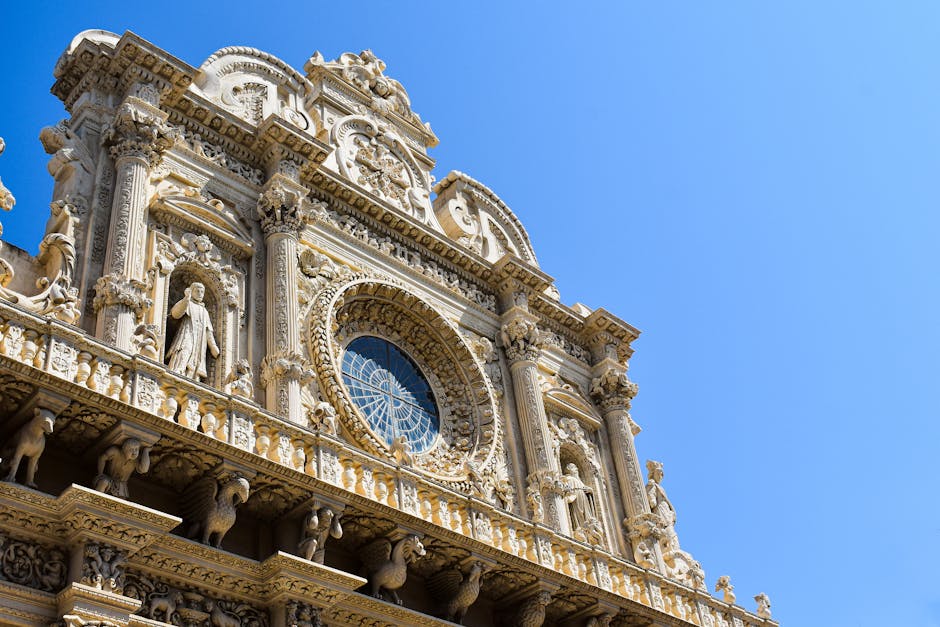
Monuments worth observing for inspiration include: the Basilica di Santa Maria Maggiore (Piazza Duomo, 24129 Bergamo) with its sumptuous interior decoration; the Cappella Colleoni (Piazza Duomo, 24129 Bergamo) for its polychrome marbles; and the Accademia Carrara (Piazza Carrara, 82, 24121 Bergamo), where painters’ palettes inform color schemes and fabric choices. Visiting these sites gives valuable clues on how to combine hues, proportions and ornament without overloading a space.
Interior Design in Città Alta Homes: Small Footprints, Big Ideas
Città Alta often imposes compact layouts and constrained plans: narrow corridors, wooden ceilings, stone staircases. But these limits become creative fuel. Historic apartments frequently rely on pared-down furnishings, optimized daylighting and the celebration of restored original features. A typical studio on Via Gombito or Via Bartolomeo Colleoni will favor pale colors to visually expand the space, built-in storage behind panelling, and multifunctional, custom-made furniture.
Useful places to study or source this kind of setup include local cabinetmaker Falegnameria Artigiana Bergamo (Via San Tomaso 76, 24121 Bergamo — appointments on request), which crafts built-in bookshelves and pull-down beds; and fabric shop Sartoria Tessile Bergamasca (Via Arena 18, 24121 Bergamo), offering linen and cottons hand-dyed locally, with prices starting around €15 per meter. Designers often recommend restoring rather than replacing: keeping an old hydraulic tile floor and refinishing it (indicative cost €20–35/m² for stripping and waxing) reinforces a home’s authenticity.
For lighting, many homeowners opt for contemporary pieces with clean lines that play on scale rather than ornament: matte black metal pendants over a walnut table, blown-glass lamps for niches, adjustable wall lights for narrow corridors. A go-to showroom is Luminaria Bergamo (Via XX Settembre 45, 24121 Bergamo), open Tuesday–Saturday 10:00–13:00 and 15:00–19:00, offering designer lighting from about €120.
Practical tips for arranging a Città Alta home: choose low-profile furniture so high windows aren’t blocked, use mirrors to bounce light, pick breathable textiles (linen, fine wool) to manage moisture in old walls, and work with a local craftsman to tailor storage solutions to irregular walls. Don’t neglect scent: a successful Bergamo interior always includes sensory elements — natural waxes, artisanal soaps and essential oils — that complement the visual layer.
Showrooms, Shops and Workshops: Where to Buy and Find Inspiration
Bergamo is packed with small shops and ateliers where you can find unique pieces or commission custom work. Note these addresses: Gambe Design Atelier (Via Broseta 63, 24121 Bergamo), an atelier-store specializing in handmade contemporary furniture (open Tuesday–Saturday 10:00–18:00, pieces from about €250), and Studio Tessuti Bergamaschi (Via Sant’Alessandro 42, 24121 Bergamo) for artisanal textiles and made-to-measure curtains (lead time 2–3 weeks, prices from €35 per meter).
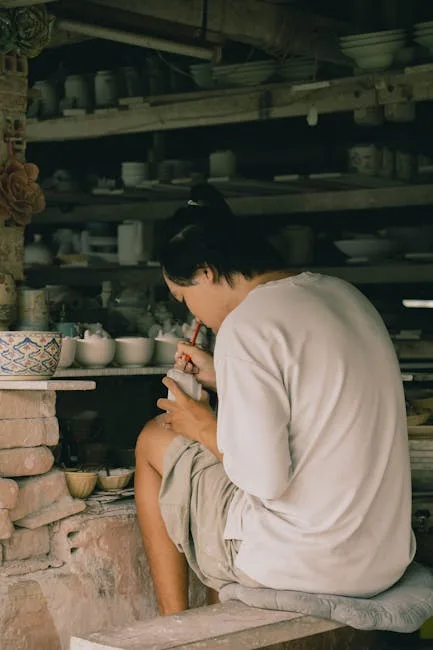
For ceramics and handcrafted tableware, head to Ceramiche di Bergamo (Via Sant’Agostino 4, 24129 Bergamo Città Alta), open daily 10:00–19:00 except Mondays; wheel-thrown workshops and one-off pieces range from €20 (cups) to €200 (serving platters). Antique lovers will find gems at Antiquaria Bergamo (Piazza Mercato del Fieno 6, 24129 Bergamo), where brocante objects carry interior history and add authentic patina (prices vary).
Contemporary design showrooms, often in the Città Bassa, showcase Italian and international collections. GAMeC (Galleria d’Arte Moderna e Contemporanea, Via San Tomaso 53, 24121 Bergamo) is also a good starting point to spot color trends and artistic collaborations (general admission €8–10, usually open 10:00–18:00, closed Mondays). Some shops also run workshops and masterclasses — check online calendars for sessions on natural dyeing or basic woodworking.
Buying local tips: always ask about material provenance (wood species, types of mortar, source of pigments), agree on production timelines for bespoke pieces (expect 3–8 weeks depending on complexity), and consider artisan delivery and installation to avoid surprises with tight spaces. Always test a fabric or paint sample in situ: Bergamo interiors’ lighting varies widely with exposure and wall materials.
Cafés, Hotels and Restaurants: Style Serving the Experience
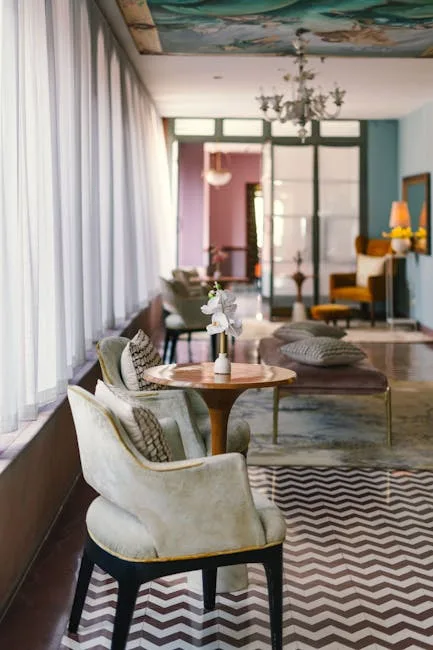
In Bergamo, hospitality becomes a design stage: boutique hotels, minimalist cafés and restaurants where tableware, lighting and even music are part of the decorative concept. Among places to study and take cues from, Hotel Excelsior San Marco (Via XX Settembre 22, 24121 Bergamo) offers renovated rooms blending natural textiles and bespoke furniture (indicative rates €120–220/night depending on season). The reception leans into understated elegance: light marble desks, low-slung sofas and locally woven rugs in lounge corners.
Cappuccino Café & Bistrot (Piazza Matteotti, 6, 24121 Bergamo) is an example of a café where porcelain, vintage chairs and plants create a coherent aesthetic. Usual hours: 07:30–20:00, cappuccino around €1.50–2.50. For a gastronomic experience, Ristorante Da Mimmo (Via San Bernardino, 21, 24122 Bergamo) combines dark wood furnishings, dim lighting and handcrafted tableware; mains start around €25, dinner service by reservation only.
Small boutique hotels in the Città Alta often emphasize personalization: embroidered linens, coverlets in local fabrics, restored headboards and artisanal lamps. Antica Dimora Il Cittadino (Via Gombito 10, 24129 Bergamo) is a good example, with suites from about €140/night including breakfast (open year-round, check-in after 14:00). These places also act as showrooms for local makers: furniture, rugs and accessories found in rooms are often available for sale or made-to-order.
For interior designers, staying in these spots offers a double benefit: seeing ready-made setups in action and testing the durability of choices (fabric comfort, storage usability, lighting efficiency). Practical tip: ask to meet the purchasing manager or owner — many are happy to share suppliers and technical sheets, and some welcome collaboration opportunities.
Practical Tips for Visiting Bergamo and Turning Inspiration into a Project
Visiting Bergamo to scout interior design inspiration requires a methodical approach. Plan your routes by separating Città Alta and Città Bassa — the former for historic charm and small ateliers, the latter for showrooms and contemporary stores. Use the historic funicular to reach the Città Alta (hours vary by season, generally 06:00–01:00; round-trip ticket about €2.30), as it saves energy and offers vantage points that help you understand building scale and volume.
Before you leave with ideas, take measurements and photos: front door width, ceiling height, location of electrical outlets, stair widths. If buying a piece of furniture locally, get a detailed delivery plan (measurements, access, time slots). For custom orders, negotiate moderate deposits (30–50%), request a written timeline and ask for the option of a prototype or sample.
Local tips: visit shops early in the morning to have relaxed conversations with artisans; bring material samples (paint chips, fabric swatches) to test compatibility; ask for transport and insurance recommendations — many craftsmen partner with national carriers. Also consider customs and taxes if you’re shipping items outside the EU.
Finally, give yourself time to observe — the best ideas often come from pausing in front of a shop window or chatting with a hotel owner. Bergamo is not a city to rush through; it’s a place of details. Bring swatch books, measuring tape and a good pair of shoes: between stone staircases and tucked-away workshops, every turn can reveal the idea that will transform your interior.
Conclusion: Bringing the Spirit of Bergamo Home
Returning from Bergamo means taking home more than pictures: you’re bringing back a methodology, a palette and an eye for detail. Bergamo’s interior design is built on a gentle tension between conservation and innovation, a celebration of local materials and a refined sense of scale. The city’s architects and craftsmen know how to make an antique chest converse with a contemporary lamp, a terracotta floor with a handwoven rug, or a gothic niche with a modern sculpture. That ability to create dialogues between eras is what gives Bergamo style its quiet strength.
Practically speaking, Bergamo offers complete resources: cabinetmakers for bespoke furniture, textile shops for curtains and cushions, lighting showrooms, and boutique hotels that serve as living models. You can buy unique pieces (ceramics from about €20, lighting from about €120, artisanal fabrics €15–35/meter) or commission custom work with reasonable lead times. The city’s monuments — Basilica di Santa Maria Maggiore (Piazza Duomo, 24129 Bergamo), Accademia Carrara (Piazza Carrara 82, 24121 Bergamo) and the Cappella Colleoni (Piazza Duomo, 24129 Bergamo) — are more than sights to see: they’re chromatic and material references that feed creativity.
If your project is ambitious, leave with a checklist: accurate measurements, samples, contact details for artisans (ask for them directly in shops), written quotes and a production schedule. Don’t be afraid to invest in durable, local items: they may cost more upfront but offer longevity and character that mass-produced goods can’t match. Above all, cultivate the Bergamo spirit at home by aiming for balance — a mix of restored pieces, handcrafted objects and contemporary accents — instead of uniformity.
Bergamo proves that big style often comes down to small gestures: a restored moulding, a lamp placed just so, a fabric that catches the morning light. By paying attention to these details and tapping into the city’s local resources, you can create interiors that tell a story — your story — while honoring Bergamo’s soul and elegance.