





Introduction: Why the Rocca and Bergamo’s Fortifications Are Worth a Visit
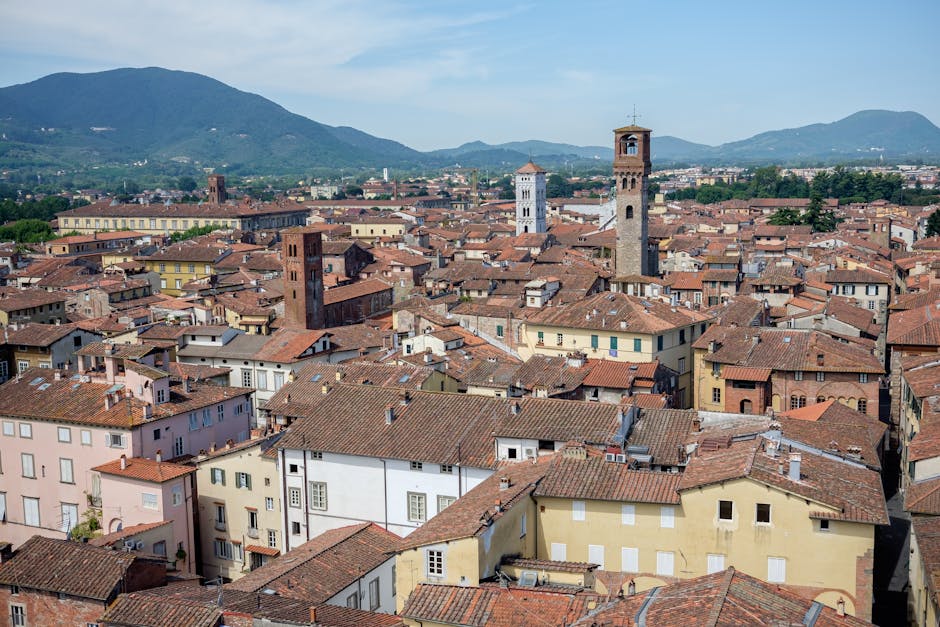
Bergamo, tucked between the Alpine foothills and the Po Valley, is a place where military history and urban charm meet at every stone. The Città Alta, the medieval hilltop town, is ringed by imposing Venetian walls and dotted with bastions, gates and forts that tell five centuries of defensive strategy, military engineering and urban change. At the heart of it sits the Rocca di Bergamo — a fortress overlooking the Piazza Vecchia — a prime vantage point with breathtaking views over the lower town, the surrounding hills and, on clear days, the distant silhouette of the Alps. But the Rocca isn’t an isolated curiosity: it’s part of a coherent network of fortifications, keeps and ramparts whose imprint remains visible in the city fabric.
This practical guide gives you a full, hands-on immersion: exact addresses, opening hours, prices in euros and sensory descriptions to prepare your scenic walks and cultural visits. Whether you’re an urban hiker, a photographer chasing that golden hour, a military history buff or a curious traveler, the routes here will help you plan your time, avoid tourist traps and benefit from local tips on the best times to visit, how to combine sites and where to eat afterwards.
We cover the Rocca di Bergamo and its immediate surroundings, the Mura Veneziane (the Venetian walls listed as a UNESCO World Heritage Site), historic gates like Porta San Giacomo and Porta Sant’Agostino, plus several bastions and viewpoints that dot the Città Alta. Each place includes practical details: full address, official entrance fees in euros, typical opening hours and immersive descriptions to place you in the scene — the texture of the stone, shadows playing on the battlements, the scent of lime trees along the ramparts, and weather tips to optimize your photography.
This isn’t just an inventory: you’ll also find walking routes and local tips — for example, how to save by combining the funicular ticket with certain museum admissions, which bastion benches get the best morning sun, and when nearby vineyards and urban gardens are in full bloom. Follow these suggestions and you can turn a stop in Bergamo into a true walking exploration of its historic defenses, while enjoying Lombard la dolce vita, local food and the quiet hospitality of its residents.
Rocca di Bergamo: History, Visiting Info and Practical Tips
The Rocca di Bergamo is a medieval fortress dominating the Piazza Mercato delle Scarpe and the northern part of the Città Alta. Exact address: Rocca di Bergamo, Via Rocca, 24129 Bergamo BG, Italy. Built and reworked between the 12th and 17th centuries, the Rocca has served as a stronghold, barracks and military control point before being restored and turned into a cultural venue. Its strategic position makes it a natural lookout: from the park and the tower you can take in Piazza Vecchia, the basilica of Santa Maria Maggiore and the lower town.
Hours and prices (typical information — check before you go): the Rocca is usually open Tuesday to Sunday from 9:30 to 18:30, closed on Mondays. Museum entrance fee: €3.00 standard, €2.00 reduced (youths, seniors, school groups); free for children under 6. Some temporary exhibitions may carry an extra fee (between €2.00 and €5.00). The outer park is freely accessible outside the paid museum areas. Tickets are sold on site at the ticket office (Via Rocca) and are often available via the City of Bergamo’s official site or local tourist offices — Office of Tourism Bergamo, Piazza Vecchia 1, 24129 Bergamo BG, tel. +39 035 238 291.
Immersive description: cross the access bridge and pass through the Rocca gate and you step into a world where the stones bear the grooves of time. The creak of footsteps on ancient cobbles echoes under the vaults, while loopholes frame the landscape as much as they open onto the fortress’s past. Interior rooms host interpretive panels about garrison life and models showing how the defenses evolved. The air is cool, often carrying the scent of yews and rosemary planted in the restored ditches.
Practical tips: arrive early (9:30–11:00) to enjoy soft light on the lower town and avoid tour groups. In summer, the shaded parts of the park make a lovely picnic spot; bring water and a hat. Climbing the central tower can be steep and is via a stone stair — wear comfortable shoes. Photographers will find the sunset from the platform spectacular — aim to arrive 30–45 minutes before dusk. If you have a Bergamo Card (when available), check whether it offers discounts on admission and other Città Alta attractions.
The Mura Veneziane (Venetian Walls): Routes, Bastions and Best Viewpoints
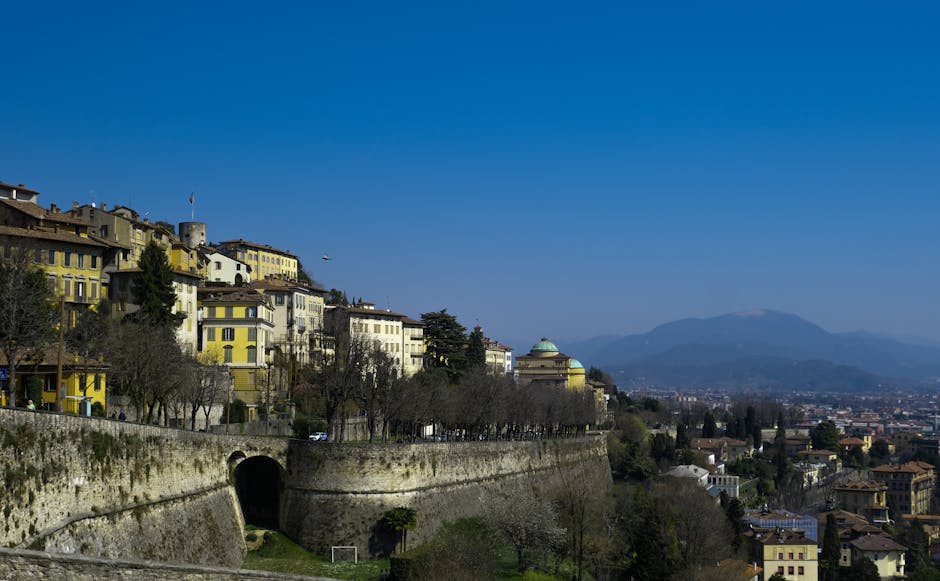
The Mura Veneziane di Bergamo are among Italy’s best-preserved fortification systems. Main administrative address and information point: Viale delle Mura, 24129 Bergamo BG (multiple pedestrian access points along the perimeter). Listed as a UNESCO World Heritage Site, these walls were built in the 16th century by the Republic of Venice to protect the Città Alta from land attacks. The full circuit extends about 6.5 kilometres and includes 14 bastions and several monumental gates connecting the Città Alta to the Città Bassa.
Hours and fees: walking along the walls is free and open 24 hours a day, except for sections temporarily closed for restoration. Some bastions host paid exhibitions or events; prices for these vary (often between €5.00 and €10.00). If you want a guided tour, ask at APT Bergamo (Via Tasso, Piazza Matteotti): paid guided tours run in high season (typically around €10.00–€15.00 per person; reservation recommended).
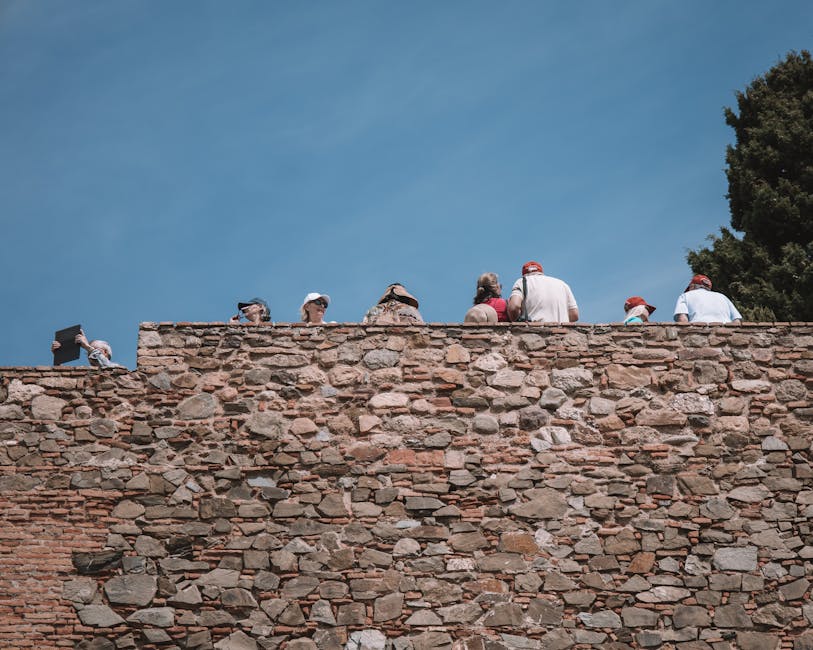
Immersive description: a stroll along the walls is a succession of shifting panoramas — wide grassy bastions, glimpses of tiled roofs and close-up frames of ancient stone. In places, crenellations are paired with shaded paths under plane trees and lime trees, while viewpoints offer benches to sit and watch the sunset. The wind is often stronger up here than in the lower town, and the evening side-light intensifies the ochres of the walls. Interpretive panels along the route explain the military and civil history and name the bastions: Bastione di San Giacomo, Bastione di San Giovanni, Bastione di Sant’Alessandro, and more.
Recommended routes: for a first-time visit, choose a roughly 2-hour loop starting at Porta San Giacomo (Piazza Mercato delle Scarpe / Viale delle Mura) heading toward the Bastione di San Giovanni and then Bastione di Sant’Antonio, returning via the San Vigilio viewpoint. For the full circuit (3–4 hours), follow Viale delle Mura around the entire Città Alta. Carry a map or use a hiking app: some stretches are steep and include stairs. In winter, bring windproof clothing; in spring the embankments burst with wildflowers.
Local tips: aim for late afternoon for the best light and comfortable temperatures. If you want photos without crowds, avoid weekend mornings which are popular with locals. Some eateries along the ridge, like small osterie on Via S. Lorenzo and Viale delle Mura, have outdoor tables with a view — perfect for an aperitif after your walk. And respect the signage: certain sections can be fragile and closed for conservation work.
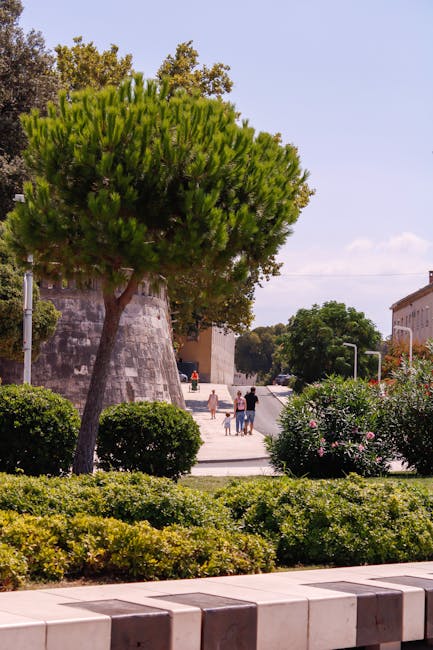
Key Gates and Bastions: Porta San Giacomo, Porta Sant’Agostino, San Vigilio
Bergamo’s gates and bastions mark historic thresholds between the fortified town and the outside world. Three are especially emblematic and easy to reach: Porta San Giacomo, Porta Sant’Agostino and the San Vigilio site with its fortress and commanding views.
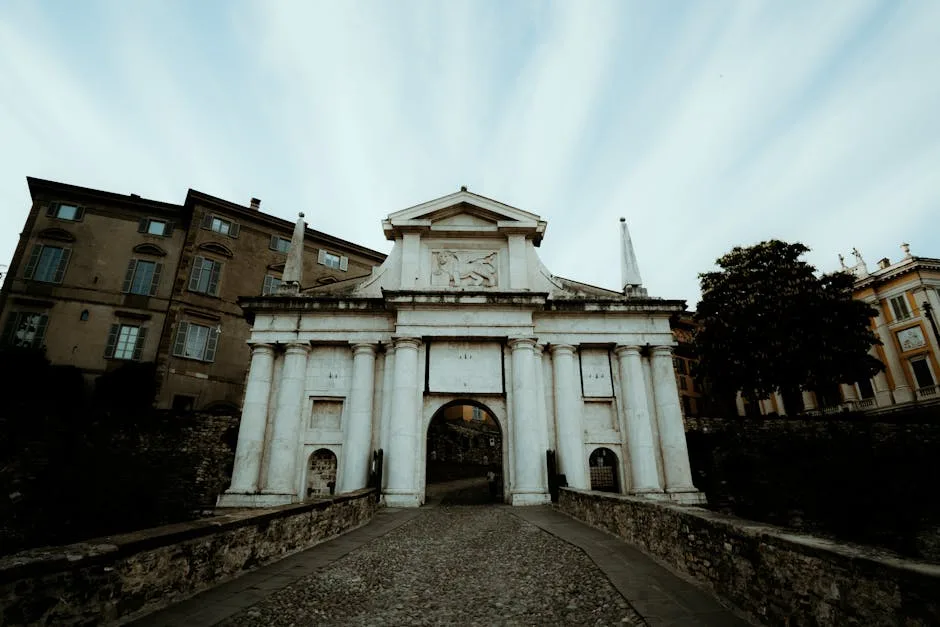
Porta San Giacomo — Address: Viale delle Mura, 24129 Bergamo BG (access from Piazza Mercato delle Scarpe). This monumental gate, built at the end of the 16th century, opens like a ceremonial entrance from the plain. It’s a great starting point for a walk along the walls. Free, accessible all day. The arch cuts a fine silhouette in morning light; the stone is weathered and decorated with sculpted details that reflect Venetian skill in military and civil architecture.
Porta Sant’Agostino — Address: Via Sant’Agostino, 24129 Bergamo BG (access leads up into the upper Città Alta near Via Gombito). This is one of the intact medieval entrances, with guard towers and a stairway that climbs toward Piazza Vecchia. The gate opens onto a neighborhood of narrow lanes, artisan workshops and gourmet shops. Parking is limited here; it’s best reached by funicular or on foot from Piazza Mercato.
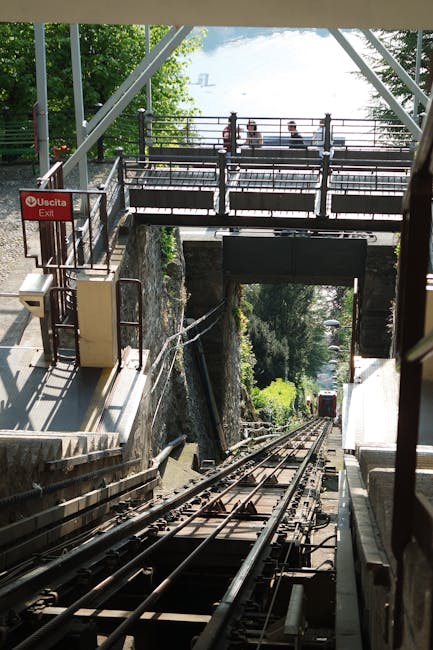
San Vigilio — Address and access: Colle di San Vigilio, Viale Roma, 24129 Bergamo BG (historic San Vigilio funicular departs from Piazza Mercato delle Scarpe). The San Vigilio promontory hosts a castle/fortification with restored remains and panoramic terraces. Riding the Bergamo Alta–San Vigilio funicular is an experience in itself: hours usually run from 9:00 to 19:00 (seasonal variations apply), round-trip fare about €2.50–€3.00 (one-way tickets on the Alta–Bassa and Alta–San Vigilio lines may require separate fares; prices subject to change). There’s a small café and trails that allow a roughly 45-minute loop around the summit.
Visit suggestions: combine Porta San Giacomo with a climb to Porta Sant’Agostino by way of Via Gombito and Via S. Lorenzo, stopping at San Vigilio for the panorama and a snack. The gates are also convenient reference points for public restrooms and multilingual info panels. Architecture fans should look for anti-siege features (buttresses, ditches, crenellations) and reused Roman stones sometimes visible in the masonry.
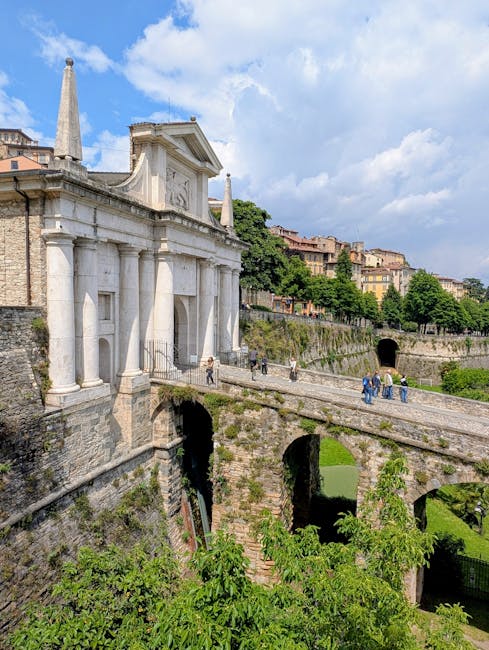
Themed Walks: Historical, Panoramic and Foodie Routes
Bergamo’s fortifications lend themselves to a variety of thematic routes. Here are three detailed options — each adaptable to your pace — to discover the Rocca and the walls while enjoying heritage, views and local flavors.
1) Historical route (2–3 hours): Start at Piazza Vecchia (Piazza Vecchia, 24129 Bergamo BG). Visit the Rocca di Bergamo (Via Rocca, 24129 Bergamo BG), then take Via Gombito up to Porta Sant’Agostino (Via Sant’Agostino). Climb to the Torre del Gombito if it’s open, cross Piazza Duomo and finish at the Museo di Scienze Naturali Enrico Caffi (Piazza Cittadella 10, 24121 Bergamo BG — check opening hours and prices). This route gives you a layered reading of the city — from municipal power to defensive structures — with plenty of stops for photos and architectural puzzles.
2) Panoramic route (2–4 hours): Start at the Bastione di San Giovanni (Viale delle Mura), follow Viale delle Mura to Porta San Giacomo, then continue to the funicular for San Vigilio (Piazza Mercato delle Scarpe). Do the Colle di San Vigilio loop for sweeping views of the plain and the Alpine ridge. Wear light hiking shoes, carry 1.5–2 litres of water in summer and a windproof jacket for the summit.
3) Food and relaxation route (3 hours): Begin with coffee and a polenta taragna at Caffè del Tasso (Piazza Vecchia 6, 24129 Bergamo BG — open 8:00–20:00); follow with a stroll on the walls, then descend to the Città Bassa and stop at Osteria Al Gigianca (Via XX Settembre 97, 24121 Bergamo BG) for local dishes like casoncelli alla bergamasca (average main course €10.00–€15.00). Finish with an aperitif at Ristorante La Colombina (Piazza Mercato delle Scarpe 5) or a handcrafted gelato on Via Gombito.
Practical tips for the routes: combine the funicular with walking to save energy on the steepest stretches; buy a combined ticket where available; choose off-peak hours (11:30–14:00 or after 16:00) to avoid crowds. Bring a map of the Città Alta and a portable phone charger — signage is good but a mapping app helps when diversions pop up.
Practicalities, Services and Local Advice for a Smooth Visit
Getting around Bergamo and making the most of the Rocca and fortifications requires a bit of common sense and practical know-how. Here’s what you need to organize your day without surprises.
Access and parking: the Città Alta is largely pedestrian. If you arrive by car, main parking areas are in the Città Bassa: Parcheggio Piazza della Repubblica (Piazza della Repubblica, 24121 Bergamo BG) and Parcheggio di Porta Nuova (Via Paleocapa, 24121 Bergamo BG). From there, take the funicolare (Funicolare Bergamo Alta-Bassa, Piazza Mercato delle Scarpe) which quickly links the lower town to the upper town. Lower funicular address: Funicolare Bergamo, Piazza Mercato delle Scarpe, 24129 Bergamo BG. Single funicular fare: about €1.50 (subject to change; tickets available from machines and kiosks).
Public transport and accessibility: Bergamo has a bus network run by ATB Bergamo. Tickets can be bought online, at kiosks or from ticket machines. For visitors with mobility impairments, parts of the Città Alta remain challenging; however, the city offers adapted routes and facilities to reach certain viewpoints and museums. Contact the tourist office for specific info and assistance.
Best seasons and weather: spring (April–June) and autumn (September–October) bring mild temperatures, fewer crowds and ideal light for photography. Summer is pleasant but can be hot and busy; winter is quieter and sometimes misty — atmospheric, but trails can be damp.
Safety and preservation: follow closed-off areas and conservation signage: these walls are protected sites under ongoing restoration. Don’t climb unauthorized sections, take your rubbish to public bins and be respectful. Photography and drones: drone flights are regulated — check with local authorities for permits if needed.
Local bonus tips: try polenta e osei (a traditional sweet) at a historic pastry shop; buy olive oil or local cheeses in the small artisan shops on Via S. Giacomo; morning mist over the plain makes magical photos from the northern bastions. Above all, chat with the bergamaschi — they’ll happily share stories and anecdotes that bring the stones and ramparts to life.
Conclusion: A Living Heritage of Stone and Views
The Rocca and Bergamo’s fortifications are far more than frozen relics of a military past: they form a living urban landscape where history, nature and daily life meet. Each walk along the walls, each gate arch and each viewpoint tells a different story: Venetian stratagems, forgotten battles, civic transformations and a touristic revival. The sites featured in this guide — Rocca di Bergamo (Via Rocca, 24129 Bergamo BG), the Mura Veneziane (Viale delle Mura, 24129 Bergamo BG), Porta San Giacomo (Viale delle Mura) and the San Vigilio promontory (Viale Roma) — are accessible, complementary and suitable for all paces.
For the visitor the challenge is twofold: admire the panoramas while reading the signs of history. The forts and bastions offer unique photo frames at sunrise and sunset. The themed walks proposed here let you combine cultural discovery, relaxation and local gastronomy, and the practical tips (typical hours, prices, exact addresses) will help you plan your day pragmatically. Remember that conservation is an ongoing effort: follow the rules, support museums and participate in local life — for example by choosing a guided tour run by Bergamo associations — to help preserve these landscapes for future generations.
Finally, Bergamo is best discovered slowly. Take time to linger on a bastion, watch the light on a roof, listen to conversations in an alleyway and savor a local dish after your walk. The fortifications will literally lift you above the town, but they will also act as an anchor to understand its soul. Whether you’re passing through or staying longer, make the Rocca and Bergamo’s walls must-see stops: they are the beating heart of a city where history is still visible and alive today.