





Introduction
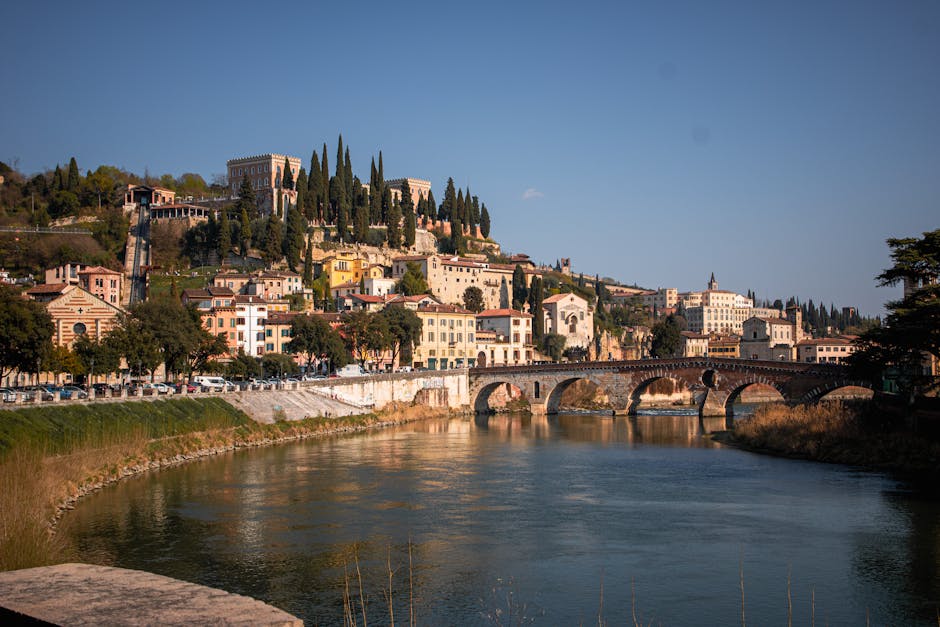
Bergamo is a place where centuries-old history and contemporary reinvention meet effortlessly. Perched between the Lombardy plain and the pre-Alpine hills, the city is split into two distinct halves: the Città Alta, the fortified old town, and the Città Bassa, the modern commercial core. Over recent decades Bergamo has carried out thoughtful urban transformations aimed at rethinking public space — from squares and promenades to neighborhood links, parks and everyday amenities. The goal is not merely aesthetic but deeply social and ecological: to make the city more accessible, safer, friendlier and more sustainable for locals and visitors alike.
Rethinking a city like Bergamo means honoring an exceptional architectural heritage — Piazza Vecchia, the Basilica di Santa Maria Maggiore, the Cappella Colleoni, the Palazzo della Ragione — while integrating contemporary needs: soft mobility, meeting places, pedestrian zones, greening and facilities for new crafts, artisans and responsible tourism. Projects target both iconic squares and small neighborhood nooks, creating a network of public spaces that talk to one another. The result? Quieter streets, squares reclaimed by people instead of cars, restored benches and fountains, and cultural events that use these refreshed settings.
In this article we’ll explore Bergamo’s most significant projects and achievements: the revamp of Piazza Vecchia and its surroundings, changes to traffic axes and funiculars, the greening and networking of parks like Parco dei Colli and the San Vigilio hill, and how cultural heritage fits into these new dynamics (museums, markets, cafés and workshops). For each focus I’ll give practical details: full addresses, typical opening hours, indicative prices in euros, immersive descriptions and local tips so you can make the most of these modernized spaces. Whether you’re a curious visitor, an amateur urbanist or a resident, this is a roadmap to understanding how Bergamo is rethinking the city through its public realm.
Finally, note that hours and prices can change — summer schedules, temporary closures for restoration or special events. I recommend checking official sites or tourist offices before planning your visit. That said, Bergamo’s life often happens outside strict opening hours: dawn walks along the walls, café moments on squares at dusk, impromptu concerts and street markets that animate the streets. These informal uses are central to the success of urban change: letting the city live, day and night, while respecting its history and embracing the future.
Reimagining the squares: Piazza Vecchia, Piazza del Duomo and new uses
Piazza Vecchia is the heartbeat of Bergamo’s Città Alta. Sitting atop the historic hill, it’s framed by major landmarks: Il Campanone (Torre Civica), the Palazzo della Ragione and the Biblioteca Angelo Mai. Address: Piazza Vecchia, 24129 Bergamo BG. The square has seen interventions to boost accessibility and social life: leveling of cobbled surfaces to ease walking and wheelchair access, night lighting redesigned to showcase façades, and discreet street furniture (benches, access lanes for emergency vehicles) to prevent long-term parking from taking over the space.
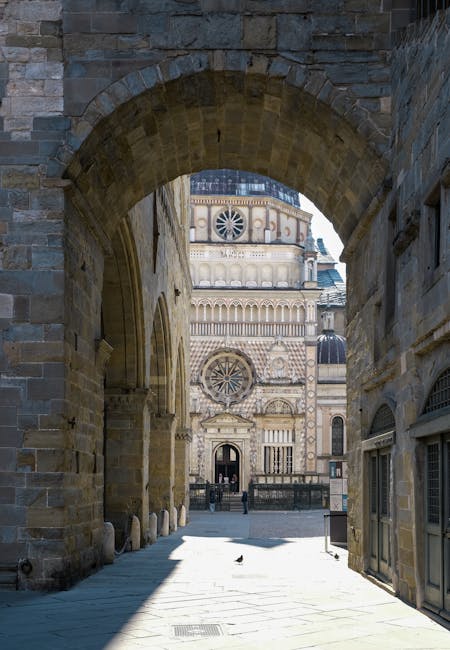
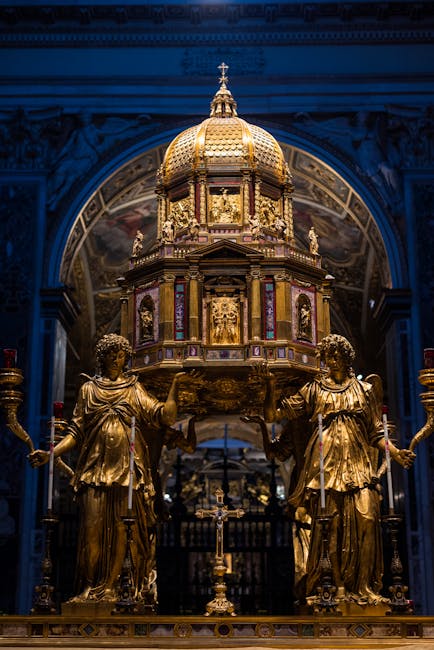
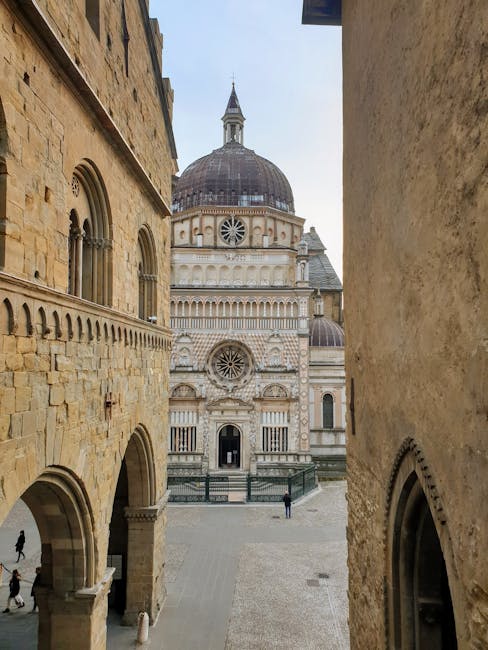
Right next to it, Piazza del Duomo houses the Basilica di Santa Maria Maggiore (Piazza del Duomo, 24129 Bergamo BG) and the Cappella Colleoni (Piazza Duomo, 24129 Bergamo BG). The Basilica di Santa Maria Maggiore welcomes visitors daily; typical hours: 07:00–12:00 and 15:00–19:00 (seasonal variations may apply). Entry to the basilica is free; some exhibitions or guided tours can be ticketed (around €3–8). The Cappella Colleoni, famed for its Renaissance architecture and lavish decoration, often requires a combined ticket with the Museo Donizettiano: indicative price €5–10 depending on exhibitions. Addresses and facilities make access straightforward, but the challenge was managing tourist concentration without stripping the public space of local life. Reworks therefore favored expanded pedestrian areas and visitor flows that don’t cut off daily community use.
These squares are no longer just transit spots: they’ve become stages for neighborhood life. Weekly artisan markets, classical and contemporary concerts, and children’s workshops are regularly scheduled. The Palazzo della Ragione (Piazza Vecchia, 24129 Bergamo BG) often hosts exhibitions and events, with hours that change frequently (often 10:00–18:00; tickets €3–12). Local tip: visit early in the morning for soft light on the stone and crowd-free photos, and return after dark for the mellow atmosphere and cafés that keep late hours in the Città Alta.
 Click here to book a guided tour of the upper town
Local tips: avoid parking in the Città Alta (limited traffic zones, ZTL). You can park in the Città Bassa, for example at Parking Fara (Via Fara, 12, 24121 Bergamo BG) or Parking del Centro (Via Angelo Maj, ?), then take the funicular up. For an authentic coffee with a view, try Caffè del Tasso (Piazza Vecchia, 7): espresso ~€1.20–1.50 (indicative). Also respect the service times of religious offices if you want to attend a mass: the basilica is an active place of worship and some areas may be closed during ceremonies.
Soft mobility: funiculars, bike lanes and gradual pedestrianization
Bergamo has developed a mobility strategy that prioritizes walking, cycling and public transport while keeping historical access via the funiculars. The first funicular many visitors encounter is the Funicolare Bergamo Alta (Funicolare Città Bassa–Città Alta), linking the Città Bassa to the medieval heart of the Città Alta. The lower station is at Largo Porta Nuova (near Viale Vittorio Emanuele II) and the upper station at Piazza Mercato delle Scarpe / Città Alta. Approximate fare: single ticket €1.50; daily passes and integrated ATB tickets are available (€1.50–4.50 depending on the option). Typical hours: 06:00–00:30, but they vary by season and maintenance; check ATB Bergamo before you travel.
Another popular funicular heads to San Vigilio, offering panoramic views over Bergamo and the plain. Lower station address: Piazzale degli Alpini (near Piazzale Vittorio Veneto / Viale Vittorio Emanuele II). Typical hours: 08:00–19:00 depending on the season; indicative one-way fare €1.50–2.50. The summit, with the Castello di San Vigilio (Piazza Colleoni 1, local landmark), has trails and a small viewing park — ideal for sunsets. These funiculars are not only practical transport links but heritage attractions in themselves, integrating mobility into the scenic experience.
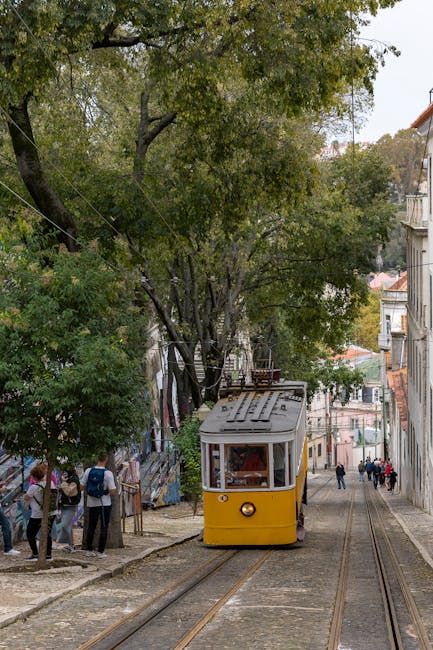
At the same time, the city is investing in bike lanes and expanded pedestrian zones, notably along Viale Papa Giovanni XXIII and via XX Settembre, improving connections between the Città Bassa and residential neighborhoods. Bike-share stations and marked routes encourage exploring Bergamo at a slower pace: riverside stretches along the fiume Serio or routes near Parco dei Colli are highly recommended. Bike rentals: many shops in the Città Bassa offer half-day (€8–12) or full-day (€15–25) rates; e-bike rentals usually cost €25–40 per day.
Click here to explore Bergamo by e-bike and its surrounding hills
Practical tips: buy a combined funicular + museum ticket if you plan to ride up often; check off-peak hours to avoid crowds (weekday mornings are quieter). For cycling, bring a sturdy lock and be cautious on the cobbled streets of the Città Alta — stick to wide pedestrian crossings or designated lanes. Finally, respect ZTL zones (Zone a Traffico Limitato): car access is often restricted to residents and authorized vehicles, and camera enforcement is common.
Parks and hills: Parco dei Colli, the Walls Trail and San Vigilio
The hills around Bergamo have been reimagined as public spaces for relaxation, biodiversity and urban hiking. Parco dei Colli di Bergamo is an extensive network of trails, woods and viewpoints spanning multiple municipalities in the province. Main entrance and information office: Via San Vigilio, 1 (access points vary); the park is free to enter and open year-round — visitor center hours vary (often 09:00–17:00). The park has seen trail restoration, nature signage and rest areas added, making it more accessible for families and casual walkers.
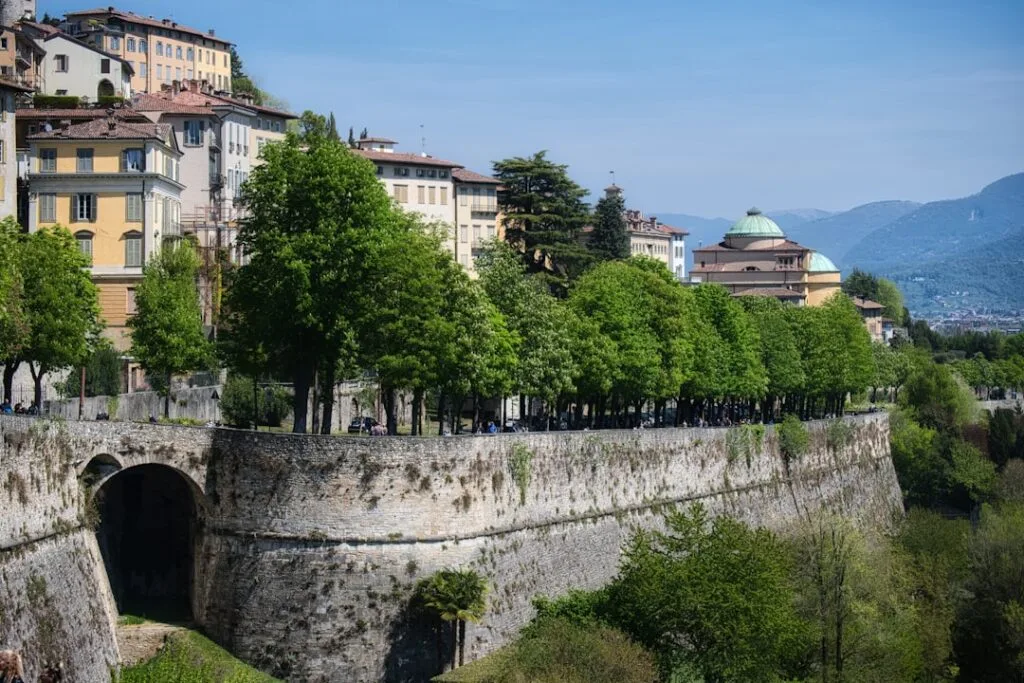
The Sentiero delle Mura (the walls walkway) follows the long belt of Venetian walls listed as a UNESCO World Heritage site. Access: multiple entry points from the Città Alta (Piazza Mercato delle Scarpe, Largo Giacomo Carrara). This route blends heritage and nature: it links bastions, historic gates and viewpoints that have been converted into public spaces with benches, interpretive panels and soft lighting for evening strolls. The experience is immersive: you move from medieval stone to olive trees and wildflowers while enjoying sweeping views over the lower Bergamo valley.
San Vigilio is a signature hill accessible by funicular (mentioned above): it features the Castello di San Vigilio (a lookout and occasionally a temporary exhibition space) and gentler trails than those in Parco dei Colli. Summit address: Via San Vigilio, 24129 Bergamo BG. On site you’ll find simple refreshment points and pergolas for picnics. Recent improvements include interpretation panels about local wildlife and adaptive paths for people with reduced mobility on some sections.
Click here to book a private tour of the UNESCO walls
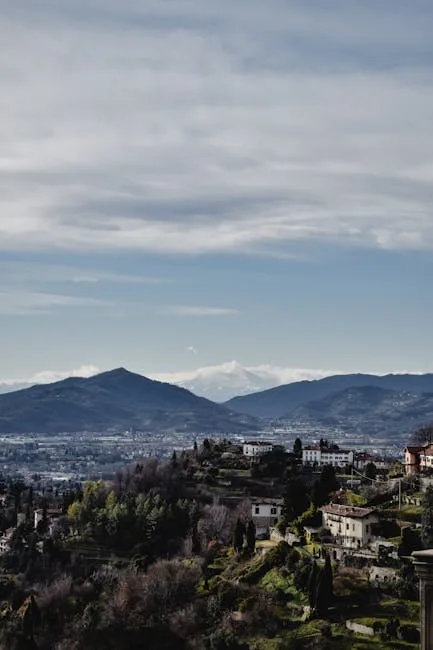
Practical tips for the parks: bring water, especially in summer; hikes can easily take 2–4 hours if you combine routes. Comfortable hiking shoes are recommended: trails can be rocky or muddy after rain. If you visit Parco dei Colli with children, scout playground and picnic areas ahead (they often have tables). For photographers, morning and late-afternoon light create outstanding contrasts between the old city and the plain.
Living heritage: museums, markets, cafés and micro-economies
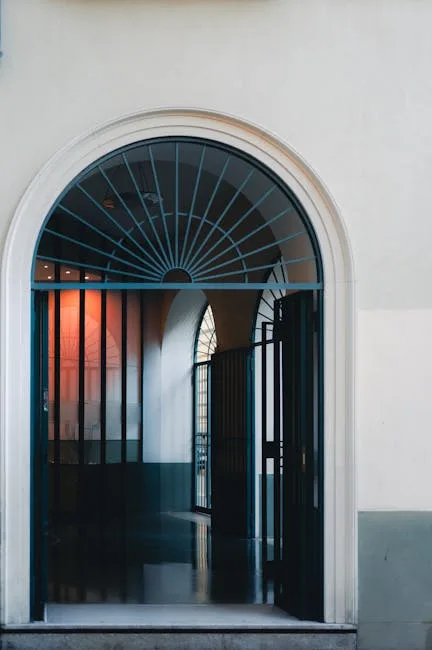
Modernizing public space in Bergamo has gone hand-in-hand with a strategy that uses heritage as an economic and social engine. The Accademia Carrara di Belle Arti (Piazza Giacomo Carrara, 82, 24121 Bergamo BG) is a prime example: a historic art museum recently renovated to combine its permanent collection with international temporary shows. Typical hours: 10:00–17:00 (closed Monday); indicative ticket: €8–12. The museum offers guided tours and children’s workshops, and the immediate public realm (squares and pavements) has been redesigned to accommodate queues and temporary installations without encroaching on pedestrian flow.
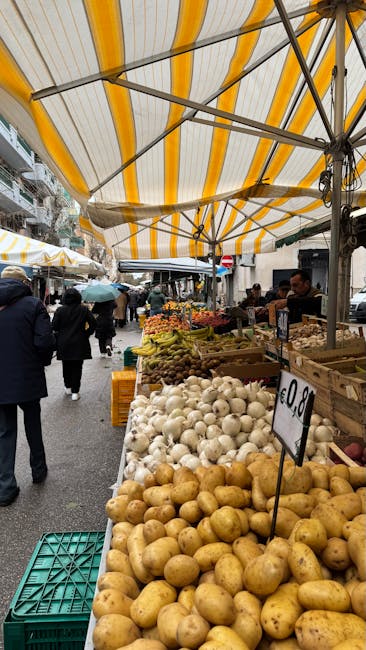
Bergamo’s markets also feed the vitality of public spaces. The Mercato delle Scarpe in the Città Alta and the via XX Settembre market in the Città Bassa are places where producers, artisans and residents meet. Via XX Settembre market: Via XX Settembre, 24121 Bergamo BG — typically active Monday to Saturday (hours: 08:00–13:00 for most stalls). You’ll find local fruit and vegetables, cheeses like Taleggio (PGI), cured meats, and street food stalls. Indicative prices: a fruit basket for two ~€3–6, gourmet sandwich €4–7 depending on fillings. Markets have become anchors that contribute to the refurbishment of sidewalks and shopfronts.
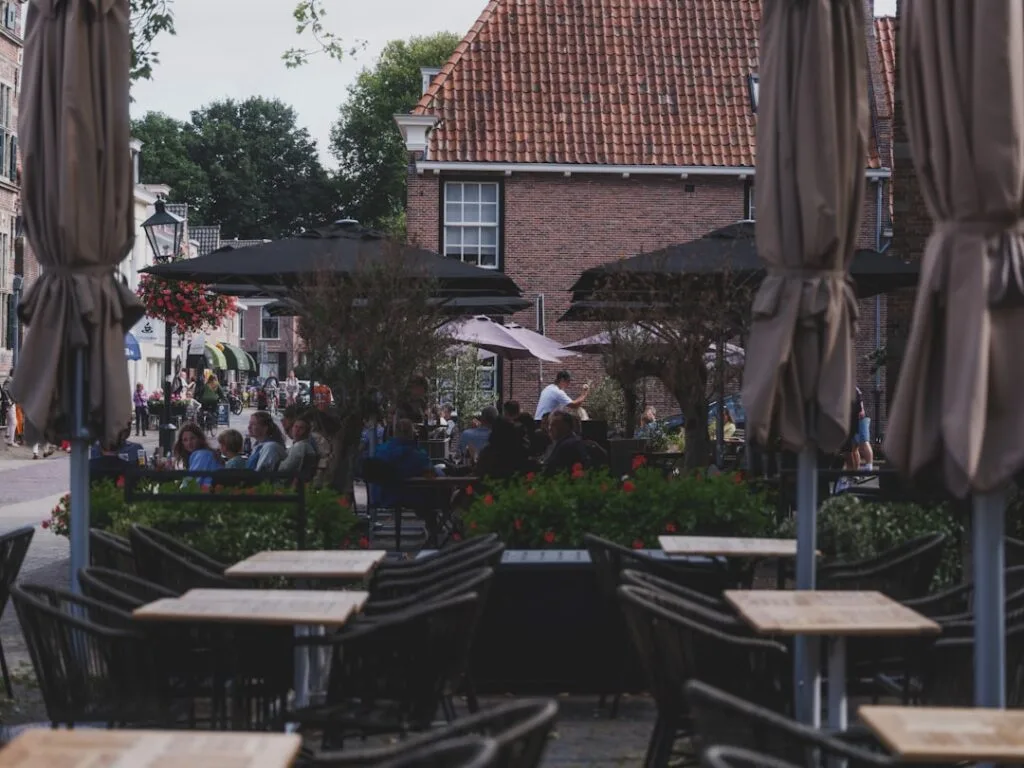
Urban renewal has also encouraged micro-economic spaces: literary cafés, artisan shops, neighborhood coworking spaces and small restaurants that spill onto squares and inner courtyards. Caffè dello Zio (an example of a small local café), typically on secondary streets in the Città Bassa, offers espresso from about €1.10–1.50. These micro-spaces are designed so residents can work, meet and buy local without reverting to cars. Municipal initiatives support them through temporary terrace permits and discounts for young entrepreneurs.
Click here to taste Bergamo on a guided street food tour
Click here to join the market and a private cooking class
Tips to enjoy living heritage: check the ATM di Bergamo calendar (tourist office) for special exhibitions and markets. Book museum tickets online in high season to avoid queues. For an authentic souvenir, look for local DOP/PGI products (Taleggio DOP, Salumi di Bergamo) at the markets rather than tourist shops. Finally, join local events (summer concert series, craft fairs) — they reveal the living side of public space regeneration.
Conclusion
Bergamo shows that protecting heritage and modernizing public space can go hand in hand. From upgrading historic squares to improving connections with funiculars, greening the hills and supporting neighborhood micro-economies, the interventions create a more liveable, accessible and resilient city. By prioritizing pedestrianization, soft mobility and urban amenities adapted to contemporary use, Bergamo hands back control of the streets to its residents while offering visitors a richer, more authentic experience.
Practically, this translates into more pleasant walks around Piazza Vecchia and the Duomo, easy climbs to San Vigilio thanks to the funicular, afternoons in Parco dei Colli, and delicious discoveries at the via XX Settembre market or the Accademia Carrara. Key addresses to remember: Piazza Vecchia and Piazza del Duomo (Città Alta), Accademia Carrara di Belle Arti (Piazza Giacomo Carrara, 82, 24121 Bergamo BG), Parco dei Colli (multiple access points), and the funicular stations for Città Alta and San Vigilio. Prices and hours given here are indicative: museum tickets €5–12, funiculars ~€1.50–2.50, cafés and markets remain affordable — but always check official updates before you go.
My final travel tip: leave time to wander. The best urban transformations are judged by how they’re used: watch how families occupy a square, listen to the music of an impromptu concert, taste a market treat and observe light falling on Venetian walls at sunset. Bergamo is not just an open-air museum; it’s a city reinventing itself day by day through its modernized public spaces. By respecting local rules (ZTL, service times), favoring gentle transport and supporting local initiatives, every visitor can help preserve and energize this living heritage.