





Introduction: Bergamo — where stone meets design
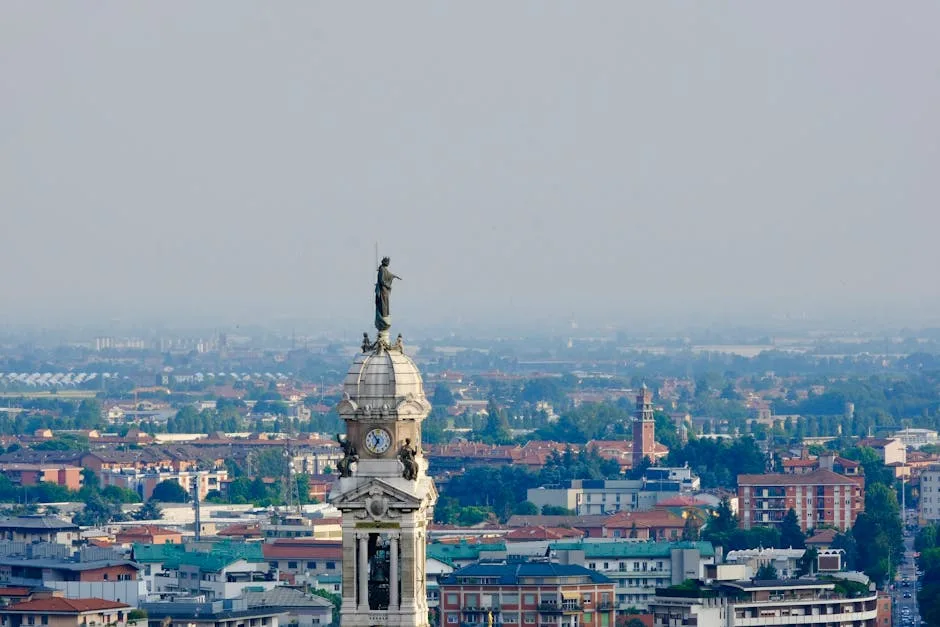
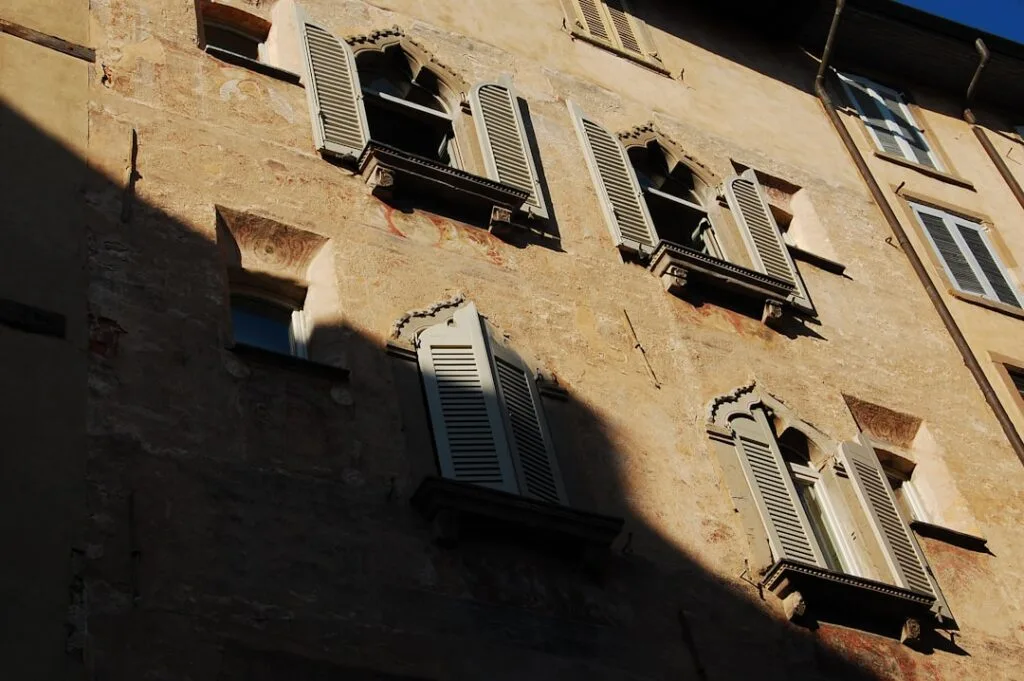
Bergamo often sits at a crossroads between tradition and modernity: the Città Alta, a protected historic hilltop, breathes medieval Italy with its cobbled lanes, while the Città Bassa reveals a bustling, commercial city that sometimes takes bold steps with contemporary interventions. But for lovers of modern architecture, Bergamo offers more than a pretty contrast; it presents a subtle yet rich design trail where the contemporary speaks to heritage without erasing it. This itinerary is made for those who want to read the city through its materials, its relationships to light, its industrial conversions and recent public projects.
In this introduction I invite you to look closely: study the lines, feel the textures, understand visual framing and spot the urban strategies that turned brownfields into cultural venues, façades into canvases, and squares into stages. Throughout this article we’ll combine walks, museum stops, architecturally minded cafés and urban viewpoints to compose a coherent route that can take from a half-day to two days depending on your appetite.
You’ll find full addresses, opening hours, indicative entry prices, immersive descriptions and practical tips here — such as the best times to photograph a façade or transport options between stops. This guide is for both the informed enthusiast and the curious traveler: it avoids needless technical jargon while explaining why a skylight, a structural grid or a polished concrete finish can transform a place.
We’ll explore emblematic Bergamo sites where contemporary practice asserts itself: art galleries, industrial conversions, renovated public facilities and a few places where interior design is a manifesto. The route favors walking and short transfers, but offers bus or taxi alternatives. I’ll also cover practical details: prices in euros, exact addresses, opening times and visiting tips—essential to plan your day without surprises.
Bring comfy shoes, a notebook, and, if you like photographing architecture, a wide-angle lens. This trail is also an invitation to slow down: sit, observe, notice joints between materials and sense how a neighborhood has evolved over decades. Modern Bergamo is not flashy; its strength lies in the finesse of its interventions. Enjoy the visit.
GAMeC – Galleria d’Arte Moderna e Contemporanea di Bergamo (starting point)
GAMeC is often the first landmark for visitors interested in contemporary culture in Bergamo: located at the edge of the Città Alta, the gallery mixes national and international shows with a museographic approach that stages the dialogue between architecture and art. Address: Via San Tomaso 53, 24121 Bergamo BG. Hours: Tuesday to Sunday 10:00–18:00, closed Monday (check ahead for special opening days). Indicative admission: €8–12 (full price varies with temporary exhibitions; discounts for students, seniors and groups).
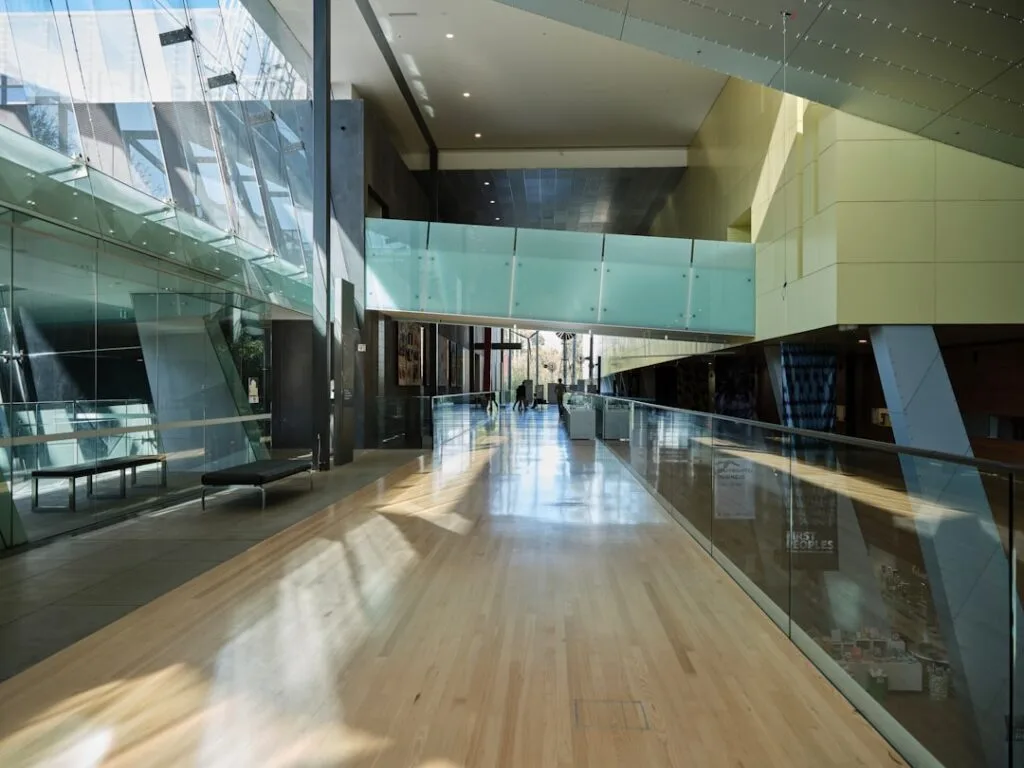
The visit starts in the entrance hall, which highlights the building’s structure — simple volumes, large swathes of zenithal light and neutral interior finishes that act as a frame for the works. The temporary galleries, recently renovated, play with modular partitions and rail lighting systems, allowing varied stagings: from geometric minimalism to immersive installations. For architecture lovers, pay attention to how natural light is filtered and redistributed, and how materials (polished concrete, painted metal, oak wood) interact to create atmosphere.
Local tips: arrive early to take advantage of soft light on the façade and to avoid school groups. The museum shop sells exhibition catalogs — useful to extend your reflection on the displayed design. Nearby cafés make for a good pause; note the two local bus lines (Line 1 and Line 2) that connect the area to the Città Bassa if you’d rather avoid the climb on foot.
Accademia Carrara and its contemporary wing: where classicism meets modern additions
Accademia Carrara, at Piazza Giacomo Carrara 82, 24121 Bergamo BG, is renowned for its collection of old master paintings, but its architecture and annexes also deserve the attention of design enthusiasts. Hours: Tuesday to Sunday 10:00–18:00 (closed Monday). Indicative admission: €10 full price, with frequent concessions. The institution underwent contemporary interventions during renovations and expansions; the contrast between historic volumes and new insertions is a textbook example of adaptive conservation.
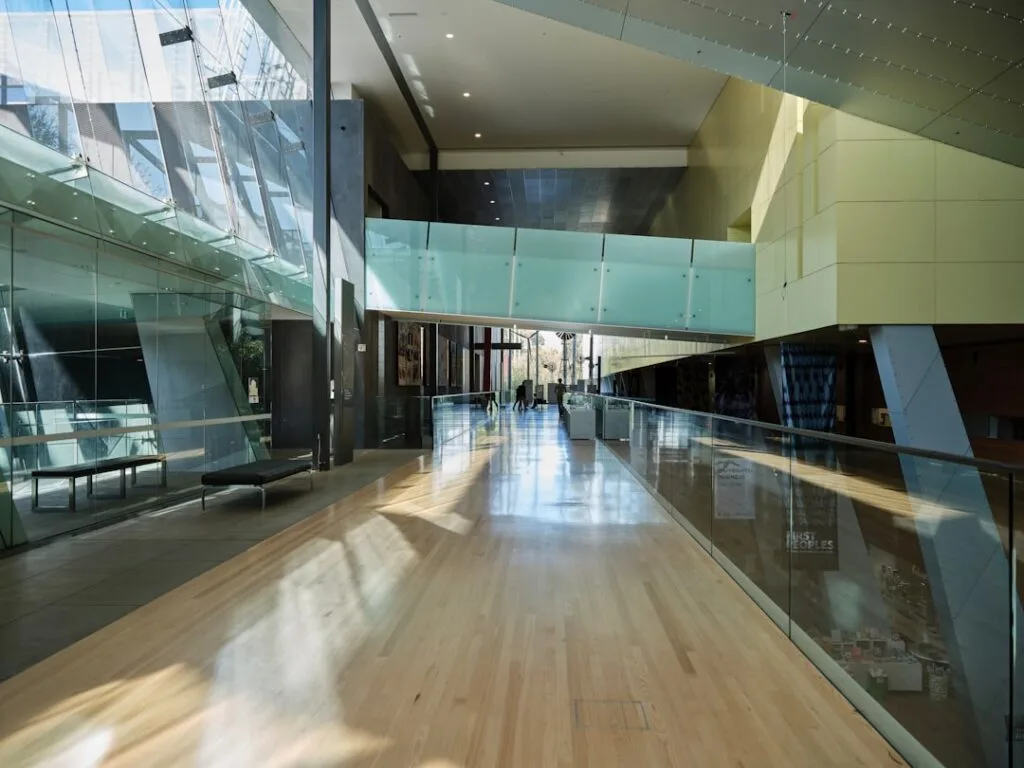
As you enter the museum, notice how service spaces, circulation routes and temporary exhibition areas have been handled: minimal but precise interventions — discreet ramps, indirect LED lighting, and careful junctions between ancient stone and smooth new surfaces. The modern reception hall acts as a visual filter between the square and the historic rooms, offering striking photographic opportunities along the entrance axis, the stairwell and the contemporary skylight that floods certain galleries.
Practical tip: combine a visit to the Carrara with GAMeC (they’re very close) for a fuller sense of the old/modern dialogue. Take time to read the museum labels that explain renovation choices; they often provide details on the architects and materials used. If you’re sketching, the terrace or the viewpoint toward the Città Bassa gives an ideal framing to capture overlapping historical layers.
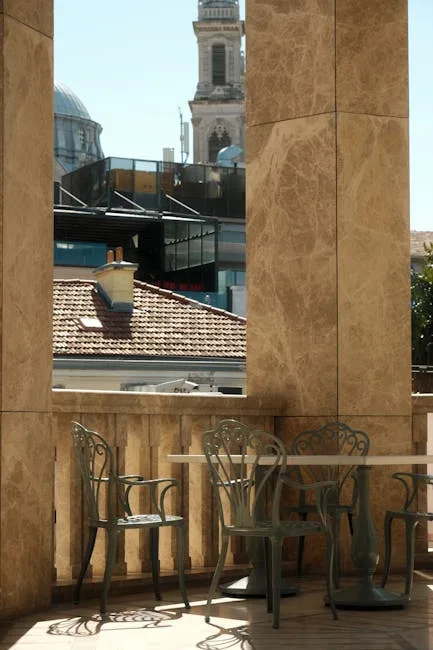
Industrial rehabilitation: the ex–San Tomaso quarter and recent interventions
Along Via San Tomaso and in nearby peripheral areas, Bergamo has transformed several industrial brownfields into cultural facilities and public spaces. Walk Via San Tomaso, Via alla Rocca and the former warehouse zones converted to observe recurring principles: façades opened to the city, large bays, exposed steel structures and planted courtyards. These projects aim to preserve industrial memory while offering contemporary volumes suitable for exhibitions, offices and start-ups.
A guided stroll can include stops at artist studios and design showrooms. The façades, often treated with restored brick or thermolacquered metal panels, reflect a pragmatic approach to reuse: keep what gives character, replace what hinders function. New elements — glass elevators, metal walkways, skylights — are generally designed to clearly distinguish themselves from the existing, encouraging a diachronic reading of the city.
Local tips: this area is ideal for a late afternoon walk, when sun reflections on metal and brick create warm tones for photos. Check local listings for events (openings, design markets) often announced on municipal pages and on café notice boards. Streets are well served by local buses and several park-and-ride facilities at the entrance to the Città Bassa make access by car easy.
Biblioteca Civica Angelo Mai and contemporary interventions on heritage
Biblioteca Civica Angelo Mai, at Piazza Vecchia 4, 24129 Bergamo BG (Città Alta), is a fine example of adapting a historic space to contemporary public service needs. Hours: generally Tuesday to Saturday 9:00–18:00 (times may vary by section). Entry to the library for on-site consultation is free; some special rooms or temporary exhibitions may charge a fee (variable rates).
The interior mixes historic woodwork with contemporary lighting modules and furniture. Architects chose a sober palette: black metal, light wood and glazed surfaces to reveal the historic stone while giving a legible reading of the new elements. Reading areas are designed to maximize visual comfort: indirect light, individual workstations and alcoves with integrated seating.
Practical tip: Angelo Mai is perfect for a studious pause; bring an architectural guide or a tablet to compare historic plans with the current state. If you’re interested in technical details, ask staff for restoration brochures: they often describe the methods used to stabilize vaults and integrate modern equipment (discreet climate control, embedded cabling).
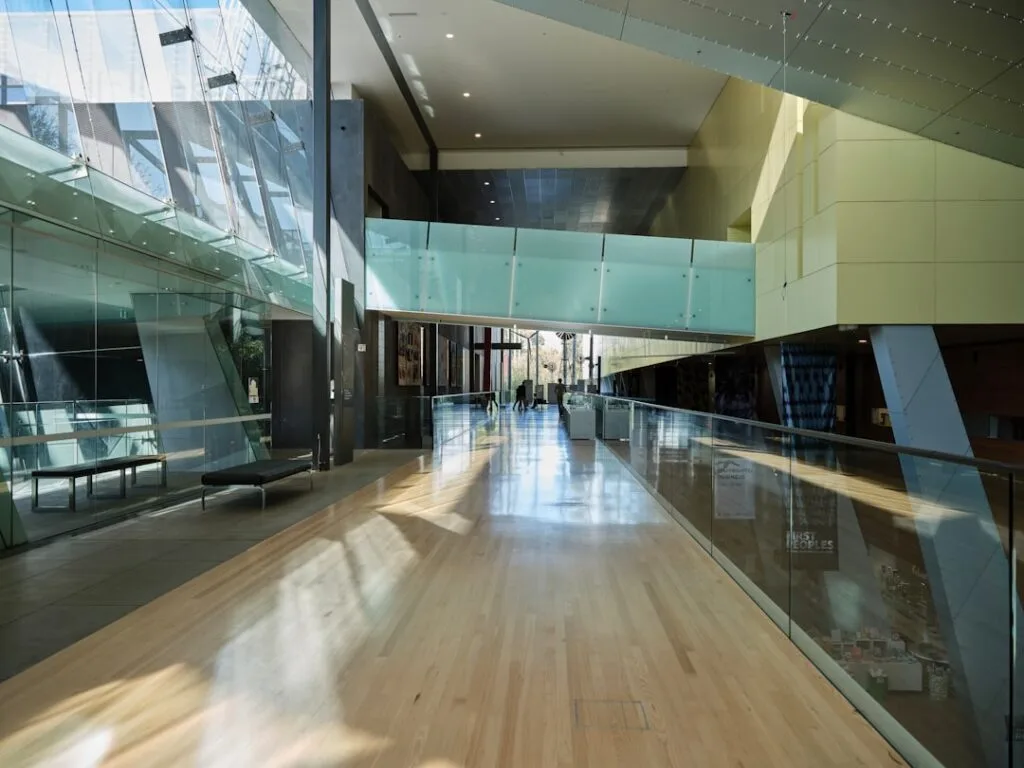
Urban route: squares, street furniture and contemporary lighting
A key element of modern urban design is not just buildings but how the city stages itself: furniture, luminaires, paving and signage. In Bergamo, renovations of squares like Piazza Matteotti and stretches of Via XX Settembre have included sculptural benches, striking paving slabs and streamlined lighting. These projects aim to harmonize material palettes and improve nighttime conviviality.
Observe how lighting fixtures are scaled: warm color temperatures on lampposts preserve the historic atmosphere while being placed with contemporary logic to highlight specific sightlines. Street furniture often features clean lines and composite materials suited to the Lombard climate, with drainage openings and discreet anti-vandal anchors.
Practical tip: to photograph furniture and lighting, favor dusk (the blue hour) for a balanced mix of natural and artificial light. Look for information plaques that credit the architect or design firm — they’re often a lead to discover other projects in the region.
Contemporary private architecture: design-forward hotels and restaurants
To extend your discovery, stop at a few private spots where interior design is part of the experience. Two places worth noting: Hotel Piazza Vecchia (address: Piazza Vecchia 1, 24129 Bergamo BG) and Ristorante Da Mimmo (Via Pignolo 64, 24121 Bergamo BG) — addresses and phone numbers can change, so check before booking. Character hotels often combine contemporary furniture with restored heritage elements: interior glass roofs, polished stone floors and sculptural lighting.
Contemporary restaurants follow the same logic: open kitchens, polished concrete counters, metal shelving and focused lighting over tables to create culinary scenes. These places are laboratories for design applied to comfort and image: easy-care materials, acoustic treatment and minimalist signage.
Practical tip: book dinner if you want to study ambient lighting and material finishes under artificial light. If your interest is strictly architectural, ask permission to see the hotel’s public areas — many will oblige, and it’s often a chance to talk with managers who can explain renovation choices.
Practical tips for a successful design route in Bergamo
– Best time: spring and autumn offer soft light and pleasant walking weather. Avoid peak tourist hours (11:00–15:00 in the Città Alta) for calmer photo sessions.
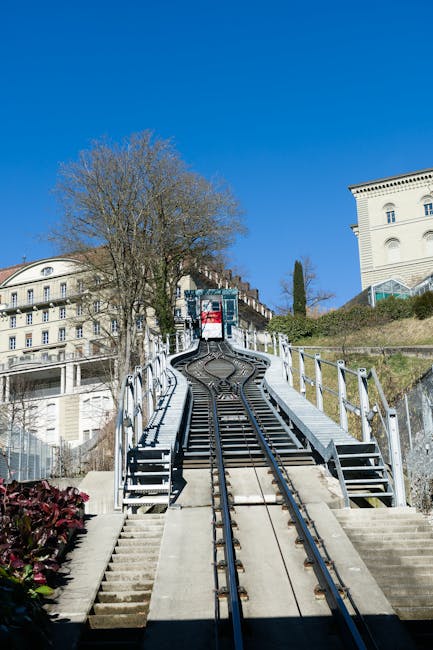
– Transport: Bergamo is compact; most sites listed are walkable from the Città Bassa. Use the funicular (Città Bassa ↔ Città Alta) to save energy and for the visual experience. The municipal bus system (ATB) covers the outskirts well.
– Tickets: check official sites for reservations and special rates (student, senior, combined GAMeC + Accademia). Museums may close certain days; consult updated notices before you go.
– Photography: respect museum rules about flashes and tripods. For exterior architecture, favor the golden hour or twilight for rich contrasts.
– Dining: favor small osterie in the center to taste local dishes; ask for a table by a window or courtyard to watch light play on façades.
– Respect the site: in heritage areas contemporary interventions are often sensitive — avoid touching restored surfaces and follow signage.
Conclusion: reading Bergamo through its contemporary lines
Bergamo offers an inspiring design trail where the contemporary doesn’t aim to conquer but to converse with the existing. Between GAMeC and Accademia Carrara, visitors clearly sense the local intent to highlight art and architecture, to use restoration as a creative opportunity and to reinvent industrial wasteland as useful, aesthetic places. The true pleasure of this route lies in balance: small, thoughtful interventions, material and scale dialogues, and constant attention to light.
At the end of this route you will not only have visited buildings and exhibitions but you will also have built a framework for reading: how an aging city incorporates the new, what conservation strategies local architects adopt, and how everyday design — street furniture, lighting, signage — shapes the collective experience. These elements are essential for anyone wanting to understand the value of the contemporary in a historic city.
Finally, remember that Bergamo is a city to listen to as much as to look at: residents, shopkeepers and curators can offer valuable insights into the projects that shaped the city. Take time to talk; every renovation has a human story. Return to Bergamo with trained eyes, and you’ll see every corner as a page of design in the making.