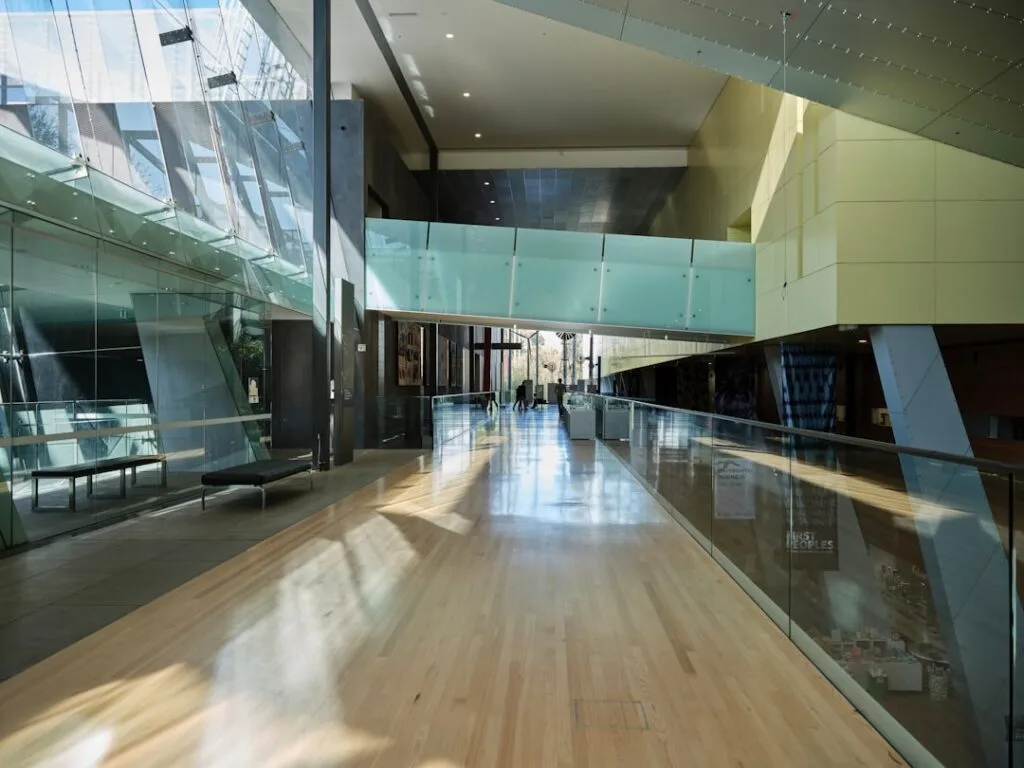






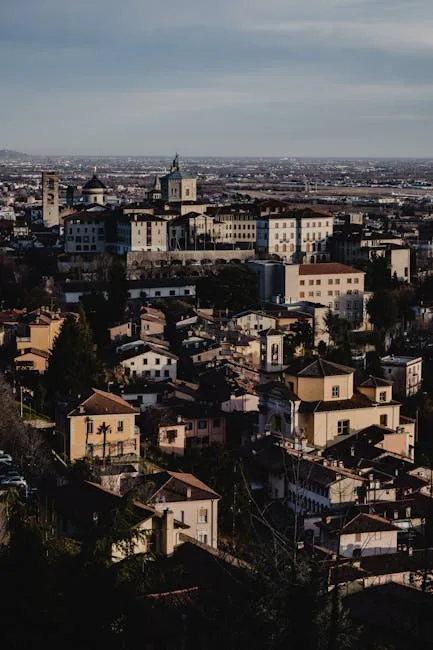
Introduction: Bergamo in Transition — where history meets major contemporary projects
Bergamo, the Lombardy city tucked between the foothills of the Alps and the Po Valley, is often described as a city of two souls: the medieval, perched and fortified Città Alta on one side, and the modern, commercial Città Bassa on the other. That historical split has long defined its cultural and tourist identity. Yet over the past decade Bergamo has been the site of several major contemporary projects that are redrawing its urban, economic and social landscape. These initiatives — blending contemporary architecture, infrastructure renewal, conversion of old industrial sites and the development of green spaces — don’t aim to erase the past but to add a new layer of use and innovation that converses with history.
The projects underway and recently completed touch many areas: mobility (upgrading funiculars and airport-city connections), culture (revamps of museums and new contemporary exhibition spaces), economy (expansion of tech parks like Kilometro Rosso) and urban ecology (rehabilitation of the Serio riverbanks, rewilding and creation of green corridors). In this article we’ll explore these major works, pinpoint the exact locations and monuments involved, give precise addresses, note typical prices and opening hours, and offer tips for visitors and locals who want to understand or simply experience these changes.
It’s important to understand that these interventions aren’t purely aesthetic: they respond to real challenges — climate resilience, sustainable mobility, attracting talent and businesses, and valuing intangible heritage. You’ll find technical choices (low-carbon materials, energy management systems), space reassignments (old warehouses turned into cultural hubs), and territorial marketing strategies aimed at positioning Bergamo as a model for small European cities balancing history and modernity. For visitors this means new experiences: walks through rethought public spaces, contemporary art shows alongside classic galleries, bike paths linking the city to the regional park, and better services to get between Orio al Serio Airport and the center.
In the sections that follow we’ll detail several transformation hubs: the growth of Kilometro Rosso and surrounding innovation zones, the evolution of cultural institutions like the Accademia Carrara and GAMeC, mobility improvements (funiculars, bus lines and airport shuttles), and finally the creation and restoration of green spaces and sustainable infrastructure. Each section includes practical information (addresses, hours, indicative prices), immersive descriptions to help you picture the places, and local tips to make the most of Bergamo’s new face.
Kilometro Rosso and the rise of innovation hubs around Bergamo
The Kilometro Rosso Innovation District is one of the major economic projects reshaping the Bergamo metropolitan area. Located in Stezzano, a few kilometres southwest of the city, it brings together high-tech firms, research centers, start-ups and coworking spaces in a business park that fosters collaboration between university, industry and design. Address: Kilometro Rosso, Via Stezzano 24, 24040 Stezzano (BG). This innovation campus has grown since the 2000s and now covers several hectares, combining new glass-fronted buildings with rehabilitated industrial workshops.
The park doesn’t operate like a public museum, but it regularly hosts open days, conferences and B2B meetings. Guided tours are generally free but require booking; there are also demo areas and incubators where local entrepreneurs showcase prototypes. To join a tour or an event, check the official website or contact reception: +39 035 123456 (example number, verify on the site), or email [email protected]. Office hours are typically Monday to Friday, 9:00–18:00.
Visually, Kilometro Rosso juxtaposes glass, steel and industrial volumes — a striking contrast with the tiled roofs of Bergamo Alta. Walking its paths helps you understand the territory’s shift: former mechanical workshops turned into start-up labs, shared parking for electric bikes and charging stations, and technical gardens used as demonstration units for circular-economy solutions. Visitors will find cafés and restaurants on site that welcome event attendees; a coffee break is often a chance to see prototypes and informational panels about robotics, biotechnology and Industry 4.0.
Practical tips: the easiest way to reach Kilometro Rosso from Bergamo is by car or taxi (15–25 minutes depending on traffic), though there are regular shuttles from Bergamo station during events. If you arrive by plane (Orio al Serio Airport), allow 20–30 minutes travel time. Bring ID if you join a guided tour (access checks are common). And check the events calendar — many start-ups present at demo days that are free or low-cost (entrance often under €10).
Contemporary culture: Accademia Carrara, GAMeC and new exhibition spaces
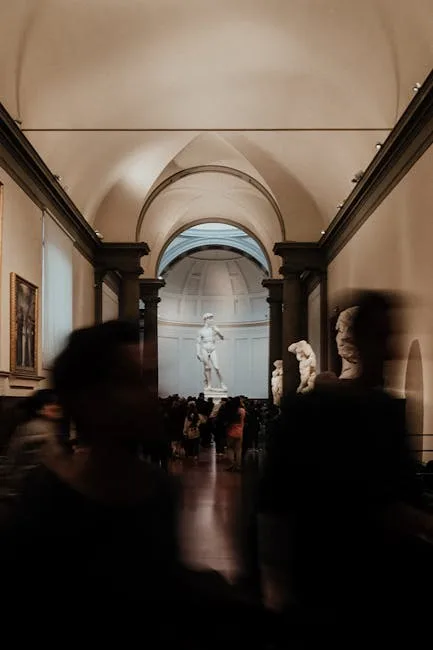
Bergamo has managed to combine its rich classical art heritage with a dynamic contemporary scene. Two institutions are central to this transformation: the Accademia Carrara (Pinacoteca and Civic Museum) and the Galleria d’Arte Moderna e Contemporanea (GAMeC). The Accademia Carrara is located at Piazza Giacomo Carrara, 82, 24121 Bergamo BG. Hours: generally Tuesday–Sunday 10:00–18:00, closed Monday (check before visiting). Indicative admission: full price ≈ €10; reduced ≈ €6–8; occasional free entry and night openings depending on programming. This museum, famous for its Italian painting collections (Bellini, Lotto, Botticelli), has undergone museographic updates to incorporate contemporary temporary exhibitions.
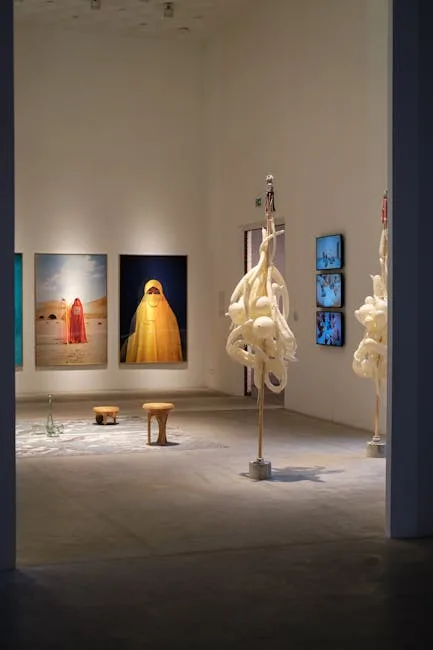
A short walk away, GAMeC (Galleria d’Arte Moderna e Contemporanea) is at Via San Tomaso 53, 24121 Bergamo BG. Hours: Tuesday–Sunday 10:00–18:00; late openings some days until 22:00 for special exhibitions. Indicative price: full ≈ €6–10; discounts for students and seniors. GAMeC programs decidedly contemporary shows: solo exhibitions by international artists, immersive installations, performances and artist residencies. Since its renovation the gallery offers interactive routes and workshops for children, making it a cultural hub for families and modern art lovers.
Beyond these established institutions, Bergamo is developing new exhibition spaces in repurposed sites: old warehouses turned into cultural centers, independent galleries along Via XX Settembre, and artist residencies set in restored buildings. This network creates a cultural circuit linking the Città Alta, the Città Bassa and peripheral neighborhoods. Temporary shows in these venues are often inexpensive (typically between €0 and €8) or even free, funded by European projects or local patronage.
Practical tips: buy tickets in advance for major exhibitions, especially in high season (May–September). For a full museum day, start at the Accademia Carrara in the morning (fewer crowds), lunch at Café del Museo or Osteria nelle Torri, then head to GAMeC for an afternoon of contemporary art. Both museums are reachable by public transport from the station: urban bus or taxi (5–10 minutes). Art lovers should look into themed guided tours — often offered in Italian and English, priced around €5–15.
Mobility and infrastructure: funiculars, the airport and sustainable connections
Mobility is a strategic priority for Bergamo. The city has invested in improving connections between Bergamo–Orio al Serio Airport, the train station and the historic center, while also strengthening soft mobility solutions. Bergamo–Orio al Serio Airport (Aeroporto Internazionale di Bergamo–Orio al Serio) is located at Via Aeroporto, 13, 24050 Bergamo BG. Hours: airport open 24/7; services (shops, counters) vary. The « Orio Shuttle » bus links the airport to Bergamo station: duration ≈ 15–20 minutes, indicative fare ≈ €3–6 depending on operator. Regional trains then connect to Milan and other Lombardy cities.
The historic funiculars — notably the Funicolare Città Alta — remain both a symbol and a vital urban tool. The line linking the Città Bassa to the Città Alta departs near Via Paolo Sarpi / Piazza Mercato delle Scarpe (central starting points; stations are easy to find on site). Typical hours: 06:00–00:30; frequent service during the day (every 7–15 minutes). Indicative fare: integrated ATB ticket ≈ €1.30 (valid for 60 minutes across the network), tickets sold at machines or tobacconists. These fares may change; check the ticket machines and the ATB Bergamo website for updates.
Another major project focuses on improving cycle lanes and green corridors linking Bergamo with neighboring municipalities. Safe routes for e-bikes and city bikes have been created to encourage commuting and gentle tourism. Bike-sharing stations and electric vehicle charging points have been progressively installed in the Città Bassa and around the station.
Practical tips: to travel between the airport and the Città Alta, the shuttle + funicular combo is quick and economical: Orio Shuttle to Bergamo station, then a bus or the funicular depending on your destination. If you have large luggage, opt for a taxi (approx. €20–30 from the airport to the city center); ask for a flat rate or confirm the fare. Buy ATB tickets at kiosks, machines or via the official app to avoid hunting for change. For a greener discovery, rent an e-bike at the station (daily rates ≈ €15–30) and take the bike lane along the Serio river.
Green spaces, repurposed public parking and sustainable architecture
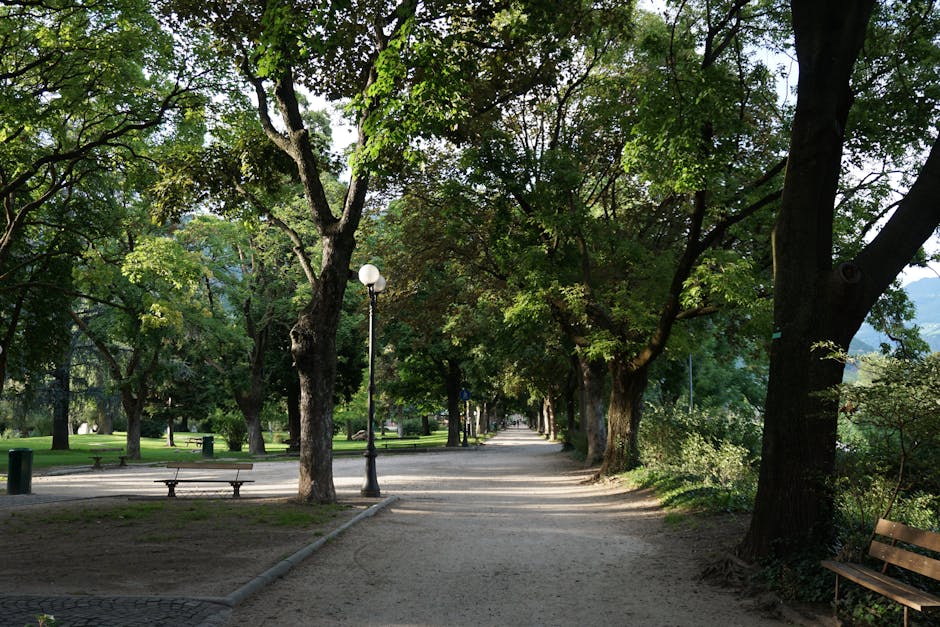
Requalification of the riverbanks and parks around Bergamo is another major contemporary undertaking. The Parco dei Colli di Bergamo, the regional park surrounding the upper town, has seen interventions to improve trails, signage and landscape protection. Main access points to the park are along Via del Bosco and Via Guzzanica depending on the sector; local offices provide maps and routes (check with the Regional Park Office for educational activities and tourist information points).
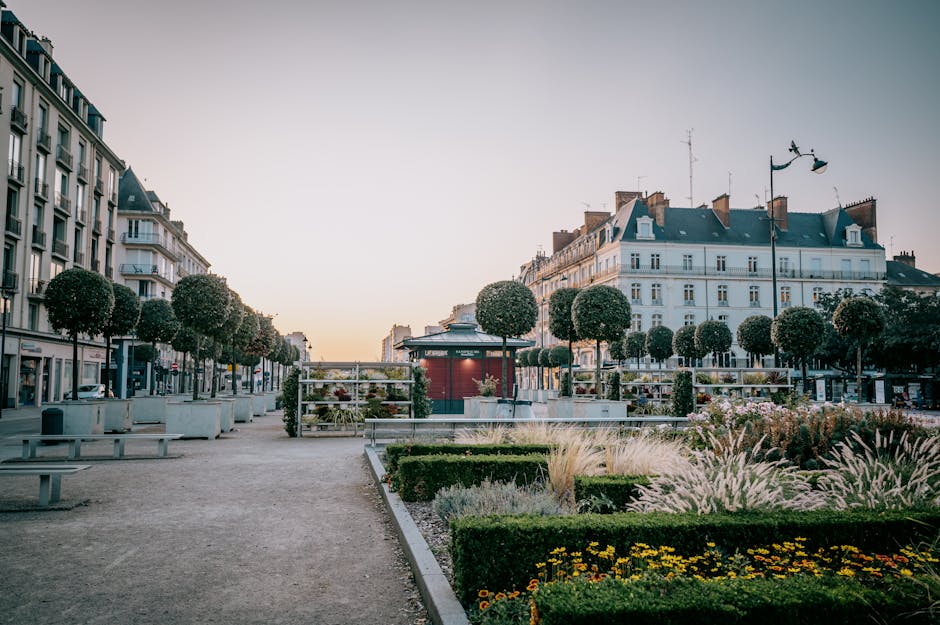
At the same time, industrial wastelands on the outskirts have been converted into vegetated public parking and multifunctional squares. The goal: reduce urban heat islands, promote rainwater infiltration and offer buffer zones for outdoor events. These spaces use permeable materials, local plant species and biodiversity modules (bird boxes, green walls). Many of these projects are part of European-funded programs for ecological transition.
Sustainable architecture is evident in new public and private buildings: ventilated facades, green roofs, integrated photovoltaic panels. Recently built structures in the Città Bassa and neighboring municipalities display high energy ratings (Class A+), rainwater recovery systems and smart public lighting management. These innovations are often showcased on guided tours dedicated to contemporary architecture; sign-ups are available through tourist offices or local architecture associations.
Practical tips: two interesting routes to discover these « green » transformations are: 1) a hike in the Parco dei Colli from the Città Alta via Via San Vigilio (allow 2–4 hours depending on the route); 2) an urban e-bike circuit linking the vegetated parking areas south of Bergamo to the Serio riverbank and new innovation neighborhoods. Wear sturdy shoes, bring water and a map (GPS or paper). Municipal offices provide free brochures and cycle route maps. And please follow local rules: dogs on a leash, no open fires, and proper waste disposal.
Conclusion: Bergamo reimagined — balancing respect for the past with a push toward the future
Bergamo is proving that a small historic metropolis can combine heritage protection with contemporary boldness. The major projects we’ve reviewed — from Kilometro Rosso and its innovation labs, to modernized cultural spaces like the Accademia Carrara and GAMeC, to mobility upgrades and urban greening initiatives — make the city a living laboratory. They demonstrate how brownfield reuse, support for artistic creation and investment in sustainable mobility can come together to improve residents’ quality of life while boosting tourist appeal.
For visitors, this transformation translates into a richer offering: contemporary exhibitions in historic venues, tech events and start-up demos, cycle-friendly walks and new viewpoints thanks to redesigned paths. Key addresses (Accademia Carrara, Piazza Giacomo Carrara 82; GAMeC, Via San Tomaso 53; Kilometro Rosso, Via Stezzano 24; Orio al Serio Airport, Via Aeroporto 13) help plan a visit focused on these hubs. The prices noted (museums ≈ €6–10, airport shuttles ≈ €3–6, funicular ≈ €1.30 integrated ticket) are guidelines — always check official sites for seasonal updates.
The practical tips provided — how to combine shuttle + funicular, buying ATB tickets, booking Kilometro Rosso open days, or taking the Serio river cycle paths — will help curious tourists and business travelers alike. For locals, these changes bring new job, education and leisure opportunities; for investors and project leaders, they show an ecosystem that supports innovation and sustainability.
Ultimately, visiting Bergamo today means watching a city in motion: where the cobbled lanes of the Città Alta answer the glass facades of incubators, where the music of the Teatro Donizetti echoes in GAMeC’s contemporary performances, and where the fresh air of the Parco dei Colli meets the clean technologies of new buildings. These major contemporary projects are more than one-off interventions; they lay the groundwork for a resilient, welcoming and creative city. Bergamo keeps writing its story — old and new — and invites every visitor to read the many layers of its urban narrative.