





Introduction — Contemporary dance festival in Bergamo’s medieval cloisters
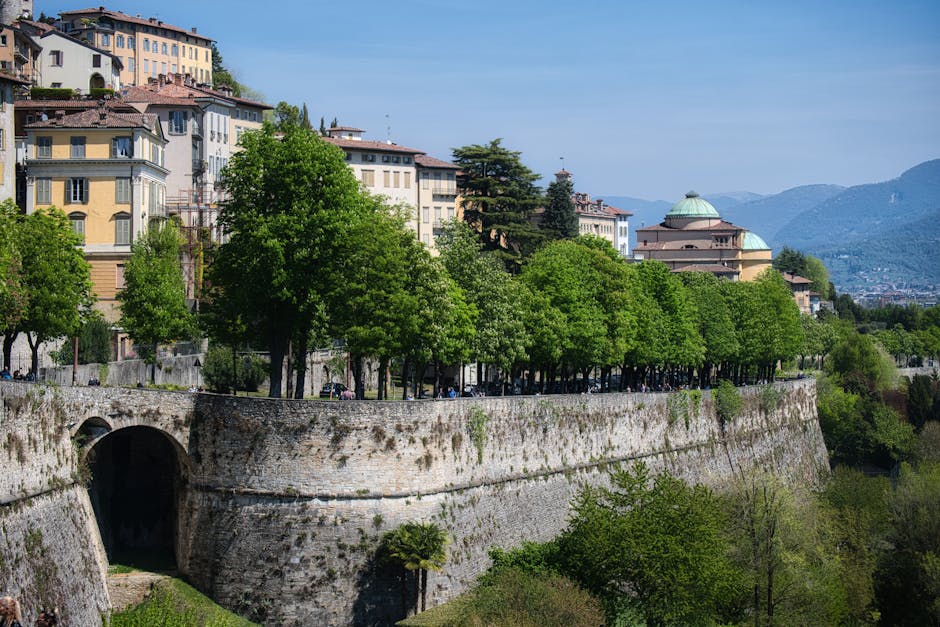
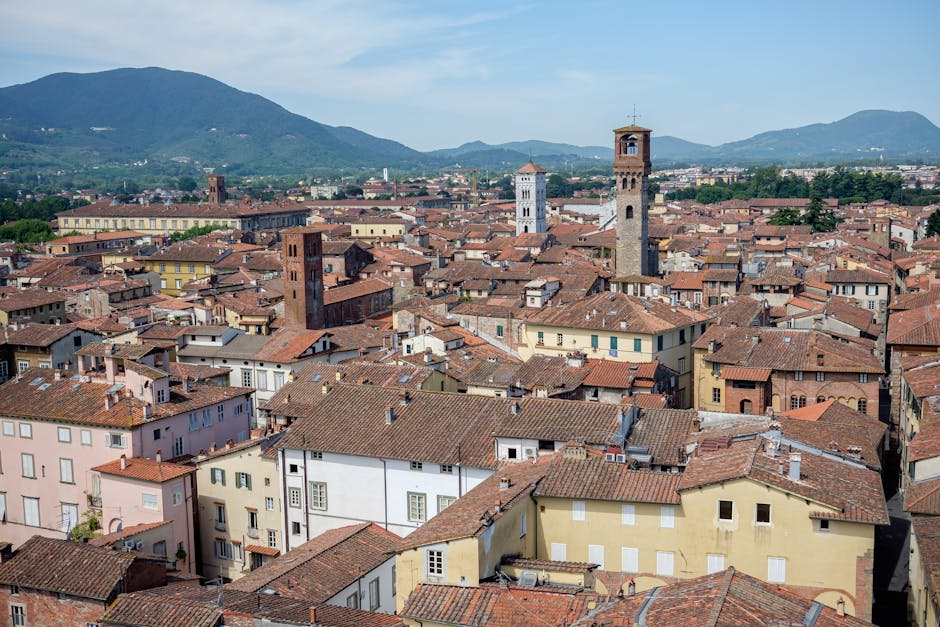
Perched on the Lombard hills, Bergamo offers a setting where time seems to have slowed. The Città Alta, Bergamo’s medieval heart, is full of cloisters, churches and palaces that chronicle centuries of history; it’s precisely in these hushed, stone-filled spaces that a contemporary dance festival comes alive each year, pairing heritage with contemporary creation. This guide gives you a practical, detailed look at a typical festival — packed with choreographic works, monumental venues, practical info and local tips — so you can make the most of this extraordinary artistic experience.
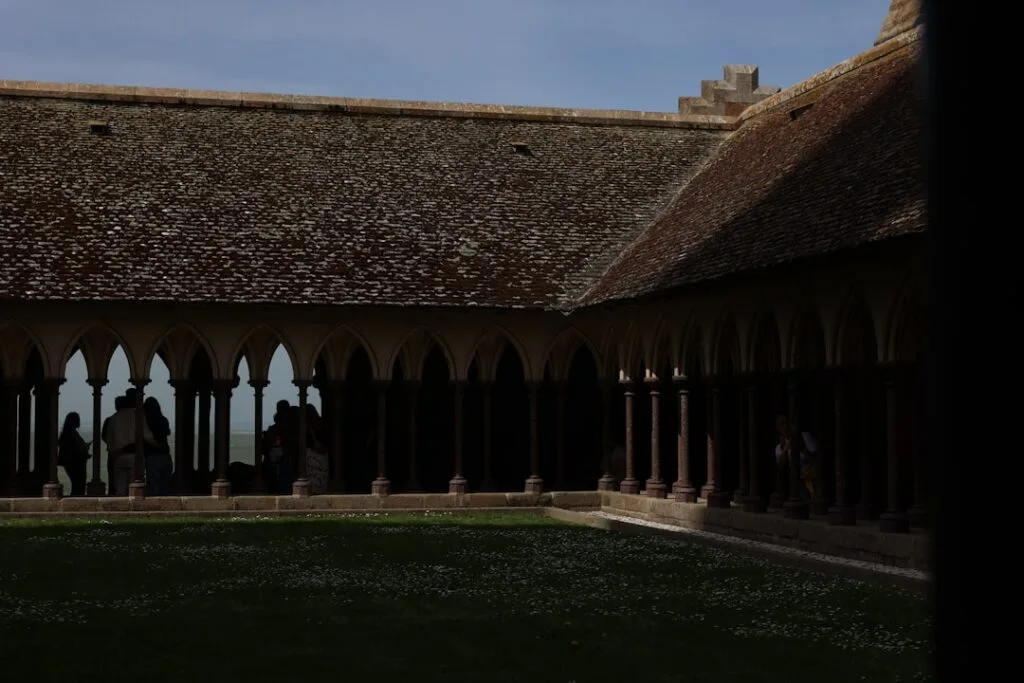
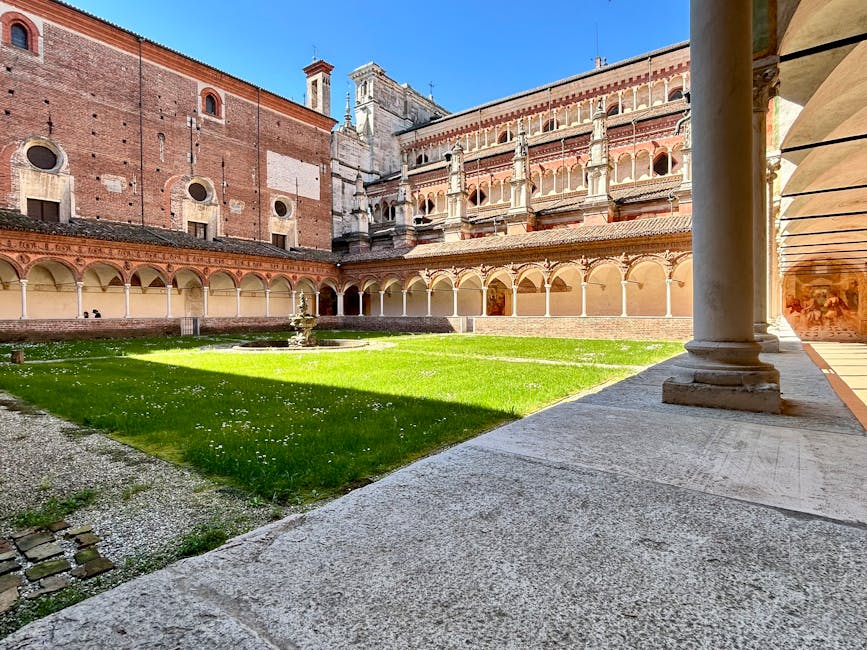
The idea is simple and powerful: invite national and international contemporary choreographers to inhabit medieval cloisters — spaces designed for slow walks and contemplation — and present performances that converse with the architecture, light and acoustics. Cloisters, with their shaded arcades, colonnades and inner gardens, become natural stages where dance happens close up. Far from the big theaters, the intimacy of these small stone and ivy‑lined courtyards changes how movement and sound are perceived: every gesture, every breath reads differently, is felt more keenly and is amplified.
This guide takes a broad approach, accessible to first‑time visitors and seasoned dancegoers alike. It provides practical details: full names of venues used for performances, exact addresses, indicative prices in euros, typical showtimes and visit hours, how to get there (including the funicular linking the lower and upper towns), and logistical suggestions to optimise your stay. You’ll also find immersive descriptions of the spaces — how the stone resonates, where the light pools at dusk, which niches are most photogenic — plus local tips: where to eat after a show, how to avoid crowds, and which tickets to buy in advance.
In this piece we highlight cloisters in the Città Alta — notably those around Piazza Duomo and the Santa Maria Maggiore complex — because they make for protected, organic stages especially suited to the minimal lines of contemporary dance. Experiencing a performance in these settings goes beyond mere entertainment: it engages collective memory and reframes how we look at centuries‑old architecture. The festival attracts a diverse audience: dance students, art lovers, culturally minded tourists and local residents. Programmers have recognised the power of pairing contemporary dance with heritage: the fragility and strength of the human gesture against lasting stone produces fascinating aesthetic tensions.
Finally, this guide isn’t only about the artistic side: it also covers access, ticketing, prices, tips for picking the best seats based on the choreography, and ideas to extend your night (visits, restaurants, evening walks). Whether you’re there for a single evening or planning several days of shows and discoveries, you’ll find concrete pointers here to turn an outing into a memorable experience.
1. Signature venues of the festival: cloisters and monasteries in the Città Alta
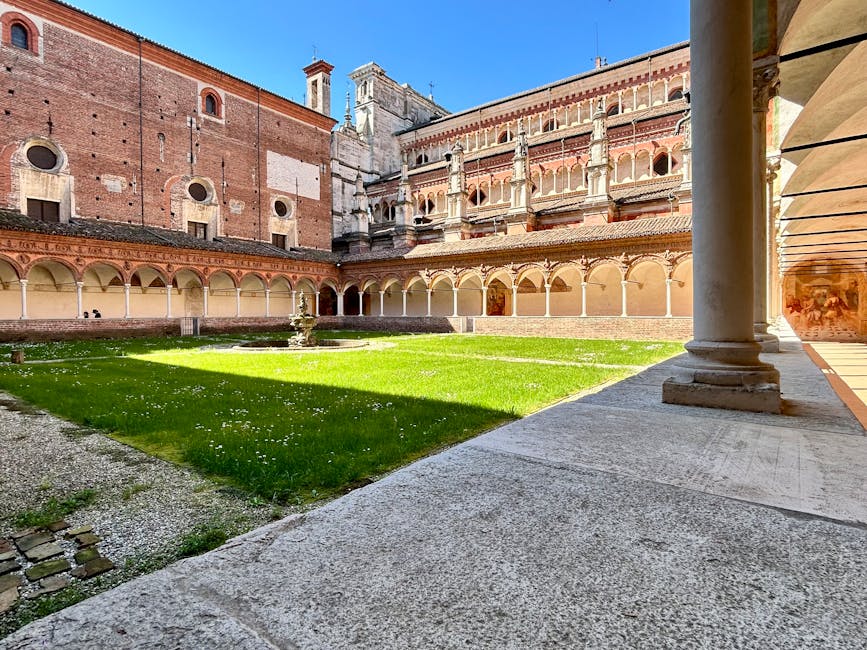
The festival takes place across a curated selection of cloisters and monastic spaces in the heart of the Città Alta. Each site has its own character in terms of acoustics, natural light and audience capacity. Below is a detailed description of the main locations, with addresses, capacities and stage‑specific notes.
-
Basilica di Santa Maria Maggiore — Chiostro (Basilica Cloister)
Address: Piazza Duomo, 5, 24129 Bergamo BG, Italy.
Capacity: 80 to 150 spectators depending on layout.
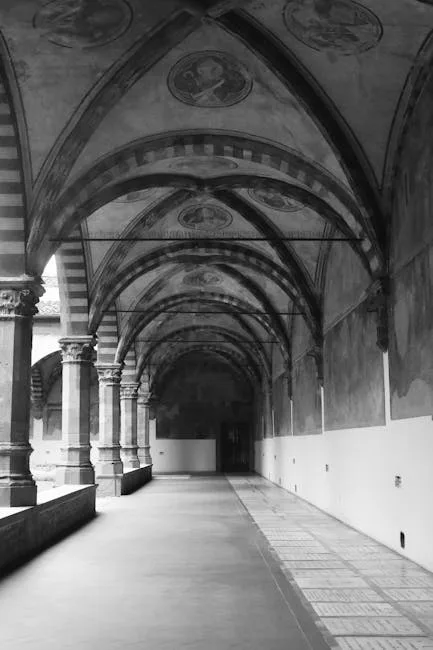
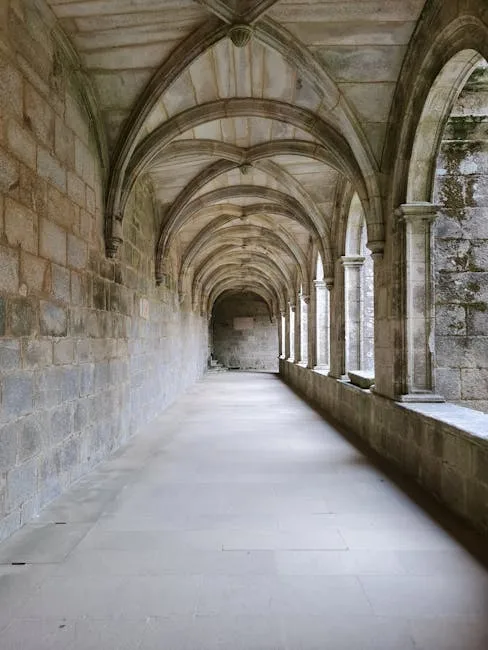
Features: The cloister adjoining the Basilica di Santa Maria Maggiore has low arcades, an ancient stone floor and a solemn atmosphere. Sound spreads warmly here, ideal for introspective solos or pieces where breathing and whispers matter. Performances are often scheduled in the evening, between 20:30 and 22:30, to take advantage of natural light that gradually fades. -
Chiostro di Sant’Agostino
Address: Via Sant’Agostino, 2, 24129 Bergamo BG, Italy (Città Alta).
Capacity: 60 to 100 spectators.
Features: A stone’s throw from the city walls, the Sant’Agostino cloister offers an inner courtyard surrounded by gothic arcades and a small garden. Shows here often play with the verticality of the columns and the body‑architecture relationship. The stone textures, sometimes carpeted with lichen, give costumes and lighting a rich patina. Multiple short sessions (30–45 min) are commonly scheduled between 17:00 and 22:00 to encourage audience rotation. -
Chiostro del Monastero di San Francesco (Monastery Cloister)
Address: Via Porta Dipinta, 10, 24129 Bergamo BG, Italy (site adjacent to the historic route; check on‑site signage).
Capacity: 100 spectators.
Features: Often referred to locally as the « Chiostro di San Francesco, » this cloister hosts multidisciplinary shows — dance, live music, readings — thanks to its good acoustics and central garden. Choreographers exploit the horizon line toward the hills to create interplay between interior and exterior. Typical schedule: 18:00–23:00 with a break between 20:00 and 20:30 for set changes. -
Chiostro della Biblioteca Angelo Mai
Address: Piazza Vecchia, 6, 24129 Bergamo BG, Italy — inside the Palazzo Nuovo / Biblioteca Civica Angelo Mai.
Capacity: 40 to 60 spectators (intimate format).
Features: A reading room transformed into a silent stage; audiences often sit very close to the dancers. Perfect for experimental pieces. Morning and daytime slots (11:00–13:00) and short evening sessions (20:00–21:30) are typical.
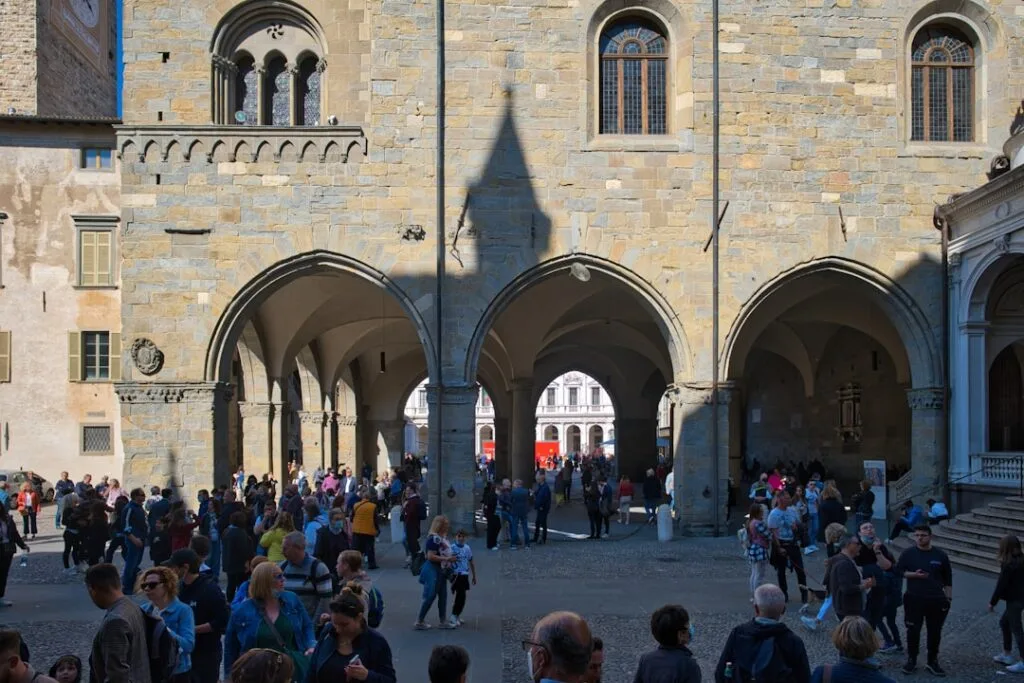
Each site has constraints: limited wheelchair access depending on gradients, variable natural lighting, and sensitivity to weather for garden performances. Programmers usually provide an evacuation plan and an information point at the Città Alta entrance, often located at Piazza Mercato del Fieno or near the upper funicular stop. Spectators are advised to wear comfortable shoes, bring a light scarf for cool evenings and arrive 20–30 minutes early to secure the best spots.
2. Tickets, prices, schedules and how to plan your route
The festival’s ticketing is structured to welcome both local and international visitors. It offers single‑show tickets, day passes and full festival passes, with reduced rates for students, seniors and groups. Here’s a clear recap to help you plan your visits.
- Single ticket: €15 to €25 depending on the headline act and venue (standard price for a 60–90 minute performance). Typical range: central cloister (Basilica di Santa Maria Maggiore) = €25, smaller cloisters (Sant’Agostino, Angelo Mai) = €15–18.
- Day pass: €35 to €45 granting access to 3 different shows in one day (advance booking required for each time slot).
- Festival pass (3 days): €80–120 depending on backstage access and artist meet‑and‑greet options (masterclasses extra: €20–50 per session).
- Reduced rates: students (valid ID) €10–12, seniors (+65) €12–18, groups (>10 people) 10% discount on request and subject to availability.
- Points of sale: online ticketing (official festival website), physical outlets: Ticket Office Piazza Vecchia (Piazza Vecchia, 6, 24129 Bergamo BG) open 10:00–18:00, and a box office on site 1 hour before each performance (if tickets remain).
Typical schedule: cloister performances are often split into two windows — late afternoon (17:00–19:30) and evening (20:00–23:00). Some immersive or experimental pieces take place at sunrise (06:00–07:30) to work with morning light. Exact times are published annually in the official programme; booking in advance is strongly recommended for shows at the Basilica di Santa Maria Maggiore and those featuring international artists.
To plan your route:
- Getting to Città Alta: the most scenic way is the Bergamo Alta funicular. Lower station: Viale Vittorio Emanuele (Piazza Mercato delle Scarpe area), upper station: Città Alta funicular stop (Piazza del Vescovado / Porta San Giacomo depending on the line). Funicular hours: generally 06:00–01:00 with 10–20 minute frequency; fare: €1.30 one way (official ATB Bergamo fare — check seasonal schedules).
- Allow 15–30 minutes between shows if you want to switch cloisters: the Città Alta is compact, but cobbled alleys and stairs slow you down.
- Transport from the airport: Orio al Serio (Aeroporto di Bergamo-Orio al Serio) is about 6 km away. Bus link: ATB Autostradale (line 1) towards Bergamo centre; get off at Largo Porta Nuova / Stazione FS Bergamo, then take the funicular or a city bus up to Città Alta. Taxi: €15–25 depending on traffic.
Practical tips: buy tickets for headline shows at least 2–3 weeks in advance during high season; check the cancellation policy; bring a compact rain jacket for sudden showers; pack a power bank if you plan to photograph (some venues restrict flash). If you have accessibility needs, contact the festival reception at least 72 hours before the event to arrange assistance (phone number usually on the official site).

3. Immersive description: what it feels like to watch contemporary dance in a cloister
Seeing a contemporary dance piece in a medieval cloister isn’t just watching a show: it’s experiencing an encounter between time, bodies and stone. Picture the cool of an inner courtyard late in the afternoon; the arcades throw long shadows and the first artificial lights begin to sculpt dancers’ silhouettes. The audience positions itself around a central square, often only a few metres from the performers: no curtain, no orchestra pit, just the collective breath that inhabits the space.
Sound plays a vital role. The slap of shoes on stone, synchronized breaths, the rustle of fabric and occasional acoustic instruments (violin, cello, light percussion) create an immediate soundtrack. Successive architects arranged galleries and columns in ways that produce natural echoes: a whisper launched down an arcade can be heard clearly on the opposite side. Choreographers exploit these resonances to build unamplified sound textures, or alternatively choose a light amplification to preserve the gesture’s intimacy.
Lighting is often minimalist but designed to converse with the stone. At dusk, the golden light warms the walls, and discreet torches or projectors lift dancers’ faces. Choreographers also play with the weather variable: a light rain adds drama — slips and splashes become scenographic elements — while a low sun accentuates contrasts.
The performer/audience relationship is radically changed: proximity allows for intimate nuances — looks, micro‑gestures, the sound of breath — that would be lost in a large theatre. Consequently, audience layouts vary: in the round, on temporary terraces, or with just a few seats on ancient benches. Some shows include promenade elements, where the audience follows dancers between columns, or participatory installations inviting touch or embodied stillness.
Emotionally, the experience mixes melancholy and exuberance. Seeing a contemporary figure — sometimes dressed in modern materials — move through an archaeology of the sacred creates a stimulating disjunction: contemporary gesture challenges the permanence of stone, and the stone lends the movement an almost ritual dignity. That aesthetic tension is often the festival’s hallmark: pieces that interrogate history, collective memory, secular spirituality and human fragility in the face of centuries.
4. Sample programme and suggestions for two festival days
Below is a sample two‑day schedule designed to help you get the most out of the event without burning out. Times are indicative, based on typical programming, and walking times are calculated for the Città Alta.
Day 1 — Opening evening (arrival and first impressions):
- 16:00 — Arrive by funicular to Città Alta (allow 30–45 minutes from the station if you’re coming by train). Quick check‑in at your hotel or B&B in the Città Alta (e.g., B&B « Il Ducato » or local hotels; book ahead).
- 17:30 — Self‑guided visit of Piazza Vecchia and the Cappella Colleoni (Piazza Duomo, 24129 Bergamo BG) to familiarise yourself with the area. The Basilica di Santa Maria Maggiore typically opens 09:00–18:00; night visits depend on the programme.
- 19:30 — Light aperitivo in a local osteria (e.g., Osteria della Birra, Via Donizetti area) then head to the Chiostro di Sant’Agostino.
- 20:30 — First performance (Chiostro di Sant’Agostino) — 60 minutes; ticket approx €15.
- 22:00 — Night stroll: the illuminated walls offer views over Bergamo Bassa and the valley lights.
Day 2 — Immersive day (full festival format):
- 09:30 — Breakfast in the Città Alta then visit the Biblioteca Angelo Mai (Piazza Vecchia, 6); there’s often a short morning performance (10:30–11:00), perfect for lovers of intimacy.
- 12:30 — Lunch: seasonal menus at the trattoria « Da Mimmo » (Via Gombito, 6) — Bergamasque specialties €12–18 per dish.
- 15:30 — Meet / talk with a choreographer (paid masterclass, €20–40) held in the Palazzo Nuovo rooms (Piazza Vecchia).
- 18:00 — Show at the Chiostro del Monastero di San Francesco — multidisciplinary piece with live music; 75–90 minutes; ticket ~€22.
- 20:30 — Late dinner at a local osteria or from a festival food truck (festival menu €15–25) then the flagship show at the Basilica di Santa Maria Maggiore at 21:30 — headline performance, €25 (unassigned / assigned seating depending on production).
Walking times between cloisters: expect 10–20 minutes on foot. Streets are cobbled and sometimes steep — prioritise comfortable footwear. If you’re after an afterparty or jam session, check with the info point: some local bars host small impromptu performances after 23:00 (often free or by donation).
5. Local tips: accommodation, food and respecting the heritage
People from Bergamo are proud of their heritage; the festival takes care to protect the sites. Here are some practical and responsible tips to fully enjoy your stay.
Accommodation: prioritise staying in the Città Alta for proximity to the cloisters. Typical options:
- Hotel Piazza Vecchia (example boutique hotels near Piazza Vecchia) — rates: €80–160 per night depending on season. Sample address: Piazza Vecchia, 10, 24129 Bergamo BG (check name and availability).
- B&B Il Ducato (Via Gombito area) — rates: €60–100 per night; booking recommended during the festival.
- Eco‑friendly stays in the Bassa (lower town): usually cheaper (€50–90), but expect a 20–30 minute commute to the Città Alta by funicular or bus.
Food: Bergamo’s cuisine is hearty — after a show, opt for comforting dishes:
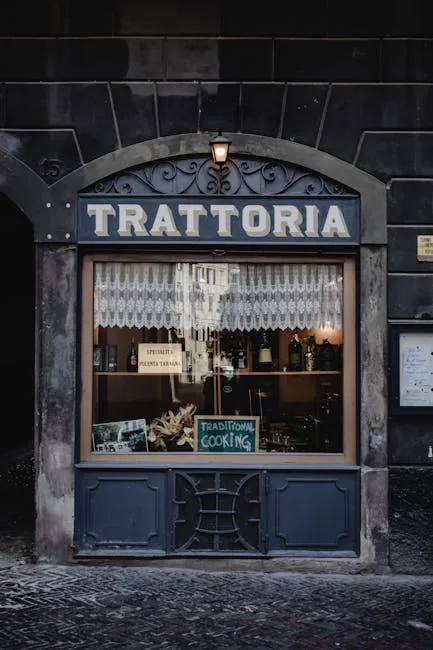
- Casoncelli alla bergamasca (stuffed pasta) — €12–18 at local trattorie.
- Polenta taragna with local cheeses — €10–15.
- Desserts: stracciatella gelato or local cakes — €4–7.
Respecting the heritage: organisers emphasise a few rules:
- Do not touch façades and frescoes — they are fragile.
- Avoid using flash photography to protect sensitive pigments.
- Respect marked pathways and do not cross temporary barriers around restoration areas.
- Do not eat in the cloisters during performances; designated areas are provided during breaks.
Local interactions: don’t hesitate to chat with festival volunteers — many are dance students or heritage enthusiasts. They can recommend secret spots to watch the sunset (for example stretches of the Venetian walls, Corso Cavour viewpoints) and less touristy places to taste Lombard wines (Franciacorta sparkling wines, local vineyards).
6. FAQs, accessibility and safety tips
Practical answers to common visitor questions, plus the most important accessibility and safety information for a festival held in historic sites.
Key FAQs:
- Q: Can you enter with a stroller or wheelchair?
A: Some cloisters are accessible (paved with temporary ramps), but many spaces have steps and uneven ground. Contact the festival reception 72 hours in advance to request assistance (number on the official site). Many organisers provide a welcome platform or a dedicated area for patrons with reduced mobility. - Q: Are there food stalls or vendors on site?
A: Yes, the festival often sets up food trucks and local product stalls near the main squares (Piazza Vecchia, Piazza Mercato del Fieno). Typical prices: snacks €5–8, main dishes €10–18. - Q: Is photography and filming allowed?
A: Photography without flash is generally permitted for personal use. Any professional video recording requires permission from the producers and the venue, who are strict for copyright and conservation reasons.
Accessibility and safety:
- Emergency assistance: the festival has security and first‑aid teams on site. Assembly points and emergency exits are indicated at each cloister entrance.
- Lost & found: deposit at the Ticket Office (Piazza Vecchia, 6) open during festival hours. Paid cloakroom service may be available depending on the edition (€2–5).
- Health & safety: according to municipal directives, temporary measures (reduced capacities, digital check‑in) may be implemented — check the festival’s « Info Covid » page if needed.
Extra tips: arrive hydrated, avoid oversized bags (spaces are tight), scan the festival QR code to get the official programme and last‑minute alerts. If you have professional camera gear, contact the press office for accreditation — unauthorised shoots may be stopped.
Conclusion — Why attend this festival in Bergamo and how to make it unforgettable
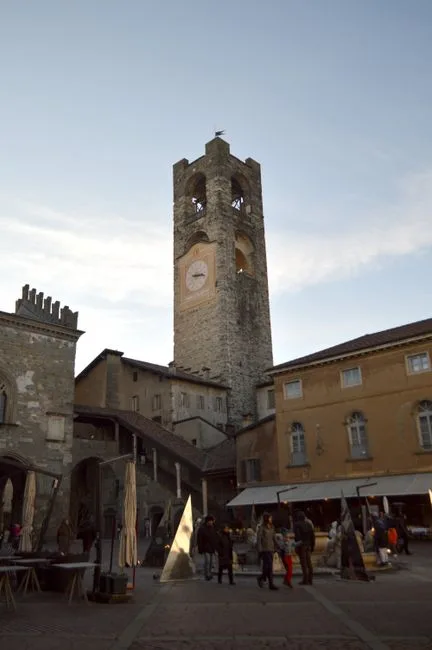
Attending a contemporary dance festival in Bergamo’s medieval cloisters means choosing an experience where art meets history, silence and intimacy. The setting of the Città Alta, with its stones worn by centuries, offers an unparalleled stage: every choreography gains density and meaning there. Cloisters, with their galleries and inner gardens, highlight nuance and make the smallest bodily intention perceptible. The meeting of heritage and movement is precious: it invites you to rethink time and memory, and to accept that modernity can have a deep dialogue with ancient architecture.
To make your visit a success, plan ahead: book key shows (the Basilica di Santa Maria Maggiore is often in high demand), schedule sufficient travel time between cloisters and pick a strategic base (prefer staying in the Città Alta for maximum immersion). Take advantage of masterclasses and talks: they let you understand choreographers’ approaches and often deepen your perception of the pieces. On the culinary side, indulge in Bergamasque specialties — casoncelli, polenta taragna — to round off your cultural evenings: local flavours extend the emotional aftertaste of a performance.
Respect the sites and the local community: these places are fragile and precious. Follow organisers’ instructions, avoid flash photography and refrain from eating in cloisters during shows. Talking with volunteers or locals will also bring personalised recommendations — often spots off the tourist trail where daily Bergamo life is more authentic.
Finally, remember that this kind of festival is more than a cultural event: it’s an invitation to slow down, listen and look with renewed attention. Whether you’re a contemporary dance enthusiast, a culturally curious traveller or someone seeking unique experiences, the fusion of contemporary movement and medieval cloisters in Bergamo is a total art form — sensory, historical and deeply human. Book, map out your route, let the stones and gestures carry you, and return changed by the singular elegance of a festival where every step rings like an echo through the centuries.