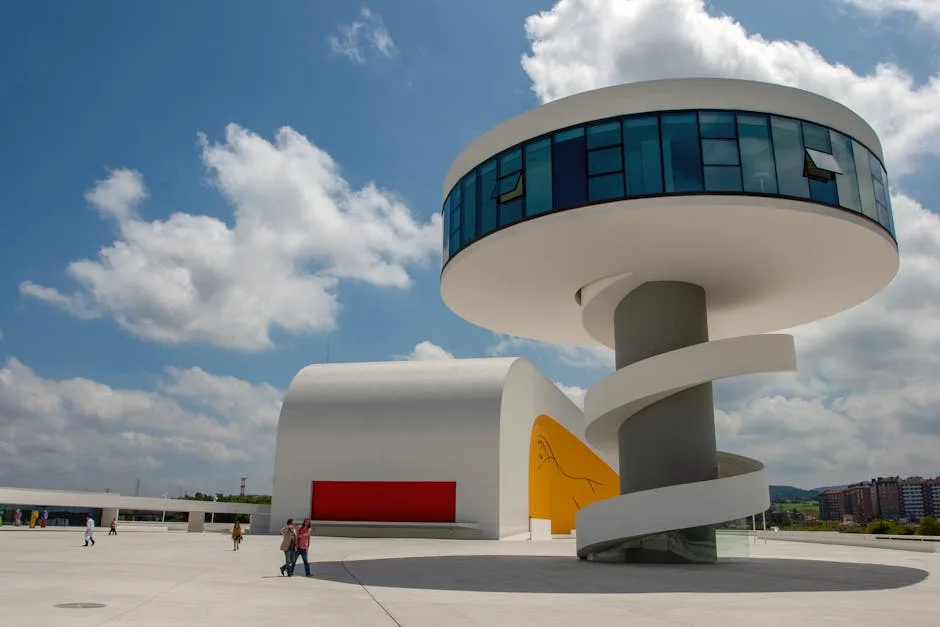






Introduction: Bergamo between history and contemporary renewal
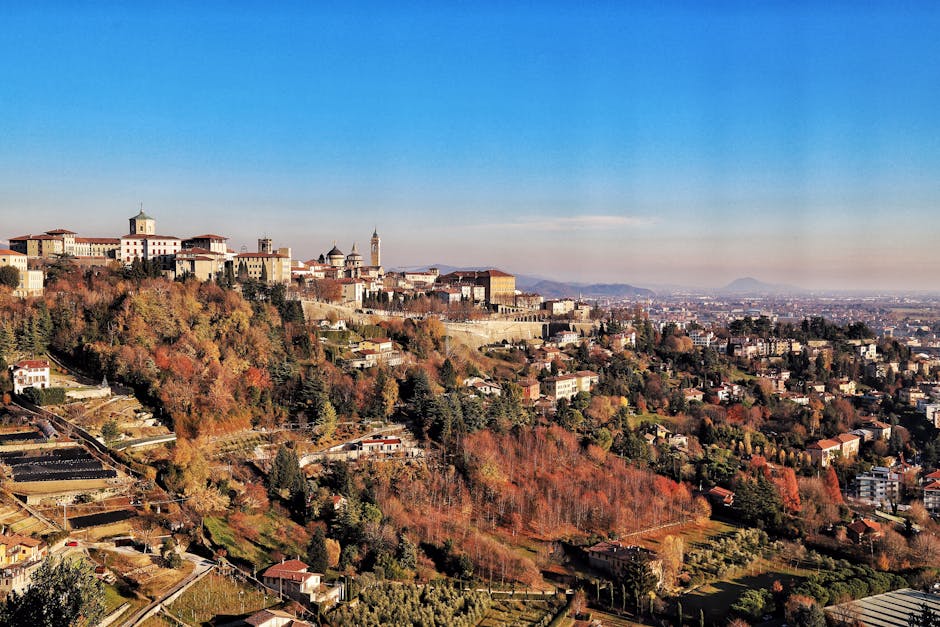
Perched between the Lombard plain and the first Alpine foothills, Bergamo feels like an open-air museum. The Città Alta, ringed by Venetian walls listed as a UNESCO World Heritage site, offers cobbled lanes, medieval palaces and panoramic views that seem frozen in time. Yet behind that historic façade a quiet but determined transformation has been underway for two decades: a new generation of contemporary architects — Italian and international — is reshaping Bergamo, reconnecting its parts and opening it up to fresh cultural, social and urban uses.
This subtle meeting of old and new doesn’t aim to erase Bergamo’s identity so much as to extend it. Contemporary architectural interventions range from sensitive museum restorations and the conversion of industrial brownfields to the rethinking of public spaces, the design of new cultural facilities and highlighting the links between Città Alta and Città Bassa. The architects share one clear goal: respect the topography, materials and memory, while adding contemporary moves that improve the experience of residents and visitors alike.
In this piece I’ll take you on an immersive route through the projects and places that embody this dynamic. We’ll look at emblematic buildings — with addresses, opening times, indicative prices and practical tips — and explore how contemporary architects are reimagining squares, promenades and museums. I’ll also profile a few of the practices behind these changes. Along the way you’ll find concrete pointers: full names of sites, exact addresses, typical opening hours, indicative prices in euros and tips to get the most out of each intervention, whether you’re watching sunrise from the ramparts or visiting a repurposed space after dark.
Get ready to see Bergamo from a new angle: not a city frozen behind glass, but a living place where heritage talks to design, where new architecture reveals invisible layers and where every intervention becomes a hook for understanding the city better. I’ll pepper the text with evocative images to help you picture these places — façades at sunset, interior perspectives, material details — and finish with practical advice for an architectural itinerary of 24 to 72 hours in Bergamo.
1) Museum renovations: where conservation meets boldness
Museum renovation has been central to Bergamo’s recent transformations. The Accademia Carrara di Belle Arti, located at Piazzale Giacomo Carrara 82, 24121 Bergamo BG, is a standout example. Reopened after major works, the Accademia is both an old and modern art museum, housing masterpieces by Botticelli, Bellini and other Lombard masters. Address: Accademia Carrara, Piazzale Giacomo Carrara 82, 24121 Bergamo BG. Typical opening hours: Tuesday–Sunday 10:00–18:30 (closed Monday). Indicative price: full ticket around €12 (reduced €8 for students/youth). Practical tip: book tickets online in high season to avoid queues, and favor a morning visit to enjoy soft natural light over the paintings.
The Accademia’s renovation — led by an international conservation team — was designed to create a smooth flow between historic rooms and new exhibition areas. The architectural approach relies heavily on controlled natural light and discreet material interventions that showcase the masterpieces without overwhelming them. The result is a museum experience where contemporary scenography engages with ancient works, improving legibility and context.
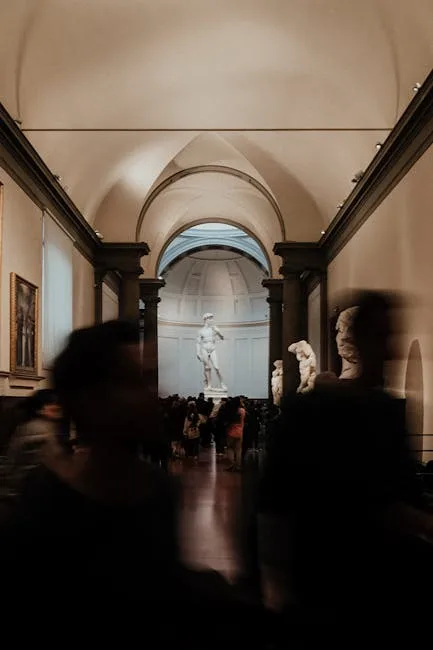
Another key venue is GAMeC — Galleria d’Arte Moderna e Contemporanea, at Via San Tomaso 53, 24121 Bergamo. Address: GAMeC, Via San Tomaso 53, 24121 Bergamo BG. Typical opening hours: Tuesday–Sunday 10:00–19:00 (some evenings open until 22:00); pricing: temporary exhibitions usually €8–12 depending on the show, with free entry for some special events. GAMeC often serves as an experimental space for contemporary architects, both in terms of visitor reception and exhibition scenography. Recent technical upgrades have improved accessibility, HVAC for artworks and flexibility of the galleries.
Practical tip for architecture lovers: combine visits to the Accademia Carrara and GAMeC on the same day — they’re close to each other — then stroll up the boulevard toward the Città Alta to appreciate the contrast between historic volumes and contemporary insertions.
 Click here to book a private tour of the upper city
2) Reimagining public spaces: squares, markets and connections
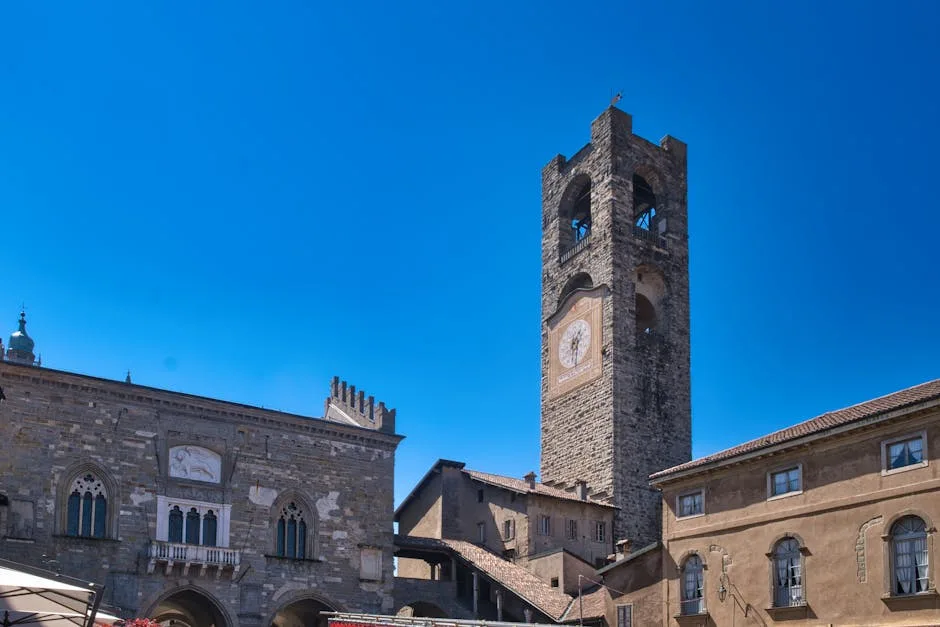
The real testing ground for contemporary architects in Bergamo is often the public realm. Historic squares — Piazza Vecchia, Piazza Mercato delle Scarpe and the area around Porta San Giacomo — have seen interventions aimed at improving soft mobility, accessibility and the quality of pedestrian space. Piazza Vecchia (Città Alta) remains the symbolic heart, but contemporary gestures in street furniture, lighting and signage have made it more welcoming for residents and visitors.
A notable project concerns the upgrade of areas around the Alta/Bassa funicular: the Funicolare di Bergamo, lower station at Piazza Mercato delle Scarpe (approximate address: Piazza Mercato delle Scarpe, 24129 Bergamo BG for the lower station; Piazza della Cittadella for the upper station). Operating hours: generally 07:00–00:00 (times vary by season and day). Single fare: about €1.30 (integrated with the urban transport network); the combined ticket is valid on city buses. Recent renovations of the stations combined comfort upgrades (lifts, multilingual signage) with contemporary aesthetics (corten steel claddings, programmable LED lighting) to better integrate the ascent to Città Alta into the visitor experience.
The redevelopment of marketplaces and shopping halls in Città Bassa also follows a social logic: making local commerce more resilient and creating meeting spaces. Pilot projects have introduced lightweight roofs, modular kiosks and rainwater-recovery systems. The aim is to extend the uses of these spaces (markets, concerts, fairs) and to create micro-events that energize neighborhood life.
Practical tips for visitors: opt for late-afternoon walks to enjoy urban lighting, try the funicular (buy tickets at tobacco shops or from machines), and explore the covered passages that connect Città Bassa and Città Alta to see how contemporary interventions link different urban levels.
Click here to book a Bergamo tour with the funicular
3) Brownfield regeneration and new cultural facilities
Bergamo has converted several industrial brownfields into cultural and educational facilities. A typical example is the transformation of old workshops into exhibition spaces, coworking hubs and art centres. While the city doesn’t host the huge transformed industrial complexes you find in larger metropolises, local-scale interventions reveal a coherent strategy: small adaptable modules, material reuse and landscape-sensitive integration.
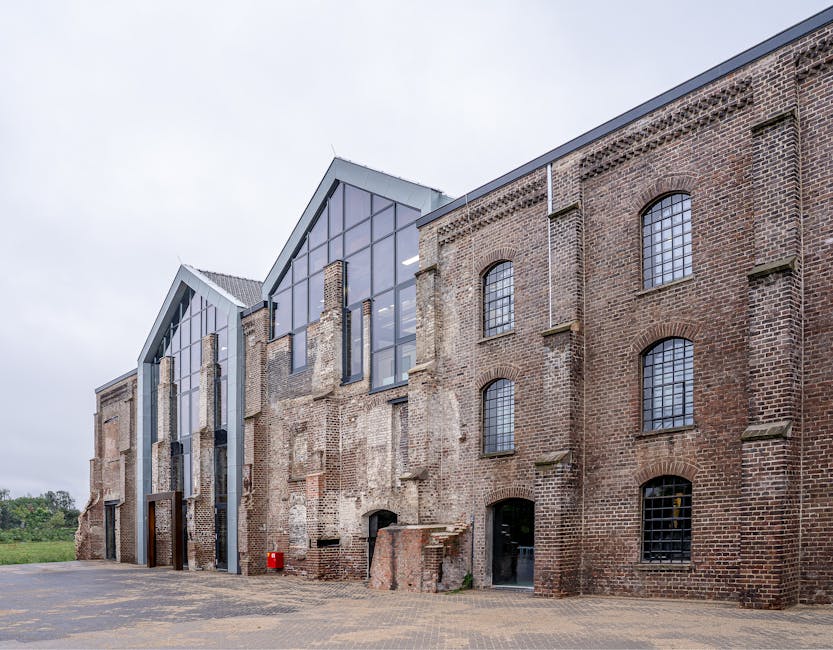
A concrete site to visit is the Centro Congressi Bergamo (Centro Congressi Giovanni XXIII, Via T. Tasso 1, 24121 Bergamo). Address: Centro Congressi Bergamo – Giovanni XXIII, Via T. Tasso 1, 24121 Bergamo BG. Opening hours: events vary according to the programme; ticketing depends on the event; prices: variable (conferences, concerts). Contemporary extensions to the centre have created multi-purpose halls with modern acoustic solutions, modular stages and redesigned reception areas. Architects focused on accessibility and climate-responsive façades, with sunshades and some newly vegetated walls on certain additions.
Public libraries and neighborhood cultural centres have also benefited from micro-interventions: new furniture, LED lighting strips, mezzanines and hidden technical ducts. This small-scale architecture can be particularly interesting for curious visitors: it offers an immediate reading of how a contemporary gesture can change residents’ daily lives without disrupting the urban fabric.
Practical tip: check local event listings — temporary exhibitions, screenings or workshops — held in these new facilities. They’re often cheaper (or free) and let you experience contemporary architecture in use, not just as a backdrop but as a social stage.
Click here to book the minibus and train combo tour
4) Influential architects and firms: profiles and approaches
While Bergamo doesn’t necessarily host the largest global firms for grandiose new builds, it attracts conservation teams, medium-sized studios and local architects who combine historical know-how with contemporary solutions. Among well-known names, David Chipperfield Architects has played an important role in museum restoration (notably involved in the Accademia Carrara project), demonstrating how international sensitivity can respectfully engage with Bergamo’s heritage.
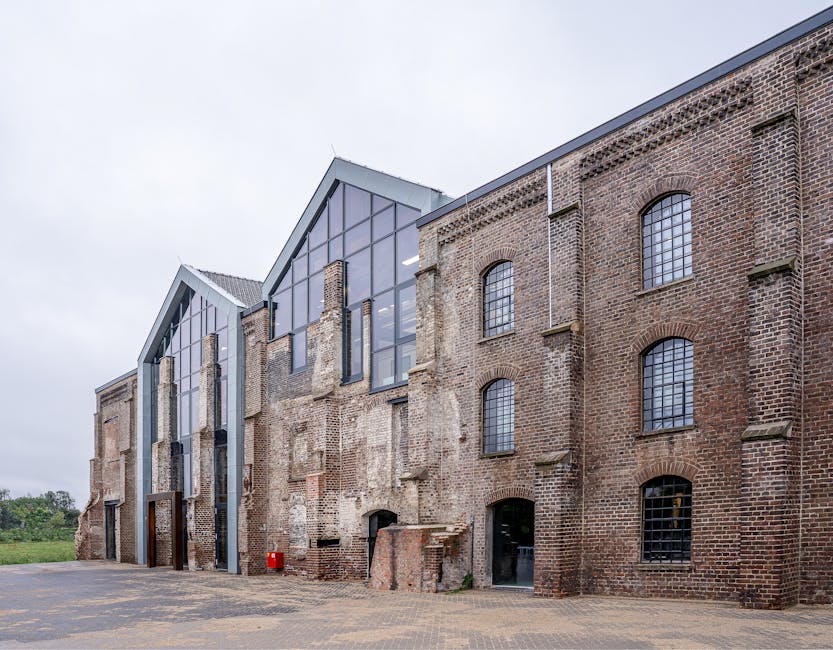
Beyond international names, many medium-sized Italian firms have developed approaches focused on material reuse, energy performance and adaptation to the topographic context. These practices favour minimal interventions: restorations, discreet insertions and public realm upgrades. Their work is often characterised by:
- Local materials: Bergamo stone, traditional plasters and timber combined with contemporary metal elements.
- Light sensitivity: carefully calculated openings, atriums and skylights to control solar incidence and protect artworks.
- Modularity: adaptable rooms and surfaces for exhibitions and cultural events.
These practitioners also show how a small city can be a laboratory for social innovation: discreet solar roofs, rainwater-recovery systems and soft-mobility strategies. Their approach is pragmatic yet ambitious — improving everyday life without chasing radical aesthetic rupture.
Practical tip: if you want to learn more about local firms, contact the Ordine degli Architetti di Bergamo (Ordine degli Architetti Pianificatori Paesaggisti e Conservatori della Provincia di Bergamo) for information about guided visits or occasional themed routes.
Click here to book a 2-hour walking tour
Conclusion: Bergamo, a city to discover through contemporary interventions
Bergamo is a place where history and the present walk hand in hand. Contemporary interventions — whether museum restorations, public space upgrades, brownfield conversions or cultural centre extensions — share the same intention: respect memory, improve quality of life and create places where residents find meaning in their everyday. The architects working in Bergamo deploy measured gestures, often invisible at first glance but powerful in their ability to generate new uses.
For visitors, the best way to appreciate this dynamic is to combine museum visits (Accademia Carrara, GAMeC), walks between Città Bassa and Città Alta via the funicular, and a detour to new cultural facilities and upgraded squares. Note the practical addresses: Accademia Carrara, Piazzale Giacomo Carrara 82, 24121 Bergamo BG (full ticket roughly €12, usually open 10:00–18:30); GAMeC, Via San Tomaso 53, 24121 Bergamo BG (hours vary, exhibition prices €8–12); and check Funicolare di Bergamo for up-to-date fares and schedules (single ride ≈ €1.30).
Finally, Bergamo illustrates a broader European trend: rather than spectacular gestures, contemporary architecture can serve a fragile, dense city by offering sober but effective interventions. As a traveller you’ll leave not only with images of old façades but with the feeling you’ve witnessed a conversation between eras — guided by architects who honour historical depth while answering contemporary needs.
Final tip: bring comfortable shoes, book museums online if possible, check official sites for updated opening hours around holidays, and take time to lose yourself in the alleyways to spot small contemporary details — a new handrail, renewed paving, reconfigured lighting — that, added up, make Bergamo’s discreet modernity.