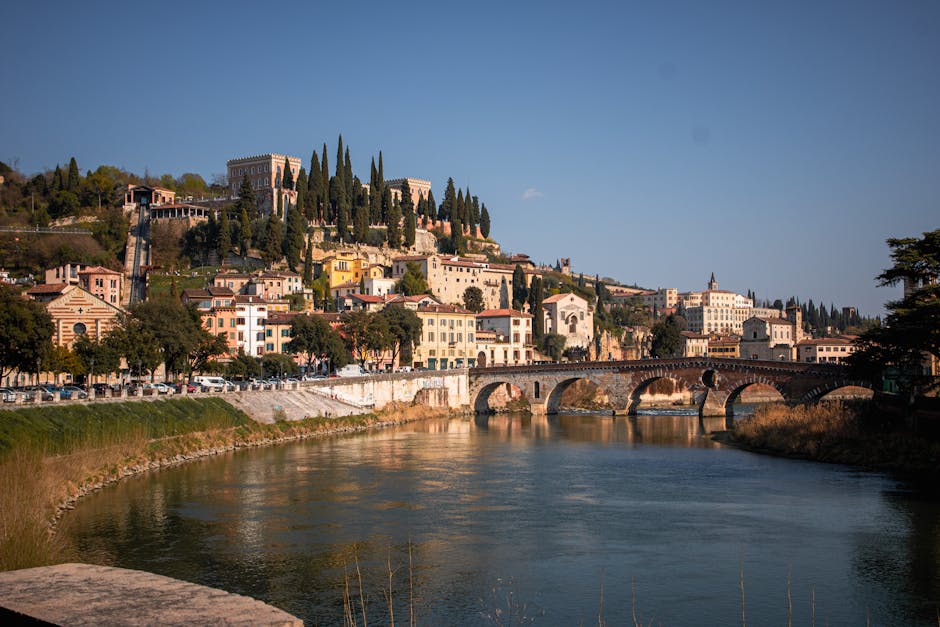






Introduction: Reading Bergamo through its bridges, squares and lines
Bergamo reads like an old book: each page — a cobblestone, a doorway, an arcade — tells a different story. Perched between the Lombard plain and the first folds of the Alps, the city splits into two complementary realities: the compact, fortified medieval Città Alta and the modern, bustling Città Bassa. To understand Bergamo is to learn how to read its junctions — the bridges that connect banks and neighborhoods, the squares that structure public life, and the lines that shape movement, whether roads, historic funiculars or pedestrian routes. These urban elements are more than infrastructure: they are sensory landmarks, stages of use and memories carved in stone.
In this article I’ll unfold that urban fabric. We’ll start by looking at the squares — the city’s public living rooms where urban rituals are shaped — then move on to bridges and footbridges, witnesses of physical and symbolic crossings. After that we’ll pay attention to the lines: the funiculars, ramps and axes that organize your routes and shape the Bergamo experience. For each place you’ll find addresses, opening hours, admission prices where relevant, and practical tips to get the most out of your visit, whether you’re in town for a few hours or a longer stay.
My approach is both topographical and sensory: I’ll describe not only where monuments are and how to reach them, but also what you hear, smell and feel when you stop there. You’ll find local tips — best times to avoid crowds, a café or trattoria to try nearby, tricks for sunrise or sunset photos — and practical info such as opening times and prices. The goal is twofold: to help travelers get their bearings and to invite readers to « read » Bergamo as you would a text, linking places together to grasp the city’s deeper logic.
Get ready to cross majestic squares, get lost in medieval alleyways, ride century-old funiculars and walk over bridges that reveal unexpected valley views. Details — exact addresses, opening hours, prices in euros — will help you plan your routes. As a bonus I’ll share photography tips and the best vantage points. Bergamo is a city to be read aloud: let the sequence of squares, bridges and lines tell you a full story, where each urban element becomes a sentence, a paragraph and a chapter.
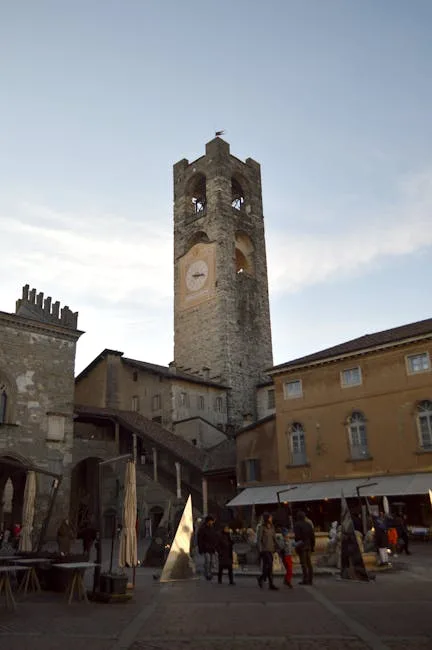
<img width="940" height="627" src="https://ue.is/wp-content/uploads/sites/40/2026/05/bergamo-citta-alta-piazza-vecchia-golden-hour.webp" class="aligncenter" alt="Piazza Vecchia in Bergamo at golden hour » loading= »lazy » />
Piazza Vecchia and the Città Alta: the historic heart where history and daily life meet
Piazza Vecchia is the medieval living room of Bergamo Alta: an elliptical square framed by palaces and shaded by arcades. Address: Piazza Vecchia, 24129 Bergamo BG. This is where the city shows its backbone: the Biblioteca Angelo Mai (Palazzo Nuovo), the Palazzo della Ragione and the Torre Civica (Campanone) form a visual and functional triangle. The Campanone, located on Piazza Vecchia, traditionally rings 100 strokes at 10 p.m. every evening — a ritual deeply rooted in local memory. Torre Civica opening hours: typically 10:00–18:00 (closed Mondays); admission: around €5.00 for access to the panoramic terrace — check official sites for seasonal changes.
Right next door, the Cappella Colleoni (Piazza Duomo, 24129 Bergamo BG) and the Basilica di Santa Maria Maggiore (Piazza Duomo, 24129 Bergamo BG) form a sacred ensemble of Baroque and Renaissance beauty. The Cappella Colleoni is famous for its polychrome façade and richly decorated interior; usual opening hours: 09:00–18:00, admission: roughly €6–8. The Basilica di Santa Maria Maggiore is usually open from 07:00 to 19:00 and entry to the church is free, though guided tours and museum sections may require a ticket. Tip: visit early in the morning or late afternoon to catch the low light on the façade and avoid tour groups.
Practical tips: start your visit at Piazza Vecchia in the morning to watch local life unfold (terrace cafés, bookstalls, shopkeepers). For a memorable photo, climb the Torre Civica or use the steps of the Biblioteca Angelo Mai to frame the square with the tower in the background. For food, try Trattoria da Ornella (via Gombito, 16, Città Alta) for local dishes — antipasti and casoncelli — expect €15–25 per person depending on your meal. Finally, consider a combined ticket if you plan to visit several monuments: museum and tower packs sometimes save you money.
Bridges and crossings: views over the Adda, the Sentiero delle Mura and valley panoramas
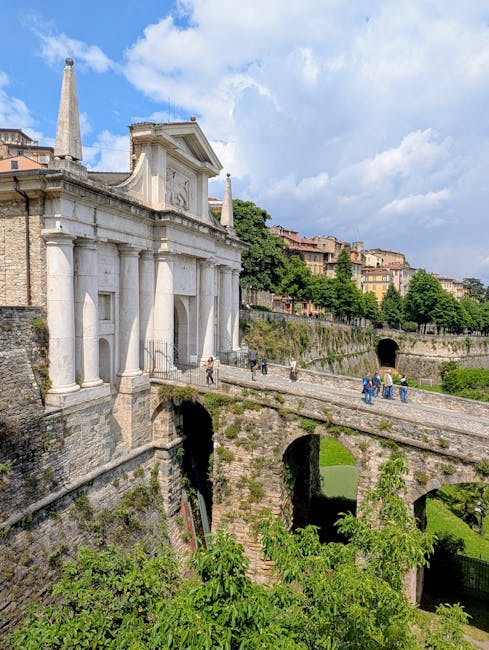
Bergamo isn’t just a two-level map; it’s a landscape of crossings. Bridges, whether over the Serio river or across ravines, play a major role. Among the most emblematic for visitors are the Venetian walls (Le Mura Veneziane di Bergamo), a UNESCO World Heritage site that offers several crossing points and viewpoints. Main access address: Sentiero delle Mura, Viale delle Mura, 24129 Bergamo BG. The walls are free to access year-round (pedestrian access 24/7), but be aware some sections can be slippery when wet; wear appropriate footwear.
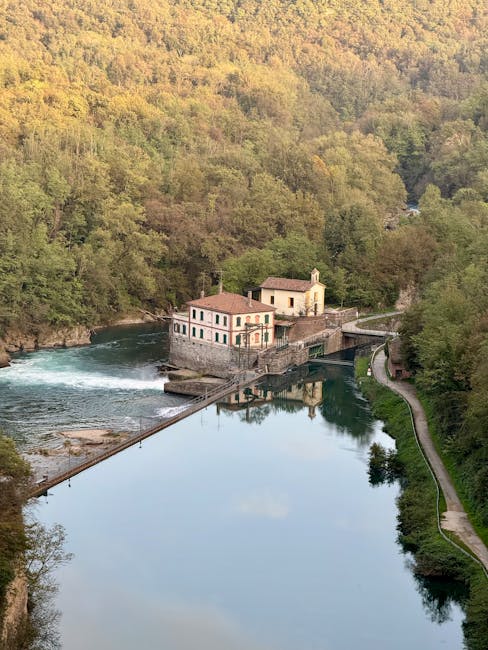
Ponte San Vigilio and its viewpoint deserve a mention: from the San Vigilio hill (Via San Vigilio, 24129 Bergamo BG) you get a panoramic view of the Città Bassa and the Lombard plain. The small funicular up to San Vigilio runs on variable schedules, often 09:00–19:00 depending on the season; a one-way ticket costs around €1.80–2.50. Another notable crossing is the Ponte di San Michele (bridge over the Adda), which links the riverbanks while offering an industrial-and-rural perspective — great for an evening photo walk when lights reflect on the water.
Immersive description: picture yourself walking the walls at dawn, morning mist erasing the plain with only church spires emerging. Or at sunset, when a bridge becomes a silhouette and light sets the tiled roofs on fire. Bridges and passages are also social places: joggers, families, photographers and couples meet there. Practical tips: to avoid the crowds, aim for the blue hour just before sunset or at sunrise. Bring a small headlamp if you plan to descend through dimly lit lanes after dusk.
The lines that shape the city: funiculars, main streets and walking routes
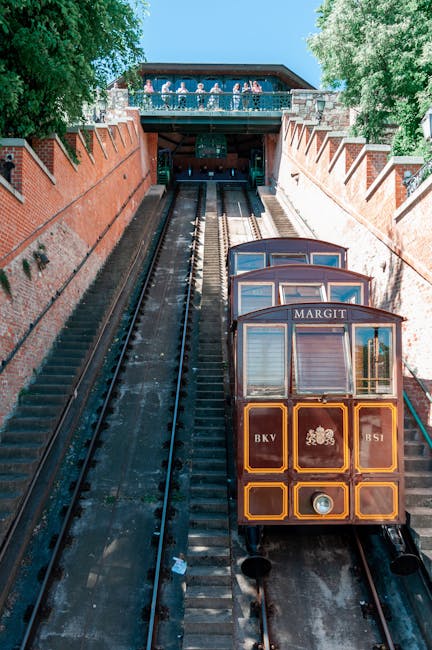
Bergamo’s lines — both physical and imagined — orchestrate mobility and the urban reading. At the top of the list are the funiculars, city symbols. The Funicolare Bergamo Alta links the Città Bassa to the Città Alta. Lower station: Funicolare Bergamo – Bassa (Piazza della Stazione area); upper station: Funicolare Bergamo – Alta (Piazza Mercato del Fieno area, Città Alta). Typical hours: 07:00–00:00 depending on the season, frequency roughly every 10–15 minutes; fare: about €1.30–1.80 one-way (fares set by ATB Bergamo — check current pricing). The Funicolare San Vigilio, shorter, climbs from the Città Alta up to San Vigilio hill with splendid views and usually runs 09:00–19:00; fare: around €1.80–2.50.
Main streets act as lines of force: Via XX Settembre, Viale Vittorio Emanuele and Via Bartolomeo Colleoni channel commercial and tourist flows. Via XX Settembre (Città Bassa) is the commercial artery full of shops, cafés and contemporary urban life. For a structured pedestrian experience, follow the “line” starting at Stazione di Bergamo (Piazzale Marconi, 24121 Bergamo BG) and head up to the Città Alta via the funicular: it’s the most natural and practical route for a first encounter with the city.
Practical travel tips: buy ATB tickets (urban network) if you plan multiple bus or funicular trips; single-day paper passes or digital tickets through the ATB Mobile app are often most convenient. Pedestrian routes in the Città Alta are narrow and cobbled: favor comfortable shoes and avoid roller suitcases on the climb. For photos emphasizing urban lines, play with the geometry of the alleys between Via Gombito and Via Colleoni, where perspective lines converge on Piazza Vecchia.
Accademia Carrara, Teatro Donizetti and culture as a network: museums and stages as reading points
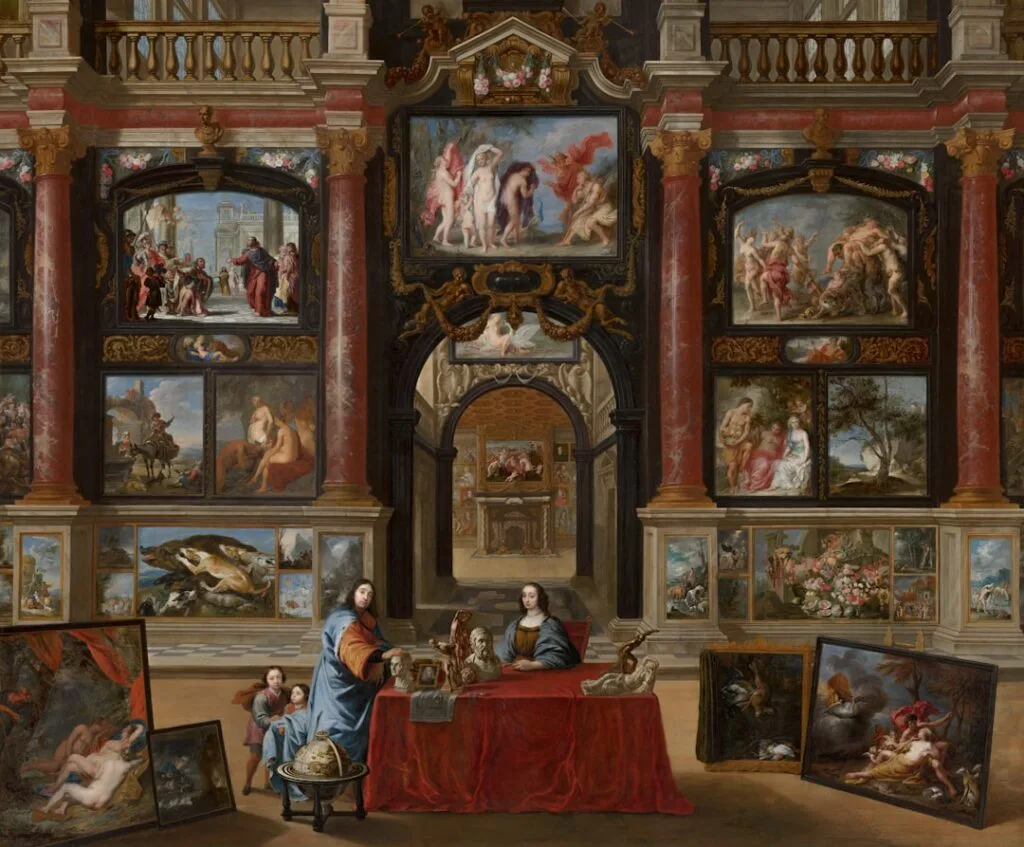
The Accademia Carrara di Belle Arti (Piazza Giacomo Carrara, 82, 24121 Bergamo BG) is a cultural hub you shouldn’t miss. Usual hours: Tuesday–Sunday 10:00–17:30 (closed Mondays). Admission: around €10 full price; reduced rates and free entry for youth and certain categories. The gallery showcases Italian masters (Bellini, Botticelli, Raphael) and collects the city’s artistic echoes. Immersive description: walking through the Accademia’s rooms is like following a line from the Renaissance to the Baroque, each painting a window onto another era.
Nearby, the Teatro Donizetti (Piazza Cavour, 15, 24121 Bergamo BG) is the city’s opera and drama stage. Address and contacts: Piazza Cavour 15, 24121 Bergamo BG; box office and programs are available online and at the theatre. Concerts and operas punctuate the cultural season; ticket prices vary (€10–90 depending on seat and performance). Tip: check the program in advance and book online for popular evenings, especially operas and classical productions.
Practical tips: combine a morning visit to the Accademia Carrara (the light in the galleries and the cooler hours are ideal), have lunch in a Città Bassa bistro, then return in the evening for a performance at Teatro Donizetti. Look into student and senior discounts, and favor combined museum+show tickets when available. For art photography lovers, avoid flash and follow conservation rules inside the galleries.
Conclusion: How to read Bergamo so you don’t just pass through
Reading Bergamo means letting its urban joints guide you: squares that concentrate memory and everyday life, bridges that provide perspectives and transitions, lines that orient body and eye. By following these elements you don’t just tick off visits; you compose a coherent and sensitive reading of the city. Bergamo is not a string of isolated attractions; it’s a system where every place answers another — Piazza Vecchia talks to the walls, the funicular connects two altitudes and two temporalities, the polychrome façade of the Cappella Colleoni fits into an urban order visible from the Rocca.
Practically speaking, this means planning smartly: favor routes that link ensembles (for example: Accademia Carrara in the morning + Via XX Settembre + climb by funicular to Città Alta for sunset), buy necessary tickets in advance to save time, and adapt your schedule to make the most of natural light — mornings for church interiors, golden hour for panoramas from the walls or San Vigilio hill. Don’t forget local niceties: learn a few words of Italian (hello = buongiorno, thank you = grazie), respect mass and service times, and taste Bergamo specialties like casoncelli, taleggio and local pastries in an osteria or pasticceria in the Città Alta.
Finally, leave room for the unexpected. Bergamo reads best on foot, stopping for a chat with a bookseller, a coffee on Piazza Vecchia’s terrace, or a stolen shot of rooftops at dusk. Bridges, squares and lines are the city’s signs, but it’s the everyday uses — people, cafés, markets — that make its poetry. By reading Bergamo this way, you turn a simple visit into a deep encounter with a city that still knows how to speak to those who take the time to listen.