





Introduction: Bergamo, small town, big design
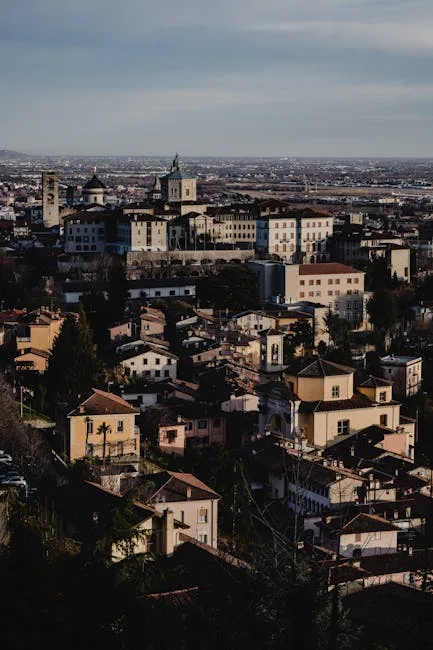
Bergamo (Bergamo in Italian) is often reduced to a postcard image: the fortified Città Alta, its Venetian walls, the very picturesque Piazza Vecchia. But for those who take the time to wander its alleys and neighborhoods, Bergamo reveals another side — a place where local design shows up in architecture, artisan workshops, designer boutiques, contemporary galleries and thoughtfully repurposed industrial spaces. This article explores these design gems neighborhood by neighborhood, providing addresses, opening hours, prices and practical tips to fully enjoy each stop.
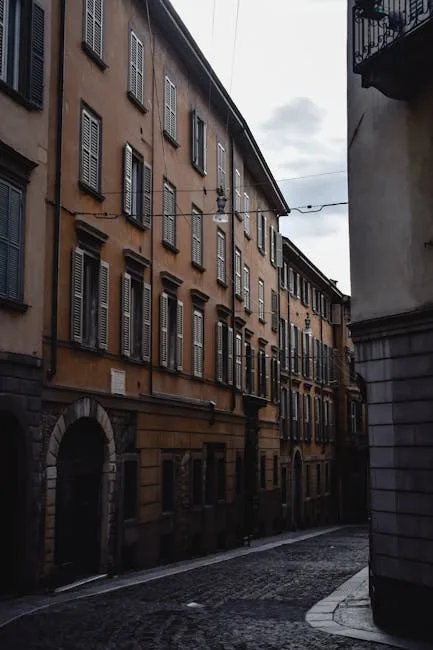
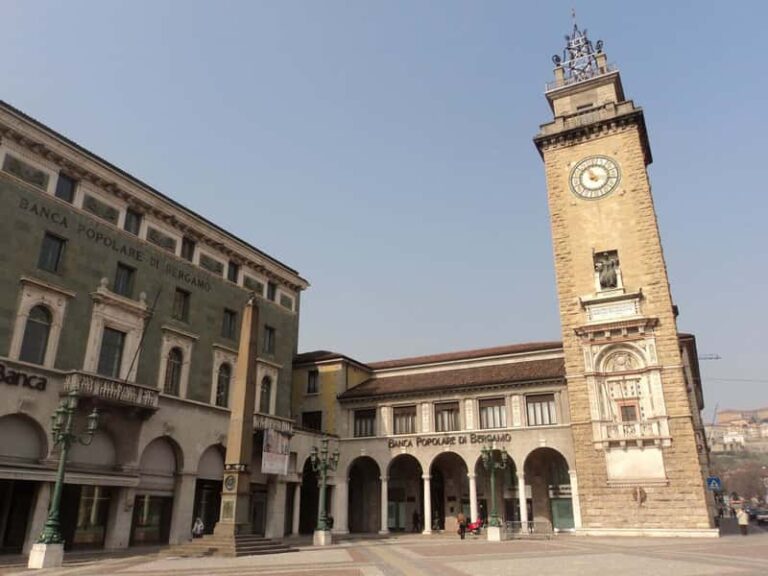
Bergamo’s uniqueness lies in its layering: a medieval and Renaissance historic core (Città Alta) in dialogue with a modern Città Bassa, dotted with neoclassical buildings and lively shopping axes like the Sentierone (Viale Vittorio Emanuele II). Between these poles, suburbs such as Borgo Santa Caterina and Borgo Palazzo have kept a strong local identity and host artisan workshops — upholsterers, ceramists, master metalworkers — who still use techniques passed down through generations but can create contemporary pieces in tune with today’s taste.
In each neighborhood, design appears in different ways: industrial wastelands converted into exhibition spaces, restored and enhanced façades, small shops selling limited-edition furniture and accessories, cafés staging local design objects. This article offers a walk organized into sections, each dedicated to a neighborhood or creative register, with practical info (addresses, hours, indicative prices), immersive descriptions and tips to meet creators and bring home unique pieces. Whether you’re a designer, curious traveler or architecture lover, you’ll find concrete pointers to make the most of Bergamo as a design destination off the beaten path.
Before starting the tour, a few general tips: favor walking (distances in the Città Alta, between shops and workshops, are covered on foot), check hours on official sites (small shops often close for the siesta between 13:00 and 16:00), bring a sturdy bag for bulky purchases and add a ride on the Funicolare di Bergamo for a picturesque link between Città Bassa and Città Alta. We’ll begin exploring neighborhood by neighborhood, hunting for local design treasures.
 Click here to book a guided tour of the upper and lower town
Città Alta: historic design and heritage staging
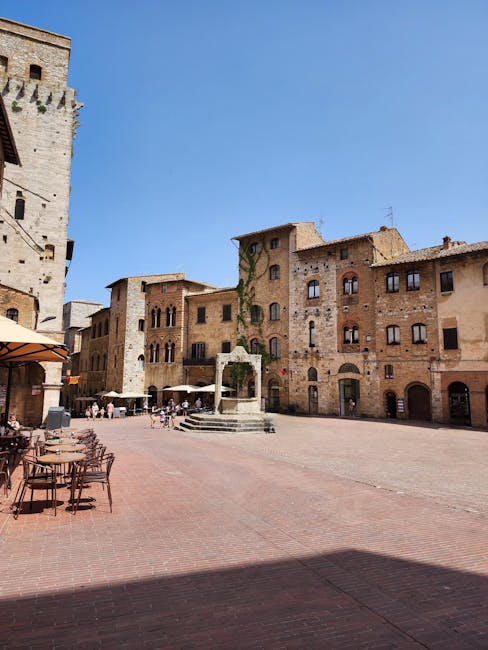
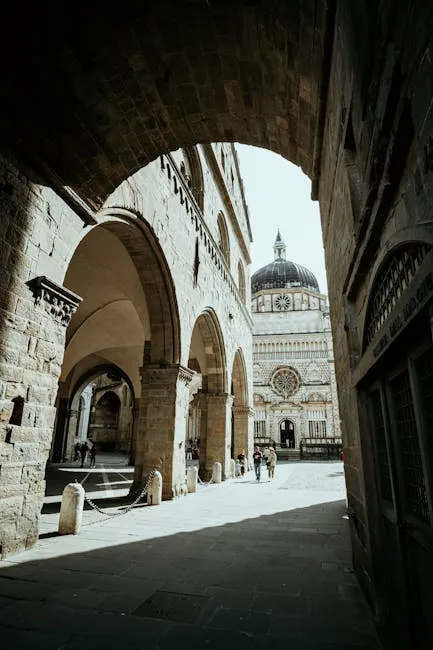
The Città Alta (Upper Town) is Bergamo’s historic heart, a maze of cobbled lanes, patrician palaces and intimate little squares. Here, design isn’t limited to contemporary objects; it also appears in conservation, museification and heritage scenography. Piazza Vecchia, surrounded by the Palazzo della Ragione and the Biblioteca Angelo Mai, is a model of urban spatial design: cobbles, benches, fountains and restored street lighting all respect the visual harmony. Address: Piazza Vecchia, 24129 Bergamo BG. Free access; the square is open all day with carefully designed nighttime lighting.
Two monuments demand the design visitor’s attention: the Cappella Colleoni (Piazza Duomo, 24129 Bergamo BG) and the Torre Civica (Campanone) on the same square. The Cappella Colleoni, a Renaissance funerary chapel, displays sculpted decor and the use of marble and polychromy that often inspire local designers. Indicative opening hours: Cappella Colleoni 09:00–18:00 (seasonal variations), entrance about €3–5 combined with the Duomo; Campanone (Torre Civica): open 10:00–18:00, climb around €4–6 (check seasonal times). These sites tell the story of stonework and gilding, influencing contemporary jewelry and decorative object production.
In the surrounding alleys, small shops and artisan workshops offer restored furniture, handcrafted lighting and leather goods. A recommended stop is Via Gombito and its surroundings, where you’ll find several marquetry and restoration workshops. These ateliers often provide demonstrations on request; it’s advisable to call ahead to arrange a private visit. For a well-designed coffee and a display of handcrafted objects, go to Caffè del Tasso (Piazza Vecchia 3). Hours: 08:00–20:00; average price for an espresso: €1.20–1.50.
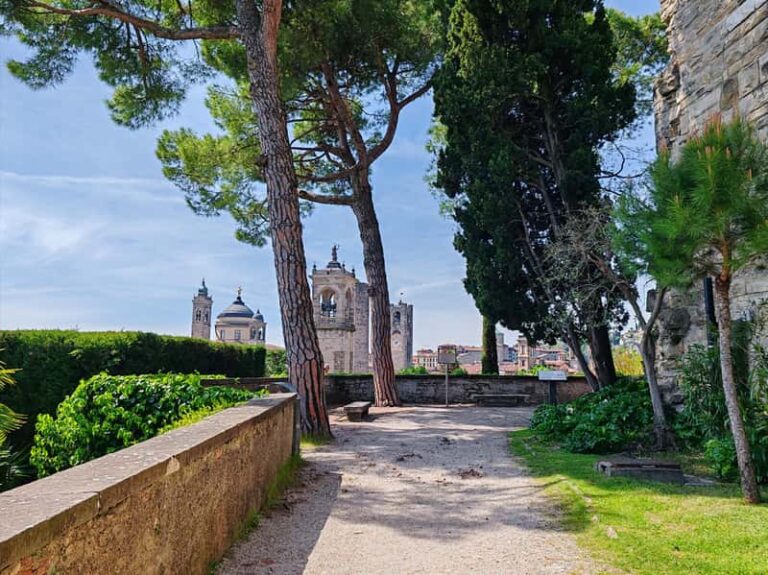
Practical tips: the Città Alta is mostly pedestrian and cobbled — wear comfortable shoes. Small shops sometimes close between 13:00 and 15:30 for siesta; prioritize the morning for a full visit. For an artistic view of the city, climb the Venetian walls (Sentierino delle Mura) toward Rocca di Bergamo (Piazzale della Rocca). Free access; panorama free — ideal at sunset for photos and to see how light reveals the textures of local materials.
Click here to book a private tour of the upper town and ramparts
Città Bassa and Sentierone: design shops, contemporary cafés and designer galleries
The Città Bassa (Lower Town) is Bergamo’s commercial and modern heart. The Sentierone, the main shopping boulevard officially named Viale Vittorio Emanuele II, is lined with elegant shop windows, concept stores and cafés where interior design plays a central role in the experience. If you’re looking for contemporary design applied to everyday life (furniture, lighting, tableware), this is the place to start. Main address: Viale Vittorio Emanuele II, 24121 Bergamo BG.
Among the must‑see cultural spots, the Galleria d’Arte Moderna e Contemporanea (GAMeC) is worth a visit. Address: GAMeC – Galleria d’Arte Moderna e Contemporanea, Via San Tomaso, 53, 24121 Bergamo BG. Typical hours: Tue–Sun 10:00–18:00; closed Mon. Admission: general entry around €8–12 (temporary exhibitions often priced separately). GAMeC frequently hosts exhibitions where design meets contemporary art — luminous scenographies, design object installations and collaborations with local designers.
For shopping, look out for concept stores like “Lo Stringa” (address to verify locally) and the small restored furniture shops around Via XX Settembre and Via Borfuro. Many design stores sell contemporary Italian pieces — ceramics, textiles and lighting. Cafés such as Pasticceria Cavour (Piazza Pontida 5, 24122 Bergamo BG) also lean into design: modernist interiors, carefully chosen tableware and displays of local artworks. Typical hours: 07:00–20:00; cappuccino price: €1.50–2.50.
Around Piazza Pontida and Via Tasso, independent bookstores often stock books on Italian design and specialist magazines — a great resource to understand local trends. For professionals, the area sometimes hosts pop‑ups and temporary markets, especially during design weeks or local festivals. Practical tip: follow local Instagram accounts (e.g. GAMeC, Accademia Carrara, tourist offices) to catch openings and vernissages — great chances to meet designers and gallerists over a drink.
Click here to discover Bergamo’s highlights by minibus or train
See Bergamo differently: three concrete options to spot design district by district
These suggestions differ by viewpoint: a heritage and staged reading in the Città Alta, shop and gallery scouting in the Città Bassa, and a workshop‑and‑craft exploration in the suburbs. Each offers a distinct pace and focus — cultural, commercial or artisanal — to craft your own design walk.
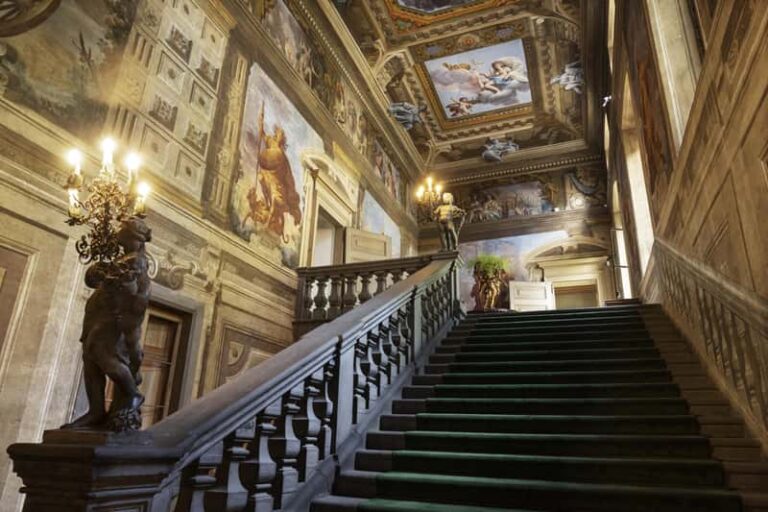
1. Palazzo Moroni — baroque palace and private garden
Short visit of the restored baroque palace: nine richly painted rooms and the largest private garden in the Città Alta. Useful to observe the historic scenography that inspires local creators.
- ⏱️ Duration: 1 hour
- 💡 Highlight: Baroque frescoes and large private garden
- 🎟️ Admission: Paid entry ~€14
2. French‑language guided tour of the Città Alta
Guided walk in French to understand the history, urban staging and architectural details — ideal for spotting where heritage becomes material for contemporary design.
- 👥 Format: Guided tour
- ⏱️ Duration: 1.5 hours
- 🚩 Departure: Piazza Mercato delle Scarpe (funicular)
- 🗣️ Languages: French
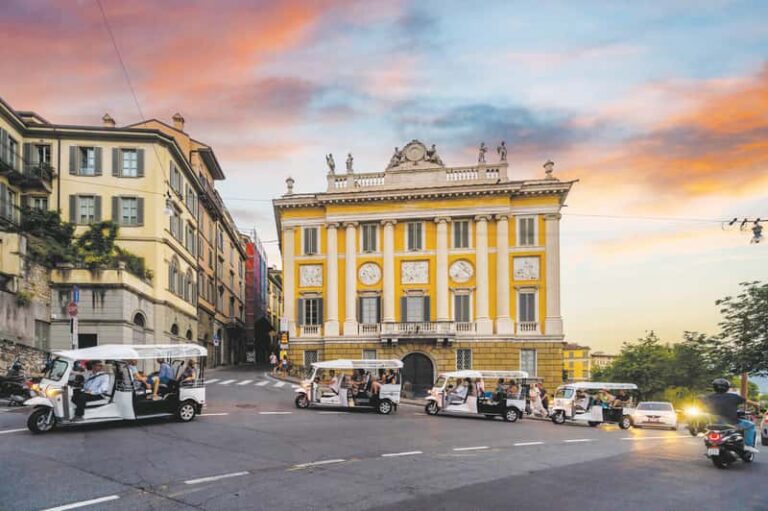
3. Private tuk‑tuk — scouting and curiosities
Private, playful tuk‑tuk tour to spot ramparts, squares and small industrial conversions without the walk — handy for locating workshops and shops to explore on foot afterwards.
- ⏱️ Duration: 70 minutes
- 🎧 Format: Private / tuk‑tuk
- ⭐ Highlight: Access to hidden spots and panoramic views
- 🗣️ Languages: Italian, English, French
4. Lower town — shops and design cafés
Private tour focused on the Sentierone, concept stores and the GAMeC: an itinerary designed to spot shopping addresses, galleries and cafés where design is lived daily.
- ⏱️ Duration: 2.5 hours
- 🚩 Departure: Bergamo Station (Piazzale G. Marconi)
- 📍 Itinerary: Sentierone → Porta Nuova → Piazza Pontida
- 🗣️ Languages: French, English, Italian, Spanish, German
Borgo Santa Caterina and Borgo Palazzo: artisan workshops, textiles and ceramics
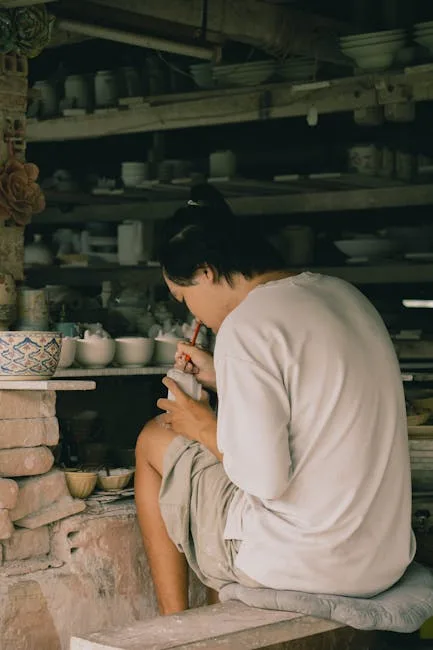
Borgo Santa Caterina and Borgo Palazzo are less touristy neighbourhoods but essential for anyone wanting to discover “design made here.” These suburbs still host a network of specialist artisans — upholsterers, ceramicists, master cobblers and small family businesses turning traditional materials into contemporary objects. Wandering the streets you’ll come across street-facing workshops with displays of reupholstered armchairs, blown-glass lamps and enamelled tableware.
Address to note: Via Borgo Santa Caterina (exact coordinates vary by workshop). Workshops mostly open mornings, from 9:00 to 12:30, and reopen 15:30 to 19:00. Many master artisans accept visits by appointment — a call or a message on social media is often enough to arrange a time. Prices vary widely: a small handmade ceramic can cost between €15 and €60, a restored chair between €150 and €600 depending on the work.
A recommended detour is the Mercato di Borgo Palazzo (Piazza Lorenzo Lotto), the lively neighbourhood market. Address: Piazza Lorenzo Lotto, 24122 Bergamo BG. Hours: market in the morning (generally 8:00–13:00) on market days; prices: local food products and some craft stalls; entry is free. Local markets are a great place to spot traditional textiles, embroidery and turned-wood objects, often sold by local artisans.
Practical tips for buying crafts: always ask about the origin of materials (sustainably sourced wood, firing clays for ceramics), check shipping options if the item is fragile, and negotiate politely for multi-piece purchases. Upholstery workshops may offer custom work; allow several weeks and expect prices starting around €250–300 for a small restored seat. Keep in mind many artisans prefer cash or bank transfer — check card payment options before you go.
Click here to join a market and private cooking class
Museums, theatres and industrial conversions: exhibition design and hybrid spaces
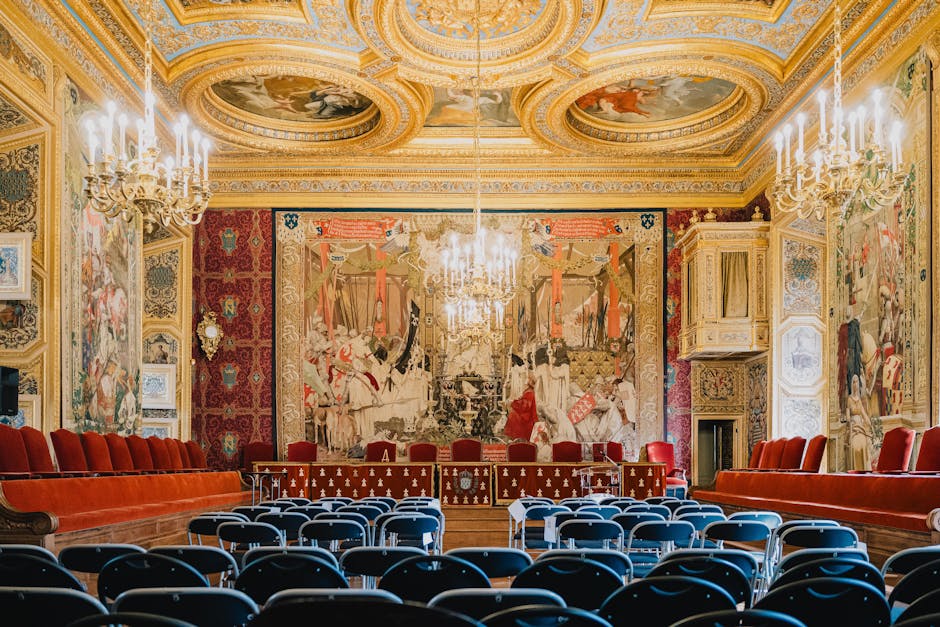
Bergamo has several institutions that link design, art and architecture through their exhibition setups. The Accademia Carrara (Pinacoteca Accademia Carrara) is one of the most renowned art museums — a place where classical museography now meets contemporary interventions. Address: Accademia Carrara, Piazza Giacomo Carrara 82, 24121 Bergamo BG. Hours: typically Tuesday–Sunday 10:00–18:00; tickets: standard around €8–12 (rates vary for temporary exhibitions). The Accademia houses paintings by Botticelli, Bellini, Raphael and the Carraccis, and the museum’s scenography often serves as a reference for local curators.
The Teatro Donizetti also deserves a mention for its architecture and event scenography. Address: Teatro Donizetti, Piazza Cavour, 15, 24121 Bergamo BG. Box office hours vary with programming; ticket prices: €10–80 depending on the show. The theatre is a good example of a cultural venue where lighting, acoustics and seating layout contribute to the design of the experience.
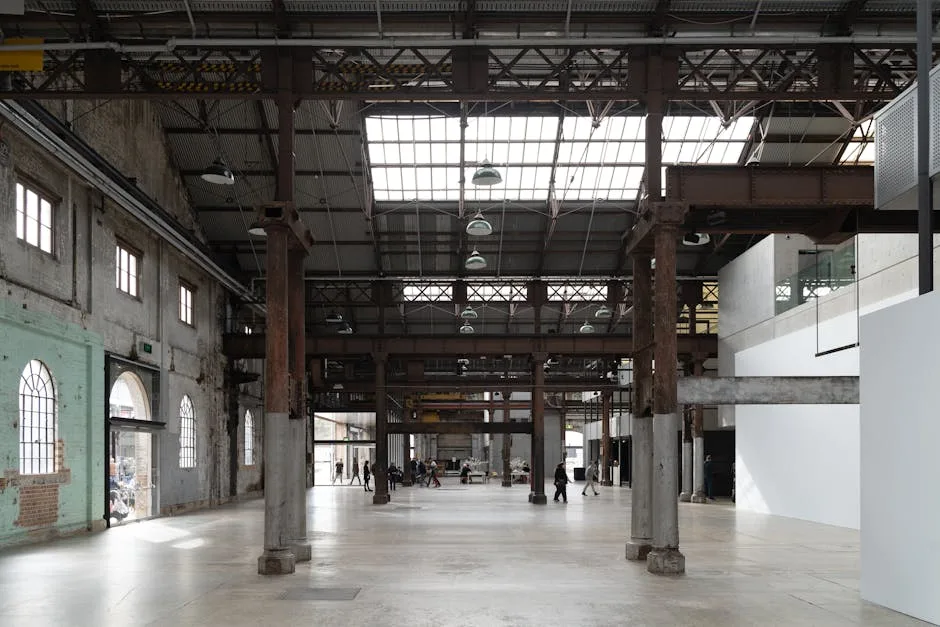
As for industrial conversions, Bergamo has reused sites to host creative start-ups, shared workshops and exhibitions. Look for spaces like “Ex Officine” or reclaimed brownfields along Via Autostrada (names and locations to verify on site) that organise artist residencies and design pop-ups. These venues often have variable entry fees (free up to €10–15 for some events) and sell objects directly by resident makers.
For professional visitors, Bergamo offers themed guided tours (architecture, industrial design, crafts) via the tourist office (IAT Bergamo). Address: Ufficio Informazioni e Accoglienza Turistica, Piazza Matteotti 7, 24121 Bergamo BG. Hours: generally 9:00–18:00; contact them to book specialised tours, often charged between €50 and €150 depending on duration and group size.
Click here to book a bespoke private tour with a local guide
Practical tips for exploring design in Bergamo
Before we finish, here’s a quick roundup of practical tips to get the most out of your design trip to Bergamo:
- Transport: Bergamo train station (Stazione di Bergamo, Piazza Guglielmo Marconi) is well connected to Milan (about 50 minutes). The city is easy to explore on foot; use the historic funicular (Funicolare Città Bassa–Città Alta) for a picturesque link between levels. Lower station: Piazza Mercato delle Scarpe (verify exact name on arrival).
- Opening hours: Artisan shops often close for siesta (13:00–15:30). Museums may be closed on Mondays or have reduced hours; check official sites before visiting.
- Prices: Main museums: Accademia Carrara and GAMeC: €8–12; Cappella Colleoni/ Duomo: €3–6 depending on combined tickets. Workshops and shops have highly variable prices — budget extra if you’re after unique pieces.
- Purchases and shipping: For fragile items, ask about packing and shipping options — many artisans work with local packing and international shipping services. Check taxes and VAT if you’re exporting to a non-EU country.
- Language: Italian is the local language: English is generally understood in museums and larger shops; in small workshops, basic English or a few Italian phrases helps. Useful phrases: “Buongiorno” (hello), “Posso visitare il laboratorio?” (May I visit the workshop?), “Qual è il prezzo?” (What is the price?).
Click here to book a tour in Bergame with funicular and transfer
Conclusion: take Bergame with you — beyond the images
Bergame offers a design experience that goes beyond immediate tourism. The dialogue between old and new, visible in both the Città Alta and the Città Bassa, creates a rich scene where aesthetics are built on the memory of materials and techniques. The workshops of Borgo Santa Caterina and Borgo Palazzo, museums like the Accademia Carrara and GAMeC, and the shops along the Sentierone form a living network where traditional craftsmanship and contemporary creation meet.
For the visitor, the real pleasure is finding a piece that tells a story: a chair restored by a master upholsterer, a ceramic piece still warm from the studio, a small polished brass lamp made by a young Bergame designer. These objects are tangible souvenirs but also witnesses to a place where design remains closely tied to local practices and daily life. When planning your trip, favor direct contact with artisans (appointments for visits), follow gallery schedules to catch openings, and leave time to wander — the best discoveries often happen off the beaten path.
Finally, remember that Bergame, despite its proximity to Milan, keeps its own identity: a subtle mix of artistic heritage, local conviviality, and contemporary openness. Take home not only objects but also a fresh perspective on how design can root itself in a community. And above all, come back: each season reveals new facets — markets, exhibitions, open studios — that will continue to enrich your appreciation of Bergame’s “local design gems.”
Click here to book a visit to the Franciacorta vineyards with lunch