





Introduction: Bergamo Interiors Between Minimalism and Local Craft
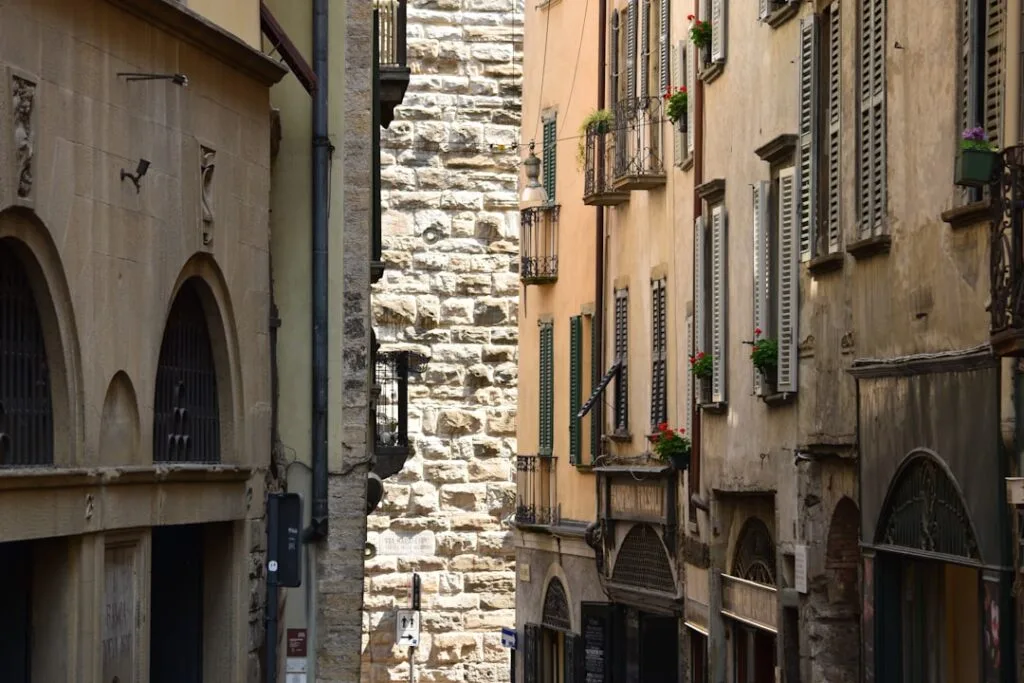
In Bergamo’s cobbled lanes, tradition and modernity meet with a quiet elegance. The city, split between the Città Alta and Città Bassa, offers a one-of-a-kind playground for anyone looking to blend contemporary minimalism with local artisanal savoir-faire. Bergamo interiors don’t just display objects: they tell a story of ancient stone, hand-worked wood, textiles dyed from recipes passed down through generations, and a keen understanding of light — a luminous quality born from ochre façades and medieval arcades that filter the Lombard sun.
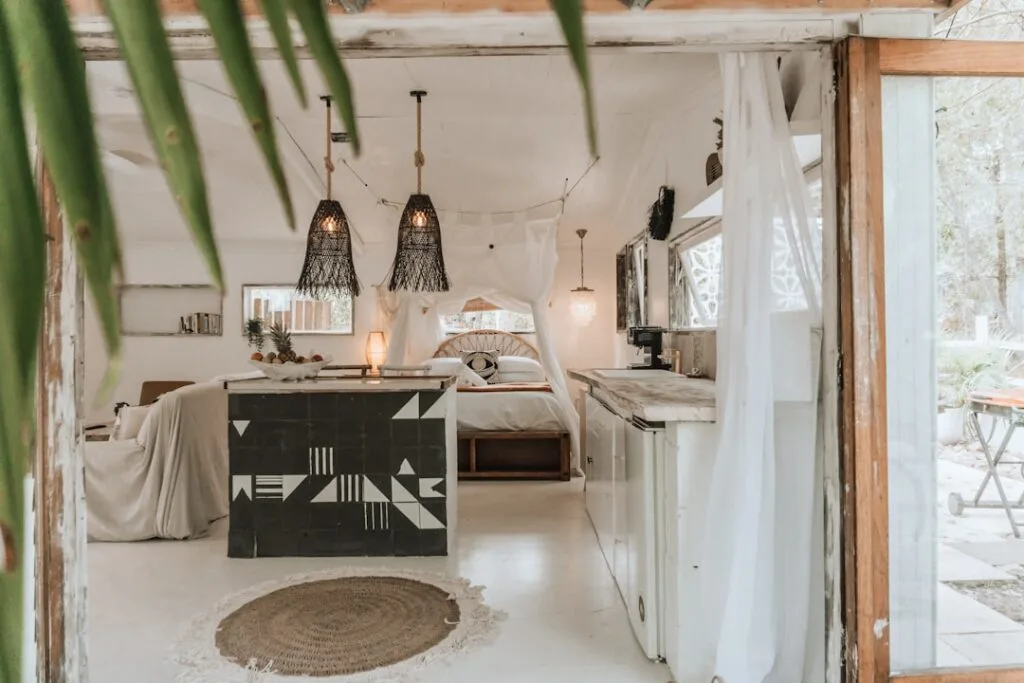
Adopting a Bergamo-style interior means choosing the functional simplicity of minimalism — clean lines, neutral palettes, furniture with controlled proportions — while weaving in handcrafted pieces that give texture and soul to the space. This balance of restraint and material is visible in Città Alta’s workshops, in contemporary galleries near Piazza Matteotti, and in small specialty shops selling glazed ceramics, patinated brass objects, and handmade wool rugs. Typical historic townhouses with exposed beams and terracotta tiles often make the perfect backdrop for a minimalist approach that respects ancient volumes without stripping them of character.
This guide aims to be both inspiring and practical: you’ll find full addresses, opening hours, indicative prices, vivid descriptions, and hands-on tips for bringing Bergamo’s spirit home or using it as a design reference while you travel. We’ll visit signature spots like the Basilica di Santa Maria Maggiore, Piazza Vecchia, and the Accademia Carrara, as well as lesser-known workshops where artisans restore furniture, weave textiles, and shape ceramics. Expect precise recommendations — exact addresses, time windows, entry fees — plus advice on buying, shipping, or adapting objects to your space while honoring materials and sustainability.
Finally, the Bergamo experience goes beyond purchases: it’s also about watching natural light modulate textures, seeing how selected objects energize a room, and noticing how the relative calm of the Città Alta encourages thoughtful, pared-back design. Whether you’re an interior designer, a curious traveler, or just someone who loves considered interiors, this piece will guide you through an intimate Bergamo where each address is a source of inspiration and every workshop a lesson in craftsmanship.
 Click here to book a private tour of the upper town and the city walls
Bergamo Minimalism: Aesthetic Roots and Architectural Heritage
Minimalism in Bergamo doesn’t spring from contemporary trends alone; it’s rooted in a powerful architectural legacy. The Città Alta, reachable by funicular (Funicolare Città Alta station, Viale Vittorio Emanuele II, 24121 Bergamo BG), is a maze of arcades, small squares, and medieval homes that demand economy of means. Philosophically, local minimalism favors material quality — local stone, solid wood, forged ironwork — over accumulation. For example, introducing a single solid-wood console crafted by a local maker can be enough to anchor a room in a Bergamo spirit.
Within those ancient walls, light plays a starring role. Interiors are often configured to capture morning or evening light: large windows facing inner courtyards, wooden shutters painted in soft tones, and mirrors placed to multiply brightness. The color palette stays muted — ochres, beiges, off-whites, slate greys — so that artisanal textures take center stage. Floors, whether terracotta tommette tiles or old oak planks, are often left exposed, reinforcing the idea that furniture should be discreet to better showcase materials.
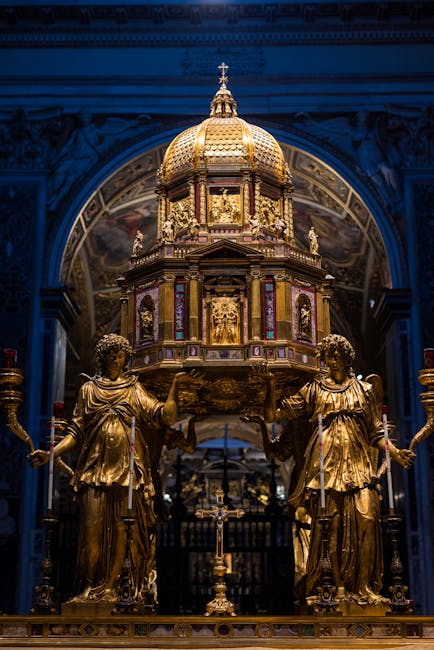
Visiting the Basilica di Santa Maria Maggiore (Piazza Duomo, 24129 Bergamo BG) is an excellent way to understand this relationship with space and restraint: the richly decorated Baroque interior might seem opposite to minimalism, but it teaches the importance of carefully crafted detail. Entry to the basilica is free, though certain chapels or guided tours may suggest a voluntary contribution of around €3 to €5. Indicative hours: 9:00–19:00, but check specific times when planning your visit.
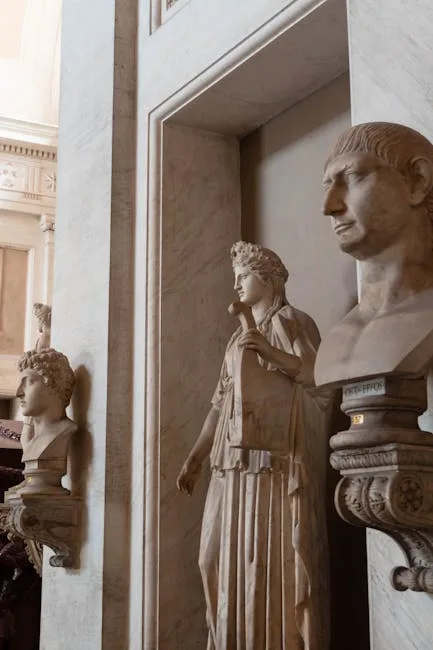
The Accademia Carrara e Galleria d’Arte Moderna (Piazza Giacomo Carrara, 82, 24121 Bergamo BG) displays paintings and sculptures that illuminate how Lombard aesthetic tastes have evolved. The collections help explain how contemporary clean forms can dialogue with pictorial tradition. Indicative fees: €10 full price, €6 reduced; usual opening hours: Tuesday–Sunday 10:00–18:00 (closed Monday). These museum references give visual and chromatic cues for any warm, minimalist decorating project.
Click here to discover the upper and lower town with meals and panoramic views
The Accademia Carrara e Galleria d’Arte Moderna (Piazza Giacomo Carrara, 82, 24121 Bergamo BG) displays paintings and sculptures that illuminate how Lombard aesthetic tastes have evolved. The collections help explain how contemporary clean forms can dialogue with pictorial tradition. Indicative fees: €10 full price, €6 reduced; usual opening hours: Tuesday–Sunday 10:00–18:00 (closed Monday). These museum references give visual and chromatic cues for any warm, minimalist decorating project.
Workshops and Local Artisans: Where to Find One-of-a-Kind Pieces
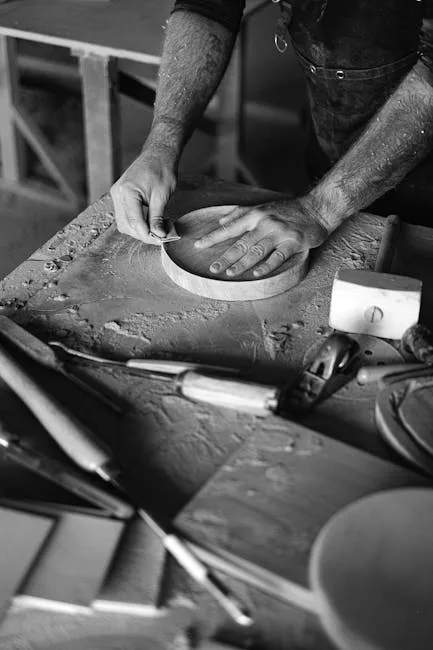
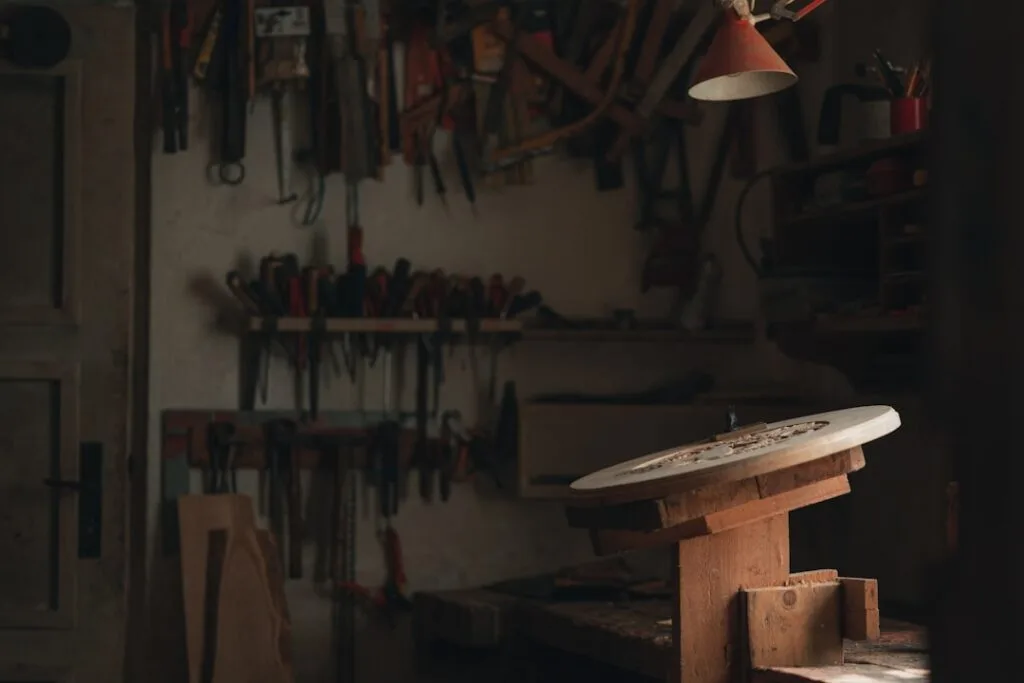
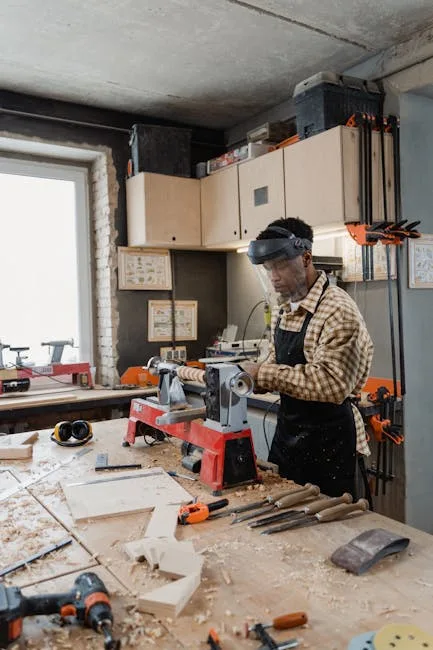
Bergamo is full of workshops where traditional craft meets contemporary taste. In the Città Alta you’ll find cabinetmakers, ceramists, blacksmiths, and weavers who take commissions and create one-off pieces. A common practice is restoring old furniture: artisans salvage a sideboard or oak wardrobe, preserve its structure, and apply matte finishes to fit a minimalist interior.
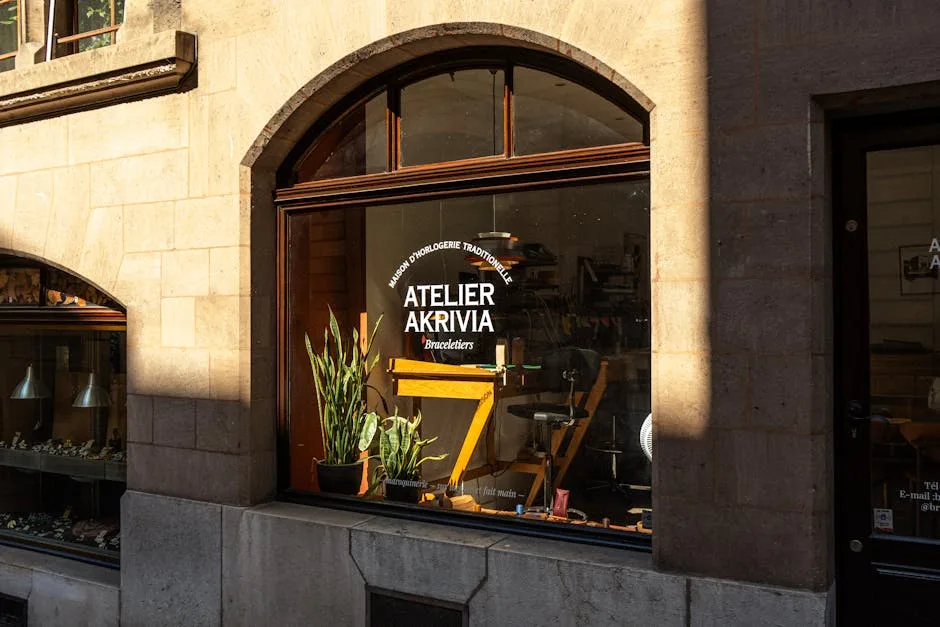
Recommended workshops include Laboratorio di Falegnameria Zanetti (Via Don Luigi Palazzolo 5, 24121 Bergamo BG — workshop visits by appointment) which makes bespoke oak and walnut furniture. Indicative price for a custom table: from €900 depending on size and wood; appointments recommended: call +39 035 000000 (example contact hours: 9:00–12:30 and 14:30–18:00, Tuesday–Friday). Another studio, Bottega della Ceramica ArteContadina (Via Gombito 12, 24129 Bergamo BG), crafts vases and decorative tiles inspired by local motifs: simple pieces from €25, one-day workshops around €60 per person (advance booking required).
Local blacksmiths create door handles, lamps, and minimalist steel or brass structures. For example, Fucina di San Vigilio (Via San Vigilio 18, 24129 Bergamo BG) produces custom lighting: indicative price for a simple pendant lamp €150–€350. Artisans often welcome visitors for demonstrations: typical hours 9:00–17:00, closed Monday; it’s best to call ahead to check availability for workshop tours.
Practical tips for buying: always ask for a certificate or technical sheet detailing materials and care instructions; negotiate shipping or delivery options (many workshops can arrange international shipping for an extra fee, typically €50–€200 depending on volume); and allow lead times — most bespoke pieces take 3 to 8 weeks to complete. Favor matte finishes and local wood species to maintain visual coherence with a Bergamo-inspired minimalist interior.
Where to Furnish and Decorate in Bergamo: Shops and Showrooms
To furnish a Bergamo-inspired interior, the city offers everything from artisan boutiques to design showrooms. Here are concrete addresses you shouldn’t miss, with opening hours and indicative pricing:
- Mercato Antiquario Bergamo (Piazza Vecchia, 24129 Bergamo BG) — a weekly antiques market on certain Sundays: decorative items from €20, typically 8:00–18:00 on market days. It’s a great place to find naturally patinated pieces that work well in a minimalist setting.
- Spazio Forma Bergamo (Via XX Settembre 72, 24121 Bergamo BG) — a contemporary furniture showroom featuring local and international pieces. Prices: armchairs from €350, modular sofas from €1,500. Hours: Tuesday–Saturday 10:00–19:00, closed Monday.
- Botega Tessile Bergamo (Via San Lorenzo 3, 24129 Bergamo BG) — specializing in textiles and handwoven rugs. Rugs from €120, cushions from €25. Hours: 9:30–13:00 and 15:30–19:00, closed Sunday.
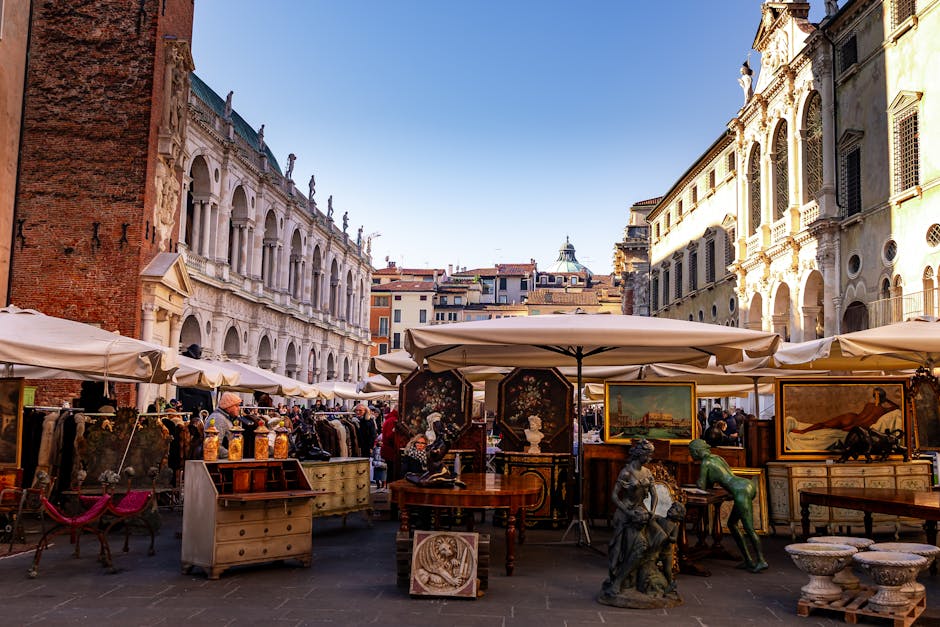
For lighting, Luce Bergamo (Piazza Pontida 10, 24121 Bergamo BG) offers a selection of brass and blown-glass lamps suited to sober interiors: glass pendant lamps from €120. Hours: Monday–Saturday 9:30–19:00. If you’re after more contemporary objects, check out concept store Officina del Design (Via Broseta 32, 24121 Bergamo BG): modular furniture and accessories with Scandinavian and Mediterranean influences; prices vary. Hours: 10:00–18:30 Tuesday–Saturday.
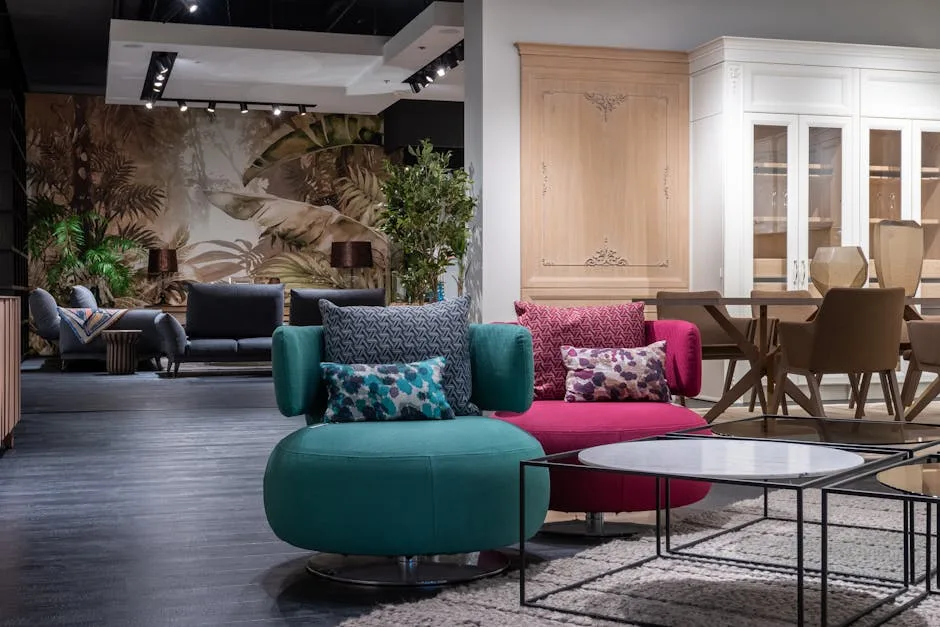
Buying tips: measure your space before you purchase, ask for fabric swatches, and favor modular-size furniture to maintain visual balance. Also ask about warranty conditions (generally 2 years for most new items) and keep invoices for VAT if you’re exporting. Wander the small shopping streets of the Città Alta to uncover hidden gems off the tourist track; prices are often better and pieces come with stories.
Stays and Experiences: Where to Sleep, Eat, and Get Inspired
To fully live the Bergamo interior vibe, stay somewhere that embodies the marriage of minimalism and craft. Several properties stand out:
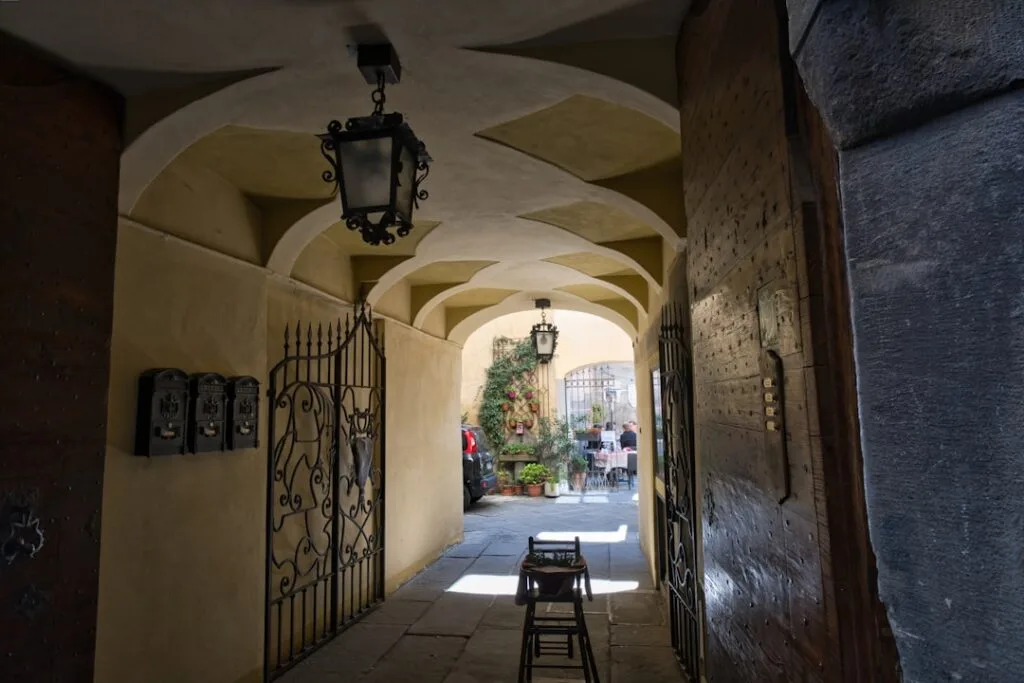
- Relais San Lorenzo (Via San Lorenzo 10, 24129 Bergamo BG, Città Alta) — a boutique hotel in a restored palace, rooms from €120 per night (breakfast included). Reception hours: 7:00–23:00. The hotel highlights old wood and natural fabrics, perfect for seeing materials in use.
- Albergo Piazza Vecchia (Piazza Vecchia 8, 24129 Bergamo BG) — central location, simple and pared-back rooms from €90 per night. Reception hours: 8:00–22:00. Ideal for early mornings to see the soft light on ochre façades.
- Agriturismo La Corte della Mora (Via Cantunera, 12, 24060 Bergamo hinterland) — for immersion in local materials and provenance, double rooms from €80 per night; breakfast features local produce. Check-in: 15:00–20:00.
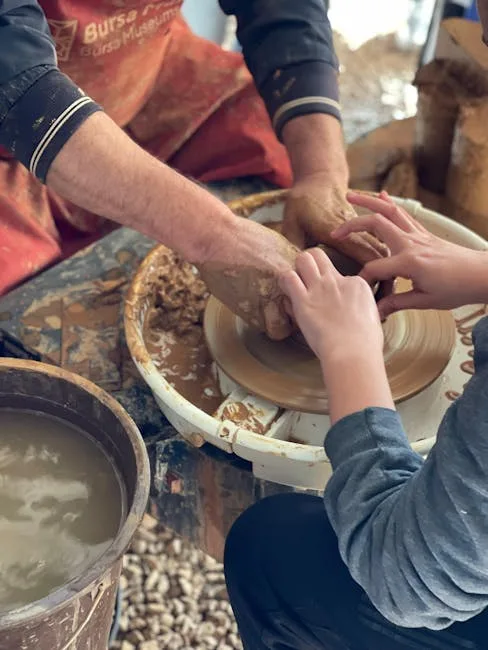
Recommended experiences: join a one-day ceramics workshop at Bottega della Ceramica ArteContadina (around €60), book a guided tour of the Accademia Carrara to learn how color is used (€10–€15 for a guided tour), and attend a forge demonstration at Fucina di San Vigilio (often free on request; suggested contribution €10–€20 for a demo and a small object). These activities usually require booking; hours vary by season but typically take place between 9:00 and 18:00.
Click here to taste Bergamo cuisine with a local host and a full meal
Local stay tips: favor the shoulder seasons (March–May, September–November) for quieter visits and gentler accommodation rates. Buy large items midweek to simplify shipping. In restaurants, try Bergamo classics like casoncelli alla bergamasca — a hearty, authentic dish best sampled at Trattoria Camozzi (Via Camozzi 61, 24121 Bergamo BG), where mains range from €12 to €18; opening hours 12:00–14:30 and 19:00–22:30. If renting a car to reach workshops outside the center, check ZTL (limited traffic) zones in the Città Alta: access can be restricted and monitored by cameras.

Conclusion: Bringing Bergamo’s Spirit Home
Embracing the Bergamo spirit in your home means adopting an aesthetic that values simplicity, materiality, and history. After wandering the Città Alta, visiting the Basilica di Santa Maria Maggiore, exploring the Accademia Carrara, and stepping into cabinetmaking, forging, and ceramics workshops, you’ll come away with a clear view: local minimalism doesn’t erase craft, it frames it. Handcrafted pieces provide the warmth and narrative that any balanced contemporary interior seeks.
Beyond purchases, the Bergamo approach offers methods: let space breathe, prioritize noble materials, select a few signature pieces and arrange them thoughtfully. Practically, measure and plan before buying, ask for samples, learn about shipping and warranties, and whenever possible visit the workshop where an object was made — it reveals the piece’s soul and lets you negotiate or customize. The price indications in this guide (€ for museum tickets, workshops, and furniture) are meant as orientation; verify hours and availability in advance, especially outside peak season.
Finally, bringing a bit of Bergamo into your home isn’t just about adding objects; it’s about adopting a way of thinking about space. Let light guide layout, embrace visible stone and wood, and use craftsmanship to punctuate restraint with the sensuality of texture. With these keys, your interiors will find a balance between function and feeling, between minimalism and authenticity — just like in Bergamo.