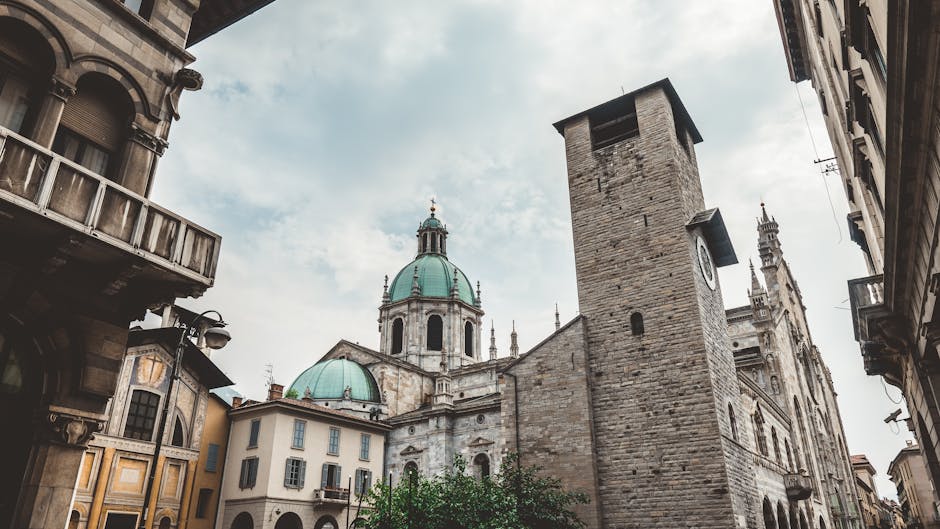






Bergamo in 10 landmarks: the essentials not to miss
Introduction
Bergamo is a city that packs the essence of Lombardy into a compact space: fortified hills, medieval lanes, religious art and remarkable museums. Split into two parts — the Città Alta (the old, fortified upper town) and the Città Bassa (the more modern lower town) — Bergamo offers a journey through time on every street corner. The Città Alta, protected by 16th‑century Venetian walls listed as a UNESCO World Heritage site, is a maze of paved squares, loggias, bell towers and richly decorated churches that speak of history, economic power and artistic devotion.
This article maps out a route focused on ten must‑see monuments in Bergamo, with practical details: exact addresses, opening hours, indicative prices and local tips to make the most of your visit. The aim isn’t just to tick off sites but to help you feel Bergamo’s atmosphere: the bells ringing over Piazza Vecchia, the golden gloom of the basilicas, panoramic views from the hills and the dolce vita of cafés under the arcades.
Whether you’re an art lover (Pinacoteca Accademia Carrara), a music fan (Teatro Donizetti), fascinated by medieval and Renaissance architecture (Palazzo della Ragione, Cappella Colleoni) or simply after views (Rocca, San Vigilio), this guide covers the essential addresses and practical info to plan one or two full days in Bergamo. You’ll also learn when to take the funicular to avoid crowds, where to taste Bergamasque cuisine and how to combine visits to save time.
Finally, this guide offers concrete tips: best times to visit each site, ticket combos, alternatives in case of rain and transport recommendations. Prices and hours may change with the season or temporary closures; I recommend checking official sites or entrance notices before you go. Pack walking shoes, a camera and boundless curiosity: Bergamo rewards those who take the time to wander its streets. Below are the ten listed and numbered monuments, each detailed so you know exactly what to see, when and how.
1. Piazza Vecchia and the Palazzo della Ragione
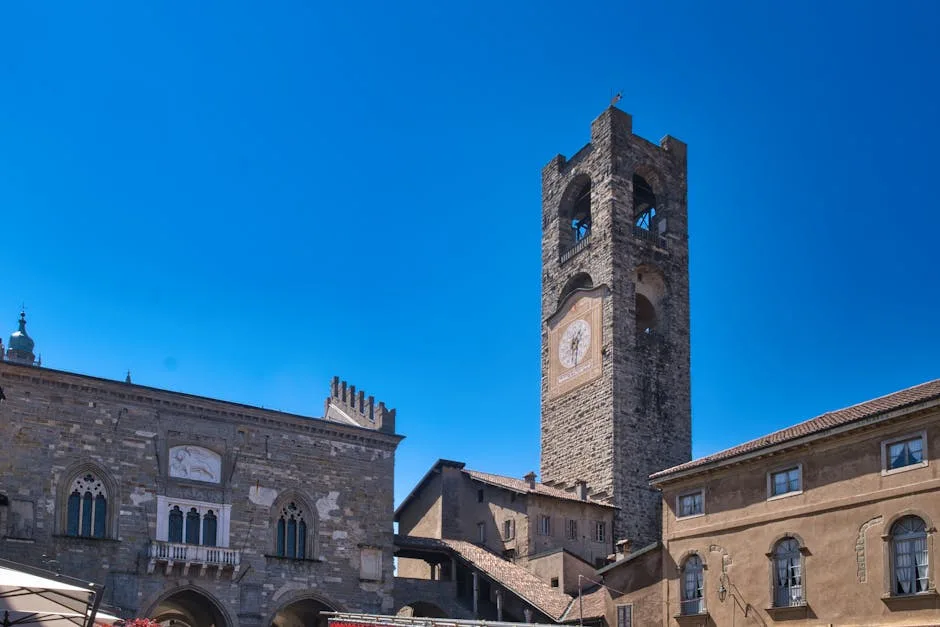
Address: Piazza Vecchia, 24129 Bergamo BG. La Piazzetta, the heart of the Città Alta, is the emblematic square where Bergamo’s historic life concentrates. At its center stands the Contarini fountain (Fontana di Piazza Vecchia), surrounded by remarkable buildings including the Palazzo della Ragione (or Palazzo della Ragione di Bergamo) and the Torre del Campanone (or Civic Tower). The Palazzo della Ragione occupies a central position and historically housed the city’s civil institutions.
Hours: the square is open at all times; visits to the Palazzo della Ragione vary with cultural programming but the building is generally open to the public from 9:00 to 18:00 when exhibitions or events are taking place. Price: access to the square is free; guided tours of the palace or exhibitions usually cost between €5 and €10, depending on the event (check the local site for updated rates).
Immersive description: Arriving at Piazza Vecchia you’ll feel the intimate scale of the square, ringed with arcades and warm stone facades. The Palazzo della Ragione, with its great hall and arches, projects a sober elegance: imagine magistrates and merchants crossing under those vaults. Don’t forget to look up at the ornaments and coats of arms on the facades. The Torre del Campanone, right next door, rings 100 strokes at midnight to commemorate the medieval liberation — a moving moment if you’re there.
Practical tips: Come early to avoid the midday crowds and walk the arcades to discover cafés and bookshops. If you have time, climb the Torre del Campanone (the tower is open at limited times) for a view over the square and the Città Alta. Info panels are often only in Italian; consider downloading a map or tour app for extra context. Accessibility: the square is cobbled—wear comfortable shoes and, for reduced mobility, look for alternative routes to the square’s perimeter.
 Click here to take a 2-hour guided walking tour
2. Basilica of Santa Maria Maggiore
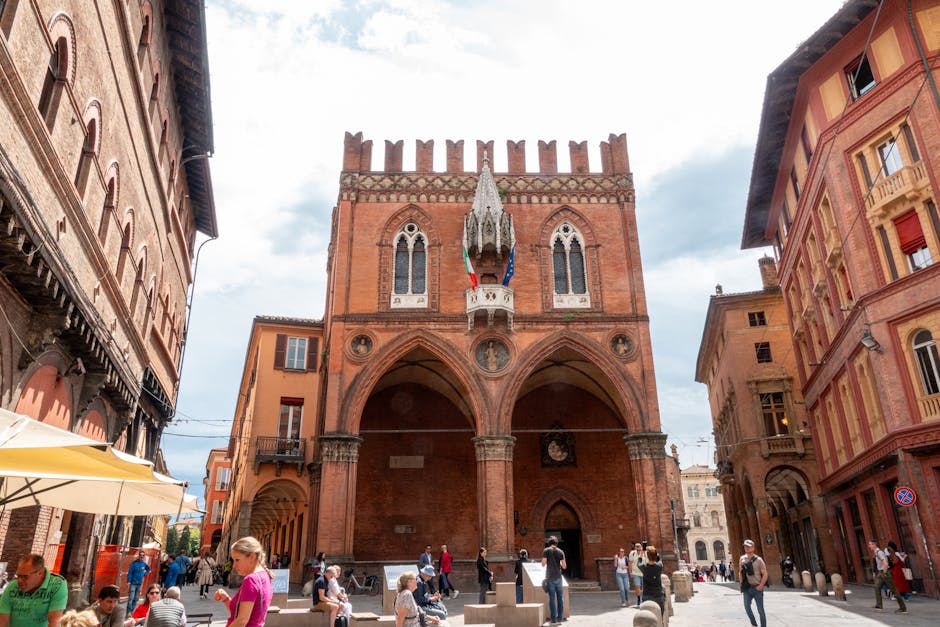
Address: Basilica di Santa Maria Maggiore, Piazza Duomo, 24129 Bergamo BG. Sitting on Piazza Duomo, this 12th‑century basilica is a Romanesque and Baroque masterpiece, famed for its lavish interior, tapestries, 15th‑century carved wooden choir stalls and richly decorated ceilings.
Hours: generally open daily from 7:30 to 12:00 and 15:00 to 18:00 (hours vary with season and religious services). Price: free entry to the basilica; some areas (like the chapel or temporary exhibitions) may request a contribution of €2 to €5.
Detailed description: As soon as you step inside, the golden half‑light and the quality of the reliefs and woodwork seize the eye. The choir stalls, carved between 1484 and 1495 by Lombard masters, are remarkably well preserved; the Flemish tapestries depict biblical episodes with colours that glow when a shaft of light hits a window. To the left, the Cappella Colleoni stands out with its polychrome marbles and sculpted choir screen: a striking example of the Renaissance transition in Lombardy (see also the Cappella Colleoni section).
Local tips: Respect service times (masses and ceremonies) which can limit access to some areas; ask at the entrance about short guided visits, often offered in Italian but occasionally in English. Photography: allowed without flash in most areas but check the signs. To enjoy the acoustics, look for information on occasional organ or choir concerts — a memorable experience. Accessibility: the church has level entrances but some interior areas have steps.
Click here to visit the upper town with a French-speaking guide
Recommended experiences on site
Each option highlights a different side of the Città Alta — from historic architecture and the ramparts to local anecdotes delivered in French. Choose according to your pace: a short overlook, an immersive guided tour or a private, in-depth visit.
1. French-speaking guided tour of the Città Alta
1.5-hour French tour mixing iconic monuments and quiet alleys: climb to the Rocca, stop by the fountains and end at Piazza Vecchia and Piazza Duomo, with possible entry to the Cappella Colleoni.
- ⏱️ Duration: 1.5 hours
- 🚩 Meeting point: Piazza Mercato delle Scarpe (funicular exit)
- 🚶 Format: Walking tour
- 🗣️ Languages: French
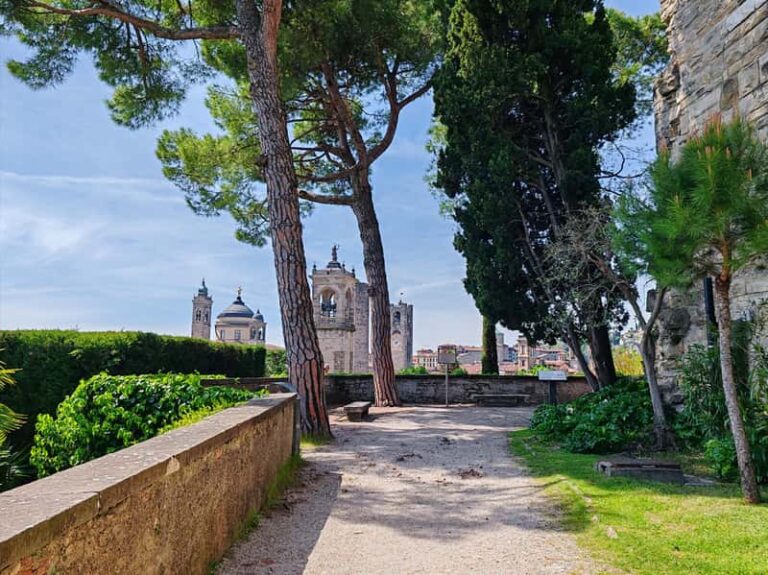
2. Private tour of the ramparts and the Città Alta
Two-hour private tour focused on the Venetian walls, Torre Gombito and viewpoints: historical narration, access to the best photo spots and pacing tailored to your group.
- ⏱️ Duration: 2 hours
- 📍 Itinerary: Venetian Walls, Torre Gombito, Piazza Vecchia
- 👥 Format: Private tour
- 👥 Group: Up to 20 people
3. Cappella Colleoni
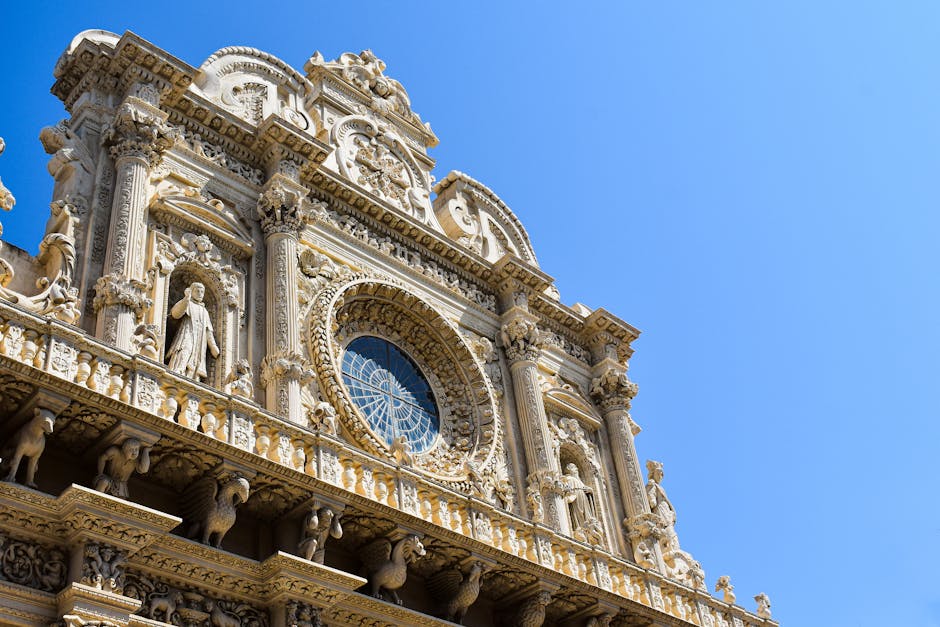
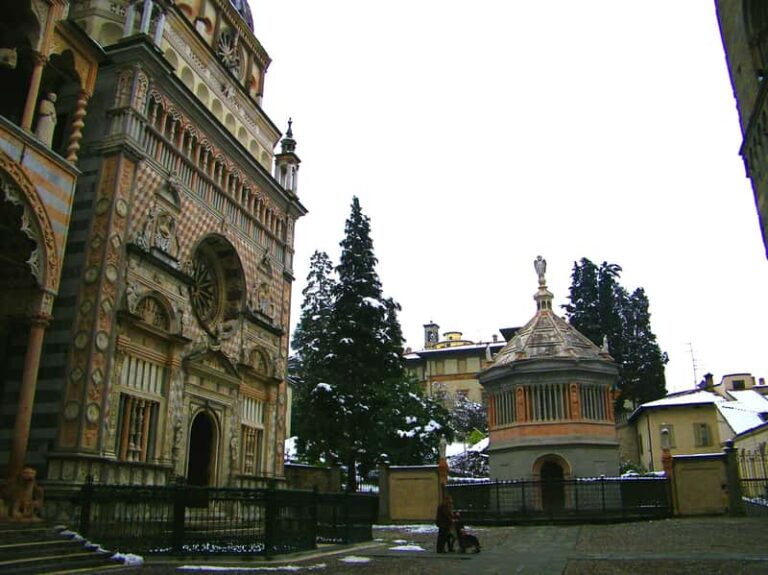
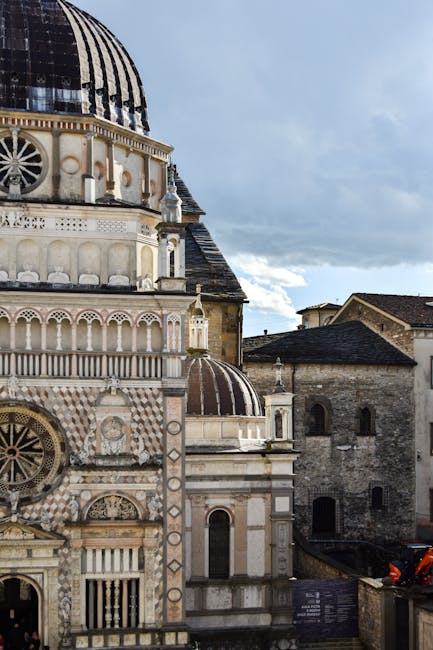
Address: Cappella Colleoni, Piazza Duomo, 24129 Bergamo BG. Right in front of the Basilica of Santa Maria Maggiore stands this funerary chapel built between 1470 and 1476 for the Bergamo condottiere Bartolomeo Colleoni. Its polychrome marble façade is one of the finest examples of Renaissance architecture in Lombardy.
Opening hours: usually open from 9:00 to 17:30 (times subject to seasonal changes). Prices: combined ticket with the Basilica and the Duomo often around €3–€6; single entry €2–€5. Check the ticket office for the exact rate on the day of your visit.
Immersive description: The Cappella Colleoni surprises with the harmony of its marbles and the delicacy of its reliefs. Inside is the richly decorated tomb of the condottiere, along with a magnificent sarcophagus and fine sculptures. The dome and painted vaults reflect the intention to create a funerary monument matching Colleoni’s prestige. The immediate attraction is the façade: geometric panels, columns and medallions that play on the tones of white, pink and green marble.
Practical tips: As the chapel is small, limit your visit time if the site is crowded to allow other visitors in. Combine the visit with the Basilica and the Duomo for a full understanding of the Piazza Duomo complex. For military and art history enthusiasts, read up on Bartolomeo Colleoni’s biography before visiting — it sheds light on the inscriptions and symbols. Photography: generally allowed without flash; respect the solemnity of the funerary space.
Click here to book a private walking tour of Bergamo
4. Duomo di Bergamo (Cattedrale di Sant’Alessandro)
Address: Cattedrale di Sant’Alessandro, Piazza Duomo, 24129 Bergamo BG. The Duomo, dedicated to Saint Alexander, is on the same piazza as Santa Maria Maggiore and the Cappella Colleoni. Although less ostentatious than the neighboring basilica, the building houses treasures and a peaceful cloister.
Opening hours: generally open from 8:30 to 12:30 and 15:00 to 18:30; times may vary with masses. Price: free access to the cathedral; some guided tours or special areas may require a small fee (€2–€5).
Detailed description: The Duomo blends different styles due to successive reconstructions, from Romanesque to Baroque. Inside you’ll find paintings and ornate altars, a collection that reflects local faith and artistic history. The adjoining cloister is a haven of peace — ideal for a reflective break between visits. The frescoes and paintings by Bergamasque and Lombard artists deserve attention; take time to read the labels to place each work in its historical context.
Practical tips: If you visit Piazza Duomo early in the morning, you’ll benefit from soft light that highlights the façades. Main services (Sunday morning and religious holidays) occasionally restrict access; to avoid inconvenience, check the local liturgical calendar. The Duomo often features in cultural routes that include the sacristy and ecclesiastical treasures — ask about a combined ticket. Accessibility: level entrance, though some historic areas have steps.
Click here to discover the upper town and its UNESCO-listed walls
5. Rocca di Bergamo (Museum and viewpoint)
Address: Rocca di Bergamo, Via Rocca, 1, 24129 Bergamo BG. The Rocca is a medieval fortress perched on the high part of the hill, housing an interesting museum collection and one of the best viewpoints over the lower town and the distant Alps.
Opening hours: generally open 9:00–19:00 in season (April–October) and 9:00–17:00 in low season; sometimes closed on Mondays off-season. Price: museum ticket + panoramic tower about €3–€5 for adults, discounts for students and seniors.
Immersive description: Climb up to the Rocca for a deep dive into Bergamo’s military history: ramparts, cannons, a battlement walk and exhibitions explaining the city’s defenses. At the top, a natural terrace offers 360° views: on one side the Città Alta clustered around Piazza Vecchia, on the other the Lombard plain and, on clear days, the outline of the Pre-Alps. The small museum’s collection traces construction phases and military campaigns with models and historical panels.
Practical tips: The climb can be steep depending on your route; opt for the funicular then a short walk if you want to save energy. Bring water, especially in summer, and a hat; there’s little shade on the walls. Sunset from the Rocca is magical — arrive 45 minutes early to grab a good spot. Check winter closing times as hours may be reduced, though the views remain splendid.
Click here to explore Bergamo by e-bike, including the Rocca
6. Castello di San Vigilio and Colle San Vigilio
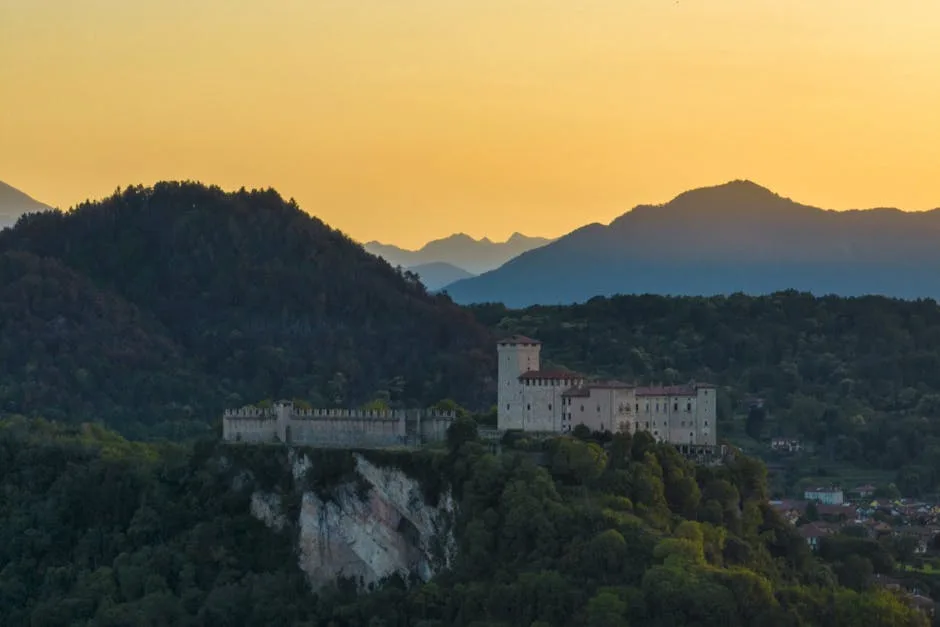
Address: Parco del Colle di San Vigilio, Via al Castello, 24129 Bergamo BG. Castello San Vigilio, perched on its namesake hill, offers green space, ruins and sweeping views over Bergamo and the Lombard plain.
Opening hours: the park is always accessible; access to the castle and structures may vary (typically open 9:00–19:00 in season). Price: park access free; guided tours or entry to certain castle areas sometimes €2–€4.
Immersive description: Colle San Vigilio is perfect for a nature escape just minutes from the Città Alta. Paths wind among olive trees and pines up to the castle remains. From the main terrace you get spectacular views over Bergamo Bassa and the valley, especially at sunrise and sunset. The spot is popular with local joggers, families having picnics and photographers hunting fresh perspectives.
Practical tips: Reachable by the secondary funicular (there’s a small different funicular from the Città Alta) or by quieter walking trails; check the pedestrian line schedule if you want to avoid the climb. For a romantic visit, pack a picnic with local products (cheeses, polenta taragna, bread) and a good Italian wine. In summer sunsets draw crowds: arrive early for a bench with a view. Also enjoy the playgrounds and shaded benches if visiting with family.
Click here to discover the upper and lower town with a meal
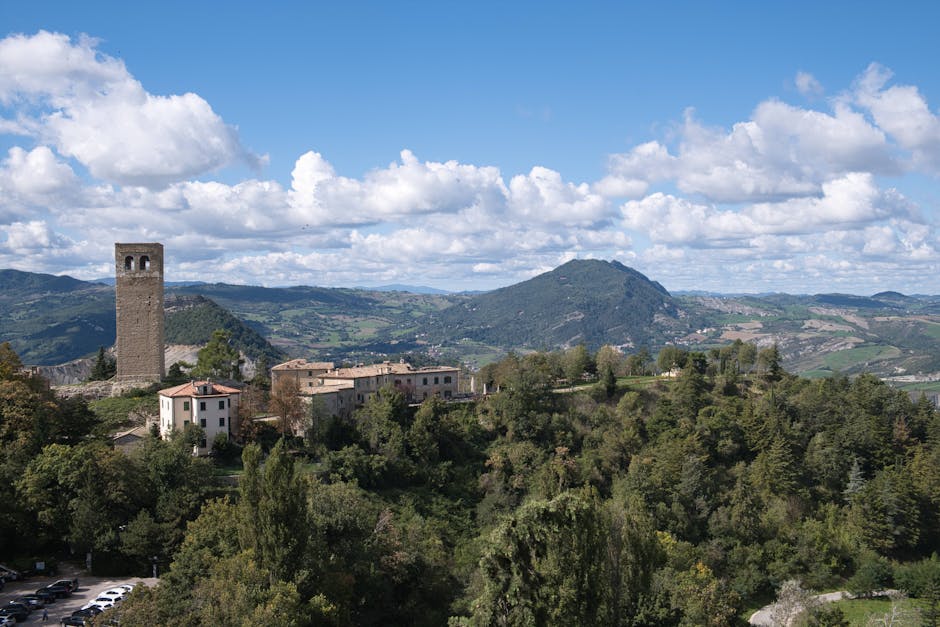
7. Accademia Carrara – Pinacoteca
Address: Accademia Carrara, Piazza Giacomo Carrara, 82, 24121 Bergamo BG. The Pinacoteca dell’Accademia Carrara is one of Italy’s major art museums, boasting a collection of paintings from the 13th to the 19th century, including works by Botticelli, Raffaello (schools), Bellini, Titian and Lombard masters.
Opening hours: usually open Tuesday to Sunday 10:00–18:00; closed Monday. Extended hours on some days (check before you go). Price: standard ticket about €10–€12; discounts for young people, seniors and combined tickets with temporary exhibitions (check the official site for exact rates).
Detailed description: The Accademia Carrara combines a rich historical collection with high-quality temporary exhibitions. The museography highlights the progression of Italian schools, offering a thematic route that showcases the shift from Gothic to Baroque and then Classicism. Rooms are spacious, naturally lit and feature explanatory labels in multiple languages. Masterpieces — portraits, altarpieces and landscapes — are displayed with care, making the visit both educational and moving.
Practical tips: Buy tickets online in high season (April–October) to avoid queues; allow at least 1.5–2 hours for a full visit. The museum often offers audio guides and themed guided tours (extra cost). Photography enthusiasts should check the internal policy (often no flash). Combine the visit with lunch in the Città Bassa before taking the funicular back up to the Città Alta.
Click here to book an all-inclusive Bergamo tour from Milan
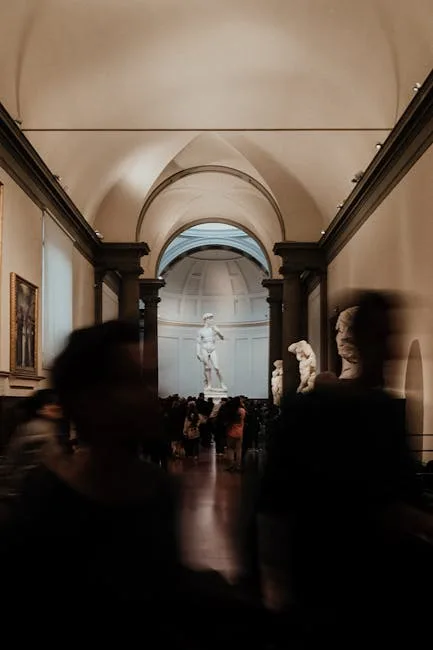
8. Teatro Donizetti
Address: Teatro Donizetti, Piazza Cavour, 15, 24121 Bergamo BG. Named for Bergamo-born composer Gaetano Donizetti, the theatre is a lively cultural venue offering operas, concerts and shows throughout the year.
Opening hours: the box office is generally open mornings and early evenings depending on the schedule; performances take place in the evenings (times vary by event). Price: ticket prices vary by event — from €10 for local shows to over €60 for operas or major events. Guided theatre tours sometimes offered for about €5–€8.
Immersive description: Teatro Donizetti captivates with its elegant interior, wrought-iron balconies, painted ceilings and renowned acoustics. Seeing a performance here is stepping into a powerful musical tradition: Donizetti is woven into Bergamo’s cultural identity. Beyond opera, the theater often hosts recitals, symphonic evenings and commemorative events about the composer’s life and work.
Practical tips: Book tickets in advance for popular shows, especially during the Donizetti festival in autumn. If you can’t attend a performance, check guided tours that offer backstage access and deeper history. For a pre-show dinner, try one of the restaurants around Piazza Vecchia or Piazza Cavour; reserve on performance nights. Accessibility: the theater is partially accessible—confirm adapted seating with the box office.
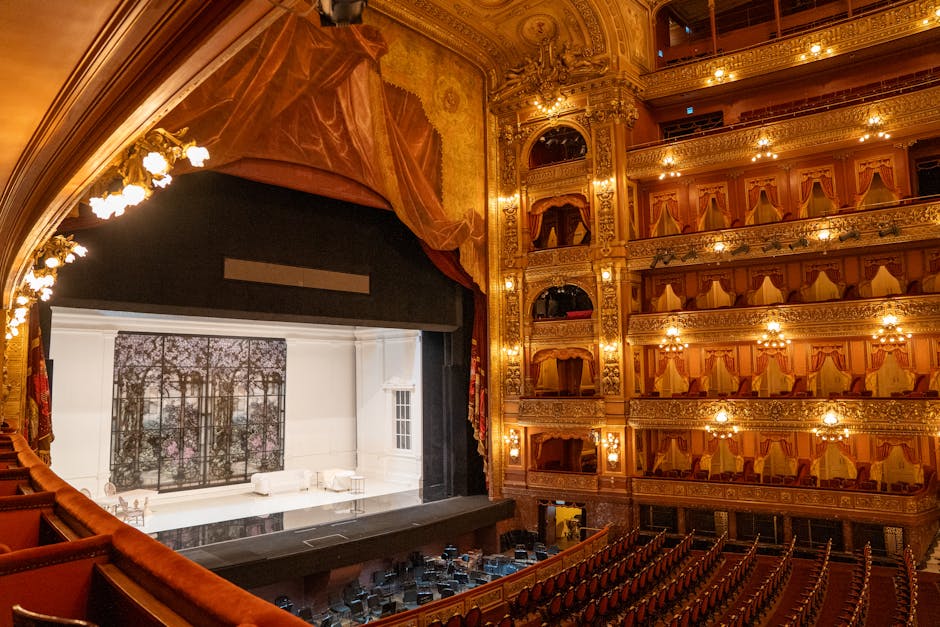
9. Porta San Giacomo and the Venetian walls
Address: Porta San Giacomo, Viale delle Mura, 24129 Bergamo BG. Porta San Giacomo is one of the main gateways to the Venetian walls encircling the Città Alta. These walls (Mura Venete di Bergamo) date to the 16th century and are an outstanding example of urban fortification.
Hours: the walls and their walkways are open year-round; some sections may close for maintenance (check locally). Price: promenade access is free; associated museums or guided tours are paid (€2 to €5).
Immersive description: Passing through Porta San Giacomo brings you into a world of stone and vistas. The walk along the ramparts circles the Città Alta and reveals how fortification blends with the urban fabric. Bastions and balconies offer superb views over Bergamo Bassa and the surrounding Alpine chain. The walls are especially photogenic at sunset when low light trims the battlements.
Practical tips: Do the walk in the afternoon for flattering light and pleasant temperatures. There are multiple entrances and exits along the wall—plan your route to finish in a Città Alta trattoria or to descend via the funicular. To avoid tourist crowds, go early morning or late afternoon on weekdays. Installations are generally safe, but watch children near unprotected sections.
Click here to discover the Città Alta by private tuk-tuk
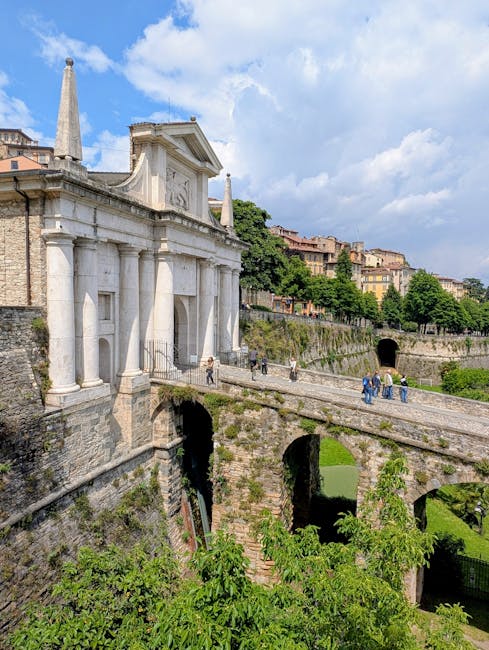
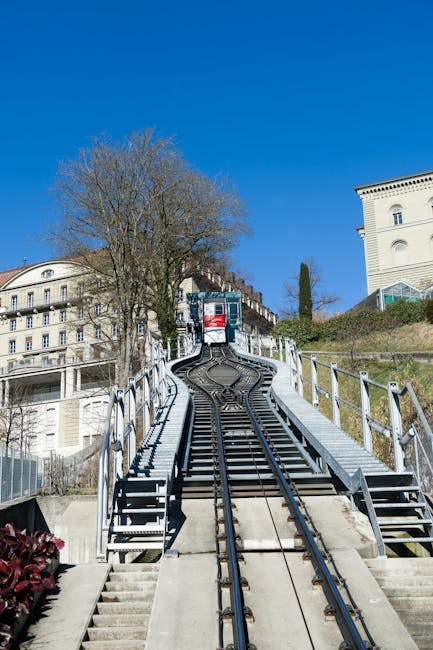
10. Bergamo Alta funicular and historic stations
Address: Funicolare Bergamo (Lower Station), Viale Vittorio Emanuele II, 24121 Bergamo BG (lower station in Città Bassa); upper station Piazza Mercato delle Scarpe / Città Alta, 24129 Bergamo BG. The modern funicular is the quickest, most iconic way to reach the Città Alta from the Bassa. There’s also a small secondary funicular connecting Città Alta to Colle di San Vigilio.
Hours: generally running from 6:00 to 00:00 (times vary by season and works). Price: standard ATB urban ticket 90 minutes ~ €1.30 (valid for the funicular); day or combined museum+transport tickets available around €6 to €10.
Immersive description: The funicular ride is short (a few minutes) but spectacular: in a couple of stops you move from the modern pace of the lower city to the medieval alleys of the upper town. Cars have large windows to enjoy the ascent and the unfolding city views. The secondary line to San Vigilio is more picturesque and older—perfect for effortless access to panoramic hills.
Practical tips: Keep your ticket—it’s checked. Morning and late-afternoon rush hours can be very busy; for a calmer ride, go early morning or after 4:00 PM. If you plan multiple trips, buy a 24-hour ATB pass; it often pays off if you use buses + funicular several times. Travelers with luggage or reduced mobility will find the funicular convenient, but check exact station accessibility (some small steps exist).
Click here to book an excursion from Milan with funicular
Conclusion
Bergamo is compact yet incredibly rich: ten landmarks are enough to sketch its history, art and panoramas, but every visitor will find a thousand details to discover down its alleys. Piazza Vecchia and the cathedral complex embody medieval civic and religious power, while the Cappella Colleoni showcases Renaissance artistic opulence. The Rocca and Castello di San Vigilio offer the best views and a direct encounter with the city’s fortified geography, and the Venetian walls shape Bergamo’s visual and historical identity. The Accademia Carrara will satisfy demanding art lovers; Teatro Donizetti recalls the local musical imprint; and the funicular is more than transport—it’s a rite of passage between two worlds.
Practical planning: Combine nearby sights (Piazza Vecchia, Santa Maria Maggiore, Cappella Colleoni, Duomo) to save time and favor combined tickets where available. Climb to the Rocca or San Vigilio late in the day to enjoy the light and avoid summer heat. Buy Accademia Carrara tickets online in high season, and book Teatro Donizetti shows early. Don’t miss Bergamasque cuisine: polenta taragna, casoncelli (stuffed pasta) and local cheeses in a typical Città Alta trattoria.
Finally, give yourself time to wander. Bergamo isn’t a city to “visit” in a mad dash: its magic lies in the details — a carved cornice, an almost deserted square at dawn, a café where you can linger. Whether you’re there for a weekend or a longer stay, these ten monuments make a complete, well-balanced itinerary. Check opening hours and prices before you leave, wear good shoes, and get ready to fall in love with a city that knows how to blend heritage, everyday life and breathtaking panoramas.