





Introduction — Bergamo and the persistence of traditional crafts
Bergamo, tucked at the foot of the Prealps in Lombardy, is a city where historic craftsmanship still shapes everyday life. Divided into two clearly different parts — the Città Alta (the old hilltop town) and the Città Bassa (the lower town) — Bergamo is a perfect place to see how age-old techniques, some with roots that go back centuries, continue to meet modern needs. From fresco and stone sculpture restoration to traditional boatbuilding, wood-fired baking, bespoke tailoring and instrument making, this guide offers an immersive, practical look at those crafts, with addresses, opening times, price hints and practical tips for curious travelers who want to watch or try these trades for themselves.
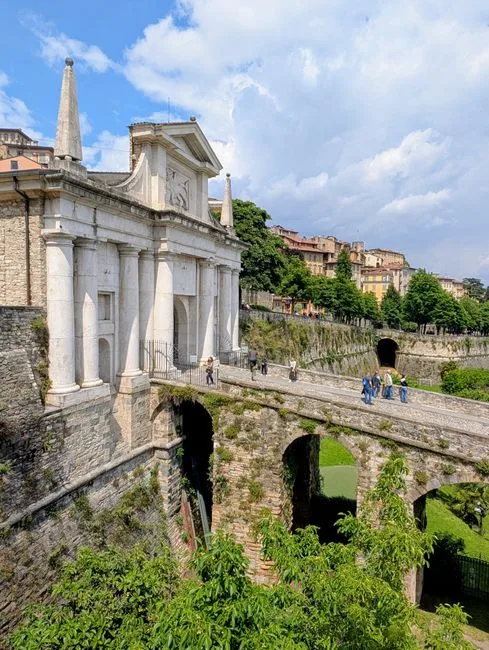
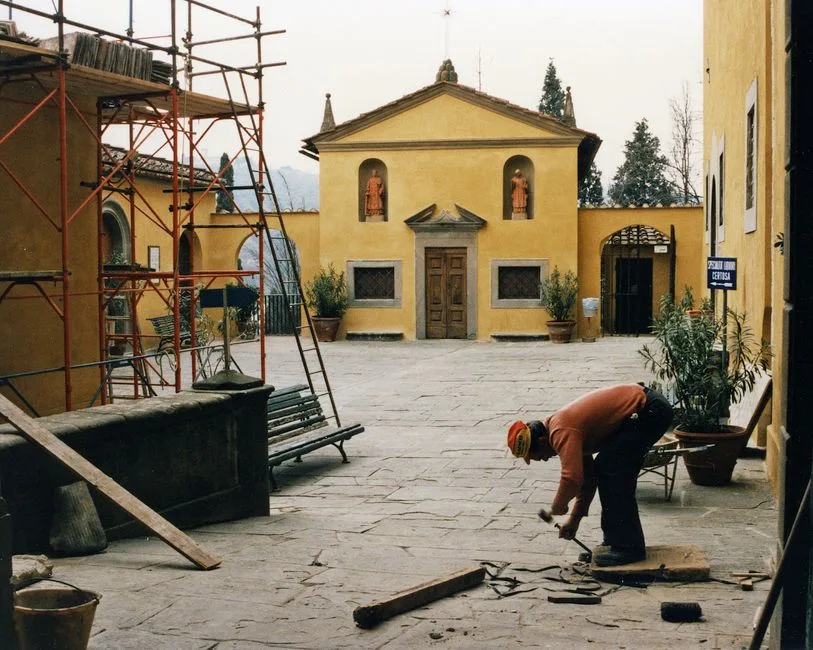
The Città Alta, with its Piazza Vecchia, the Cappella Colleoni and the Venetian walls, is essentially an open-air museum where historical stonecutting techniques and heritage conservation come together. Stonecutters and restorers still work with traditional hand tools (chisels, hammers, tooth chisels) to keep façades and carved portals authentic. In restoration workshops around the Accademia Carrara and along the little streets climbing toward the Rocca, specialists consolidate renders and clean stone using time-tested methods, often paired with modern technology to ensure durability and stability.
Artisanal food is another showcase for old techniques: pastry making, wood-fired bread and the preparation of fresh pastas (like casoncelli bergamaschi) are passed down through generations. In historic bakeries and osterie in the old town you can observe hand kneading, long fermentation and the use of natural starters — methods that still produce unmatched sensory results (crust, crumb, aroma).
Finally, Bergamo’s musical and instrument-making traditions remain vibrant — a heritage linked notably to composer Gaetano Donizetti. Luthiers and instrument makers, sometimes gathered in small schools or workshops, work with local woods, animal glues and traditional varnishes to reproduce the tonal and visual qualities of historical instruments. This guide will point you to these places, with practical details so you can plan visits, watch techniques in action and, where possible, join workshops or demonstrations.
1) Stonecutting and restoration — walls, portals and paving
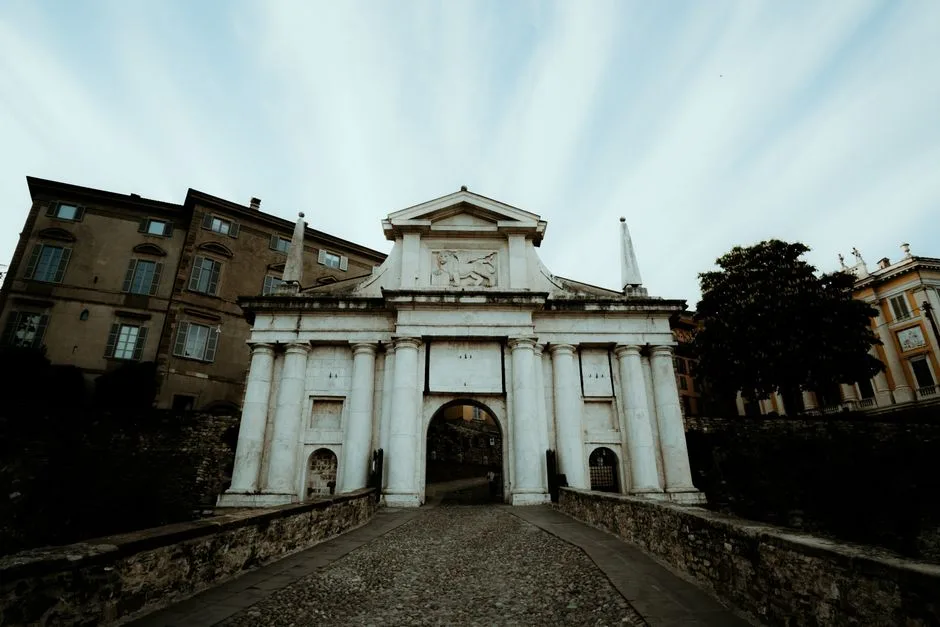
In the Città Alta, stonecutting and restoration are vital to maintaining medieval and Renaissance monuments. The iconic Mura Veneziane (Passeggiata delle Mura, 24129 Bergamo BG) is a concrete example: these 16th-century ramparts require regular maintenance. Specialist firms employ stonecutters who know how to read the bedding of stone, lay lime joints and replace damaged blocks. Work is often based on manual techniques: chisels, tooth chisels, polishers and natural hydraulic lime mortars. The longevity of the walls depends on respecting original materials — avoiding modern cement that traps moisture — and using breathable mortars.
Where to see it: Walk along the Passeggiata delle Mura (free entry) and you’ll often spot teams repairing joints or resetting stones, especially near Porta San Giacomo (Piazza Mercato delle Scarpe, 24129 Bergamo BG). Work is usually visible most days unless extreme weather forces a halt.
Practical tip: To better understand the interventions, visit the conservation and heritage restoration workshop at the Accademia Carrara (Piazza Giacomo Carrara, 82, 24121 Bergamo BG). The Accademia Carrara — Pinacoteca e Museo di Scultura and its conservation lab sometimes offer guided tours. Indicative opening hours: Tuesday–Sunday 10:00–18:00 (closed Monday). Museum ticket: around €10–12 for general admission (check the museum website for reduced rates).
Local advice: bring a loupe and some close-up photos; restorers appreciate curious but respectful visitors. Don’t touch treated surfaces and always ask permission before taking close-up photos if you’re speaking with an artisan.
2) Frescoes and painted surface conservation — restoration and affresco techniques
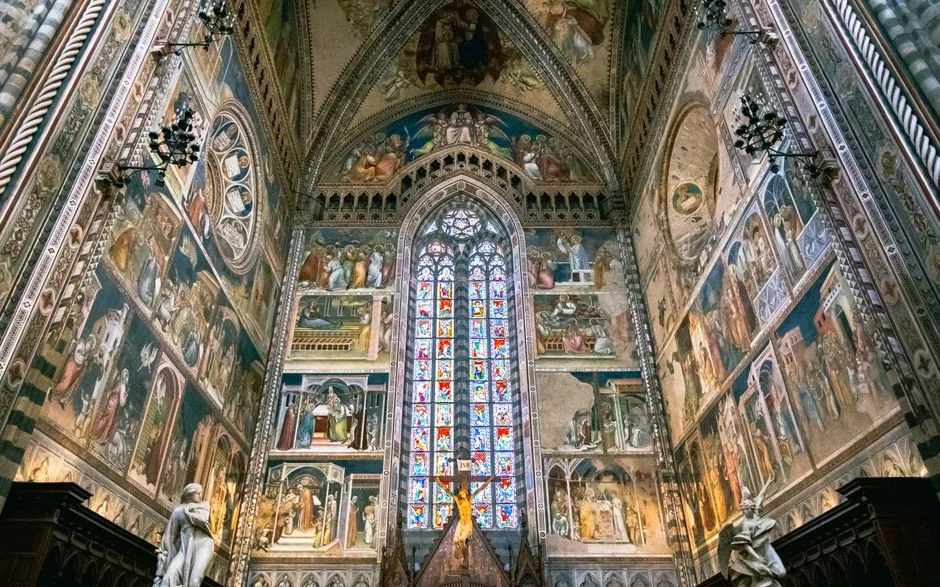
Bergamo’s churches and chapels follow time-honored conservation protocols for wall paintings. The Cappella Colleoni (Piazza Duomo, 24129 Bergamo BG) and the Basilica di Santa Maria Maggiore showcase the results of restorers’ combined efforts. Frescoes, often painted on intonaco (fresh plaster), require delicate interventions: consolidating paint layers, cleaning with specific solvents, and filling losses by chromatic reintegration using techniques like tratteggio or rigatino to remain reversible and legible.
Where to see it: the Biblioteca Civica Angelo Mai (Piazza Vecchia, 1, 24129 Bergamo BG) sometimes hosts lectures on conservation and displays technical notebooks. The Cappella Colleoni is open to the public: usual hours roughly 09:00–18:00 (check seasonality), with guided-visit prices around €6 for the chapel and adjacent museum visit.
Workshops: several private restoration studios are tucked in the lanes near Piazza Rosate. These studios aren’t always open to drop-in visitors, but many accept appointments. Techniques commonly combine pozzolana and hydraulic lime to consolidate plasters, and precise use of natural pigments (ochres, umbers, and occasional lapis for specific areas) for retouching.
Practical tips: plan an early visit to avoid crowds and to have a chance to hear restorers explain their methods. Photographers should always ask permission and favor natural light — conservation rules often prohibit flash inside chapels.
3) Wood trades and lutherie — instruments and traditional carpentry
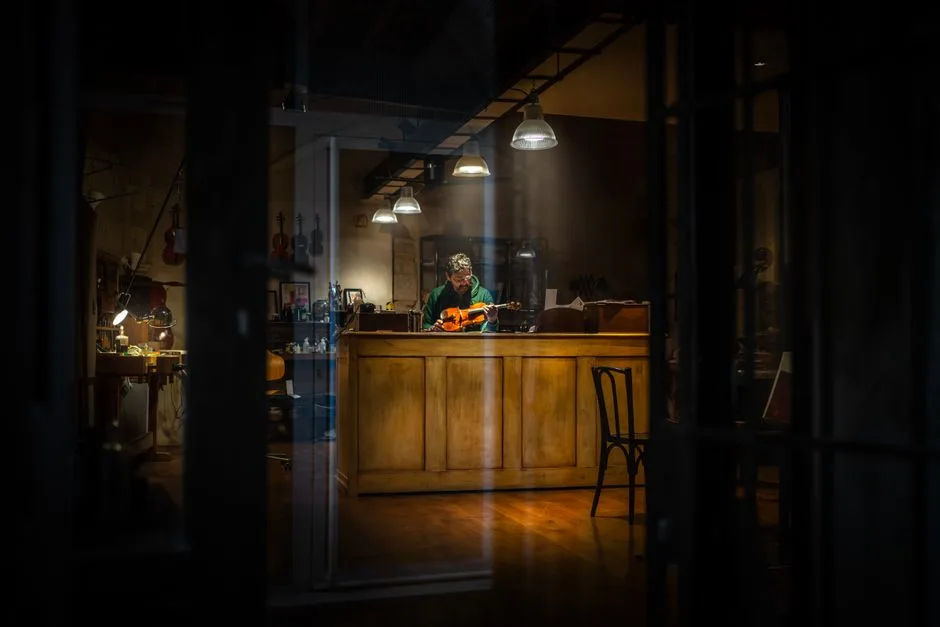
The tradition of instrument making and old-style carpentry is alive in Bergamo. Small workshops and lutherie schools keep historical methods alive: wood selection (spruce for soundboards, flamed maple for ribs), steam bending, animal-hide glues, and varnishes made with copal or oil following old recipes. Instruments made this way aim for a specific tonal character sought after by classical and baroque musicians.
Where to see them: the Teatro Donizetti (Piazza Cavour, 15, 24121 Bergamo BG) is a good place to hear traditional instruments; rehearsals and concerts often highlight locally made instruments’ timbre. Box office hours: usually 10:00–18:00 (check performance days). Ticket prices vary by show, from about €12 up to €60.
Local workshops: in the neighborhoods near via Pignolo and via Maljens you’ll find luthiers and antique furniture restorers. Many offer demonstrations by appointment and welcome visitors to show steam-bending, assembly and traditional varnishing. Guided visits to private workshops often start around €10–20 per person; hands-on short courses can range €50–150 depending on length.
Local advice: if you plan to buy an instrument or a piece of furniture, request a certificate of authenticity and a detailed transport quote. Photographing the restoration stages is useful for resale or insurance purposes.
4) Artisanal food — wood-fired ovens, fresh pasta and traditional baking
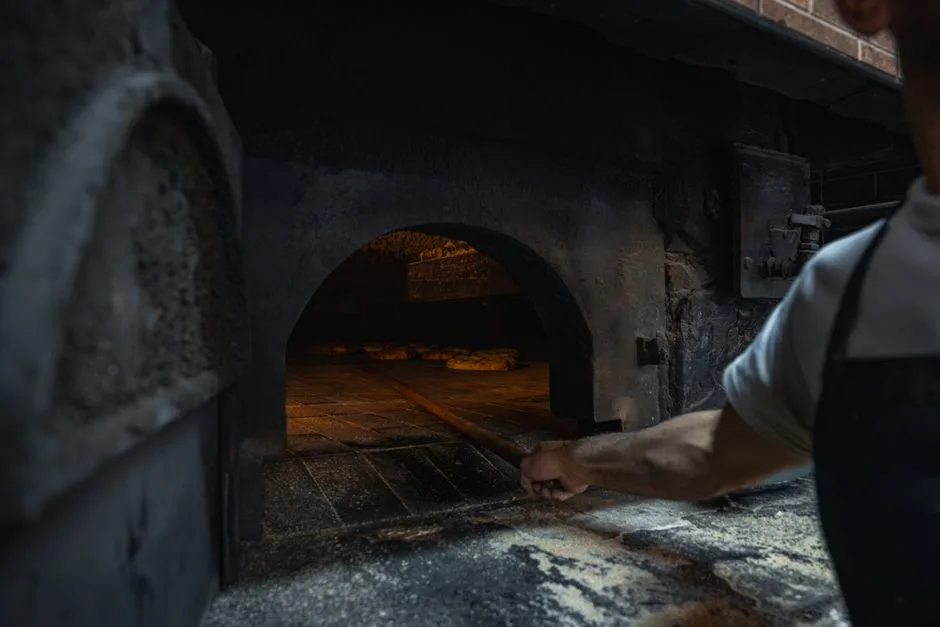
Bergamo’s cuisine is another area where old techniques endure. Slow-cooked polenta, naturally leavened bread and casoncelli (traditional stuffed pasta) are prepared with gestures handed down through families. Traditional panetterie still do some hand-kneading or use minimal mechanization, allow long fermentation times and bake in wood-fired ovens to achieve that characteristic crust.
Recommended addresses: to see these techniques in action, visit Pasticceria Muzzi (Piazza Pontida, 6, 24122 Bergamo BG) — approximate hours 07:00–20:00 — and Antico Forno di Città Alta (Via Donizetti, 11, 24129 Bergamo BG) for sourdough and wood-baked goods. Prices: a farmhouse loaf €3–6; a portion of polenta e osei in a local osteria €8–15; a plate of casoncelli €9–16 depending on the restaurant.
Workshops and courses: many restaurants and cooking schools offer half-day classes to learn how to make fresh pasta and manage sourdough. Example prices: fresh-pasta introductory class (3 hours): €45–80 per person; bakery workshop (sourdough and baking): €60–120 depending on duration and group size. Check availability and book ahead, especially in high season.
Practical tips: arrive in the morning to see wood-fired ovens stoked and pasta being prepared; wear comfortable clothes and bring a light jacket (ovens are hot but workshops can be cool). If you take a class, bring a notebook for recipes and measurements — locals often use visual measures and long resting times that are easier to remember by watching.
Conclusion — Preserve, learn and live Bergamo’s traditional techniques
Bergamo is a place where technical traditions meet the present: restorers, stonecutters, luthiers and bakers continue to use old methods because they work and because they carry cultural memory. For the traveler, watching these gestures, joining a workshop and listening to artisans explain what they do is a tangible way to connect with the city’s soul. Before you go, always check opening hours and visitor conditions: some workshops welcome visitors only by appointment and museum schedules can change seasonally.
Final tips: favor morning visits, book hands-on workshops in advance, and carry some cash (small shops sometimes accept cards less readily). Respect the artisans’ work: no flash photography for conservation reasons, ask permission before filming, and buy a local souvenir if you can — it’s the best way to support the transmission of these skills. And remember: sometimes the best experience is simple — a sunset stroll along the Passeggiata delle Mura, the smell of fresh bread in a Città Alta alley, and a short conversation with a proud artisan who explains why they still work the way their ancestors did.