





Introduction — A Time Travel Guide to Bergamo’s Città Alta
Perched on the hill that shields the Lombard plain, Bergamo’s Città Alta is a compact treasure trove of history, architecture and culture. From its Roman roots to the sweeping changes under the Republic of Venice, the upper town has hosted generations of residents, soldiers, merchants and craftsmen who left their mark on its urban fabric. This guide offers a vivid, comprehensive history of the Città Alta, alongside practical information — exact addresses, opening hours, indicative prices and local tips — for anyone wanting to immerse themselves in this remarkably well-preserved medieval quarter.
The Città Alta (postal code 24129 Bergamo BG, Italy) stands apart from the Città Bassa thanks to its ramparts, cobbled lanes, historic squares and major monuments: Piazza Vecchia, the Basilica of Santa Maria Maggiore, the Cappella Colleoni, the Torre Civica (the Campanone), and the Venetian fortifications listed as a UNESCO World Heritage site. Each of these places tells a different chapter: the Roman foundation and organization that structured the hill, the early Middle Ages and feudalism that carved the maze of alleys, the civic and religious role expressed through sumptuous buildings, and the major military and urban overhaul led by the Most Serene Republic of Venice between the 16th and 18th centuries.
This text follows a clear chronology but also gives practical bearings for visiting: where to ring the Campanone (Piazza Vecchia, 24129 Bergamo BG), how to reach the Venetian walls (Viale delle Mura, 24129 Bergamo BG), when to visit the Cappella Colleoni (Piazza Duomo, 24129 Bergamo BG) and how much a funicular ride costs to get quickly from the Città Bassa to the Città Alta. Prices are indicative and may change; it’s recommended to check official sites or the information panels at each site.
1) From Roman Beginnings to Early Fortifications: The Ancient and Medieval Substrate
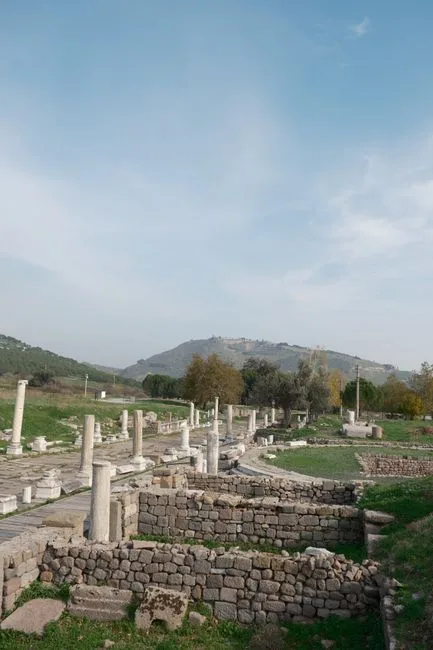
Human presence on the Bergamo hill goes back to pre-Roman times, but it’s with Romanization that an urban structure begins to take shape. The Romans organized the topography along cardinal axes and set up control and circulation points on the hill overlooking the plain. Although few purely Roman elements are visible on the surface today, their imprint is readable in the irregular street layout and in buried foundations occasionally uncovered by archaeological digs.
In the early Middle Ages, the Città Alta transformed: centuries of religious and feudal appropriation gave rise to the first parish churches and the homes of the local elite. The rise of powerful families led to the construction of lordly towers (the « case-torre ») — a feature still recognizable in streets such as Via Gombito (Via Gombito, 24129 Bergamo BG). Via Gombito is a typical medieval artery, lined with narrow, tall-fronted buildings that tell the story of a time when security was measured in walls and height.
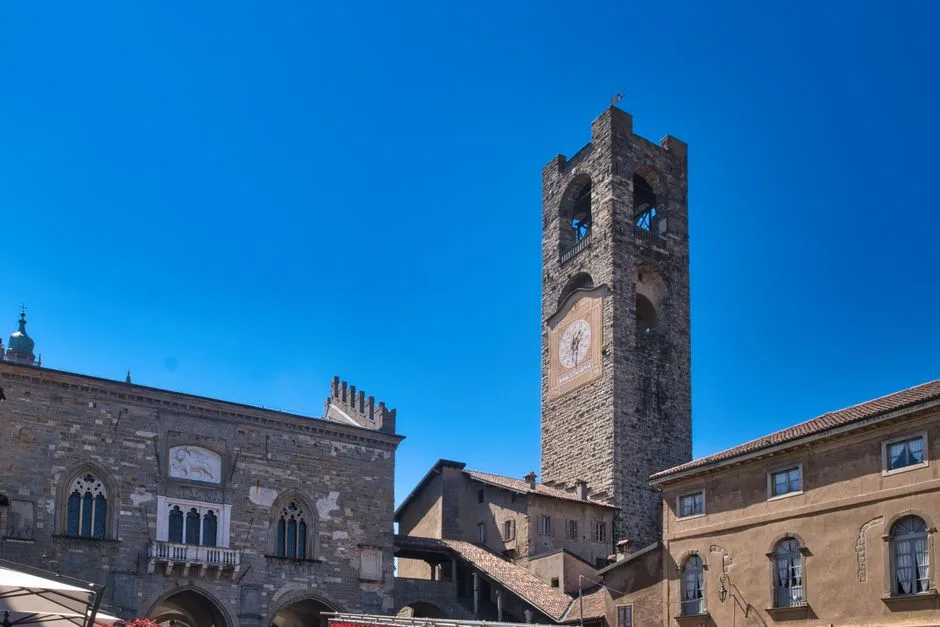
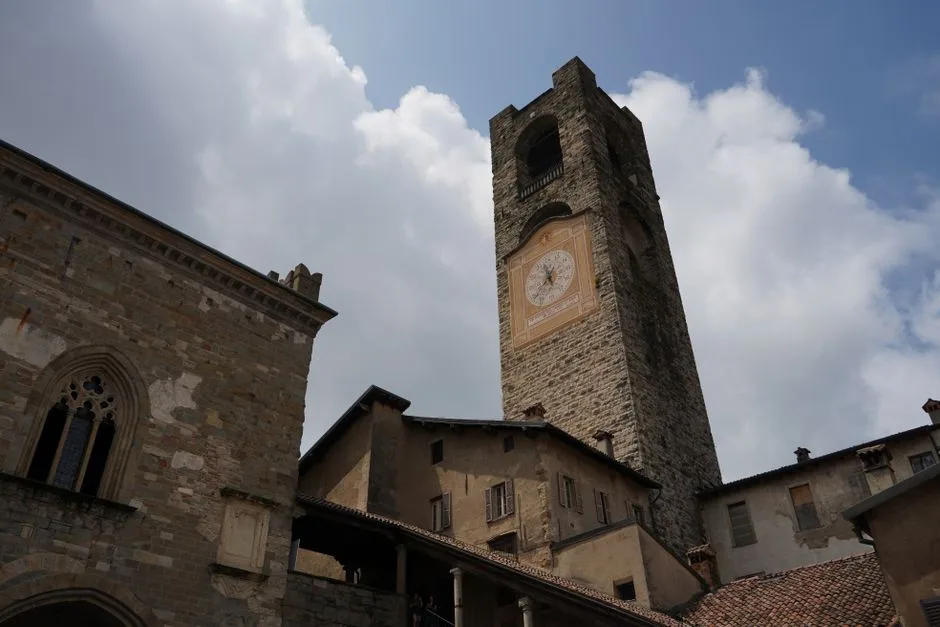
In the 13th century, Bergamo experienced the conflicts between Italian communes and regional powers. The city equipped itself with civic structures visible today: Piazza Vecchia (Piazza Vecchia, 24129 Bergamo BG), the administrative and symbolic heart where the Angelo Mai Library, the Palazzo della Ragione and the Torre Civica stand side by side. These buildings reflect the importance of a communal administration seeking to impose order and justice. In these centuries of stone, religion and municipal power coexisted and often collaborated to glorify the city, laying the foundations of an urban identity still perceptible now.
2) From Religious Influence to Artistic Masterpieces: Santa Maria Maggiore and the Cappella Colleoni
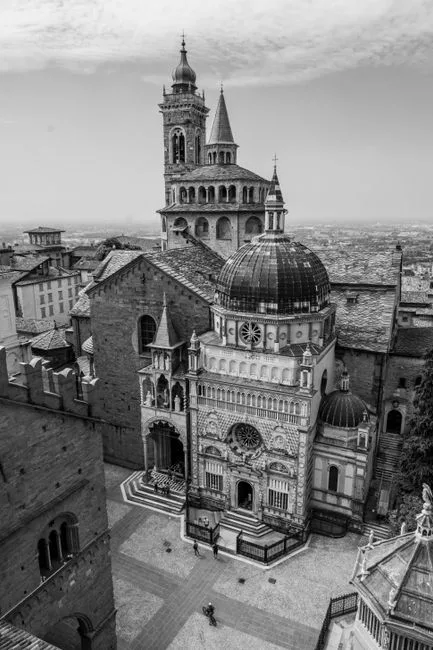
The sacred face of the Città Alta is fully revealed through the Basilica of Santa Maria Maggiore (Piazza Duomo, 24129 Bergamo BG) and the Cappella Colleoni (Cappella Colleoni, Piazza Duomo, 24129 Bergamo BG). Santa Maria Maggiore, founded in the 12th century, is notable for its layered Romanesque and Baroque interior, richly carved wooden choir stalls, tapestries and renowned acoustics. Entrance to the basilica is free; guided tours and certain events may be paid. Indicative opening hours: 07:00 – 18:00 (hours vary by season and religious celebrations).
Right next door, the Cappella Colleoni, the funerary chapel of the condottiere Bartolomeo Colleoni, is a masterpiece of Lombard Renaissance art. The building stands out for its polychrome façade and finely detailed sculptural decoration. Address: Cappella Colleoni, Piazza Duomo 6, 24129 Bergamo BG. Indicative opening hours: 09:00 – 18:00. Indicative price: around €4.00 – €6.00 (reduced rates for students and seniors; free entry possible on certain days). Visiting the Cappella and the Museo Civico (if combined) plunges you into the art and politics of the 15th century: the chapel embodies a lord’s desire to secure an eternal memory in the city that made him powerful.
These sites are not mere relics: they live on through concerts, masses and temporary exhibitions. Local tip: arrive early in the morning (between 08:30 and 10:00) to enjoy soft light, avoid the excursion crowds and make the most of the silence that allows you to appreciate architectural details and frescoes. Another practical tip: combine a visit to the basilica and the Cappella with climbing the Torre Civica (Campanone) on Piazza Vecchia for a panoramic view over the rooftops and the Lombard plain.
3) The Venetian Fortifications: Walls, Gates and Military Transformation under the Serenissima
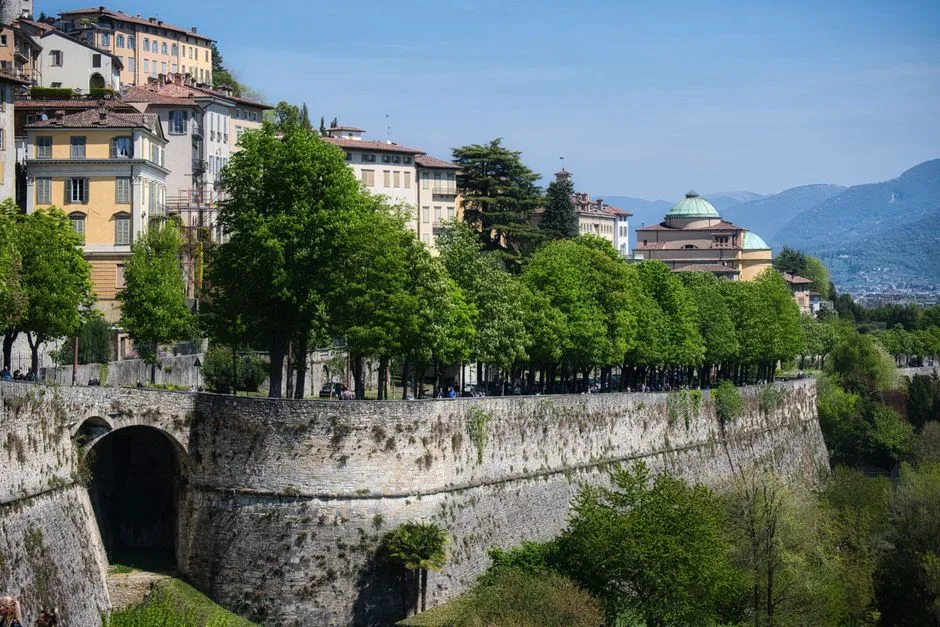
The Venetian period (15th–18th centuries) brought the most dramatic transformation to the Città Alta in terms of military defenses. In 1428 Bergamo entered the sphere of influence of the Republic of Venice, which invested heavily in modernizing the fortifications to counter advances in artillery. The Viale delle Mura (Viale delle Mura, 24129 Bergamo BG) corresponds to the Venetian ramparts, a set of fortifications that encircle the Città Alta and are now part of the UNESCO-listed « Venetian Works of Defence. » These walls offer panoramic walks — open 24 hours — that let you grasp the scale of the military works: bastions, curtains, gates and covered rampways.
Among the main gates, Porta San Giacomo (Via Porta San Giacomo, 24129 Bergamo BG) and Porta Sant’Agostino (Via Porta Sant’Agostino, 24129 Bergamo BG) bear witness to efforts at controlling access and creating a ceremonial welcome. The gates are often well preserved and serve as useful waypoints for visitors. During the Venetian era, bastions were strengthened and casemates installed: daily life unfolded under the shadow of these structures, which served both as defense and as a symbol of Venice’s distant power.
Visiting the Venetian walls also helps you understand how military architecture shaped the city’s morphology. The ramparts create an intra-muros/infra-muros topography that enforces specific circulation, framed views and public spaces placed under protection. Practical tips for modern visitors: bring comfortable shoes (paths can be stony), carry a water bottle in summer and enjoy the viewpoints at sunset — some of the best vistas over the Po Valley and the distant Alps. Access: free; hours: paths accessible all day; tip: follow the explanatory panels along the route for a richer historical reading.
4) Daily Life, Craftsmanship and Memory: Museums, Alleys and Traditions of the Città Alta
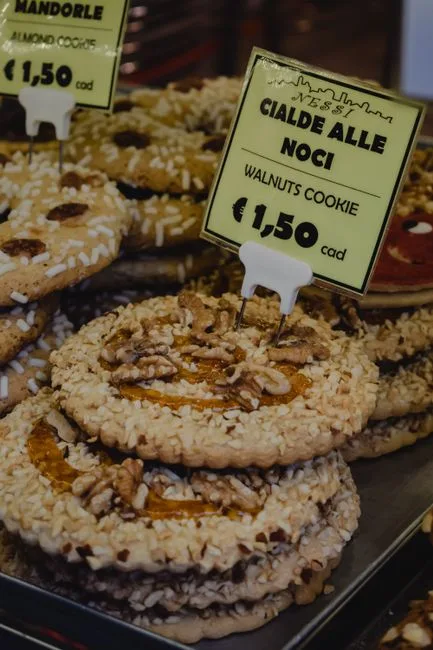
Beyond the major monuments, life in the Città Alta is read in its workshops, traditional shops and small museums. Via Gombito and the surrounding streets (Via Gombito, 24129 Bergamo BG) host historic businesses, specialist bookshops and cafés where Bergamo traditions carry on. The local market and small grocers offer regional products: polenta taragna, local cheeses and Lombard wines. For a tasty break, head to the cafés and patisseries around Piazza Vecchia; the Osteria della Città Alta (check the local address on site) serves authentic local dishes (main courses €10–€18, antipasti €5–€9).
For applied history enthusiasts, several small museums and temporary exhibits trace specific aspects: military life under Venetian rule, sacred art, and traditional crafts. Hours and prices vary: many municipal museums have reduced rates (around €3–€8) and offer free admission days. Practical tip: check the Comune di Bergamo’s official website or the tourist info point on Piazza Vecchia for combined tickets (for example Cappella Colleoni + Museo Civico) and information about audio guides.
Oral memory and local festivals complete the experience: in summer, organ concerts at Santa Maria Maggiore or baroque music festivals enliven the Città Alta; in winter, Christmas markets and festive lights create a warm atmosphere. One final local tip: take time to wander aimlessly through the alleys early in the morning or in the evening — that’s often where you’ll discover inner courtyards, discreet frescoes and secret viewpoints. And please respect the residents’ private lives: the Città Alta is a residential neighborhood where tourism and everyday life coexist.
Conclusion — Why Bergamo’s Città Alta Is a Living Lesson in History
Bergamo’s Città Alta is far more than a string of monuments: it is a layering of eras, ambitions and daily lives that overlap and converse. From buried Roman traces to medieval towers, religious renovations to impressive Venetian fortifications, every wall, square and street tells a chapter. Visiting the Città Alta means being patient and curious, reading the city layer by layer and taking the time to listen to its stories.
Practically speaking, the Città Alta is easy to visit: the funicular links the Città Bassa to the Città Alta (indicative fares: single ATB ticket around €1.30; morning–night schedules vary by season), the main sites cluster around Piazza Vecchia and Piazza Duomo (Piazza Vecchia, 24129 Bergamo BG; Piazza Duomo, 24129 Bergamo BG) and walks along the Venetian walls (Viale delle Mura, 24129 Bergamo BG) are free and accessible. For interior visits (Cappella Colleoni, towers, museums), budget €3–€8 per site and always check current opening times before you go (especially on Sundays and public holidays).
Finally, a few concrete tips to make the most of your stay: favor early-morning visits for the light and calm; taste local specialties (polenta taragna, casoncelli) at an osteria in the Città Alta; climb the Campanone (Torre Civica) for panoramic views and listen for the 10 p.m. bell ringing (a local tradition); respect church service times if you want to enter; and end your day walking the walls to watch an unforgettable sunset.
The Città Alta of Bergamo teaches history through beauty and sensory experience: stone, wood, metal, sky and voices answer one another here. Whether you’re passionate about architecture, a food lover or a casual stroller, the Città Alta offers both precise historical insights and intimate moments of wonder. Take your time, let the town tell you its story — from the Romans to the Venetians — and leave feeling as if you’ve walked through a living, breathing open-air museum.