





Introduction — From leather to looms: a deep dive into Bergamo’s artisan crafts
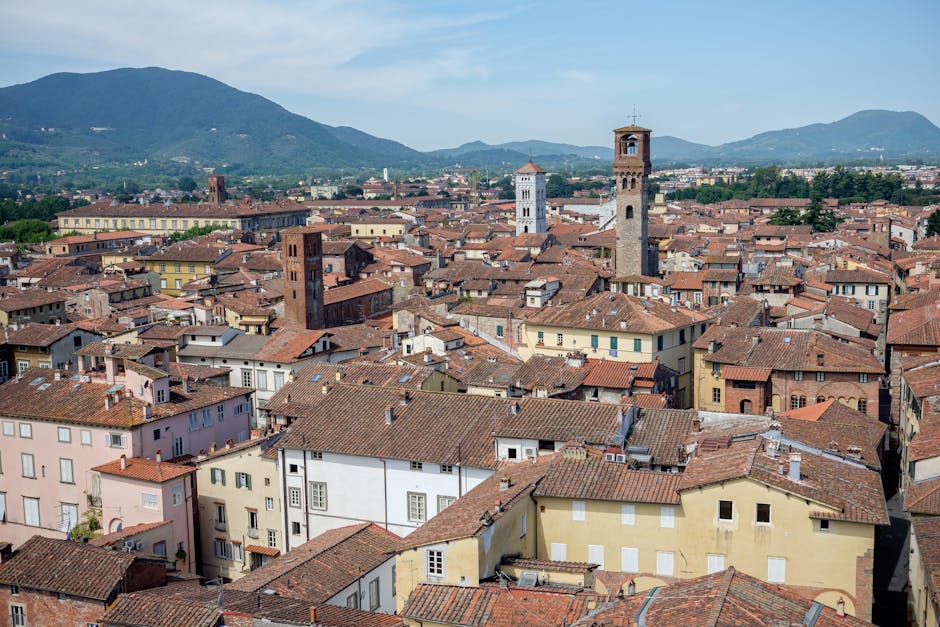
Bergamo, a little Lombard gem tucked between Milan and the Italian lakes, charms visitors with its medieval alleyways, hilltop views and—above all—its remarkable artisan traditions. The city has two distinct personalities: the modern, bustling Città Bassa, and the historic, walled Città Alta, ringed by Venetian walls and listed as a UNESCO site. It’s in these neighborhoods that generations of craftspeople have preserved skills in leatherwork, weaving, embroidery and small-scale manufacturing. This article is a practical, detailed guide intended for curious travelers who want to understand, see and—most importantly—experience Bergamo’s craftsmanship first-hand.
Leather and textile work in Bergamo goes far beyond finished goods: it’s a network of workshops, shops, schools and markets where contemporary designers meet master shoemakers, dyers and weavers. Local artisans blend time-honored techniques with technical innovation: you’ll find handmade bags, boots stitched Goodyear-style, embossed belts and hand-dyed fabrics. Many workshops offer demonstrations, short intro classes (workshops) or the chance to order a custom piece—a perfect way to bring home not just an object but a story.
This guide gives you precise addresses, full contact details, opening hours, indicative prices in euros and practical tips for planning visits. You’ll learn where to watch master pelletteri at work, which museums and galleries provide historical context, and how to structure a day in the Città Alta to combine workshops, shop-studios, cafés and viewpoints. The descriptions are immersive: you’ll read impressions of the smell of freshly tanned leather, the light falling on looms and the hushed atmosphere of small botteghe where time seems to have stood still.
I also offer concrete references: museum entry fees, the cost of a discovery workshop, typical shop and funicular hours, plus local tips to avoid peak times and how to arrange a private visit. Whether you’re a collector, a designer, a photographer, a traveler seeking authenticity or simply curious, this guide will help you explore Bergamo through its artisan crafts—from leather to textiles—and take home unique pieces and unforgettable memories.
History and context: why Bergamo is a hub of craftsmanship
Bergamo is more than a tourist destination; it’s a city where history, geography and local economy combined to foster and preserve specific artisan trades. Bergamo’s strategic position—between the trade routes of the Lombard plain and the Alpine valleys—meant raw materials could circulate easily: hides, wools and dyes were available, and the demand from affluent classes, especially during the Venetian (Veneto) era, boosted local production. The Venetian walls that encircle the Città Alta, built in the 16th century, are a testament to that period of expansion and prosperity when craft and commerce grew side by side.
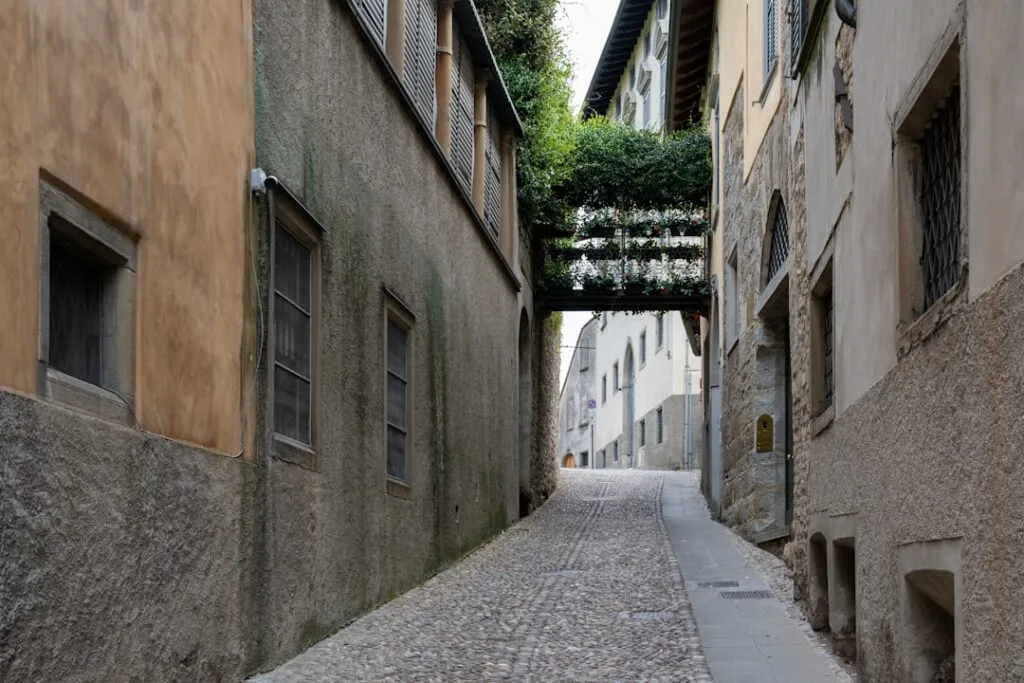
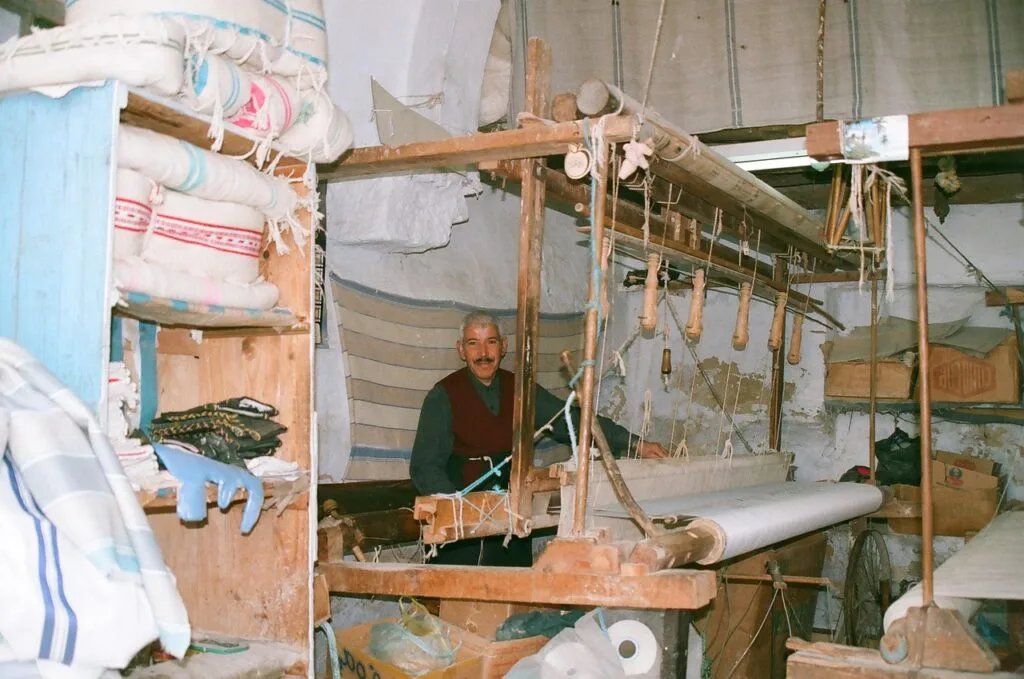
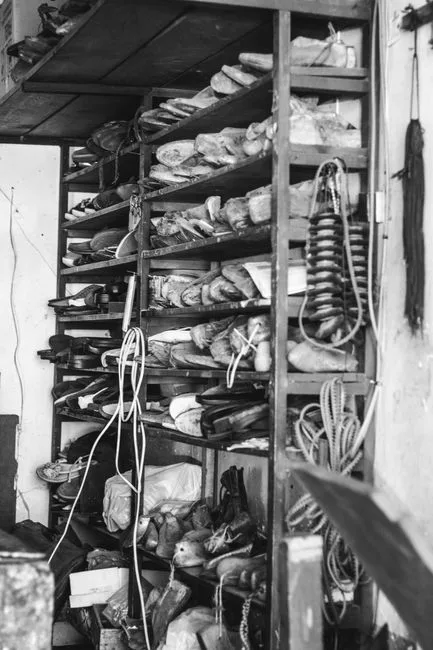
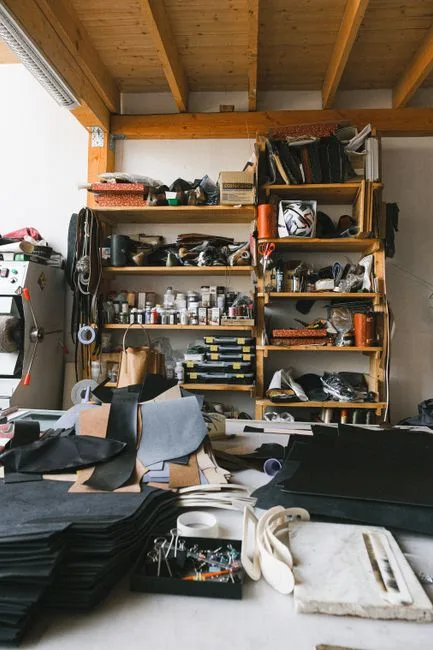
Tanning and leatherwork became cornerstone trades: bootmakers, saddlers and cobblers developed skills passed down from master to apprentice. In the stone buildings and shops of the Città Alta you can still find workshops whose floors are marked by decades of sanding, where light filters through old windows to reveal stacks of leather, patterns and boot lasts. Textile work, meanwhile, appears both in rural peasant traditions (rural weavers) and in the more refined urban production: embroidered fabrics, church and home textiles, and bespoke tailoring.
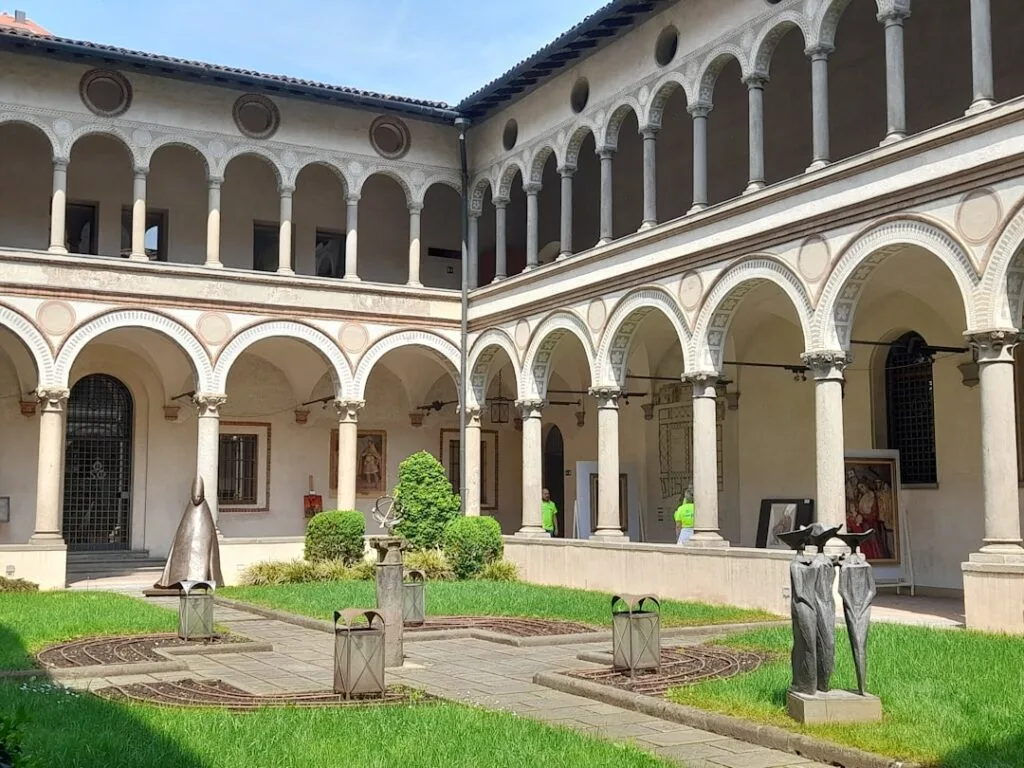
Today Bergamo blends these traditions with contemporary reinterpretations. The Accademia Carrara (Piazza Giacomo Carrara, 82, 24121 Bergamo BG, Italy) and the Galleria d’Arte Moderna e Contemporanea – GAMeC (Via San Tomaso, 53, 24121 Bergamo BG, Italy) play an important cultural role; they inspire designers and young artisans. The Accademia Carrara is visited for its painting collections (general admission around €10, opening hours: Tuesday–Sunday 10:00–19:00, closed Monday), while GAMeC presents contemporary exhibitions (admission variable, often €6–€10, opening hours: Tuesday–Sunday 10:00–19:00).
The city also supports training initiatives: art schools, small residency programs for artisans, regular craft markets and events like « Artigiano in Fiera » and temporary exhibitions in the Città Alta. The funicular (Funicolare Bergamo Alta) makes the old town’s workshops easily accessible, even for half-day excursions. The mix of striking visual heritage and a living craft scene gives Bergamo a unique atmosphere, ideal for discovering leather and textile arts.
Leather in Bergamo: master shoemakers, workshops and must-visit boutiques
Leather is everywhere in Bergamo, from small family cobbler shops to ateliers crafting bespoke bags and boots. A stroll through the Città Alta and the shopping streets of the Città Bassa will reveal both historic shops and new designers putting leather at the heart of their work.
Bottega Calzoleria Rinaldi — shoes and repairs
Address: Via Gombito, 26, 24129 Bergamo BG, Italy. Opening hours: Tuesday–Saturday 09:00–13:00 and 15:00–19:00, closed Sunday and Monday afternoons. Services: shoe repair, full resoling, polishing and small customization. Indicative prices: full resoling from €60, partial sole €25–€40, polish €8. Description: Bottega Calzoleria Rinaldi is a traditional cobbler’s shop where the smell of leather warms the space. The master cobbler works at a well-worn bench, explains the steps and will often demonstrate sanding and stitching the soles. Local tip: come early in the morning to avoid queues and ask to see a complete resoling—watching the process is as rewarding as the repair itself.
Atelier Pelletteria Fortunati — handmade bags
Address: Via XX Settembre, 44, 24122 Bergamo BG, Italy. Opening hours: Monday–Friday 10:00–18:30, Saturday 10:00–14:00, closed Sunday. Services: bespoke bags, repairs, introductory workshop (2 hours). Prices: bags from €120, discovery workshop (2h) €45 per person (reservation required). Description: Pelletteria Fortunati makes full-grain leather bags with hand-finished details and cotton linings. You can choose the hide, color and hardware. The studio also runs 2-hour sessions where participants assemble a simple pouch—great for travelers who want to learn the basics and leave with a handmade item.
Maestro Sellai — traditional and bespoke saddlery
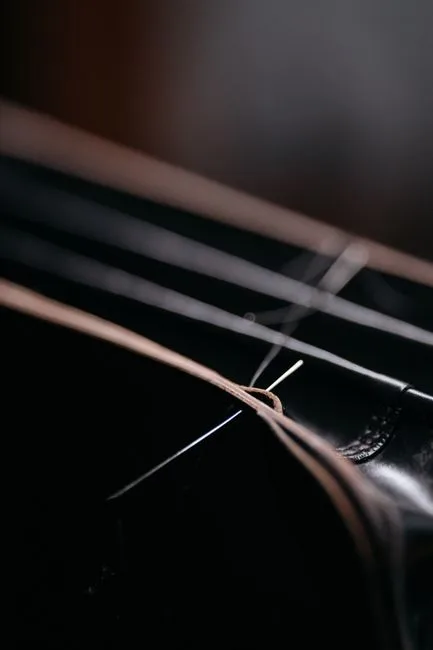
Address: Via San Lorenzo, 19, 24129 Bergamo BG, Italy. Opening hours: Tuesday–Saturday 09:00–12:30 and 15:00–18:30. Prices: bespoke saddle from €280 (depending on leather and construction), small alterations €40–€80. Description: This workshop focuses on saddlery and high-end pieces. The master saddler works with cowhide and buffalo leather, following traditional molding methods. Visits are often by appointment—an excellent option if you want a private tour and an in-depth technical explanation.
Practical tips for buying leather:
- Check the finish: look for full-grain leather, sturdy stitching and clean linings.
- Reasonable bargaining: in artisan workshops quality often justifies prices higher than mass-market brands; negotiate respectfully and ask about the leather’s traceability.
- Transport: if you buy a large item, ask for suitable packing for air travel and be mindful of customs rules on return.
Fabrics and textiles: weavers, natural dyes and contemporary studios
Bergamo’s textiles range from traditional rural production to contemporary studios reinterpreting historical patterns. Textile work includes handweaving, natural dyeing, embroidery and made-to-measure tailoring. Here are a few addresses and experiences to prioritize if you want to grasp the breadth of Bergamo’s textile practices.
Atelier Tessitura Bergamo — weaving and trainings
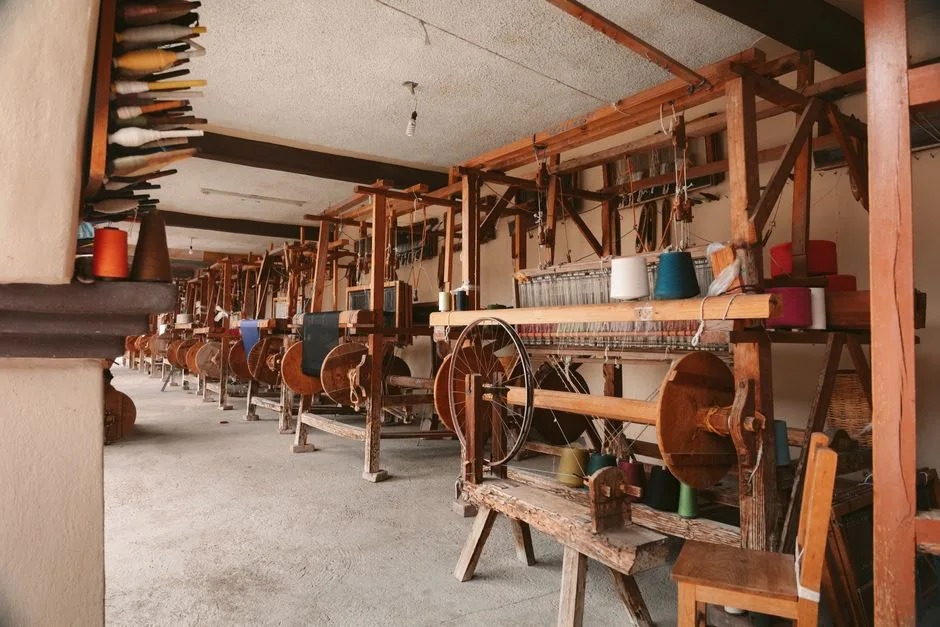
Address: Via Guglielmo d’Alzano, 12, 24122 Bergamo BG, Italy. Opening hours: Wednesday–Saturday 09:30–13:00 and 14:30–18:00, closed Monday and Tuesday. Services: loom demonstrations, introductory courses (3-hour workshop), fabric sales. Prices: visit/demonstration €6, 3h workshop €60 per person, artisanal fabrics €20–€150 depending on dimensions and material. Description: Tessitura Bergamo is a small workshop working with natural fibers (wool, linen, cotton). The light in the space highlights old looms and colorful spools of thread. Courses are aimed at beginners and cover the basics of setting up a loom and simple weaves.
La Casa della Seta — silks and embroidery
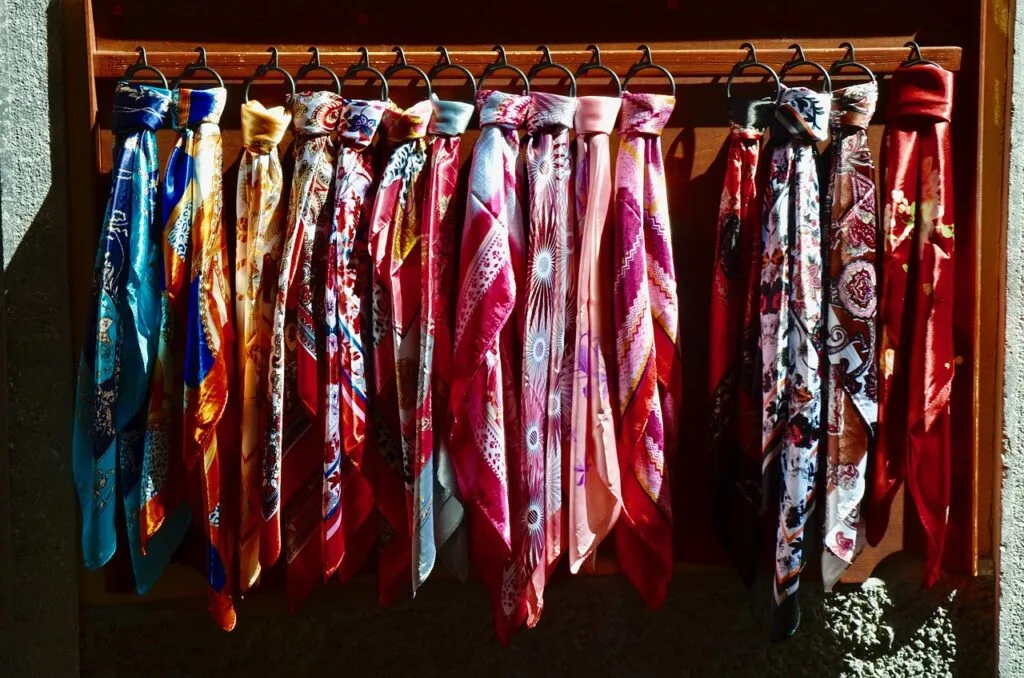
Address: Piazza Vecchia, 7, Città Alta, 24129 Bergamo BG, Italy. Opening hours: Monday–Saturday 10:00–19:00, Sunday 10:00–17:00 (hours vary with tourist season). Services: silk pieces, hand-embroidered scarves, private embroidery workshops (by appointment). Prices: handmade silk scarves €45–€160, 2h workshops €50. Description: Located a stone’s throw from Piazza Vecchia, this shop-studio offers refined fabrics and demonstrations of traditional embroidery. Silk is printed and embroidered with local and contemporary motifs. It’s a perfect spot for an elegant souvenir or to get an introduction to artistic embroidery.
Craft markets and concept shops
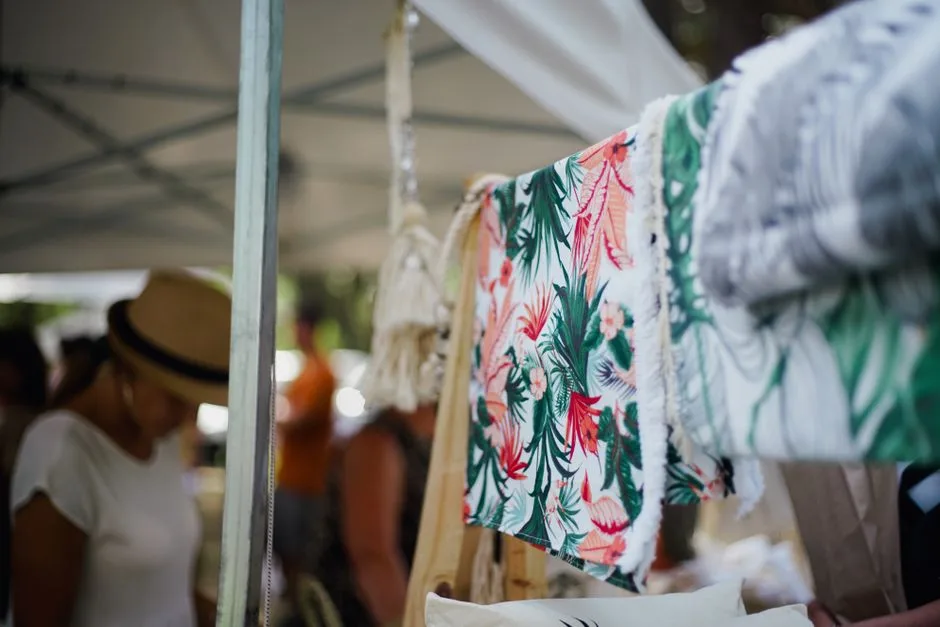
Local markets and concept stores in the Città Bassa showcase modern textile creations: locally spun wool sweaters, mixed leather-fabric jackets and home textiles. A craft market worth visiting often takes place monthly on Via Zambonate or near Piazza Pontida—times and dates vary with the season (generally one weekend a month; check the local tourist office for the exact calendar). Market prices range from €10 for small accessories to €200+ for made-to-measure pieces.
Local tips for appreciating textiles:
- Ask about fiber origin: favor local producers or certified materials for clear traceability.
- Test the dye: some natural dyes can have light fading—ask for washing instructions.
- Plan a workshop: short sessions (2–3 hours) fit neatly into a half-day visit.
Visit, learn and bring back: practical routes, prices and local tips
Planning a visit to Bergamo focused on artisan trades takes a bit of organization to make the most of your time and experience. Here are sample itineraries, practical transport info, prices and tips to get the most out of your encounters with local craftspeople.
Getting around: funicular, on foot and local transport
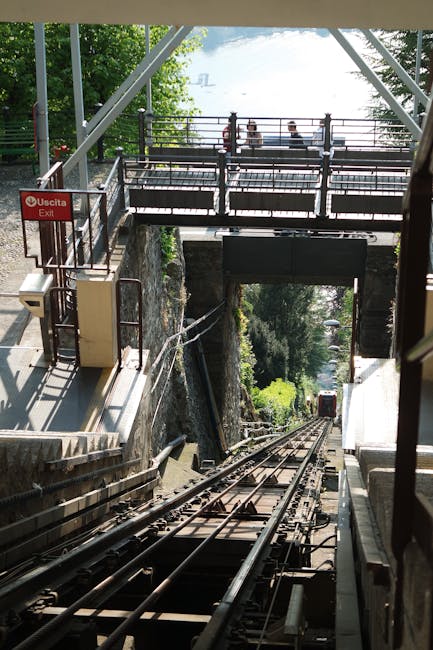
The most picturesque way to reach the Città Alta is the funicular. Lower station: Piazza Mercato delle Scarpe / Funicolare (Lower Station), upper station: Piazza Cittadella / Città Alta (Upper Station). Fare: a single ticket costs about €1.30–€1.80 depending on local tariff integration; tickets are sold at machines or the ticket office. Hours: usually 07:00–23:00 but vary seasonally. Tip: buy a day pass if you plan multiple trips (often more economical).
One-day itinerary — Leather and textiles in the Città Alta
Morning: head up to the Città Alta early (funicular). Breakfast at Pasticceria Cavour (Piazza Cavour, 10, 24129 Bergamo BG) — espresso and cornetto, about €3–€6. Stroll the artisan market at Piazza Vecchia if it’s on, then visit La Casa della Seta (Piazza Vecchia, 7) for an embroidery demonstration.
Noon: lunch at Trattoria Sant’Alessandro (Via Sant’Alessandro, 19, 24129 Bergamo BG) — local dishes like casoncelli (Bergamo ravioli), average €18–€30 per person. Afternoon: weaving workshop at Tessitura Bergamo (Via Guglielmo d’Alzano, 12), 2–3 hours (reservation recommended, price €60). Late afternoon: visit a leather shop (e.g. Pelletteria Fortunati, Via XX Settembre, 44) for a quick bag workshop (€45) or shopping.
Budget estimates and bookings
- Round-trip funicular ticket: €2–€3
- Discovery workshop (leather or textile): €40–€80 per person
- Museum entry (Accademia Carrara): ≈ €10
- Meal in a trattoria: €18–€35 per person
- Souvenirs and artisan pieces: €20–€300 depending on the item
Practical tips:
- Book in advance: workshops and studio visits often require reservations, especially in high season (April–October).
- Prefer the morning: artisans often work early; arriving in the morning increases your chances of seeing demonstrations live.
- Respect shop hours: many workshops close for a siesta between 13:00 and 15:00.
- Ask for detailed quotes: for bespoke pieces, request a written estimate and lead times (often 2–6 weeks for complex items).
Conclusion — Take Bergamo home with you: more than just an object
Bergamo offers an artisan experience that goes beyond shopping: it’s an immersion in processes, gestures and know-how that carry local history. From leather worked patiently by skilled hands to fabrics dyed and woven in small workshops, each piece tells a lineage of techniques and a demand for quality. The addresses listed—Bottega Calzoleria Rinaldi (Via Gombito, 26), Pelletteria Fortunati (Via XX Settembre, 44), Maestro Sellai (Via San Lorenzo, 19), Tessitura Bergamo (Via Guglielmo d’Alzano, 12), and La Casa della Seta (Piazza Vecchia, 7)—are concrete entry points to understand this richness. In practice, a reasonable budget, early bookings for workshops and a willingness to listen to artisans will turn your visit into a memorable experience.
When you return home with a pair of boots, a satchel or a scarf, you’re taking more than an item—you’re bringing a piece of Bergamo: the quality of materials, the attention to detail and the precious slowness of handmade work. To extend the experience, remember the local tips: visit early, ask for demonstrations, respect workshop breaks and favor bespoke pieces to capture the artisan’s spirit. And above all, strike up a conversation: most artisans love to share their story and explain their techniques and material choices—small lessons in local history and culture not to be missed.
In short: plan, book, walk—and above all, follow your curiosity. Bergamo reveals its artisan trades to those who take the time to observe and engage. Whether you’re a demanding collector or a traveler seeking authenticity, the city will reward you with rich, tangible discoveries—in leather, in fabric and in the human connections that enliven every bottega.