






Introduction: Bergamo’s Craft Traditions — Clay, Iron and Strings
Bergamo, split between the medieval Città Alta (upper town) and the more modern Città Bassa, is a place where traditional crafts have endured and adapted to contemporary needs without losing their soul. The local artisan scene is especially strong in three living traditions: pottery, decorative ironwork, and luthiery. Each discipline tells a story of materials, skills passed down from master to apprentice, and a deep connection to the Alpine landscape and Lombard culture.
This practical guide aims to introduce you — whether you’re an inquisitive visitor or a quality-conscious buyer — to the workshops, shops and exhibition spaces where you can watch, learn and sometimes buy. You’ll find exact addresses, opening hours, typical price ranges for classes, visits or instruments, plus immersive descriptions to help you pick the experiences that best match what you’re looking for.
Visiting a potter’s workshop in Bergamo means breathing in kaolin dust, hearing the wheel spin and watching clay come to life under expert hands. Visiting a blacksmith feels like sensing the heat of the forge, admiring bespoke furniture or decorative grilles, and witnessing mastery of fire and hammer. Meeting a luthier plunges you into a world of precision, guarded know-how and a finely tuned sense of acoustics, where every curve shapes the sound.
This guide doesn’t just describe — it gives local tips to make your visits smoother (best times of day, how to ask for a demonstration, how to book and negotiate a workshop). You’ll also find practical info on pricing in euros, typical opening windows, and how to contact workshops to reserve a session. Finally, it highlights must-see addresses in both the Città Alta and Città Bassa so your immersion is tangible, accessible and memorable.

Potters of Bergamo: Workshops, Shops and Classes (Città Alta & Città Bassa)
Bergamo potters work with clays that vary by origin: heavier, local clays for utilitarian wares, and finer bodies for decorative pieces. One workshop to prioritize is Atelier Ceramiche della Torre, right in the heart of the Città Alta at Via Bartolomeo Colleoni 12, 24129 Bergamo (BG). Open Tuesday to Saturday from 10:00 to 18:00. Free self-guided visits; demonstrations by appointment €15 per person (45 minutes). The studio also runs half-day wheel-and-sculpting introductory workshops (€80 per person, materials included) and weekly classes (€150 per month for 4 sessions).
In the Città Bassa, the studio-shop TerraBerg Ceramic Studio at Via XX Settembre 45, 24122 Bergamo, has a more contemporary vibe: open Monday to Saturday 9:30–13:00 and 15:00–19:00. Self-guided visit €5 (refundable with purchases over €20). Evening intro workshop (2 hours): €40; weekend intensive (Sat–Sun, 6 hours): €160. The pieces on display range from dishwasher-safe glazed tableware to limited-edition decorative series inspired by Lombard motifs.
What to look for and how to behave. In the studio, watch the sequence: wedging (levigatura), de-airing, throwing, drying, the first firing (biscottatura), glazing and the final firing. Always ask to see the firing temperature chart (in °C) to understand whether an item is stoneware (1200–1300 °C) or earthenware/faience (900–1050 °C). Respect the work area and avoid touching pieces that are drying.
Practical local tips: the best times to catch a demonstration are weekday mornings (10:00–12:00) when artisans work without customer interruptions. If you plan to take fragile pieces home, ask for professional packing (roughly €5–10 depending on size). For a personalized souvenir, request a small cup thrown on the spot — expect €25–50 depending on the finish.

Blacksmiths: Forge Work, Decorative Pieces and Bespoke Commissions
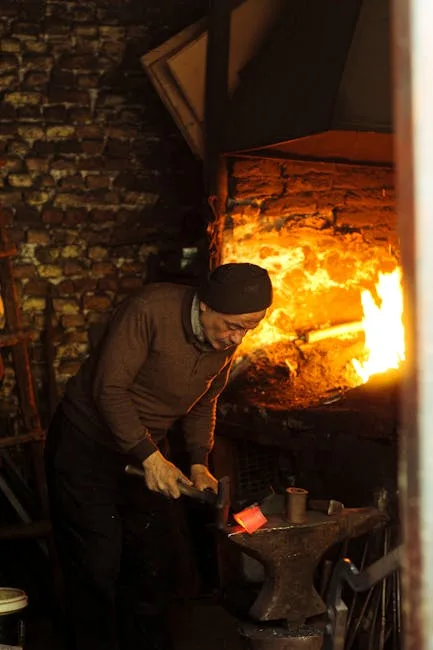
Bergamo ironwork blends tradition with contemporary design. Local blacksmiths create grilles, stair railings, lighting fixtures and furniture in Corten steel or patinated wrought iron. A well-known workshop is Fucina di San Vigilio at Via Gombito 7, 24129 Bergamo (Città Alta). Hours: Tuesday to Saturday, 9:00–12:30 and 14:30–18:30. Guided forge visits by reservation: €20 per person (60–75 minutes), including an arc-welding demonstration, hand forging with hammer and an explanation of alloys (mild steel, stainless steel, patinated iron).
For custom orders, Fucina usually offers a first consultation free for small projects (gates, lamps); for larger works (railings, portals) a 30% deposit is common. Price ranges as a guideline: small forged wall sconce €120–400; interior stair railing (per linear meter) €250–800 depending on design and complexity; custom exterior gate €1,500–6,000.
Another notable workshop is FerArt Bergamo at Via Paleocapa 18, 24122 Bergamo (Città Bassa). Hours: Monday–Friday 8:30–17:30. They offer beginner forge sessions (“blacksmithing for beginners”, 3-hour session) at €65 per person, and advanced courses (5 sessions of 3 hours) for €250. Sessions include helmet, gloves and protective gear — wear cotton clothing and closed shoes. Demonstrations help you understand the differences between hand forging and plasma cutting, and to appreciate finishing techniques (hand patinas, varnishes, oiling).
Tips for visits and purchases: ask to see finished works installed on-site, ideally in the Città Alta where many historic homes display restored railings and balustrades. Negotiate a delivery and installation schedule — professional installation is often charged separately (expect €50–150 depending on access and complexity). For a piece of furniture or an art object, insist on a written contract specifying materials, timelines and payment terms.
Luthiers in Bergamo: Violins, Cellos and Handmade Guitars
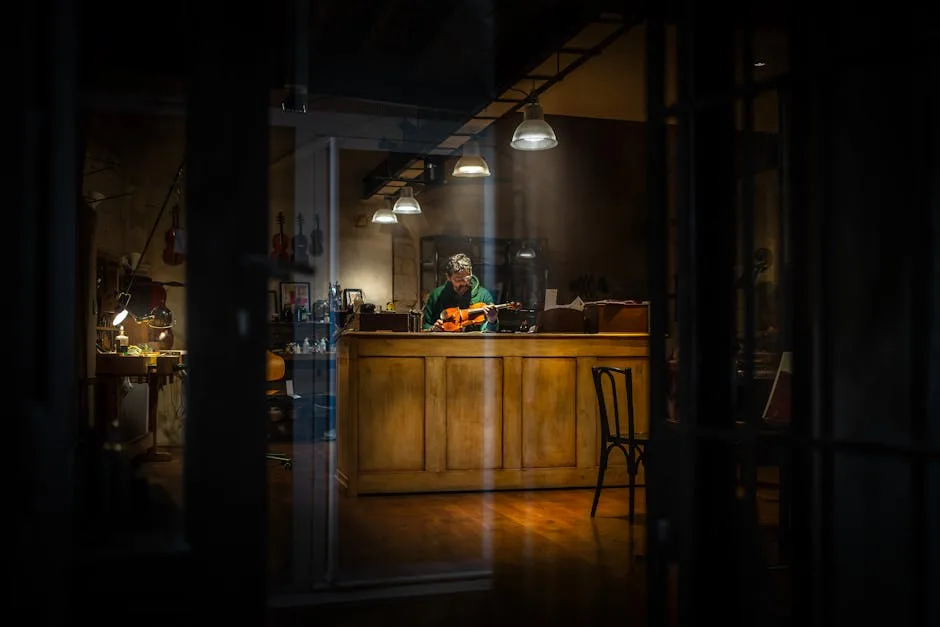
Lombardy has a rich musical heritage; Bergamo — home to musicians and composers like Gaetano Donizetti — hosts luthiers who craft both classical and contemporary instruments. One of them is Liuteria Donizetti at Via Donizetti 5, 24129 Bergamo (Città Alta) — a name chosen in tribute to the composer. Open by appointment: Tuesday–Friday 10:00–13:00, 15:00–18:00; Saturday 10:00–14:00. Quick repairs (bridge adjustments, glue work, seam openings): €30–80. Full violin setup/service: €120–350 depending on condition.
When buying, prices vary widely: a student workshop violin starts around €300–700, a high-end workshop instrument €1,200–3,500, and a recognized luthier’s instrument can exceed €8,000. Handmade guitars start at €450–800 for classical models and can reach €3,500 for solid-wood instruments with custom finishes.
A notable Città Bassa workshop is Atelier Liuteria Bergamo at Via San Bernardino 20, 24122 Bergamo. Hours: Wednesday–Saturday 10:00–13:00 and 16:00–19:00. Acoustic consultations and instrument trials are free on appointment. They run a two-day discovery course called “Sound of Wood” (cutting, assembly, varnishing) for €220 per person, materials included. Most luthiers also offer acoustic demos: comparative listening of soundboards, the influence of wood species (spruce, maple, rosewood), and fine adjustments (edgework, bracing).
Practical buyer tips: bring your own bow and a listening cushion if possible, test the instrument in a quiet room and request a trial period (often 7–14 days) before committing to a purchase. For repairs, ask for a written estimate and a clear timeline — complex restorations can take several weeks. For valuable instruments, request a certificate of provenance and consider transport insurance if you’re traveling.
Conclusion: Between Tradition and Modernity — How to Get the Most from Bergamo’s Crafts
Bergamo offers a deeply human craft experience: the potters, blacksmiths and luthiers you meet work on a human scale, take time to explain their processes and often offer bespoke pieces or classes. To get the most from your stay, plan your visits in advance, favor weekday mornings for quiet demonstrations, and contact workshops by email or phone to reserve a guided visit or a course.
Budget and buying: allow extra for shipping and professional packing for fragile items. For bespoke commissions (ironwork, luthiery), expect lead times from a week to several months depending on complexity. Negotiate respectfully: a 20–30% deposit is common to secure an order. Always ask for a detailed written estimate specifying material, finish and delivery timeframe.
Respect and curiosity: workshops are workplaces. Follow safety instructions, wear closed-toe shoes when visiting a forge, and don’t touch instruments or fragile items without permission. Ask technical questions — artisans love to share their knowledge: ask where materials come from, the firing temperature for ceramics, the type of steel used for a railing, or the wood species of a violin.
Finally, remember that Bergamo’s craftsmanship is alive: by taking a class, buying a handmade piece or commissioning a custom instrument, you help sustain these trades. Take home more than an object — take home a story: of a gesture, an oven, a hammer strike and a controlled vibration. And if your schedule allows, finish your visit with a stroll through the Città Alta: Via Gombito, Piazza Vecchia and the Rocca provide the historic backdrop that shaped these skills.