





Introduction: Bergamo — a melting pot of architecture and a hatchery for young talent
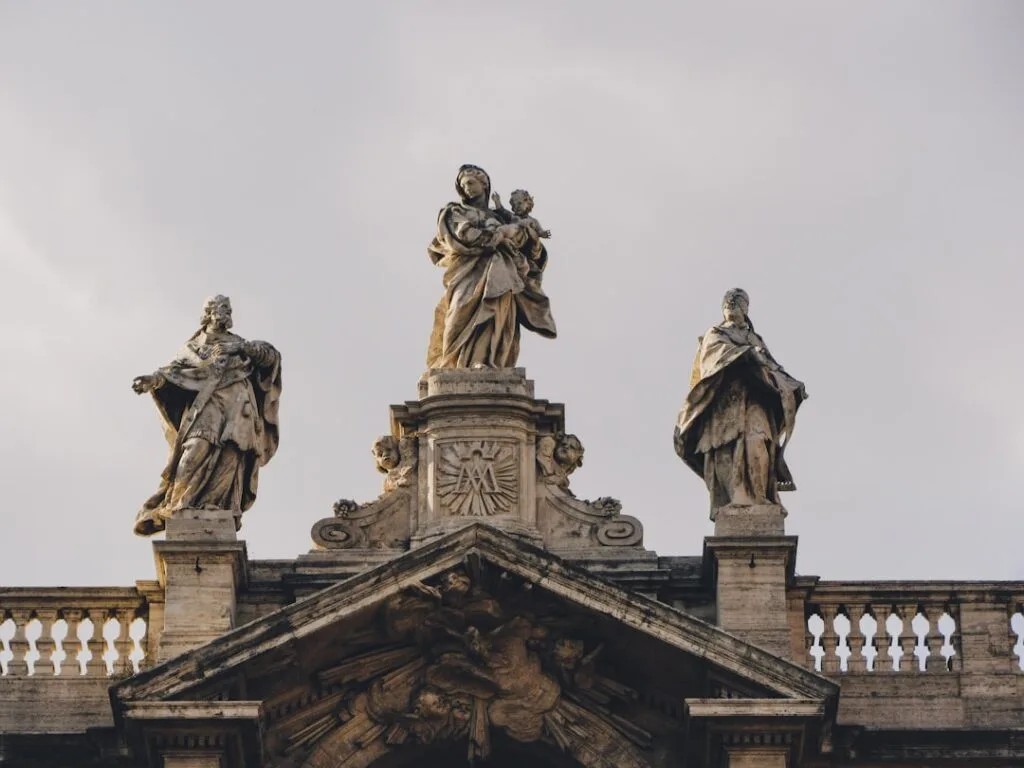
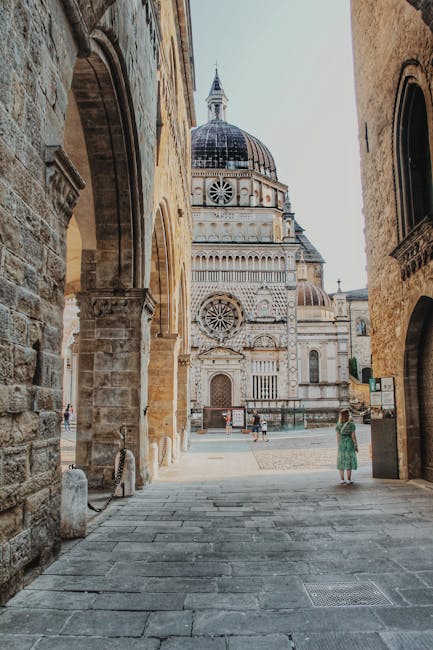
Perched between the Lombard plain and the Prealps, Bergamo plays with two personas: the modern, industrious Bergamo Bassa and the finely carved medieval Bergamo Alta. Beyond the usual tourist contrasts, however, there’s another side to the city — a fertile ground for architectural thinking and the emergence of new talent. History reads itself in the stone façades of Piazza Vecchia and in the elaborate ornamentation of the Basilica di Santa Maria Maggiore; at the same time, workshops, schools and labs are training generations of architects who can engage with heritage while imagining sensitive contemporary interventions.
This piece takes you into Bergamo’s academic and creative landscape: the schools and institutes training students, the places where young talents exhibit or work, projects that reveal a local approach to architecture, and practical tips for visiting, meeting people and understanding this ecosystem. You’ll find precise addresses, visiting hours, entrance fees, and recommendations for attending lectures, workshops or exhibitions, as well as pointers to spot emerging architects and collectives. The goal isn’t only touristy: it’s to map a living scene where heritage and innovation feed each other.
Whether you’re an architecture student on a study trip, a professional looking for exchanges, or simply a curious visitor, Bergamo offers a rich itinerary: from the Accademia Carrara to the temporary showrooms in the Cittadella, from urban renovation workshops to collaborations between the university and local firms. Your senses will be engaged: the light caressing the stone walls of the Città Alta, the stucco and wood textures revealed in restoration projects, the raw materiality of construction labs and the delicate models displayed in showrooms. This article guides you floor by floor, alternating between discovering concrete places and practical advice on how to approach local players, join a workshop, or simply admire a façade with a student guide.
In the sections that follow, we’ll first look at the institutions and schools shaping education, then the practice spaces where study turns into action, followed by portraits of young talents and local collectives, and finally a practical guide to planning a study visit in Bergamo. Every place mentioned includes an address, opening times and access tips so your visit is as efficient and inspiring as possible.
Institutions and schools: where Bergamo’s architects are trained
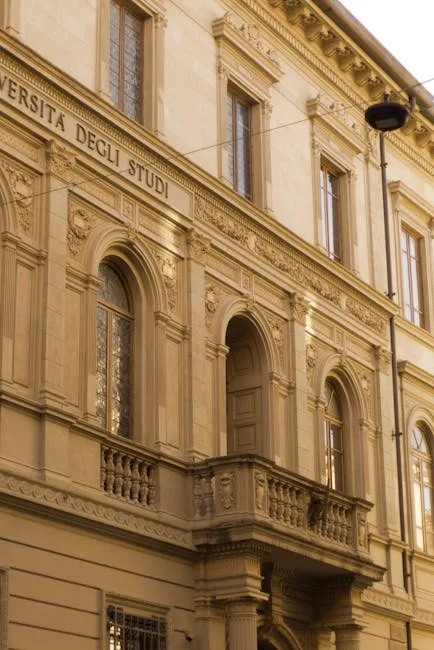
Bergamo doesn’t host a single giant architecture school rivaling Milan’s institutions, but it sits at the heart of a network of local and regional training initiatives that produce solid, versatile skills. Central to this network is the Università degli Studi di Bergamo (University of Bergamo), whose departments linked to architecture, civil engineering and design offer integrated programs, workshops and collaborations with local businesses. Main address: Università degli Studi di Bergamo, Piazza Rosate 2, 24129 Bergamo (administrative offices and campus locations are split between the Città Alta and Città Bassa; check the university website for exact departmental addresses). Office hours: typically Monday to Friday 09:00–17:00; fees: access to pedagogical services is reserved for enrolled students, but lectures and exhibitions are often open and announced online.
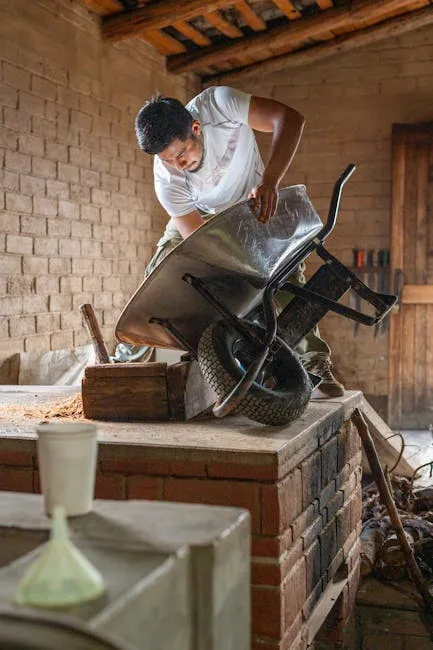
Alongside the university, the Scuola Edile Bergamo (Vocational training center for construction trades) plays a key role in passing on technical know-how: masonry, restoration of historic buildings, and on-site safety techniques. Address: Scuola Edile Bergamo, Via Borgo Palazzo 87, 24125 Bergamo. Opening hours: Monday–Friday 08:30–17:30. Cost: courses are often subsidized for apprentices and local companies; short courses can range from €50 to €300 depending on length and level. Hands-on workshops are especially recommended to see traditional Lombard materials being worked up close.
Finally, art and design institutions complement the offer. The Accademia Carrara – Galleria d’Arte (Piazza Giacomo Carrara, 82, 24121 Bergamo) isn’t an architecture school but it functions as a cultural hub where students and young architects exhibit models and installations. Opening hours: Tuesday–Sunday 10:00–18:00 (closed Mondays); admission: around €10 for the permanent collection, with discounts for students. The proximity of art studios, technical schools and architecture offices encourages interdisciplinary collaborations, especially during temporary exhibitions or summer workshops.
Practice spaces: workshops, labs and hands-on training sites
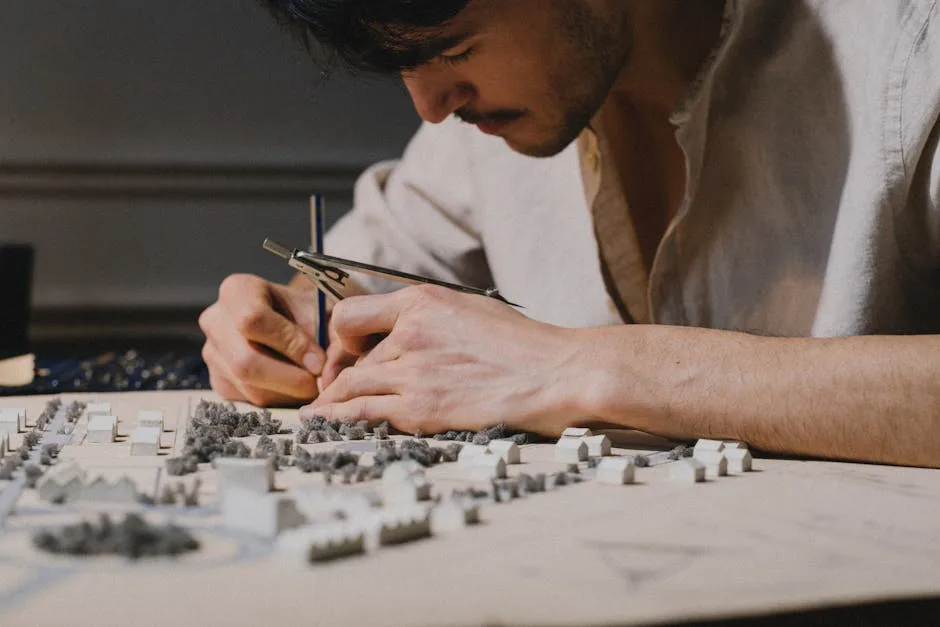
Architectural training in Bergamo leans on concrete places: model workshops, materials labs, teaching construction sites and exhibition spaces. These venues are essential because they turn theory into practice and help refine a material sensibility specific to the Bergamo area.
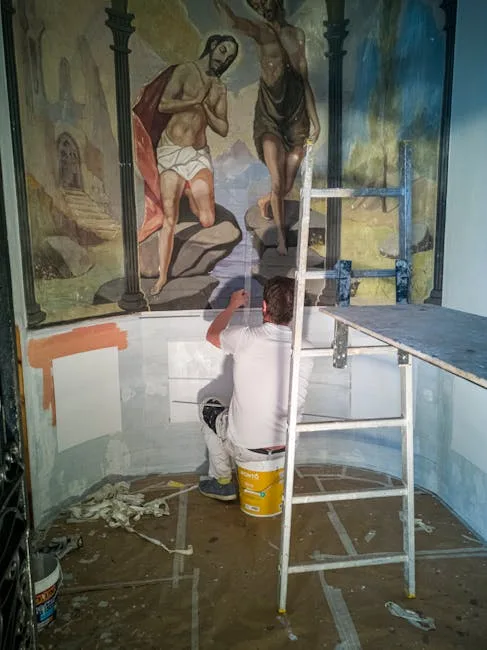
The Laboratorio di Restauro (restoration laboratory) of the Provincia di Bergamo regularly hosts internships and practical demonstrations. Indicative address: Laboratorio di Restauro, Via San Tommaso d’Aquino 2, 24121 Bergamo Alta (locations of some labs can change: check with the Provincia). Opening times: visits and site-tour bookings by appointment. Cost: educational visits are often free or by donation; technical courses are paid (from €100 to €600 depending on duration).
Another notable space is the Cittadella degli Architetti — a collaborative hub where young professionals and students share offices and workshops to prototype and exhibit. Address: Cittadella degli Architetti, Via Angelo Maj 4, 24122 Bergamo. Hours vary, so it’s best to check their Facebook page or website for events; many exhibitions and openings are free. These spaces promote exchanges between junior architects and experienced practitioners, and they often run open studios where you can see models in progress, prototypes of urban objects, or masterplan presentations.
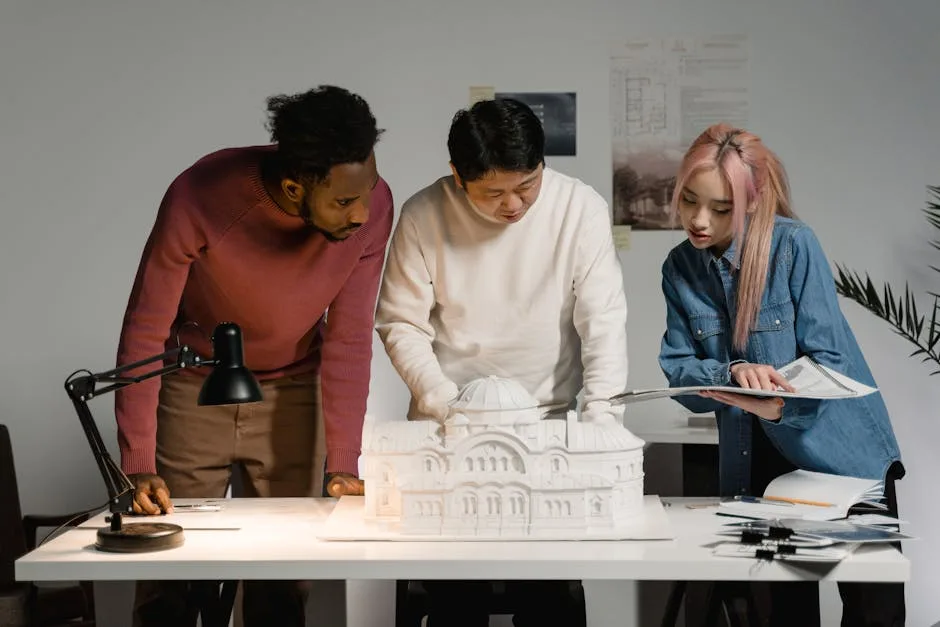
Lastly, Bergamo is seeing a bloom of urban regeneration projects led by local collectives: redevelopment of brownfield sites, interventions in working-class neighborhoods of the Bergamo Bassa, and micro-architecture projects for local festivals. These teaching sites, often organized during the summer, are a unique chance for visitors to attend workshops and chat with Italian trainers on site.
Young talents and emerging collectives: notable profiles and projects
The local scene is lively: recent graduates from the University of Bergamo, designers from the Accademia Carrara, and craftspeople from the Scuola Edile meet around projects that question territorial identity. Rather than giving an exhaustive list, here are a few representative profiles and project types you’re likely to encounter or seek out during your stay.
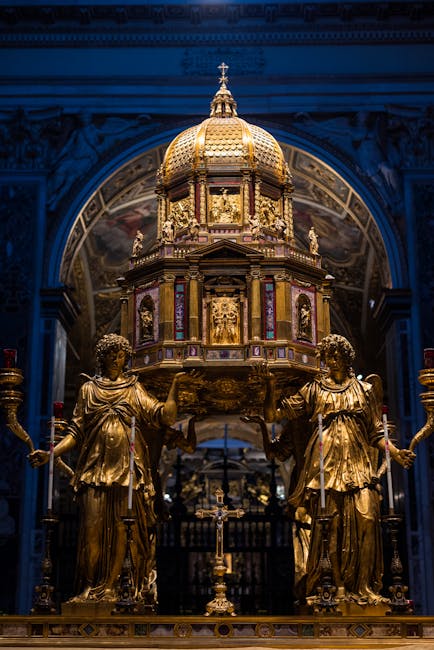
1) Contemporary restorers: these young professionals specialize in conserving historic façades and interiors, combining traditional techniques with digital tools (3D scanning, photogrammetry). They often work on monuments like the Basilica di Santa Maria Maggiore (Piazza Duomo, 24129 Bergamo Alta) or the Cappella Colleoni (Piazza Duomo, 24129 Bergamo Alta), where restoration requires fine craftsmanship. These specialists sometimes organize technical site visits. Access cost: often free if organized by a school; official guided tours of the monuments are around €6–12.
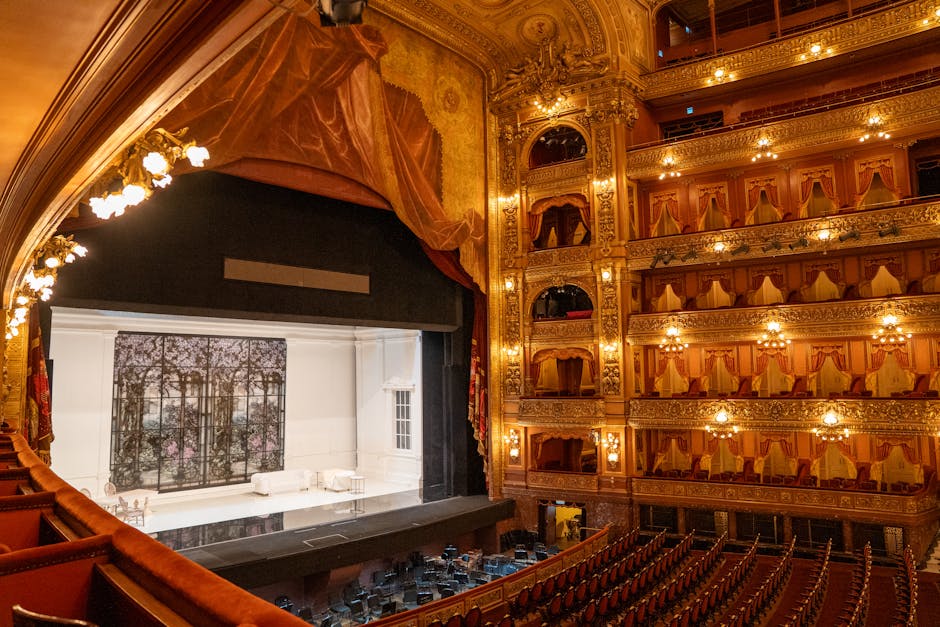
2) Young urban planners: focused on daily life in Bergamo Bassa, they propose micro-interventions to improve active mobility, street furniture and brownfield conversions. Their models and prototypes are frequently shown in temporary exhibitions at Teatro Donizetti (Piazza Cavour, 15, 24121 Bergamo) or in alternative galleries. Events at the Teatro vary — performances and exhibitions — so check the schedule; exhibition tickets are often between €0–10.
3) Hybrid architecture-art-design collectives: blending installations and site-specific interventions, these groups work on heritage interpretation and urban memory. Look for temporary shows at the Accademia Carrara or at GAMeC — Galleria d’Arte Moderna e Contemporanea di Bergamo (Piazzetta Giacomo Carrara 1, 24121 Bergamo) — which often host young projects. GAMeC hours: generally Tuesday–Sunday 10:00–18:30; admission: around €8–12.
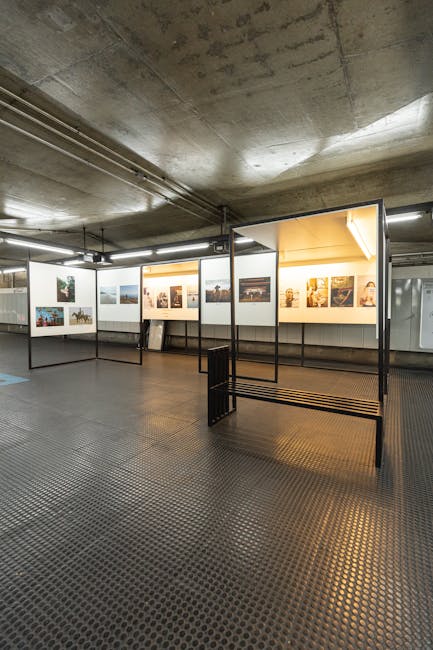
Practical tip: to meet these young talents, check Master program pages and thesis lists from the University, follow local studio Instagram accounts, and attend vernissages — they’re often the most informal and rewarding moments for conversation.
Routes to discover Bergamo’s architecture and emerging creators
If you want to plan your visit around architecture and the emerging scene, here are two suggested routes — a half-day focused on the Città Alta and a full day dedicated to creative spaces and workshops in the Città Bassa.
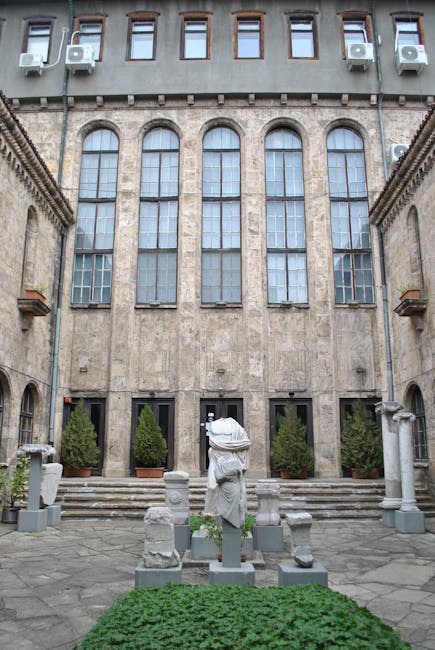
Route A — Half-day (Città Alta): Start at Piazza Vecchia, the historic heart of the old town. Admire the Palazzo della Ragione (Piazza Vecchia, 24129 Bergamo Alta) and climb the Campanone (Torre Civica) for a panoramic view (tower access: around €3–5, hours vary in the tourist season, generally 09:30–17:30). Continue to the Basilica di Santa Maria Maggiore and the Cappella Colleoni (Piazza Duomo, 24129 Bergamo Alta) — take time to study the polychromy of the marbles and the 15th-century construction solutions. Finish at the Sentierone for a coffee in a neoclassical setting — a good spot to flip through brochures and exhibition labels.
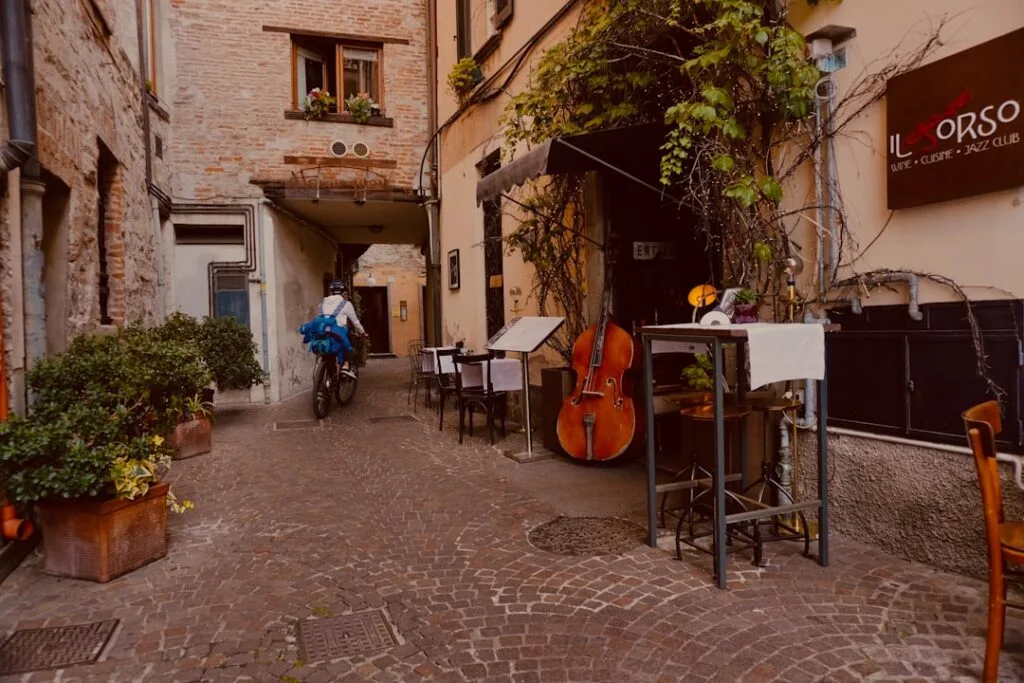
Route B — Full day (Città Bassa & workshops): Start at the Museo di Scienze Naturali Enrico Caffi (Piazza Cittadella 10, 24122 Bergamo), then head to the Borgo Santa Caterina neighborhood where several workshops and small galleries host exhibitions and workshops (stroll along Via Borgo Santa Caterina). Visit the Cittadella degli Architetti (Via Angelo Maj 4) and plan a stop at the Scuola Edile (Via Borgo Palazzo 87) if demonstrations are scheduled. End the day at an opening at GAMeC or the Accademia Carrara if an exhibition is on. Tip: always check the evening opening times for vernissages (often 18:00–21:00 and frequently free).
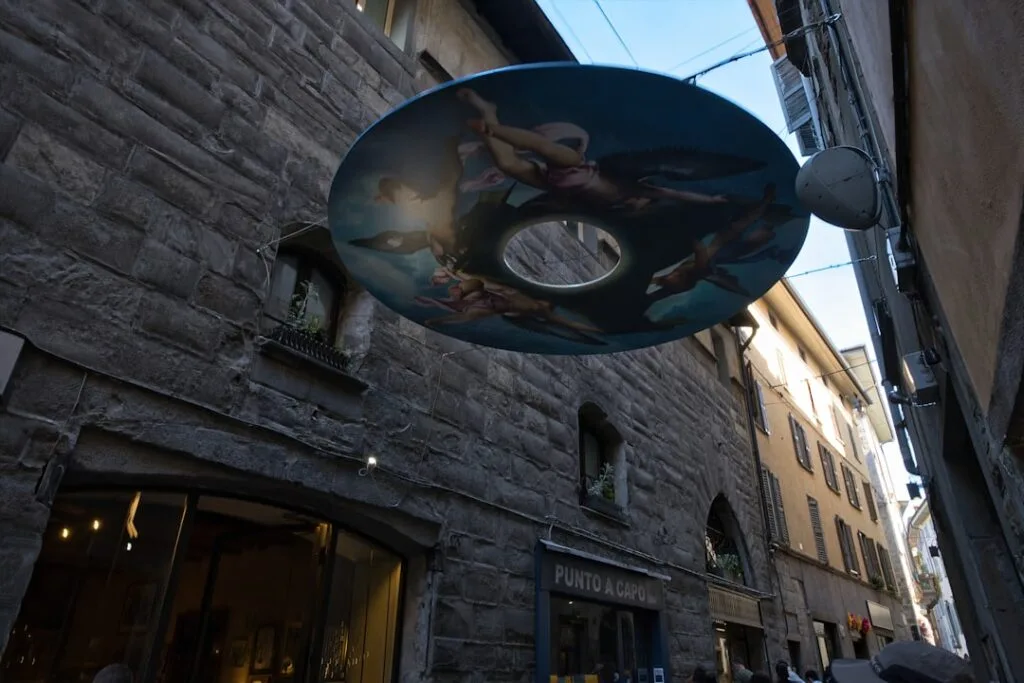
Practical tips: where to stay, how to get around, attend events and network
Where to stay: choose central accommodation to easily hop between the Città Alta and Bassa. Recommended hotels: GombitHotel (Via Gombito 9, 24129 Bergamo Alta) to be right in the historical center, and B&B Hotel Bergamo for a good value option in the Bassa. Prices: double rooms in low season from €60–80/night, high season €100–180/night. Booking: plan ahead for university conferences and local festivals.
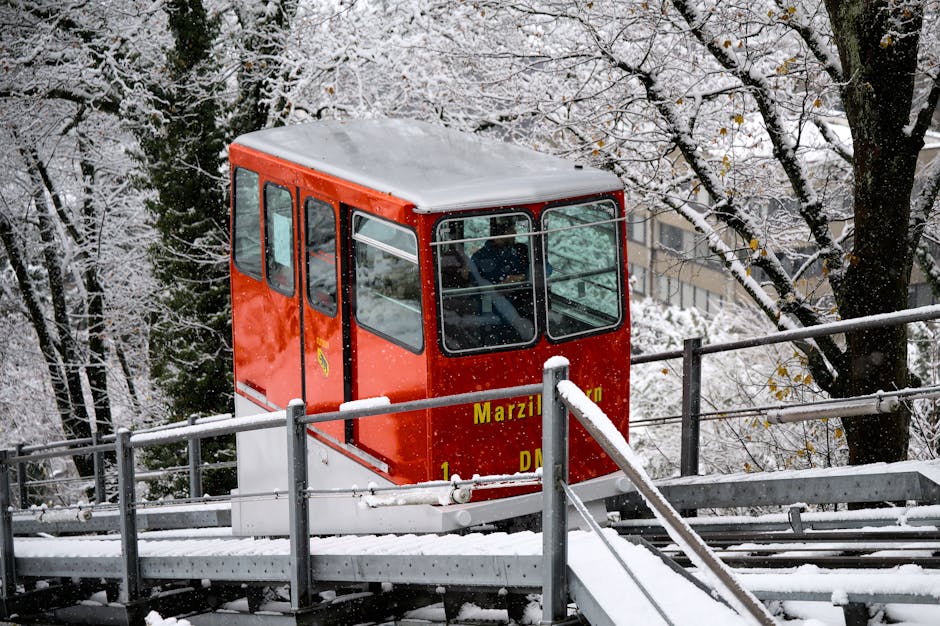
Getting around: Bergamo is very walkable, especially the Città Alta (stairs and narrow lanes); between Alta and Bassa use the funicolare (Bergamo Alta–Bergamo Bassa funicular, Piazza Mercato delle Scarpe / Viale Vittorio Emanuele II). Funicular fare: one-way ≈ €1.50 (indicative), operating from early morning until late evening (about 06:00–00:30 depending on the season). ATB public transport serves the urban area; consider a TPL card for multiple trips.
Attending events: watch the calendars of the Università degli Studi di Bergamo, GAMeC and Accademia Carrara, and other cultural centers: lectures, study days and openings are the best moments to meet young architects. Summer workshops and teaching sites are often announced via local networks; sign up early because spots can be limited.
On-site networking: approach professors at lectures, go to open studios, and politely ask to visit workshops. Always carry business cards or a notebook to record contacts and references. Cafés around the University and Piazza Vecchia are informal meeting spots ideal for conversations.
Conclusion: Bergamo — an open-air laboratory for the architecture of tomorrow
Bergamo is a distinctive destination for anyone interested in architectural education and emerging talent. The city pairs outstanding historic heritage — visible in Piazza Vecchia, the Basilica di Santa Maria Maggiore and the Cappella Colleoni — with a network of institutions, workshops and collectives that make up a vibrant scene. Local schools and training centers (Università degli Studi di Bergamo, Scuola Edile Bergamo, Accademia Carrara) offer complementary paths: theoretical reflection, technical mastery and artistic research. That plurality is Bergamo’s main asset: here, studying architecture draws as much from traditional craftsmanship as from contemporary experimentation.
Visiting Bergamo for its architecture isn’t just about looking at façades; it’s about sitting in a workshop to watch a model being made, joining a site visit to understand a restoration technique, or attending an opening to meet young architects and designers. The practical tips provided — itineraries, addresses, indicative hours and networking tricks — will help you get the most out of your stay. Keep in mind that the local scene is lively and changing: events, workshops and exhibitions shift with the seasons. Before you travel, check the official sites of the institutions (Università degli Studi di Bergamo, Accademia Carrara, GAMeC, Scuola Edile Bergamo) and the social pages of the collectives that interest you for the latest information.
Finally, for students and young professionals wanting to extend the experience, Bergamo offers concrete opportunities: internships with local restoration firms, collaborative workshops, and proximity to major Milanese schools that eases exchanges. In short, Bergamo proves to be an open-air laboratory where the dialogue between heritage and innovation trains tomorrow’s architects and gives visitors a rich, tactile and intellectually stimulating experience.