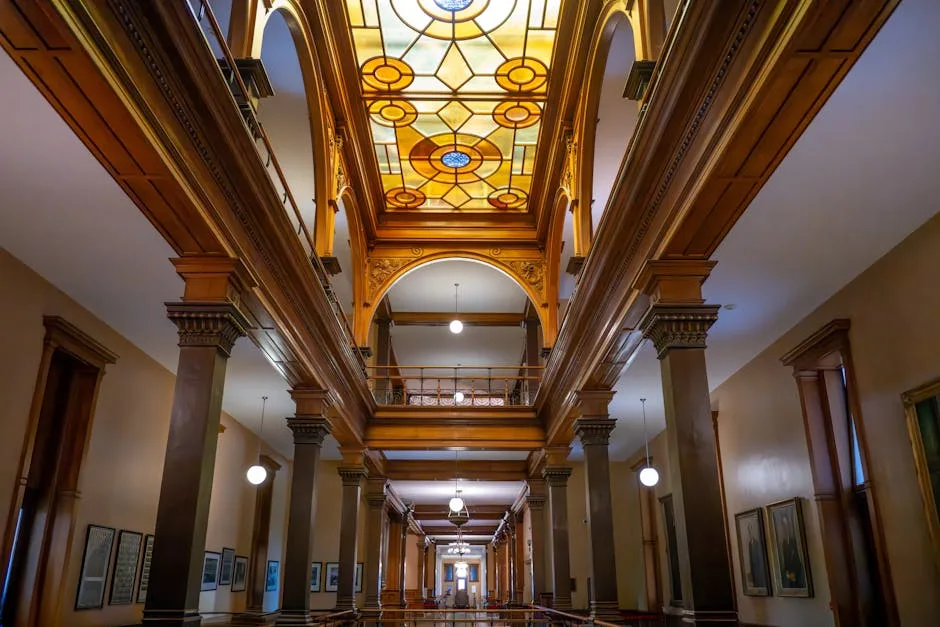






Introduction: Bergamo, a living laboratory where contemporary meets history
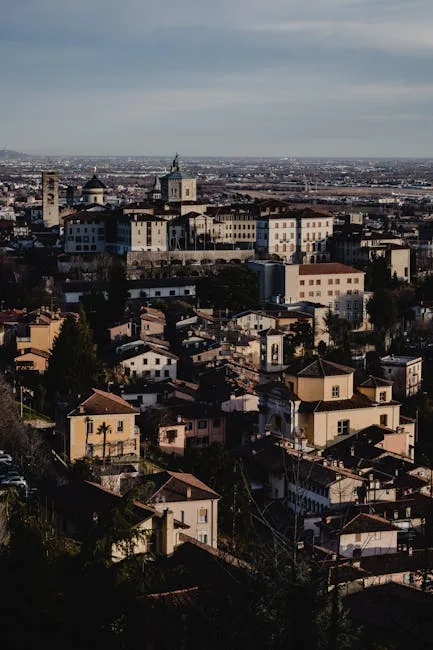
Bergamo (Bergamo) is an Italian city that perfectly illustrates how a place can live in two timeframes at once: the medieval and Renaissance past embodied by the Città Alta, and the modern city focused on innovation and contemporary creation. Recent renovations and architectural interventions over the last decades have aimed not to erase history but to elevate it — to create points of contact between heritage and the present. In this compact territory — where every cobbled street shelters layers of cultural history — the issue is not simply aesthetic: it’s about accommodating new uses (museums, galleries, rethought housing, contemporary shops) alongside old structures (palazzi, churches, walls) without sacrificing either historical clarity or modern quality of life.
This article offers an immersive, well-documented tour through Bergamo, focusing on exemplary renovations: museums that reinvented their exhibition spaces, historic buildings restored with new functions, industrial wastelands turned into cultural hubs, and public works that respected traditional materials and rhythms. Each place mentioned includes practical details (address, opening hours, admission), a sensory description (what you see, hear, feel) and local tips to make the most of your visit. The goal is twofold: to provide a useful guide for curious travelers and to encourage reflection on what it means to “respect the past” while building the present.
As you read on, you’ll see how the Galleria d’Arte Moderna e Contemporanea (GAMeC) engages with the urban fabric, how the Accademia Carrara modernized its museum spaces without betraying the chronology of its works, and how the Città Alta benefited from measured interventions that ease access while preserving the medieval atmosphere. We’ll also highlight lesser-known but equally telling examples: warehouses converted into artists’ studios, the restoration of medieval gates, and boutique hotels that reinterpret old architecture through contemporary design. Each entry includes practical advice (best time to visit, where to park, can’t-miss restaurants and viewpoints) so you can plan your own visit while honoring the spirit of each place.
Finally, this piece is also for architecture enthusiasts and professionals looking for concrete examples of good conservation practice. Bergamo doesn’t just offer tidy facades: it shows that a successful renovation tells a story and makes the city more welcoming, accessible and alive. It’s that delicate balance between preservation and transformation that we’ll explore, place by place, inviting you to feel the city rather than merely look at it.
GAMeC – Galleria d’Arte Moderna e Contemporanea: a contemporary venue woven into the historic fabric
GAMeC (Galleria d’Arte Moderna e Contemporanea) in Bergamo is a clear example of how a contemporary art space can fit into a historic city without clashing with the urban landscape. Address: Via San Tomaso 53, 24121 Bergamo BG. Usual opening hours: Tuesday to Sunday 10:00–18:00 (closed Monday); check for special late openings during temporary exhibitions. Indicative prices: full ticket ≈ €10.00; reduced ≈ €7.00; combined GAMeC + Accademia Carrara ticket ≈ €18.00 (these fares may vary with temporary shows). The building has undergone layout and renovation work to improve welcome facilities, artwork lighting and accessibility for people with reduced mobility.
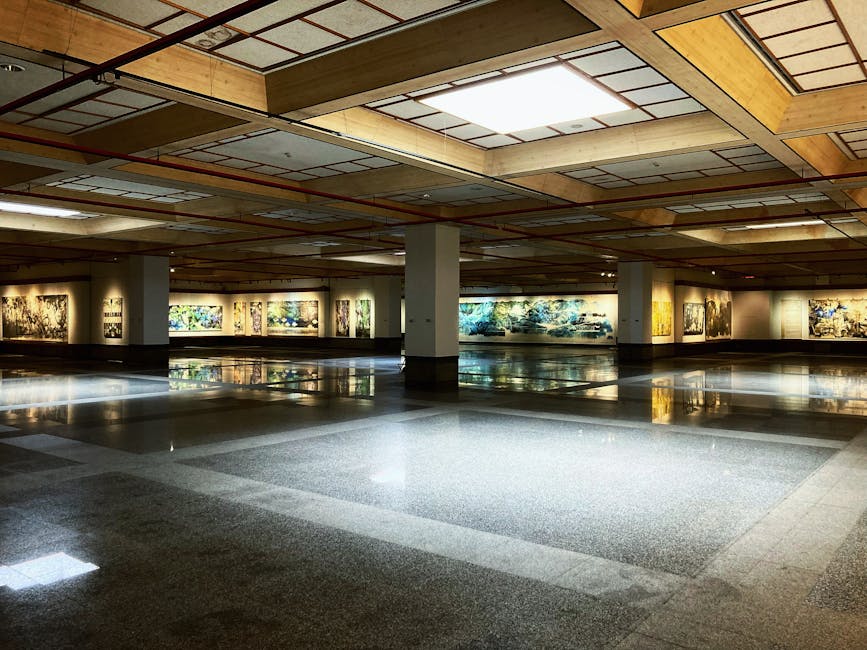
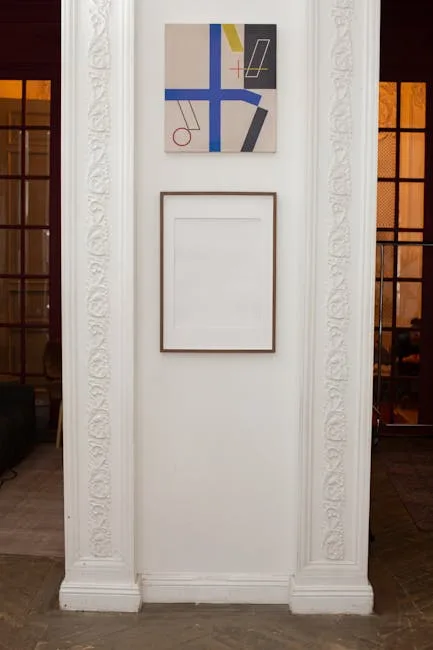
What strikes you on entering is the clarity of volumes and the dialogue between older materials — bricks and stone from adjacent buildings — and contemporary additions: large controlled glazing, polished concrete floors and discreet hanging systems. The architects’ and curators’ approach was to avoid unnecessary ornament and instead emphasize the legibility of the artworks. Natural light is modulated by brise-soleil and skylights, which keep visits pleasant even in high summer. Inside, temporary exhibitions alternate with the permanent collection, giving the visitor breathing space between Italian modern pieces and international artists.
Practical tips: aim to visit on a weekday morning (10:00–12:30) to avoid crowds, especially during major shows. Buy your ticket online at www.gamec.it to skip queues at busy times. The gallery has a small bookshop where you can find catalogs and limited editions, and an elevator to reach upper floors. For nearby dining, the Piazzetta del Carmine and Via Pignolo offer several cafés and traditional trattorie. If you arrive by car, the underground garage “Parcheggio di Piazza della Repubblica” (Via Tasso) is a convenient base; the gallery is about a ten-minute walk from there.
Accademia Carrara and Galleria Carrara: restoring to better showcase masterpieces
The Accademia Carrara (Galleria d’Arte Accademia Carrara di Bergamo) is one of Lombardy’s most important museums. Address: Piazza Giacomo Carrara 82, 24121 Bergamo BG. Usual hours: Tuesday to Sunday 10:00–18:00 (closed Monday); special hours may apply for exhibitions. Tickets: full ≈ €12.00; reduced ≈ €8.00; combined tickets with GAMeC are sometimes available. This museum houses an exceptional collection spanning Italian painting from the 15th to the 19th century, with major works by Bellini, Botticelli, Lorenzo Lotto, Raphael and Lombard schools. The building’s renovation and the improvement of museum spaces have not only enabled display in better climate-controlled, secure rooms but also introduced modern educational routes.
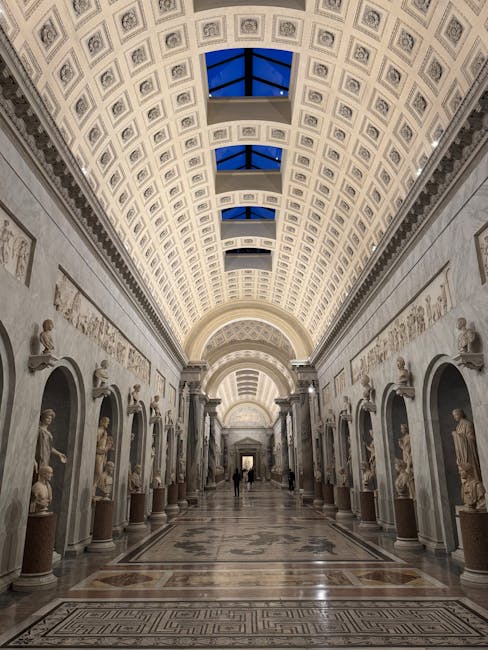
Restoration covered several areas: structural consolidation, upgrading hygrothermal systems, installing new LED lighting to protect canvases, and reorganizing the visitor route to present a clearer historical narrative. The entrance hall was redesigned to welcome visitors more comfortably, with a refined shop and a multilingual welcome area. Contemporary interventions — discreet metal railings and minimalist signage — recede in front of the artworks while greatly improving the visitor experience.
Practical tips: allow at least two hours for an in-depth visit. Audioguides (available in Italian, English and often French) help contextualize the masterpieces. The museum regularly offers themed guided tours and children’s workshops; book in advance via the official site www.lacarrara.it or by phone. Nearby, the Caffè Letterario e Libreria “Bergamo ArteCultura” (Via Porta Dipinta) is a pleasant spot to continue your reflections over a coffee. If you want a panoramic view after your visit, climb up to the Rocca di Bergamo and walk along the Venetian walls for views over the lower town and the Prealps.
Città Alta: Venetian walls, Piazza Vecchia and the subtlety of integrated restorations
The Città Alta is Bergamo’s historic core, dominated by the splendid Piazza Vecchia and the Palazzo della Ragione. The Venetian walls, a UNESCO World Heritage site, encircle the city. To visit them: Mura Venete di Bergamo (Venetian Walls), main access via Porta San Giacomo (Viale Vittorio Emanuele II, 24129 Bergamo); walking the ramparts is generally open, though some towers may have specific opening times. Road and wall maintenance has been carried out with special attention to traditional techniques: lime joints, merlon restoration, and the use of local stone for replacements.
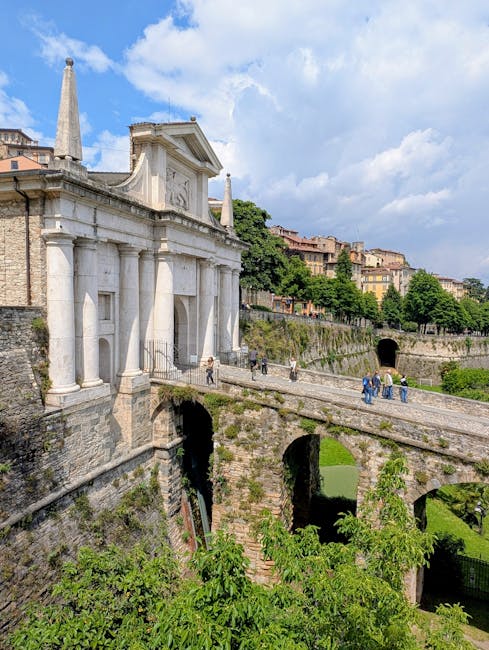
Piazza Vecchia, often described as one of Italy’s most beautiful squares, benefited from discreet interventions: façade cleaning and night lighting designed to highlight the Palazzo Nuovo and the Biblioteca Civica Angelo Mai (Piazza Vecchia, 5, 24129 Bergamo). These efforts aim to restore a sense of monumentality without erasing the patina of time that contributes to the place’s atmosphere. The Palazzo della Ragione (Piazza Vecchia, 1) sometimes hosts temporary exhibitions in its renovated halls, and the adaptations ensure accessibility while respecting historic structures.
Practical tips: the funicolare Bergamo Alta from the Città Bassa is a pleasant way to access the Città Alta. Lower station: Funicolare Bergamo – Piazza Mercato delle Scarpe / Piazzale Guglielmo Marconi, upper station: Città Alta (approx. hours 06:30–23:00; single fare ≈ €1.30–€1.50 depending on local ticketing — check ATB Bergamo for current info). Go early in the morning to enjoy soft light and avoid tour groups; in late afternoon the ramparts offer spectacular sunsets over the Lombard plain. For lunch, try Trattoria “Da Franco” (Via Colleoni, 7) or Osteria “Al Gigianca” (Piazza Mercato del Fieno) — check opening times; many places serve lunch from 12:00 to 14:30 and dinner from 19:00 to 22:30.
Contemporary conversions: brownfields, studios and small museums that tell a city in motion
Beyond institutional hubs, Bergamo brims with small conversion projects that perfectly illustrate the idea of “when contemporary respects the past.” Consider former industrial structures and warehouses now housing artist studios, alternative galleries and cultural spaces. These projects often conserve original volumes (timber trusses, brick walls) while inserting light contemporary elements: movable partitions, glass roofs and designer lighting. They create hybrid venues hosting artist residencies, pop-up shows and public events.
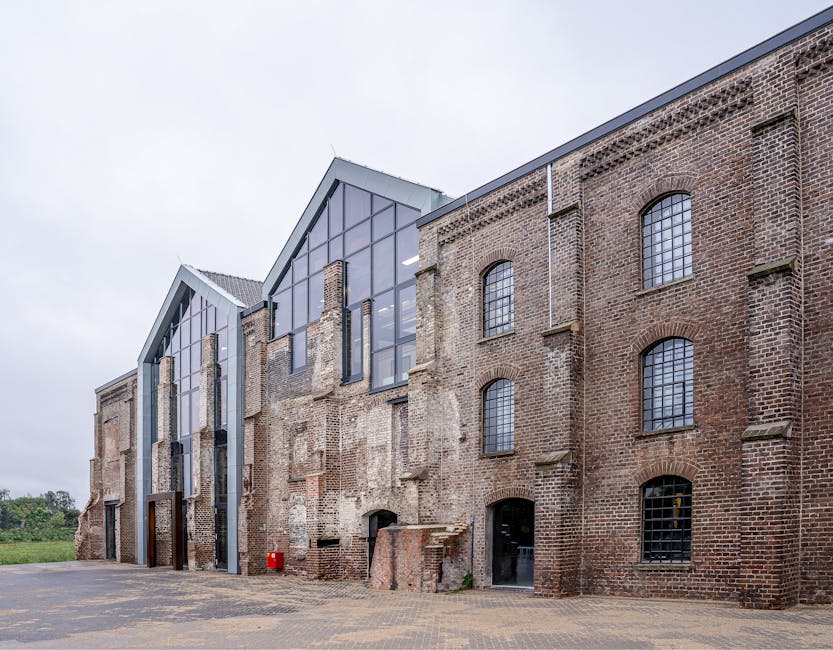
A concrete example is the Centro Culturale San Bartolomeo (approximate address: Via San Bartolomeo, Città Bassa district), where studios and exhibition rooms were established within renovated volumes. Opening hours are often tied to scheduled events (evening openings for vernissages, weekend workshops); entry can be free for group shows or a small symbolic fee (≈ €3.00–€5.00) for special events. These spaces stand out for bold programming: talks, screenings, sound performances that attract a young, curious crowd.
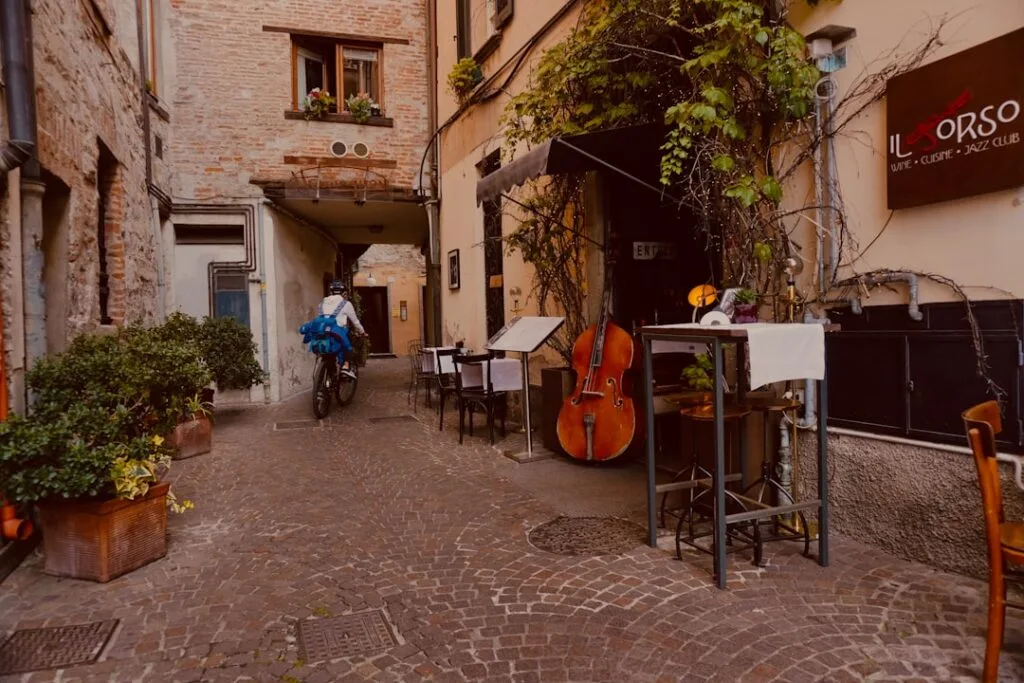
Practical tips: to find these places, check with the tourist office (Ufficio Informazioni Turistiche Bergamo, Via Tasso 8, 24121 Bergamo; usual hours 09:00–18:00) or follow local collectives on social media. Small venues don’t always have fixed hours; attending an evening opening is often the best way to meet artists and get in for free. Another tip: favor soft transport (bike, walking) to move between Città Bassa and Città Alta and spot façades, gates and courtyards that bear subtle interventions (repaired wooden doors, new double-glazed windows sympathetic to original frames).
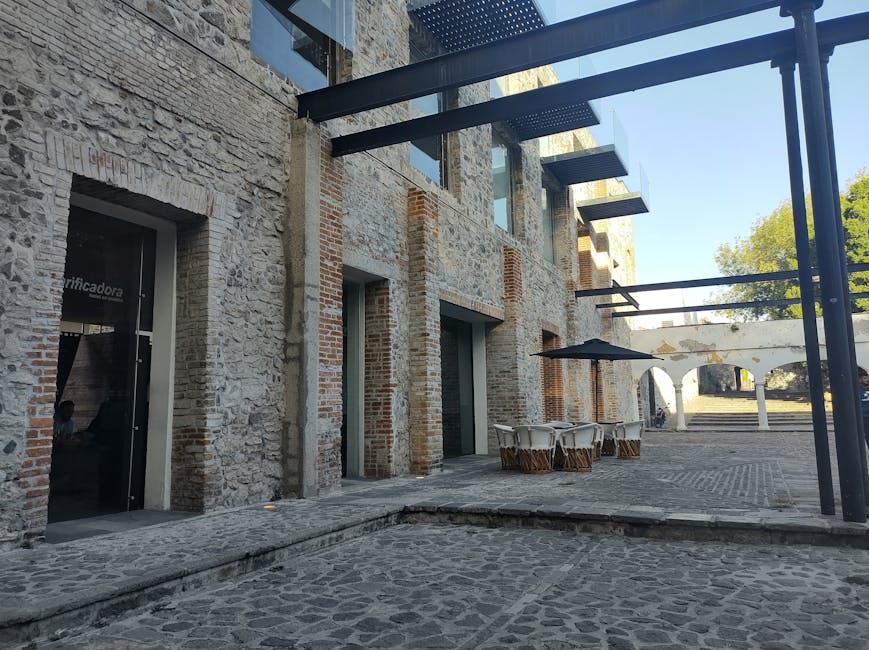
Similarly, boutique hotels housed in old palaces offer successful examples of interior architecture: rooms where original parquet sits alongside polished concrete bathrooms, contemporary art on the walls and state-of-the-art lighting systems. These establishments retain original decorative features (fireplaces, cornices) while injecting modern comforts (reversible air conditioning, high-speed internet). They make great case studies for understanding how contemporary elements can enrich an old structure without stripping its character.
Best practices and tips for appreciating renovations without harming heritage
Visiting Bergamo as an observer of renovations requires a respectful, curious attitude. Here are some good practices to help you fully enjoy contemporary interventions within historic settings:
- Do your homework before you go: check official museum sites (GAMeC www.gamec.it; Accademia Carrara www.lacarrara.it) and the Bergamo municipality site (www.comune.bergamo.it) for up-to-date hours, prices and current exhibitions.
- Prefer off-peak hours: weekday mornings or late afternoons (especially outside high season) to observe architectural details without being jostled.
- Respect local rules: pedestrian zones, photo restrictions in some museum rooms, and conservation signage (don’t touch ancient walls or sensitive installations).
- Hire local guides: a specialist in art history or architecture will help you appreciate choices of materials and technical interventions (e.g., joints, fresco restorations, structural consolidations).
- Support local initiatives: buy a ticket, join a workshop, or purchase a book from the museum shop — these actions help finance future restorations.
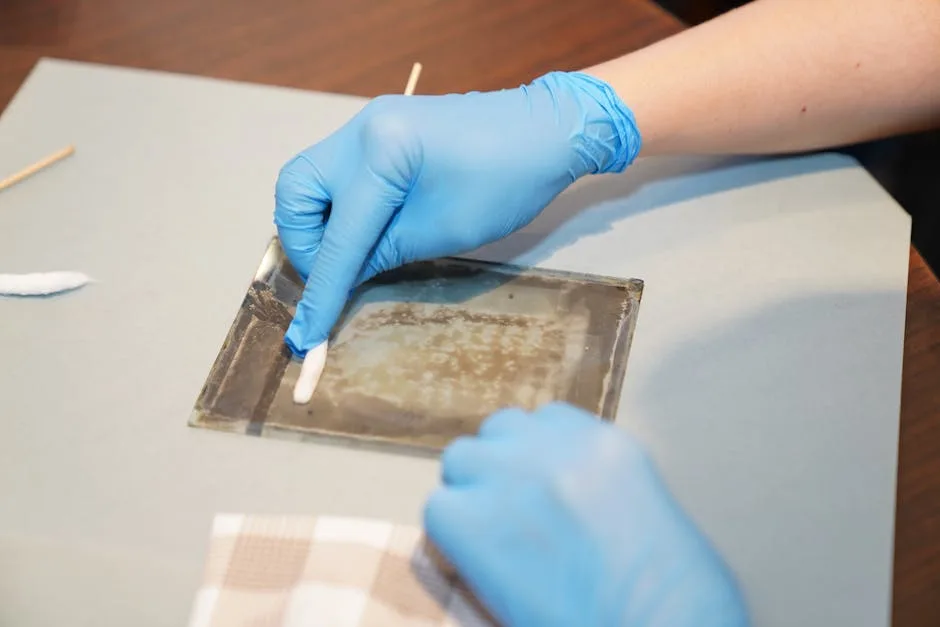
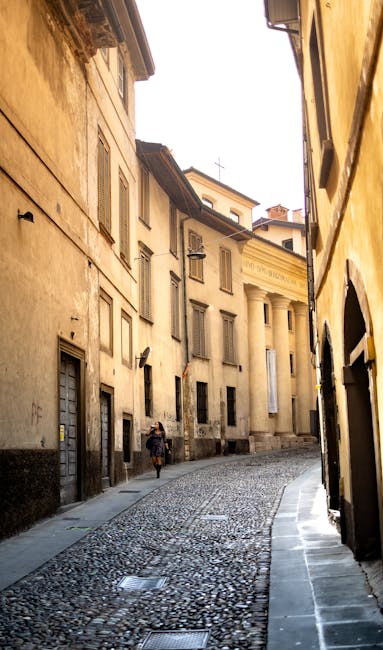
Practically speaking: if you’re driving, park in secure lots in the Città Bassa (Parcheggio di Piazza della Repubblica or Parcheggio del Sentierone) then use the funicular to go up to Città Alta. Narrow, cobbled streets often restrict vehicle access; walking is therefore the best way to explore the alleys. In summer, carry a water bottle; in winter, dress in layers to handle temperature differences between heated interiors and cold exteriors.
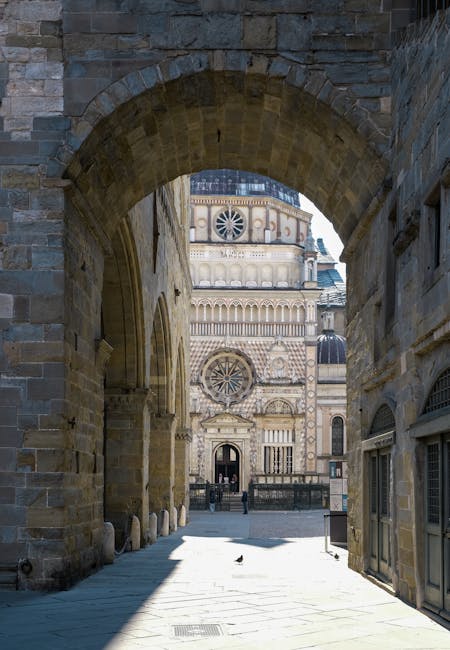
Finally, for professionals or restoration students, Bergamo offers occasional workshops and seminars: the Università degli Studi di Bergamo and local associations sometimes run hands-on trainings on traditional materials (lime, mortar, wood) and consolidation techniques. These initiatives promote the transfer of craft knowledge needed to ensure future renovations continue to respect the authenticity of historic structures.
Conclusion: between memory and modernity, Bergamo points the way
Bergamo is a tangible example of what “successful renovation” means when respect for the past is placed at the center rather than mere contemporary showmanship. The interventions we’ve explored — from GAMeC to Accademia Carrara, from the Venetian walls to small brownfield conversions — share a common thread: they treat heritage as a living resource to be protected but also repurposed. Stones and frescoes aren’t locked away in glass; they interact with contemporary devices that improve the visitor experience, enhance accessibility and ensure the longevity of works.
The success of these renovations lies not only in aesthetic choices but also in shared governance: collaboration between conservators, architects, local craftsmen and municipal authorities. This collaborative approach ensures interventions are technically sound (consolidation, climate control, security) while being sensitive to the language of older architecture. Visitors wandering today through Bergamo can see, touch and feel this ongoing dialogue between time layers — a valuable lesson for other historic cities facing modernization.
For travelers, Bergamo offers a rich and accessible itinerary: carefully renovated museums, walks on restored ramparts, emerging cultural venues in former industrial buildings, and a hospitality and culinary scene that respects local identity. The practical tips provided (hours, addresses, indicative prices) will help you plan your stay, but the best advice remains to take your time — walk slowly, pause in a courtyard, talk to a restorer or curator — to sense how the present pays tribute to the past.
Ultimately, Bergamo demonstrates that renovation is not at odds with conservation but is a way to extend history: giving it new voices, new functions and the comforts needed to carry it through the 21st century. If your next cultural getaway seeks a balance between memory and modernity, Bergamo deserves a top spot on your map. Buon viaggio e buona scoperta!