





Introduction: Local materials and modernity — Bergamo’s architectural identity
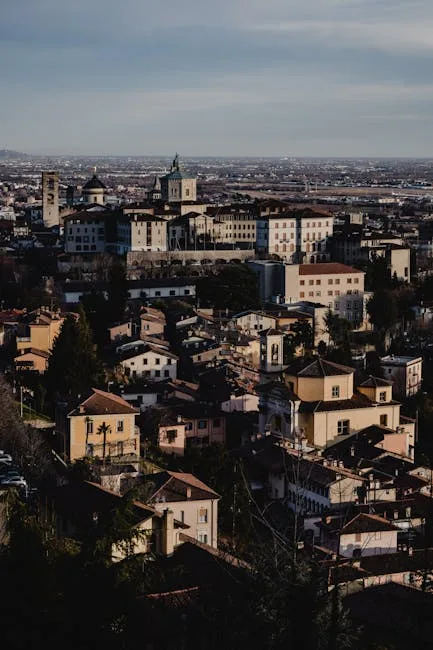
Perched between the Lombard plain and the foothills of the Alps, Bergamo is a living lesson in how local materials and contemporary design can merge to create a distinct architectural identity. The city, split between the fortified Città Alta (upper town) and the newer Città Bassa (lower town), blends centuries of medieval and Renaissance heritage with discreet but assertive modern interventions. To understand Bergamo you need to read its stones, its walls, its roofs, and the recent additions — and to see how residents and architects interpret the continuity between past and present.
In the Città Alta, local limestone and brick shape façades and monuments: the Basilica di Santa Maria Maggiore (Piazza Duomo, 4, 24129 Bergamo BG) and the Cappella Colleoni (Piazza Duomo, 6, 24129 Bergamo BG) are vivid examples of a tradition that favors carved detail and polychrome marble. The Venetian walls (Mura Veneziane) that encircle the old town — a UNESCO World Heritage site — tell the story of a city that has balanced defense and urban landscape. In the Città Bassa, streets like Viale Vittorio Emanuele II (also called “il Sentierone”) and the neoclassical buildings sit alongside modern structures such as the GAMeC – Galleria d’Arte Moderna e Contemporanea (Via San Giorgio, 1, 24129 Bergamo BG) and the Accademia Carrara (Via Angelo Mai, 18, 24121 Bergamo BG), where restoration and museographic upgrades show a local strategy of preservation woven together with modernity.
The conversation between local materials and contemporary techniques goes beyond fine art: it appears in building renovations, the upgrading of public spaces, and even in former industrial areas repurposed as innovation hubs like the Kilometro Rosso tech park (Via Stezzano, 87, 24040 Stezzano BG). Here, steel, glass and concrete are combined with color palettes pulled from Bergamo’s earth tones to anchor new volumes in the landscape. That mix produces an architectural identity that respects traditional materials (stone, brick, marble) while answering modern technical and aesthetic demands.
This article explores how Bergamo asserts its identity through thoughtful use of local materials and the ways modernity is woven into the urban fabric. I’ll walk you through specific sites, give addresses, hours, prices, practical tips and sensory observations for anyone who wants to understand and photograph the dialogue between stone and steel, history and innovation. The aim is both a practical guide and an immersive architectural reading for the curious visitor, the architecture student, or the traveler who wants to feel the city underfoot.
Historic foundations: stone, marble and brick in the Città Alta
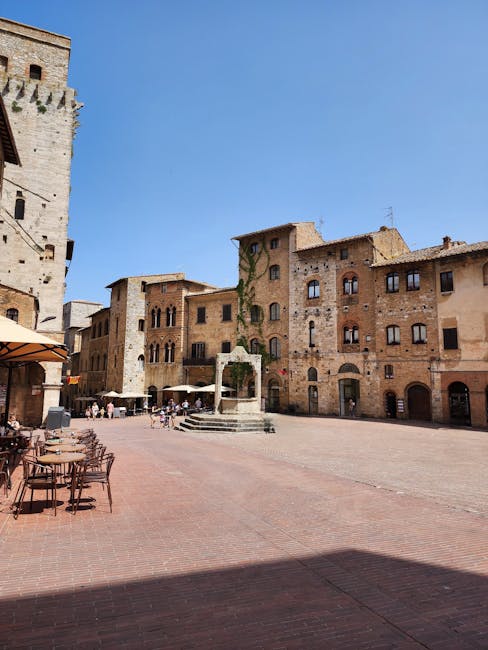
The Città Alta is the physical and symbolic heart of Bergamo’s architecture. Strolling around Piazza Vecchia (Piazza Vecchia, 24129 Bergamo BG), you first notice the material palette: white and green marble, local stone and brick that speak of regional resources used for beauty and longevity. The Basilica di Santa Maria Maggiore (Piazza Duomo, 4) boasts an interior rich in woodwork and Baroque decoration; entry to the basilica is free, but guided tours of the sacristy and the rood screen may be ticketed (around €3–5 depending on season). Hours: generally open 7:30–19:30 (times vary with services). Tip: visit early morning to enjoy soft light on the vaults and avoid tour groups.
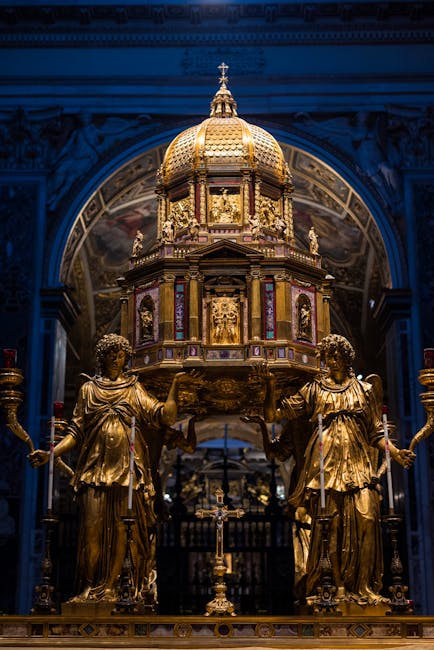
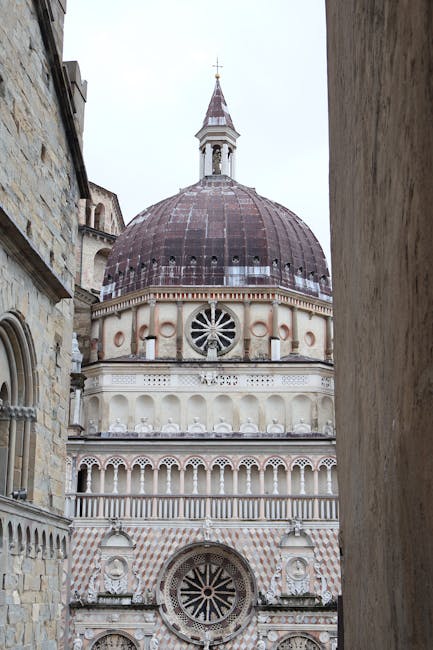
The Cappella Colleoni (Piazza Duomo, 6) next door is a masterpiece of polychrome marble with an elaborately sculpted façade. Indicative admission: €3–6; opening hours: 9:00–18:00 (check season and public holidays). The chapel’s walls reveal the use of imported marbles and local motifs, reflecting a taste for showcasing materials as a prestige language. Practical tip: get close to study the inlays and use a short lens to capture ornamental richness without distortion.
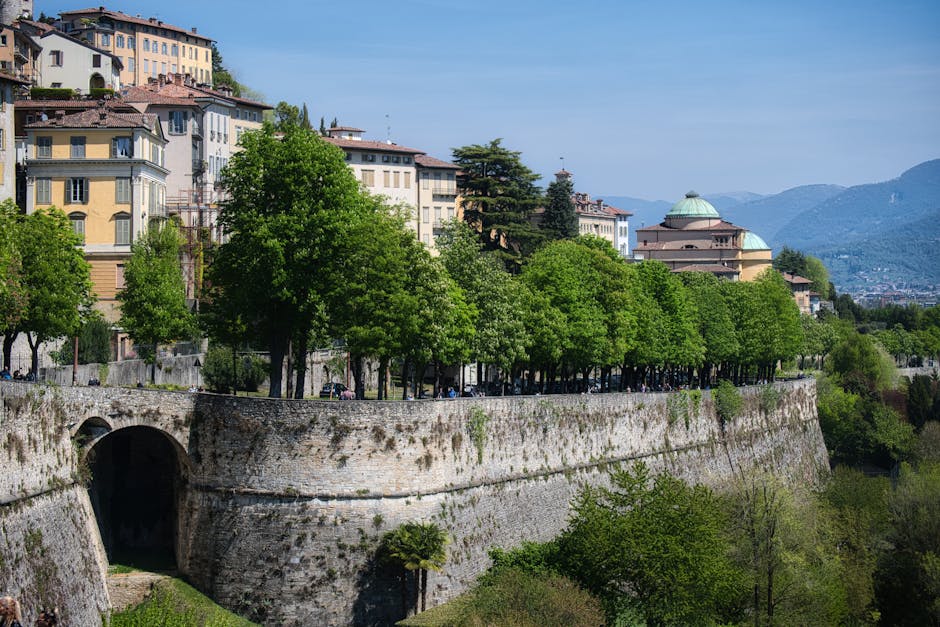
Meanwhile, the Mura Veneziane (Viale delle Mura, 24129 Bergamo BG) are a striking example of material integration — terracotta and stone woven into a territorial defense system. Walks along the ramparts offer views over the plain and the terracotta-tiled roofs; access is generally free (but some towers or entrances may have specific hours and fees, often open from 8:00–20:00 in season). Pro tip: walk the walls at sunset for warm light on the bricks — perfect for urban landscape photography.
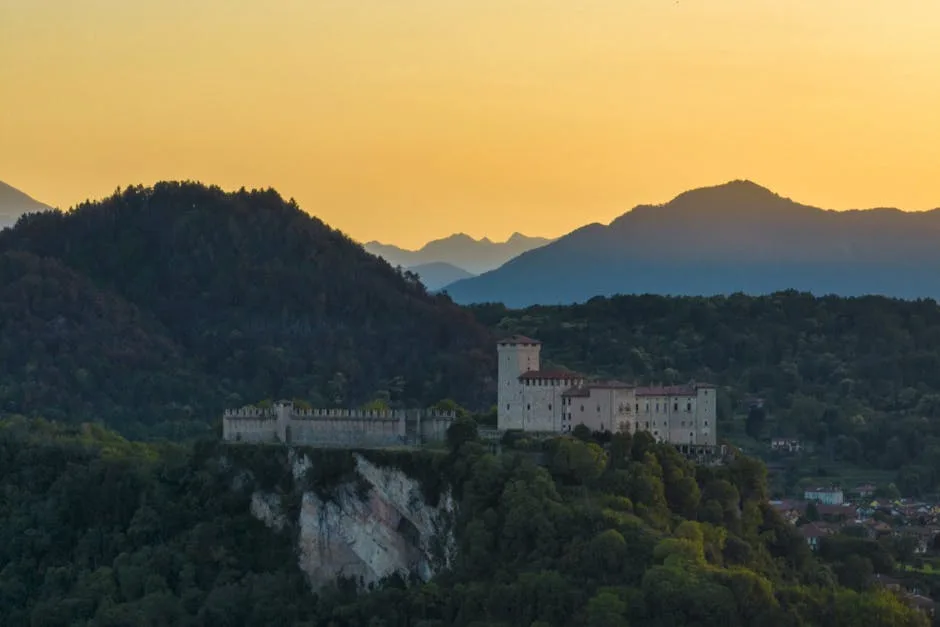
Don’t miss the Rocca di Bergamo (Piazza della Rocca, 24129 Bergamo BG), the fortress overlooking the Città Alta. Admission: around €3–5; generally open 9:00–19:00 depending on season. From up here you can study the juxtaposition of roofs, bell towers and vernacular materials that define Bergamo’s visual identity. Tip: wear comfortable shoes — the cobbles and steep staircases are charming but demanding.
Cultural institutions and modern reinterpretation: Accademia Carrara and GAMeC
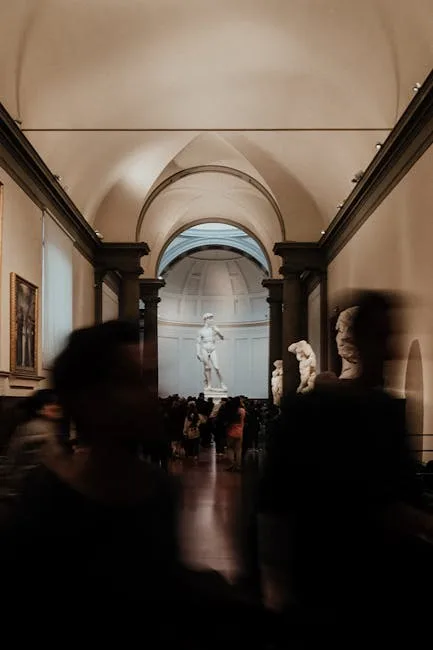
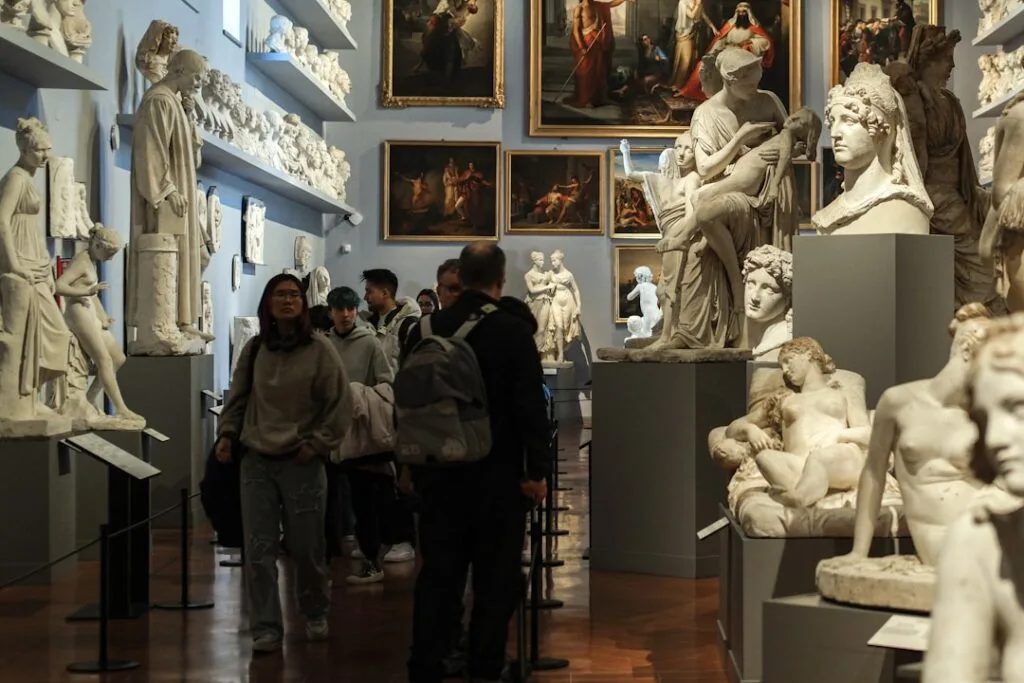
Bergamo has managed to pair conservation with innovation in its cultural institutions. The Accademia Carrara (Via Angelo Mai, 18, 24121 Bergamo BG) is a historical art museum reorganized to converse with contemporary exhibition spaces. Admission: generally €8–12 (full price around €10; concessions for students and seniors). Hours: often 10:00–18:00, closed Mondays (check before your visit). Recent restorations prioritized showcasing classic materials (wood, plaster, marble) while integrating modern LED lighting and conservation systems that are invisible to visitors, allowing faithful color perception without harming the works.
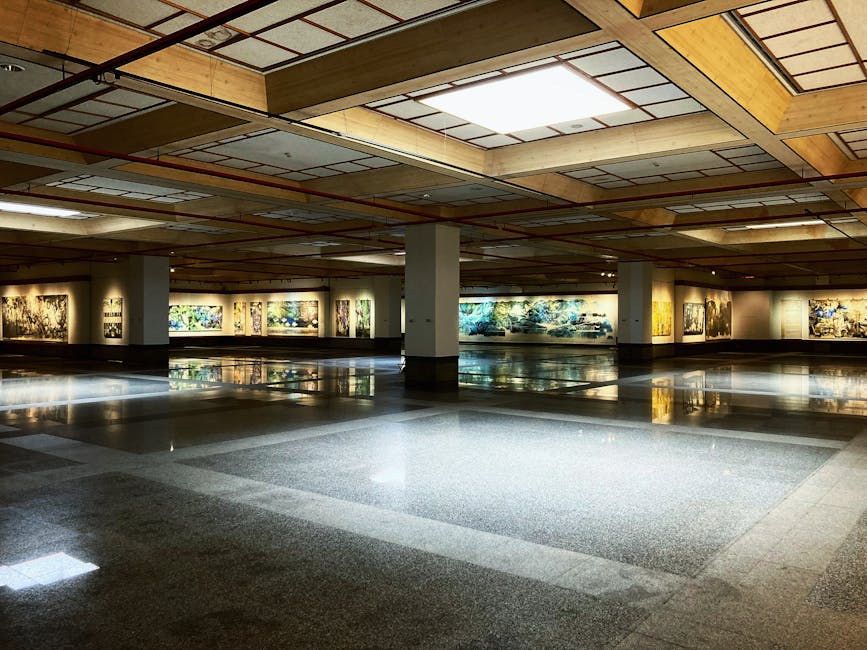
Nearby, the GAMeC – Galleria d’Arte Moderna e Contemporanea (Via San Giorgio, 1, 24129 Bergamo BG) is the contemporary counterpart, showing current art in spaces where concrete, glass and neutral surfaces highlight materials and colors. Admission: €6–10 depending on special exhibitions. Hours: frequently 10:00–19:00 (may close Mondays). Here, recent architectural interventions were designed so the modern fabric showcases temporary works without competing with the old town. Practical tip: check the exhibition schedule and book online for popular temporary shows; the gallery sometimes offers guided tours in English or Italian (extra €3–5).
These two institutions create an interesting museum dialogue: one preserves and narrates art history, the other interrogates the present. Bergamo’s approach often treats modernity by « inlaying » — inserting contemporary elements within the historic frame without brutal rupture. A concrete example is how display cases, information panels and lighting are integrated into existing floors and colonnades. For photographers, the blend of old spaces and contemporary lighting makes for compelling visual contrasts.
Contemporary elements and innovation hubs: Kilometro Rosso and urban interventions
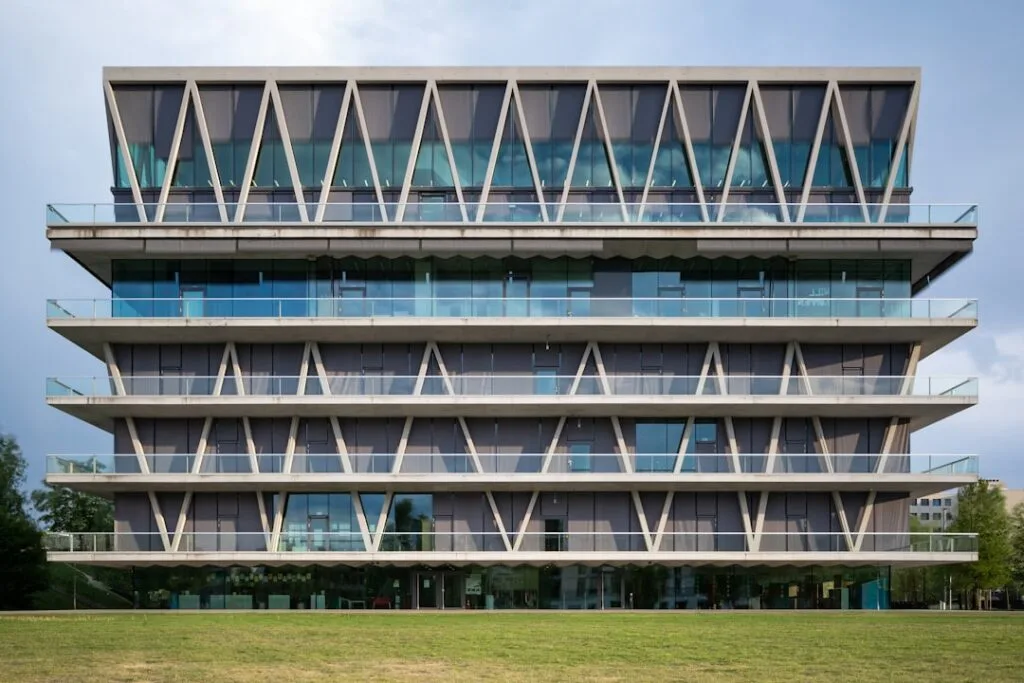
Beyond museums, Bergamo’s modernity shows in projects at the intersection of industry, research and urban planning. The Kilometro Rosso tech park (Via Stezzano, 87, 24040 Stezzano BG) is a standout example: a campus for innovative companies where glass, steel and concrete are organized around green spaces and research units. Public areas are free to enter; events usually require registration. Hours vary by company and event (book a visit through the official site). Tip: join an organized tour or an open day to understand the landscape-integration strategies and material choices that favor sustainability and a high-tech image.
Back in town, recent public works show the municipality’s intent to marry tradition and modernity. For example, the renovation around Piazza Matteotti (Piazza Matteotti, 24121 Bergamo BG) and Palazzo Frizzoni (Comune di Bergamo) illustrates the use of restored cobbles, wood-and-metal benches and LED lighting to requalify the space without erasing its memory. Note: the historic Teatro Donizetti (Via Arena, 7, 24121 Bergamo BG) has received modern technical upgrades to improve acoustics and accessibility; ticket prices vary (€10–80 depending on the performance). Box office hours: usually 10:00–18:00 (check programming).
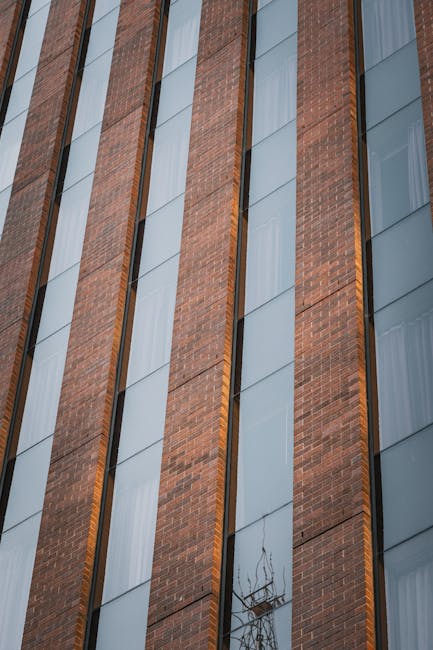
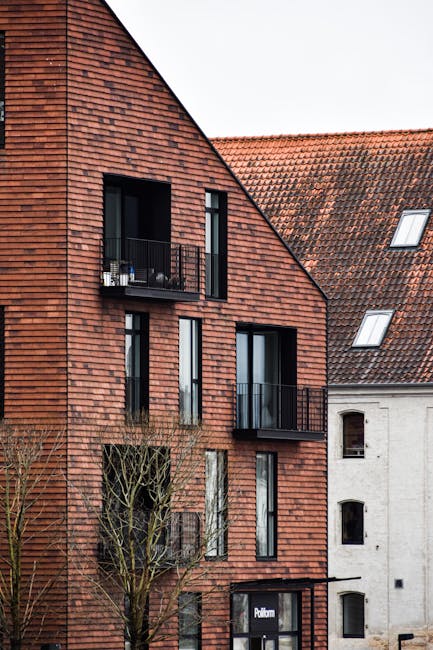
Another tangible initiative: recent residential buildings use « local » brick or colored renders that echo traditional tones but feature high-performance windows and modern steel structures. These projects follow an unspoken rule: modernity doesn’t try to mimic the past but draws inspiration from it, using contemporary materials to meet today’s climatic and technical needs while respecting the city’s chromatic harmony.
Discovery routes: routes to explore materials and modernity
If you want to approach Bergamo through the lens of materials and modernity, thematic routes are helpful. Here are two recommended half-day itineraries with addresses, hours and practical tips:
Route 1 — Stone and sacred heritage (half-day)
- Start: Piazza Vecchia (Piazza Vecchia, 24129 Bergamo BG) — free access; best time: morning for the light.
- Basilica di Santa Maria Maggiore (Piazza Duomo, 4) — interior visit; hours: 7:30–19:30; free entry, guided tours €3–5.
- Cappella Colleoni (Piazza Duomo, 6) — admission €3–6; hours 9:00–18:00.
- Rocca di Bergamo (Piazza della Rocca) — panorama, admission €3–5; hours 9:00–19:00.
Tips: allow 3–4 hours; wear comfortable shoes, bring water, and use a paper guide or mobile app to read iconographic details.
Route 2 — Modernity and reuse (half-day)
- Accademia Carrara (Via Angelo Mai, 18) — admission €8–12; hours 10:00–18:00; book for temporary exhibitions.
- GAMeC (Via San Giorgio, 1) — admission €6–10; hours 10:00–19:00.
- Kilometro Rosso (Via Stezzano, 87, Stezzano) — visits according to events; registration recommended.
Tips: combine museum visits with the tech park to experience both sides of Bergamo’s modernity; shuttles and local trains make reaching Stezzano easier (check Trenord and ATB Bergamo timetables).
Practical local tips and recommendations for the curious visitor
Exploring Bergamo through the trail of materials and modernity takes a little planning: here are practical tips to make the most of your visit.
- Hours and seasons: the Città Alta gets very busy in summer. If you want light and quiet, aim for dawn or late afternoon. Museums like Accademia Carrara and GAMeC generally keep steady hours (10:00–18:00) but often close on Mondays — check online before you go.
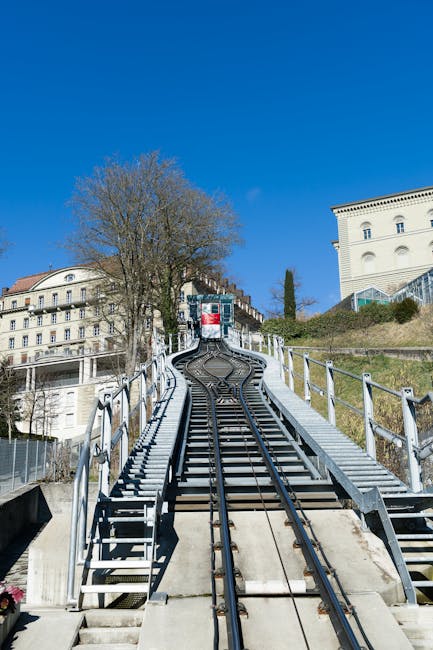
- Transport: the main station is Stazione di Bergamo (Piazza Guglielmo Marconi, 24121 Bergamo BG). To reach the Città Alta, the funicular (Funicolare Città Bassa – Città Alta) departs from Piazza Mercato delle Scarpe and costs about €1.30–1.50 for a single trip; service runs morning to evening (check posted frequencies). To get to Kilometro Rosso, take a bus or taxi from the station (roughly 15–25 minutes).
- Budget: plan for €20–40 per person for a typical day including museums (€10–20), a meal at a trattoria (€10–20) and local transport. Historic cafés around Piazza Vecchia offer coffee and pastries for €2–6.
- Photography: respect no-flash rules in churches and museums. To capture textures and materials, prioritize a macro lens or a 35mm for street shots; a polarizing filter is handy to reduce reflections on modern glass façades.
- Language and services: many tourism staff speak English, but learning a few Italian phrases (hello, thank you, please) improves interactions. Tourist office: Ufficio Informazioni e Accoglienza Turistica (IAT) at Piazza Vecchia 5 — hours vary, often 9:00–18:00; they can provide maps and combined tickets.
Conclusion: an identity balanced between tradition and innovation
Bergamo embodies a subtle urban and architectural strategy: it protects its historic materials — marble, stone, brick, tiles — while integrating modernity through contemporary materials and thoughtful interventions. This coexistence is not mere aesthetic layering but a real conversation between eras that requires recognition of local resources, artisanal know-how and an understanding of today’s technical requirements (insulation, energy performance, accessibility).
Monuments like the Basilica di Santa Maria Maggiore and the Cappella Colleoni remind us of the symbolic and aesthetic value of traditional materials; museums and the Kilometro Rosso tech park show how modernity can unfold without rupture. Museums (Accademia Carrara, GAMeC) orchestrate the dialogue by offering visual proximities where the old frames modern lighting of artworks. Public space renovations and new residential buildings strive to respect the city’s color palette and scale while adding contemporary technologies — reinforcing a shared identity rather than a stylistic clash.
For the visitor, Bergamo is a rich destination: you learn to « read » the city by looking at materials through three complementary lenses — aesthetic, historical and technical. Walk along the walls, wander through the museums, visit research spaces and listen to local guides: you’ll step into an architectural narrative made of layers and connections. The practical recommendations given (addresses, hours, indicative prices) will help you plan a deep exploration; but the city also gives up a lot by chance: a cobbled alley, a marquetry detail, the reflection of a stormy sky on a glass façade.
Ultimately, Bergamo’s architectural identity shows that the most convincing modernity does not erase the past: it highlights, extends and transforms it. Bergamo teaches that conscious use of local materials is a living form of memory, and that the most successful architectural innovation is the one that inserts itself with respect and creativity. For anyone interested in the productive tensions between history and the future, Bergamo is an open-air school, ready to be wandered, observed and photographed.