





Introduction: Bergamo, a living laboratory of local design
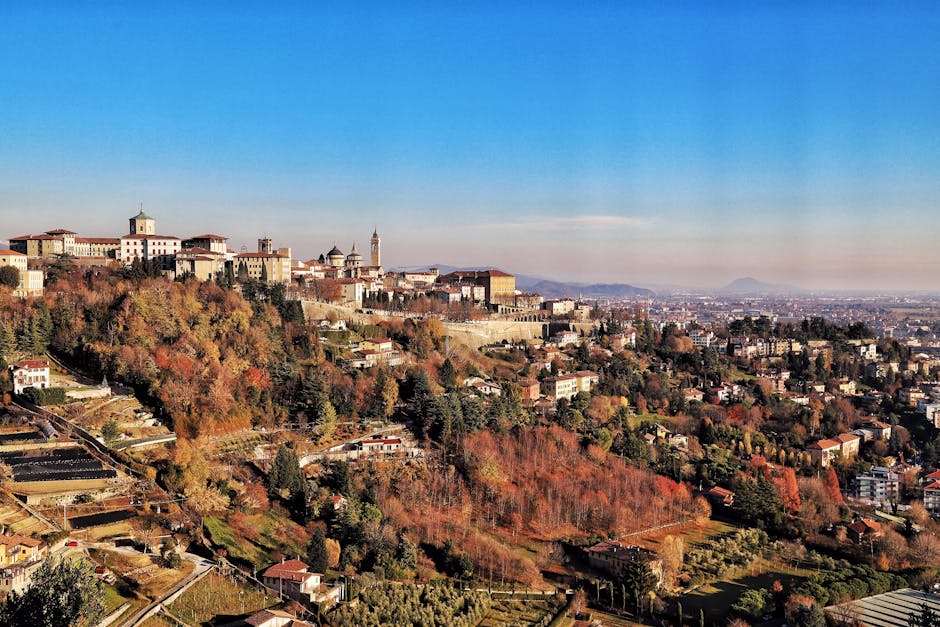
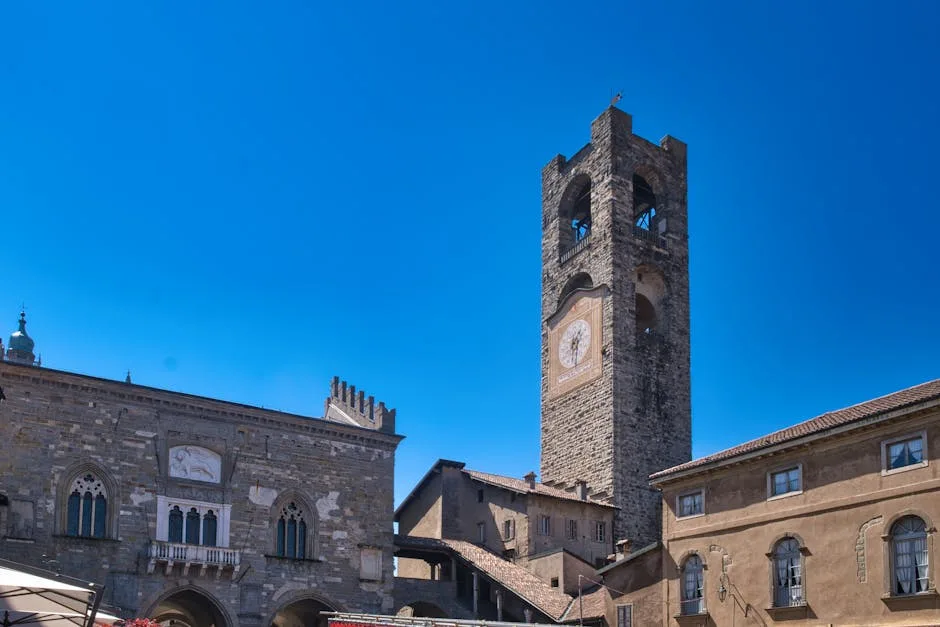
Perched between the Lombardy plain and the foothills of the Alps, Bergamo is often known for its medieval Città Alta, its UNESCO Venetian walls and its picture-perfect viewpoints. But for anyone interested in contemporary design, revived craft and local creative practices, Bergamo reveals a rich network of workshops, studios and micro-manufacturers that together shape a distinctive visual and material identity. These places aren’t just production sites: they’re laboratories, classrooms and meeting points where designers, artisans, photographers, ceramists, cabinetmakers and emerging brands come together to rethink what “made in Bergamo” means.
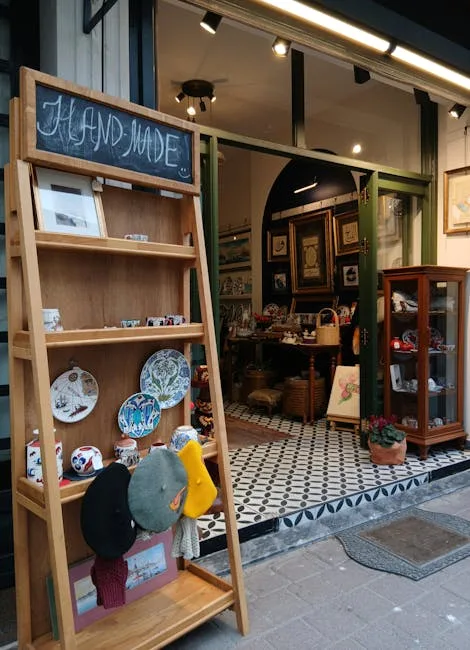
Wandering the streets of both the Città Bassa and the Città Alta you’ll find open workshops, shop-studios with display windows, and private studios where techniques are passed on, questioned and updated. From woodworking and stone finishing to utility ceramics and upcycled textiles, every corner tells a story of time-honoured craft reinterpreted for contemporary needs. This often informal network plays a key role in the city’s economic vibrancy: it supplies markets, inspires architects and influences the aesthetic choices of cafés, homewares shops and new hotels.
In this guide I’ll take you on a practical, detail-rich tour of the workshops and studios shaping Bergamo’s design scene. My aim isn’t just to list addresses, but to convey the atmosphere, the visible techniques, the people you might meet, typical prices for hands-on sessions, plus concrete tips to make your visit rewarding—whether you’re passing through, hunting for unique finds or a design professional looking to collaborate. Expect space profiles, exact opening hours to plan your trip, full addresses to help you get your bearings and practical recommendations (best times to visit, transport, how to book, dress codes in some workshops, etc.).
While the city thrives on a rich historical legacy, it’s the meeting between that heritage and a new generation of maker-creatives that injects a contemporary pulse into local design. Bergamo isn’t Milan: here, the small studio of a craftsperson on Via XX Settembre or a shared workshop near the station becomes a focal point for sober, precious and sustainable design. Follow along, take notes, and bring your camera—many workshops offer scenes as photogenic as they are revealing of manual skill and creative process.
Woodworking and cabinetmaking: tradition meets reinvention
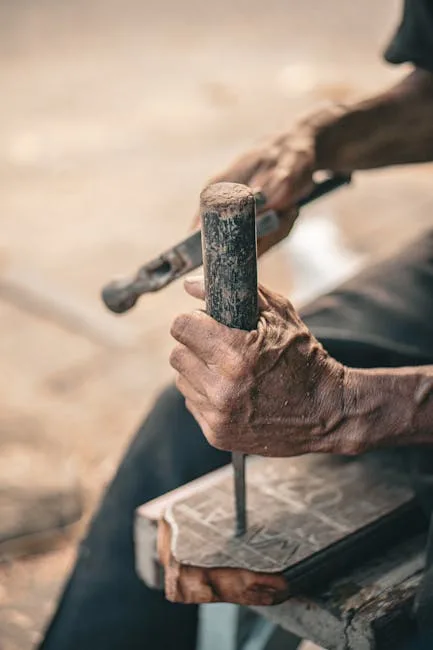
Wood has long been a primary material in Bergamo homes; today it’s central to a revival where traditional cabinetmaking converses with contemporary design. One notable player is Atelier Legno Bergamo — Atelier Legno Bergamo, Via San Giorgio 12, 24121 Bergamo BG — a small bespoke cabinetmaking workshop that produces custom pieces for designers and private clients. Open Monday to Friday from 8:30 to 17:30 (closed Saturday and Sunday), the workshop offers free guided visits by appointment and introductory woodworking sessions starting at €40 for 2 hours. Signature pieces include solid walnut coffee tables, modular wall shelving and built-in furniture solutions for Città Alta apartments.
Another must-see: Falegnameria Contemporanea, Via Angelo Maj 18, 24122 Bergamo. Their approach is hybrid: the workshop blends traditional techniques (dovetail joinery, hand veneering) with digital machining (CNC for prototypes). Opening hours are Tuesday to Saturday, 9:00–13:00 and 14:30–18:30. A guided tour of the production process costs around €10 per person, refundable against a purchase. For custom orders expect lead times of 6–10 weeks and a 30% deposit; a price board in the workshop lists examples (small coffee tables from €250, bespoke bookcases from €1200).
Practical tips:
- Book your visit at least a week in advance—workshops are often busy with local commissions.
- If you want to see a workshop in full production, aim for the morning (9:00–12:00) to catch sanding and final assembly rounds.
- Bring closed-toe shoes if you’ll be taking part in a hands-on session. Workshops sometimes provide aprons but not always gloves.
- For shipping furniture abroad, request a detailed quote that includes packing, insurance and transport: shipping a standard item within the EU can range from €100 to €500 depending on size.
Ceramics and pottery studios: tactile, local craft
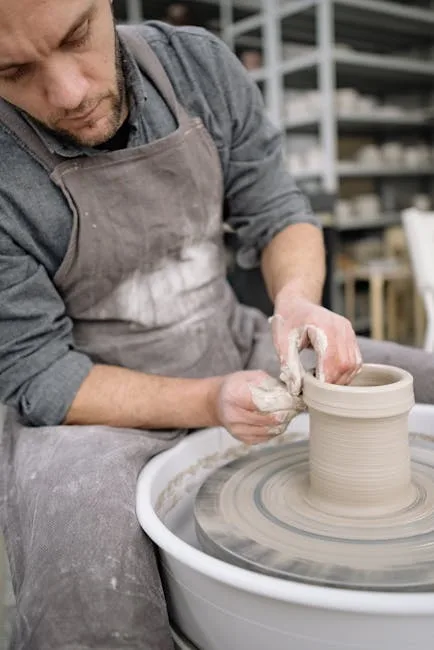
Ceramics is one of the crafts where manual gestures are most visible—and most photogenic. In Bergamo several studios turn clay into tableware, lighting and sculptural pieces, combining traditional know-how with contemporary formal research. A standout spot is Studio Ceramica Bergamo, Via Valotti 6, 24121 Bergamo. Open Wednesday to Sunday, 10:00–18:00, it offers beginner classes (wheel throwing and handbuilding) at €45 for 2 hours, including firing and a basic glaze. Finished pieces can be picked up 3–4 weeks after the session or shipped for an extra fee (from €12 within Italy).
More experimental, Officina Argilla, Largo Belotti 4, 24121 Bergamo, focuses on limited runs and bespoke commissions for cafés and restaurants. Hours: Tuesday–Saturday 9:30–17:30. Visits by appointment; a private demo with the ceramist typically costs €60 and includes an explanation of the process, a glaze colour tasting and a small souvenir piece.
Ceramic work in Bergamo is distinguished by a strong focus on natural glazes and ochres inspired by the local landscape: ochre tones, reddish-brown earths and greens with a matte finish. Local designers often source pieces here for tableware collections destined for the province’s starred restaurants.
Practical tips:
- If you want to bring home a fragile piece, ask for reinforced packing: studios typically charge €5–€15 depending on size.
- For wheel-throwing workshops arrive at least 10 minutes before start to avoid missing the foundational instruction; wear clothes that can get dirty.
- If you’re organising a group (more than 6 people), negotiate a group rate—many studios offer evening slots on request for hen/stag events or team-building.
Graphic, photography and multimedia studios
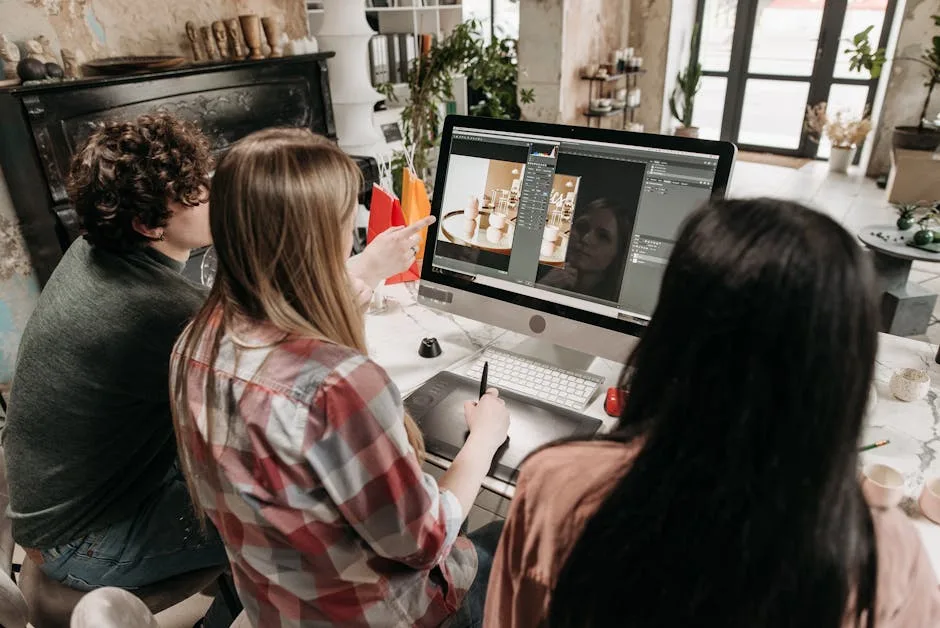
In the digital age, Bergamo’s design identity is also shaped by graphic and photography studios that craft the city’s visual voice. Among them, Studio Grafico Cartesio, Via Broseta 45, 24122 Bergamo, is known for brand identity work for small shops and local start-ups. Hours: Monday–Friday 9:00–18:00. Initial consultations cost €60 (1 hour), with bespoke quotes after: a simple logo starts at €300, a full visual identity from €900.
For photography, Fotografia Moderna Bergamo, Via Solata 2, 24121 Bergamo offers photographer residencies, urban reportage workshops and studio bookings. The studio is open Tuesday to Saturday, 10:00–19:00; a half-day studio rental is around €80, equipment included. They regularly host group exhibitions that showcase the editorial process—an excellent chance to see how imagery shapes local design narratives.
Multimedia studios in Bergamo, often housed in converted warehouses or reimagined workshops near Bergamo station, bring together multidisciplinary teams (UX designers, illustrators, videographers). MakeLab Bergamo, Via Guglielmo d’Alzano 10, 24121 Bergamo is a creative coworking space with wide-format printing, cutting tables and a small 3D printer. Open Monday–Friday 9:00–20:00, day passes are €15, monthly memberships from €75.
Practical tips:
- Bring a portfolio or work samples: studios like to see visitor work, especially if you’re exploring collaboration.
- Branding projects often span several meetings—budget accordingly.
- For urban photography shoots involving models in private or heritage locations, secure permissions in advance (the Città Alta has restrictions for certain monuments).
Textile workshops, fashion and upcycling: from fabric to collections
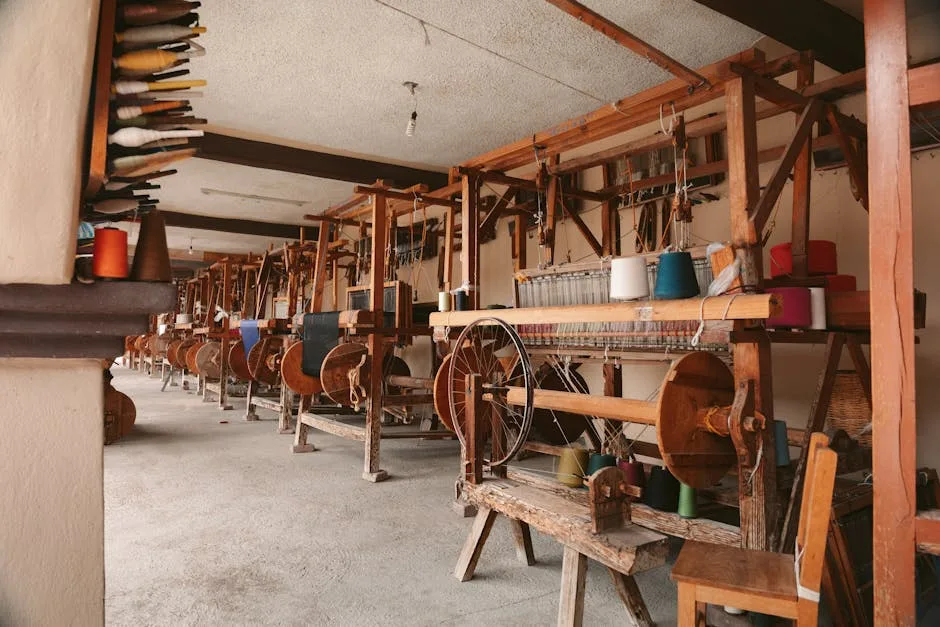
Bergamo has developed a small textile scene mixing classic tailoring, bespoke alterations and eco-conscious projects. One name to remember is Lab Tessile Bergamo, Via XX Settembre 52, 24122 Bergamo, a shop-studio where seamstresses and independent textile designers work. Hours: Wednesday–Sunday 10:00–19:00. Services include quick alterations (hemming from €12), custom garments (dresses or jackets from €180 depending on fabric) and natural-dye workshops at €35 for 2 hours.
More experimental, UpCycle Studio Bergamo, Via San Bernardino 33, 24122 Bergamo, focuses on transforming vintage textiles into contemporary pieces. The workshop runs 3-hour recycling workshops from €50 and offers restoration and refurbishment services for local boutiques. Open Tuesday–Saturday 10:00–18:00.
The Bergamo fashion scene relies heavily on the proximity of studio to retail: you can often order a prototype and see it made within days. Young designers favour local fabrics, plant-based dyes and short production circuits, which cuts the carbon footprint of collections—a strong selling point for sustainable design shops in northern Italy.
Practical tips:
- If you want a bespoke piece, bring exact measurements and visual references. Allow 4–6 weeks for a complex garment.
- Ask to see the fabric composition label if you have allergies to certain fibres.
- If you’re buying wholesale for a shop, negotiate semi-wholesale pricing—many workshops take orders starting at 10 pieces.
Shared spaces, creative residencies and micro-manufacturing
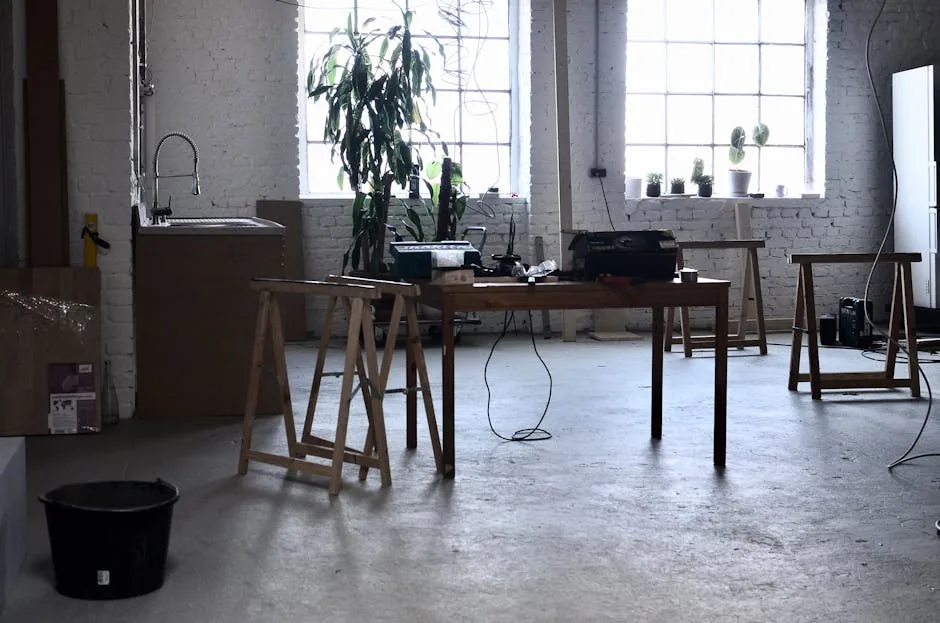
Beyond individual workshops, Bergamo has built an ecosystem of shared spaces and residencies that fuel innovation. A key example is Spazio Creativo Bergamo, Via Pietro Paleocapa 7, 24122 Bergamo, a residency centre for international designers. Open to the public on select days (check the online calendar), it hosts temporary exhibitions and talks. General visits are usually free, while specialised workshops cost between €25 and €120 depending on duration and materials.
For small-scale manufacture, MicroLab Bergamo, Via Carducci 14, 24122 Bergamo, gathers a compact CNC mill, a finishing workshop and a space for short production runs (furniture, lighting, design objects). Hours: Monday–Friday 9:00–18:00. Access costs vary: daily workstation rental from €30, basic CNC training at €90 for 3 hours.
These places often function as incubators: resident designers test prototypes, gather public feedback and sometimes find their first local producer. Bergamo’s strength lies in the close link between workshop and market—cafés, small galleries and concept stores source directly from these micro-producers, keeping a human-scale circular economy alive.
Practical tips:
- Check online calendars for shared spaces—many activities require prior registration.
- If you’re a maker planning a residency, apply 3–6 months in advance; popular residencies fill up fast (typical stay: 2–8 weeks).
- Consider transport times: some workshops are on the outskirts and are easier to reach by bike or taxi (typical intra-muros taxi fare: €6–€12 depending on distance).
Conclusion: how to make the most of Bergamo’s design scene
Bergamo offers an intimate and surprisingly rich design experience: instead of anonymous large factories, the city is full of micro-workshops and studios where materiality and the artisan’s hand drive the story. For curious travellers the key is to combine planned visits with serendipity—a shop on Via Gombito might lead to a tiny alteration workshop, a café on Piazza Vecchia could be using a local ceramist’s tableware, and a concept store near Porta Nuova might be selling a lamp from a micro-manufacturer.
Plan ahead: book workshops that require registration (pottery and woodworking sessions, for example), arrive early for morning demos, and prefer weekdays when possible—some workshops close on Sunday or only accept visitors by appointment. For bulky purchases, always ask for a shipping quote; for delicate pieces choose studios that offer professional packing. If you’re a design professional, bring a portfolio and be ready to propose local collaborations—most workshops welcome bespoke projects and limited runs.
Finally, soak up the context: eating at a bistro that uses local ceramics or staying in a guesthouse furnished by a Bergamo cabinetmaker gives you the full picture of local design, from raw material to finished product. Bergamo’s scene is perfect for anyone seeking a human, sustainable and contextual approach to design: it proves that innovation doesn’t always require large volume, but a rich dialogue between artisans, creators and community.
Have a great trip to Bergamo—may your footsteps take you to the most secret workshops and may every visit leave you with an object, a skill or a story to bring home.